


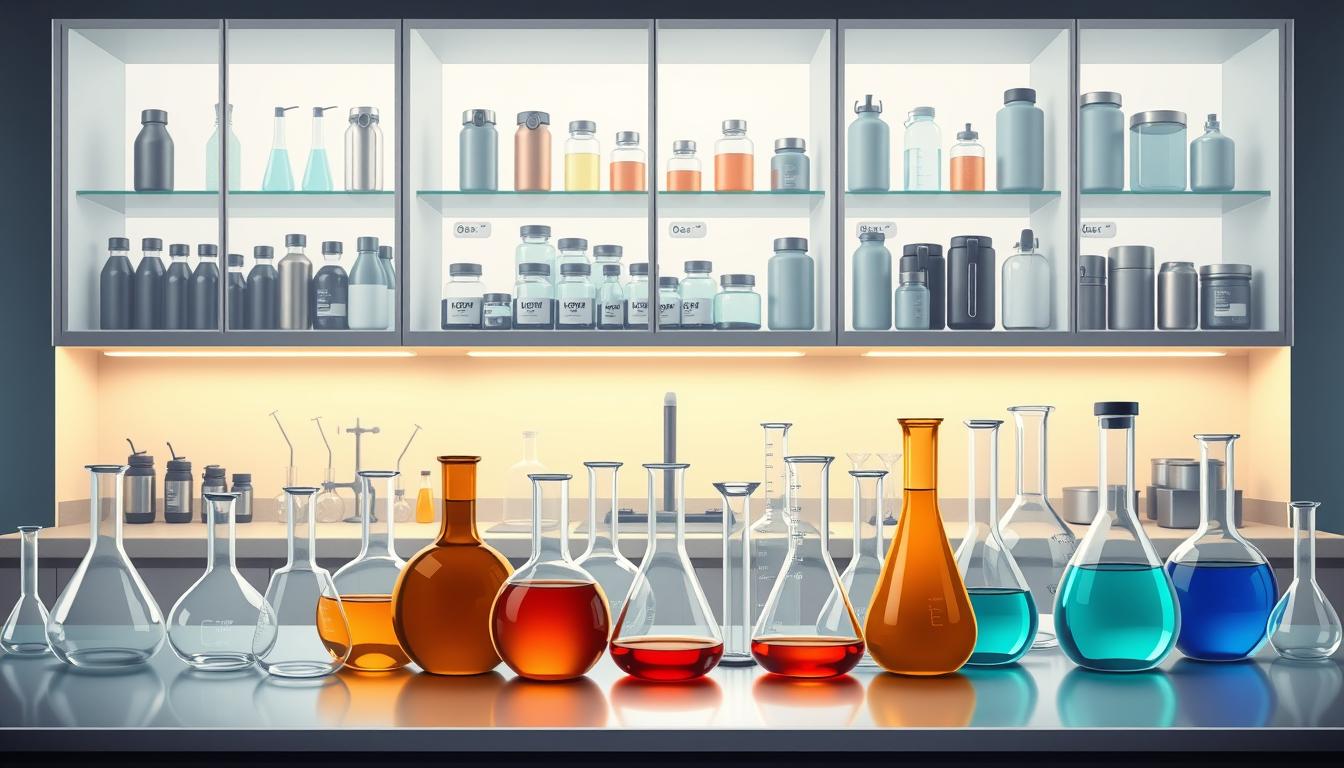
Did you know a simple flask can be both a scientific wonder and a personal friend? They play a big role in our lives, often without us noticing.
Laboratory flasks are marvels of engineering, made for precise chemical work. They are key in science, medicine, and industry. Personal storage flasks, on the other hand, are all about being handy and easy to carry.
Glass is the top choice for lab flasks because it’s safe and clear. Scientists use these precise containers for experiments, measuring, and storing important solutions.
Key Takeaways
- Flasks serve diverse purposes across scientific and personal domains
- Glass is the preferred material for laboratory flask construction
- Different flask designs solve specific scientific and practical challenges
- Flask selection depends on intended use and environmental requirements
- Innovation continues to improve flask functionality and performance
Overview of Flasks and Their Uses
Flasks are key containers in science and everyday life. They help hold, measure, and mix things safely and accurately.
Boiling and distillation flasks are made for lab work. They come in many shapes and sizes. Each one is made for a specific task.
Definition of Flasks
A flask is a special container. It has:
- A wide base for stability
- A narrow neck to minimize evaporation
- Constructed from materials like borosilicate glass
- Capable of withstanding thermal and chemical stress
Importance in Various Fields
Erlenmeyer flasks are vital in many areas. They are used in:
- Chemistry research
- Biological experimentation
- Pharmaceutical development
- Educational laboratory settings
Differences in Design and Function
Flasks vary a lot in design. Boiling flasks have round bottoms for heating. Distillation flasks have special shapes for separating substances.
The American Society for Testing and Materials (ASTM) sets strict standards. These ensure flasks are of high quality for scientific use.
Types of Laboratory Flasks
Laboratory flasks are key tools in science, each made for specific tasks. They come in many shapes and sizes. This lets scientists do precise and controlled chemical work.
Scientists use different flasks for various tasks in chemistry, biology, and more. Knowing what each flask can do helps pick the right one for each experiment.
Erlenmeyer Flasks
Erlenmeyer flasks are named after Emil Erlenmeyer, a German chemist. They have a conical shape with a narrow neck. These flasks are great for:
- Mixing solutions
- Storing chemicals
- Titration experiments
- Heating and boiling
Volumetric Flasks
Volumetric flasks are made for making standard solutions with great accuracy. They have a pear shape with a fill line. This lets scientists measure liquids very precisely.
Round-bottom Flasks
Round-bottom flasks are key for chemical reactions and distillation. They heat evenly and are great in rotary evaporators. Their design helps with:
- Even heat
- Less thermal stress
- Boiling and condensation
Specialty Flasks
Labs also use special flasks for certain tasks. These include:
| Flask Type | Primary Application |
|---|---|
| Büchner Flasks | Vacuum filtration |
| Kjeldahl Flasks | Nitrogen content determination |
| Schlenk Flasks | Air-sensitive chemistry |
Every flask type is a vital tool in science. They help scientists measure, react, and learn in many fields.
Personal Storage Flasks
Personal storage flasks have changed how we carry and enjoy our drinks. They come in many types, from specialty flasks for certain uses to filtering flasks that improve drink quality. These containers fit different lifestyles.
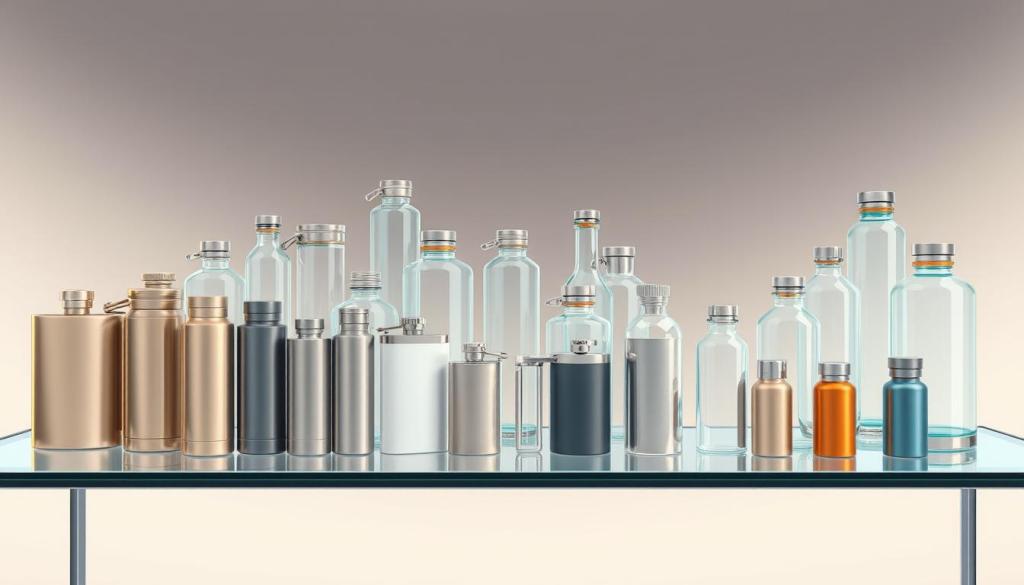
Today, people use personal storage flasks to keep drinks at the right temperature and cut down on plastic waste. These containers are designed for various needs, each with its own special function.
Water Bottles: Hydration Essentials
Water bottles are the most popular type of personal storage flask. They help us stay hydrated, support the environment, and offer a convenient way to carry drinks.
- Promoting daily hydration
- Supporting eco-friendly practices
- Offering portable drink solutions
Thermoses: Temperature Preservation Masters
Thermoses are great at keeping drinks at the right temperature for a long time. They use special insulation to keep drinks hot or cold.
| Thermos Type | Temperature Retention | Best Use |
|---|---|---|
| Stainless Steel | 8-12 hours | Hot coffee/tea |
| Vacuum Insulated | 12-24 hours | Outdoor activities |
| Copper Lined | 6-10 hours | Travel and commuting |
Hip Flasks: Compact Cultural Icons
Hip flasks are specialty flasks with a deep cultural history. They are small, discreet, and stylish, making them popular accessories.
Whether for outdoor adventures, work, or social events, personal storage flasks keep evolving. They meet the changing needs of today’s lifestyles.
Materials Used in Flask Production
Choosing the right material is key when picking flasks for science or personal use. The material affects how well a flask works, lasts, and if it’s good for boiling or distillation.
Manufacturers pick materials based on what’s needed. They look at things like how well it handles heat, chemicals, and what it’s for. Each material has its own special traits for flask design.
Glass Flasks: Precision and Transparency
Glass flasks, especially borosilicate glass, are top-notch in labs. They stand out because of:
- Exceptional chemical resistance
- High thermal stability
- Transparent for easy visual monitoring
- Ideal for precise scientific measurements
Plastic Flasks: Lightweight and Versatile
Plastic flasks are great for many uses. Today’s plastics offer:
- Lightweight construction
- Impact resistance
- Cost-effective manufacturing
- Diverse chemical compatibility
Stainless Steel Flasks: Durability and Performance
Stainless steel flasks are the most durable. They’re perfect for tough environments, giving:
- Superior temperature retention
- Corrosion resistance
- Long-lasting durability
- Ideal for extreme conditions
Both scientists and users value the unique qualities of each flask material. This lets them choose the best one for their needs.
Choosing the Right Flask for Laboratory Work
Choosing the right flask is key to success in lab work. Scientists must look at many factors to get the best results. This is important for all kinds of research.
Lab researchers have to pick from many flask types. They need to think about several important things. These things affect how well the experiment works.
Material Considerations
The material of the flask is very important. Each material has its own special qualities:
- Borosilicate glass is great for withstanding sudden temperature changes
- Polypropylene is good for working with chemicals
- Polycarbonate is tough and works well for most lab tasks
Size and Capacity Requirements
| Flask Volume | Typical Application |
|---|---|
| 50 mL | Small-scale reactions |
| 250 mL | Standard laboratory procedures |
| 1000 mL | Large-scale experiments |
Neck Design and Accessory Compatibility
Flasks with special designs make experiments easier. Erlenmeyer flasks help mix better and keep things clean. Volumetric flasks have precise lines for exact measurements. Round-bottom flasks are best for heating and distilling.
When picking glassware, think about the neck size and how it fits with your tools. The American Society for Testing and Materials (ASTM) has standards to make sure flasks are good quality.
Factors to Consider for Personal Flasks
Choosing the right personal flask is important. You might want specialty or filtering flasks. Knowing what to look for helps you pick the best one for you.
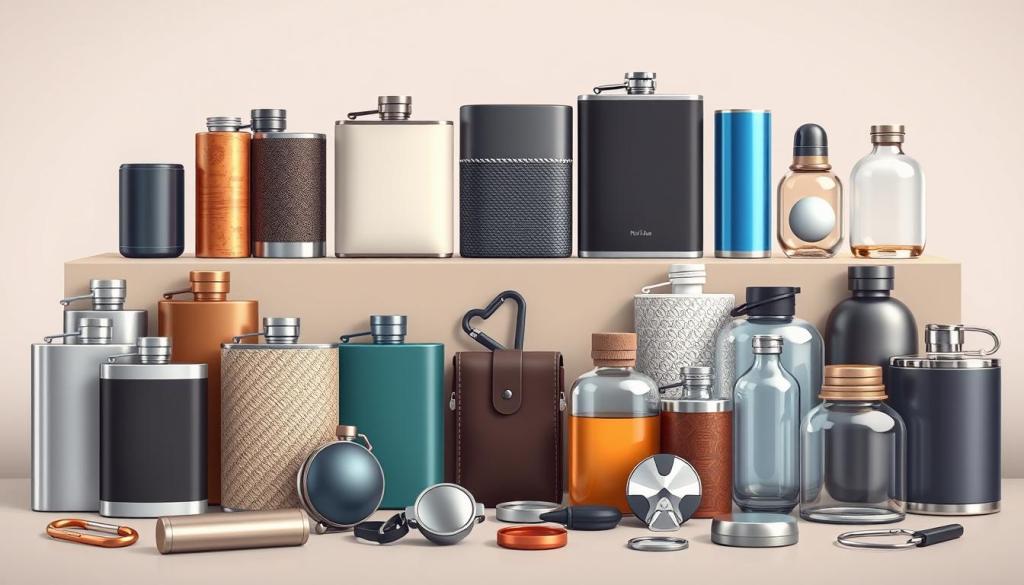
Personal flasks are more than just containers. They are your drink’s best friend. They make drinking better with smart design and engineering.
Insulation and Temperature Retention
The main job of a good flask is to keep drinks at the right temperature. Advanced insulation technologies help flasks keep drinks hot or cold for a long time. Here are some key things to think about:
- Double-wall construction
- Vacuum-sealed technology
- Material heat conductivity
- Seal quality and design
Portability and Weight
Today’s flasks are light but strong. They’re perfect for travelers and outdoor lovers. Look for flasks that are:
- Compact and slim
- Made from lightweight materials
- Ergonomically designed
- Easy to carry in bags or pockets
Ease of Cleaning
Cleaning your flask is key. Look for designs that make cleaning easy:
| Feature | Benefit |
|---|---|
| Wide mouth opening | Allows thorough interior cleaning |
| Dishwasher-safe materials | Simplifies regular maintenance |
| Smooth interior surfaces | Prevents residue buildup |
| Removable parts | Enables comprehensive cleaning |
By looking at these important factors, you can find flasks that work well and last long. They fit different lifestyles perfectly.
Environmental Considerations of Flasks
The world of flasks is more than just about carrying drinks. It’s about caring for our planet. Scientists and people who buy flasks are now thinking about how their choices affect the environment.
Reusable versus Single-use Flasks
Deciding between reusable and single-use flasks is a big choice for the planet. Reusable flasks, like boiling and distillation flasks, are a better option:
- They cut down on plastic waste
- They help lower carbon emissions
- They use fewer resources
- They save money in the long run
Eco-friendly Materials
Today, flasks are made with more thought for the planet. Companies are looking into new materials:
- They use recycled plastics
- They make biodegradable materials
- They choose metals that are sustainably sourced
- They use plant-based bioplastics
Impact on Sustainability
The impact of flasks on the environment is huge. Lifecycle Analysis (LCA) shows us how important every step is. Making flasks more energy-efficient, shipping them better, and recycling them properly are key.
Sustainable flask choices help protect our planet.
Innovations in Flask Design
The world of flask design is seeing big changes. These changes are making a big difference in how scientists and everyday people use these containers. New technologies are changing Erlenmeyer flasks for labs and flasks for storing things at home.
New flask designs focus on three main areas. These are smart technologies, designs that are easy to carry, and options for making flasks your own.
Smart Flasks: Technology Meets Functionality
Now, flasks have smart tech that lets you track things in real time. These smart flasks can monitor:
- Temperature changes
- How much liquid is inside
- How much water you’ve drunk
- The types of chemicals in them
Collapsible Flasks: Maximizing Portability
For scientists and travelers, there’s a new type of flask. These flasks can fold up, making them super easy to carry. They save space but still hold up well.
Customizable Options: Personalization Meets Performance
Flask makers are now offering more ways to customize your flask. You can choose:
- The materials they’re made of
- How big or small you want them
- Special coatings
- Features that add tech to them
These changes show how flask design is always getting better. They mix new tech with what people need, for both science and everyday use.
Care and Maintenance of Flasks
Keeping laboratory and personal flasks in good shape is key to their long life and best performance. It doesn’t matter if you’re using flat-bottom flasks, filtering flasks, or specialty flasks. Knowing how to care for them is essential to keep them working well.
Every type of flask needs its own special care. It’s important for both researchers and flask owners to have a solid plan for cleaning, storing, and fixing any problems.
Cleaning Techniques for Different Materials
Cleaning methods change based on the flask’s material and use. For glassware like flat-bottom and filtering flasks, here are some important steps:
- Use specialized laboratory cleaning solutions
- Rinse thoroughly with distilled water
- Avoid abrasive materials that might scratch the surface
- Dry completely before storage
Storage Recommendations
Storing flasks right helps keep them safe from damage and contamination. Here are some storage tips:
- Store in a cool, dry environment
- Keep away from direct sunlight
- Use protective cases for delicate glassware
- Ensure proper ventilation to prevent moisture buildup
Common Issues and Solutions
Flask users often face issues like staining, bad smells, or seal problems. Proactive maintenance can help avoid these problems:
- Regular cleaning prevents residue buildup
- Inspect seals and gaskets periodically
- Replace damaged components immediately
- Use appropriate cleaning techniques for each flask type
By following these detailed care tips, users can make their flasks last longer. This ensures they work their best in science and everyday use.
Conclusion: Finding the Right Flask for Your Needs
Choosing the right flask is all about knowing what you need. Whether it’s for lab work or keeping drinks warm, each type has its own special features. It’s important to pick one that fits your needs perfectly.
Looking for a flask is more than just picking a pretty design. You need to think about how durable it is, how well it works, and any special features it might have. Lab flasks need to be precise and clean, while personal flasks should keep drinks at the right temperature.
New trends in flasks are all about being green and high-tech. They use advanced materials and smart tech to make flasks better for the planet and more useful. We can expect even more clever and eco-friendly flasks in the future.
As tech and science keep getting better, finding the right flask is more important than ever. Whether you’re in a lab or just need a drink, knowing about different flasks helps you make the best choice. This ensures you get the most out of your flask, whether for work or play.
FAQ
What is the primary difference between laboratory and personal storage flasks?
Laboratory flasks are made for precise science work. They come in shapes like Erlenmeyer and volumetric flasks. On the other hand, personal storage flasks, like water bottles, focus on being useful every day.
How do I choose the right material for a flask?
Choosing a flask material depends on how you’ll use it. Glass is good for labs because it’s resistant to chemicals. Steel is durable for personal use, and plastic is light for carrying. Think about what you need in terms of chemical safety, temperature, and use.
What are the most common types of laboratory flasks?
In labs, you’ll often see Erlenmeyer flasks (with a conical shape) and round-bottom flasks for heating. There are also volumetric flasks for exact measurements and special flasks for certain tasks.
How can I maintain and clean my flask properly?
Cleaning a flask depends on its material. Glass flasks need special cleaners. Steel and plastic ones can be cleaned with soap and water. Always rinse well, avoid rough cleaners, and dry to stop bacteria and keep the flask in good shape.
Are reusable flasks environmentally friendly?
Yes, reusable flasks cut down on plastic waste. They’re made from eco-friendly stuff like recycled plastics and biodegradable materials. This helps the planet.
What innovative features are emerging in flask design?
New flasks have cool features like temperature control and tracking your water intake. There are also collapsible ones for easy carrying and flasks you can customize to fit your needs.
How do I select the right personal storage flask?
Think about what you need in a flask. Look for good insulation, light weight, and easy cleaning. Also, consider features like leak-proofing and how it fits into your daily life.
What is the importance of neck design in laboratory flasks?
The neck of a flask is key for attaching accessories. Different shapes and sizes fit various stoppers and tubes. This lets you set up specific experiments and do precise work.




Leave a Comment
Your email address will not be published. Required fields are marked *