



Graduated centrifuge tubes are indeed more convenient for serial dilutions than regular ones. They offer precise measurements and a design perfect for labs. This makes them great for streamlining workflows, improving accuracy, and cutting down on errors in scientific work.
By looking at their design, benefits, and use, we can help lab professionals choose the best equipment. This is key for getting reliable results in their experiments.
Key Takeaways
- Graduated Centrifuge Tubes provide precise measurement for accurate serial dilutions.
- They are designed for enhanced usability in laboratory settings.
- Utilizing graduated tubes can increase overall workflow efficiency.
- Regular centrifuge tubes offer less measurement clarity than graduated options.
- Choosing the right tube is critical for reliable experimental results.
Understanding Graduated Centrifuge Tubes
Graduated centrifuge tubes are key tools in labs for measuring liquids. They have marked lines for exact liquid amounts. Made from materials like borosilicate glass or plastics, they are reliable for science.
Definition and Purpose
These tubes have a special role in labs. They help with mixing, separating, and analyzing samples. The clear lines help scientists measure liquids accurately, keeping experiments precise.
Construction and Design
The design of these tubes is important for their work. They come in sizes from 5 mL to 200 mL. Their strong build means they can handle fast spinning without breaking.
Advantages Over Regular Tubes
High-quality centrifuge tubes have big pluses over regular ones. Key benefits include:
- They offer precise volume measurements, improving experiment accuracy.
- They have less chance of contamination because of their design and materials.
- They let you see the liquid inside, making it easier to watch during processes.
Serial Dilution: An Overview
Serial dilution is a key technique in labs. It helps scientists measure how much of a substance is present. This is very important in fields like microbiology and biochemistry. Using Research Centrifuge Tubes makes this process more reliable.
The Importance in Laboratory Practices
Serial dilution is very important in labs. It makes it easy to create solutions at different strengths. This is crucial for experiments that need specific conditions.
Steps Involved in Serial Dilution
To do a serial dilution, you follow these steps:
- Start with a stock solution of known strength.
- Put a certain amount of the stock solution into a tube with diluent.
- Mix well to make sure everything is evenly spread.
- Take a bit from the first tube and put it into another tube with diluent. Keep doing this until you reach your goal.
Science Centrifuge Tubes are needed for accurate results in these steps.
Common Use Cases in Research
Serial dilution is used in many ways in research:
- It helps test how many bacteria or viruses are present.
- It’s used to make standard curves in spectrophotometry. This helps figure out the amount of unknown samples.
- It’s also used to check how strong medicines are, where exact amounts are key.
Graduated vs. Non-Graduated Centrifuge Tubes
Graduated and non-graduated centrifuge tubes are key in labs. Each type has its own benefits for measuring and using samples.
Key Differences Highlighted
Graduated Centrifuge Tubes have lines on the side to show liquid levels. This makes it easy to measure volumes, like in serial dilutions. On the other hand, Non-Graduated Centrifuge Tubes don’t have these lines. This can cause mistakes when trying to guess how much liquid is there.
Knowing these differences helps pick the right tube for lab work.
Accuracy and Precision in Measurements
In science, being precise is very important. Graduated Centrifuge Tubes help by letting you see how much liquid you have. This makes your measurements more accurate.
Non-Graduated Centrifuge Tubes might lead to more mistakes because you have to guess the liquid amount. Choosing the right tube is key to getting reliable results.
Usability in Various Laboratory Settings
How you use centrifuge tubes can vary a lot. Graduated tubes are good for many uses, like in medical tests and research. They’re important because they help you measure clearly.
Non-graduated tubes might be better for simpler tasks or where you don’t need to be as precise. The type of tube you choose affects how well your experiments work and how smoothly your lab runs.
Benefits of Using Graduated Centrifuge Tubes
Graduated centrifuge tubes make labs more efficient and accurate. They are a top choice for many scientific tasks. Their design helps researchers get precise measurements, saving time and money.
Enhanced Measurement Clarity
Graduated centrifuge tubes are great for clear measurements. Their gradations make it easy to see liquid volumes without extra tools. This is key for serial dilutions, helping scientists make quick decisions and avoid mistakes.
Time Efficiency in Experiments
These tubes save time in experiments. They cut down on the need for extra measuring tools. This lets scientists focus more on important parts of their work, boosting productivity in busy labs.
Cost-Effectiveness in Lab Supplies
At first, high-quality centrifuge tubes might seem expensive. But, they last longer and can be reused, saving money in the long run. They help avoid mistakes and reduce waste, making them a smart choice for labs.
Choosing the Right Tube for Serial Dilutions
Choosing the right tube for serial dilutions is important. You need to think about what your lab needs. This can make your experiments more efficient.
Factors to Consider
When picking centrifuge tubes, consider these points:
- Type of Samples: Different samples need different tube materials.
- Volume Capacity: Make sure the tube can hold enough for your needs.
- Material Composition: Choose between Plastic for light use or Glass for durability and chemical resistance.
Volume Capacity Options
Centrifuge tubes come in many sizes, from 5 mL to 100 mL. Picking the right size is key for accurate serial dilutions. Here’s a look at common sizes:
| Tube Volume | Typical Applications |
|---|---|
| 5 mL | Small sample sizes, initial dilutions |
| 15 mL | Standard laboratory tasks, larger dilutions |
| 50 mL | Bulk sample processing |
| 100 mL | High-throughput experiments |
Material Considerations: Plastic vs. Glass
When choosing between Plastic and Glass tubes, think about these:
- Plastic Tubes: They’re light, affordable, and won’t break easily, great for everyday lab work.
- Glass Tubes: They’re better at handling chemicals and are clear, perfect for delicate experiments.
Comparison: Graduated Centrifuge Tubes vs. Regular Tubes
It’s important to know the differences between graduated and regular centrifuge tubes. They affect how well a lab works. Looking at cost, ease of use, and impact on workflow shows their value.
Cost Analysis Over Time
Graduated centrifuge tubes might cost more at first. But, they save money in the long run. They help avoid wasting materials and reduce errors, saving time and money.
Regular tubes are cheaper but need more effort to get right. They might lead to more mistakes in measuring and mixing.
Ease of Use and Handling
Graduated tubes are easier to use. Their marked measurements make it simple to measure liquids. This makes lab work smoother and less prone to mistakes.
Regular tubes don’t have these markings. This makes them harder to use and more likely to cause errors.
Impact on Laboratory Workflow
Using graduated tubes improves lab workflow. They make serial dilution easier, saving time and effort. This lets researchers focus on their work without getting bogged down by complicated steps.
Real-Life Applications of Graduated Centrifuge Tubes
Graduated centrifuge tubes are key in many labs. They meet the specific needs of scientists. This section looks at their role in microbiology, biochemistry, molecular biology, and clinical diagnostics.
Case Study: Microbiology Labs
In microbiology labs, these tubes are crucial for making serial dilutions. This is how scientists measure bacterial amounts. They need these tubes for precise measurements to keep their studies reliable.
Case Study: Biochemistry and Molecular Biology
For biochemistry and molecular biology, these tubes help prepare standards. They allow for exact volume measurements, which is key for consistent results. Their role in reactions shows how important accuracy is in complex biological studies.
Case Study: Clinical Labs and Diagnostics
Clinical labs rely on these tubes for diagnostics. They need accurate dilutions of patient samples for reliable test results. The precision of these tubes is vital for effective diagnostic processes and patient care.
Graduated centrifuge tubes are essential in labs. They help labs work more accurately and efficiently. This shows how valuable these tools are for scientific and clinical work.
Potential Limitations of Graduated Centrifuge Tubes
Graduated centrifuge tubes have many benefits in labs. But, they also have some limits that users need to know. Understanding these Graduated Centrifuge Tubes Limitations helps make better choices for experiments.
Challenges with Overflow and Contamination
One big problem is the risk of overflow when filling. This can contaminate samples, affecting their accuracy. It’s important to fill carefully to avoid these issues.
Maintenance and Cleaning Considerations
Keeping graduated centrifuge tubes clean and well-maintained is key. You need to follow specific Cleaning Considerations. Use the right cleaning solutions to not harm the material. Regular washing and checks help them last longer and work better.
Compatibility with Different Centrifuges
It’s also important to think about Tube Compatibility with different centrifuges. Not all tubes fit all centrifuges right, which can mess up sample handling. Always check if a tube fits your centrifuge before using it.
Expert Recommendations on Tube Selection
We can learn a lot from lab experts when picking centrifuge tubes for serial dilutions. It’s key to think about what you need for your experiments. Look for tubes from trusted brands that are known for quality and durability.
Insights from Laboratory Professionals
Lab pros say to check tubes based on your experiment type. They stress the need for graduated tubes for precise measurements. Talking to these experts can really help your lab work.
Best Practices for Use
Following best practices can boost your centrifuge tube’s performance. Here are some tips:
- Do regular calibration checks for accurate measurements.
- Follow the maker’s advice on handling and storing.
- Clean tubes right to prevent contamination.
The Future of Centrifuge Tubes in Laboratories
The world of lab equipment is changing, especially with centrifuge tubes. New materials and designs will shape lab work. Sustainability is a big focus, with scientists looking for ways to reduce waste.
Innovations and Technological Advances
New tubes are made from biodegradable materials, making labs greener. They also have features like anti-tipping bases and better seals. These help keep samples safe and reduce spills.
Sustainability in Lab Equipment Choices
Lab waste is a big problem, so sustainable solutions are key. Reusable tubes and refill systems are becoming popular. Labs are choosing durable materials and supporting eco-friendly products.
Predictions for Market Trends
More labs will use automated systems with special tubes. This trend shows a desire for easy, green lab tools. Experts think labs will buy equipment that’s both effective and eco-friendly.
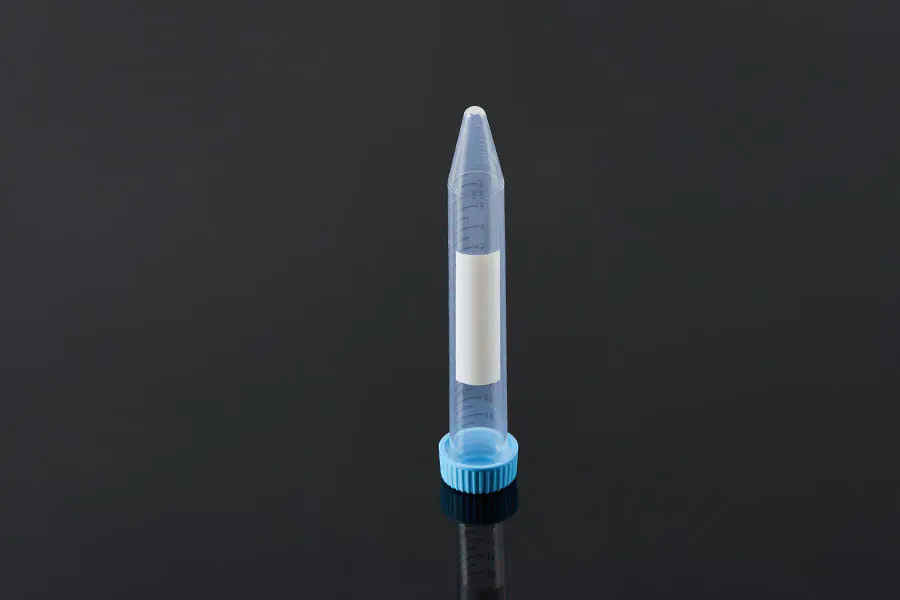
centrifuge tube graduated
Conclusion: Making the Right Choice for Your Lab
Choosing the right centrifuge tubes is key to making your lab work better and more accurate. Graduated tubes are especially good for precise work like serial dilutions. It’s important to keep up with new lab needs as they change.
Recap of Key Points
Graduated centrifuge tubes make measuring easier and save time in experiments. They also help save money. These benefits make them essential for many lab tasks.
Final Thoughts on Convenience and Efficiency
Getting the right lab equipment helps your work flow better and gives you more reliable results. By checking your lab needs, you can pick the best tools for your research. This improves the quality of your science work.
References and further readings:
1.Arneson, W., & Brickell, J. (2010).
Clinical Chemistry: A Laboratory Perspective.
https://www.academia.edu/4545897/Arneson_Clinical_Chemistry_A_Laboratory_Perspective#page=1022.Seyoum, B. (2006).
Introduction to Medical Laboratory Technology.
https://promuex.com/library_p3plzcpnl505084_community_free/uploads/23.pdf3.Hasan, N. A. (2021).
Laboratory Manual of Basic Molecular Biology Techniques.
https://www.academia.edu/73896145/Laboratory_Manual_of_Basic_Molecular_Biology_Techniques
FAQ
What are graduated centrifuge tubes used for?
Graduated centrifuge tubes help measure liquids accurately in labs. They’re great for serial dilutions.
How do graduated centrifuge tubes differ from regular centrifuge tubes?
They have calibrated graduations. This lets you see liquid levels easily. It helps avoid mistakes with non-graduated tubes.
What materials are graduated centrifuge tubes typically made from?
They’re made from strong materials like borosilicate glass or durable plastics. This gives them mechanical strength and chemical resistance.
Why are serial dilutions important in laboratory research?
Serial dilutions help measure substance concentrations accurately. This is key for reliable results in microbiology and biochemistry.
What factors should be considered when selecting graduated centrifuge tubes?
Think about the samples, volume needs (5 mL to 200 mL), and material. Plastic is cost-effective, while glass offers clarity and resistance.
Can graduated centrifuge tubes be reused?
Yes, they’re made for reuse. But, cleaning and maintenance are crucial for their accuracy and longevity.
What are some common applications of graduated centrifuge tubes in the laboratory?
They’re vital for serial dilutions in microbiology, making standards in biochemistry, and precise diagnostics in clinical labs.
What are some potential limitations of graduated centrifuge tubes?
Limitations include the risk of overflow and contamination. Also, they need proper maintenance and cleaning. Compatibility with centrifuges is important too.
What expert recommendations should laboratory professionals follow when selecting graduated centrifuge tubes?
Experts suggest choosing based on experimental needs. Regular calibration and following manufacturer guidelines are also key.
What is the future of graduated centrifuge tubes in laboratory settings?
The future will see new materials and a focus on sustainability. There will also be advancements in automated systems for better lab efficiency.
Leo Bios
Hello, I’m Leo Bios. As an assistant lecturer, I teach cellular and
molecular biology to undergraduates at a regional US Midwest university. I started as a research tech in
a biotech startup over a decade ago, working on molecular diagnostic tools. This practical experience
fuels my teaching and writing, keeping me engaged in biology’s evolution.




Leave a Comment
Your email address will not be published. Required fields are marked *