



This article presents adaptive consumables designed for the ABI 3730xl DNA Analyzer.

This paper describes adaptive consumables suitable for the ABI PRISM® 3700 DNA Analyzer.
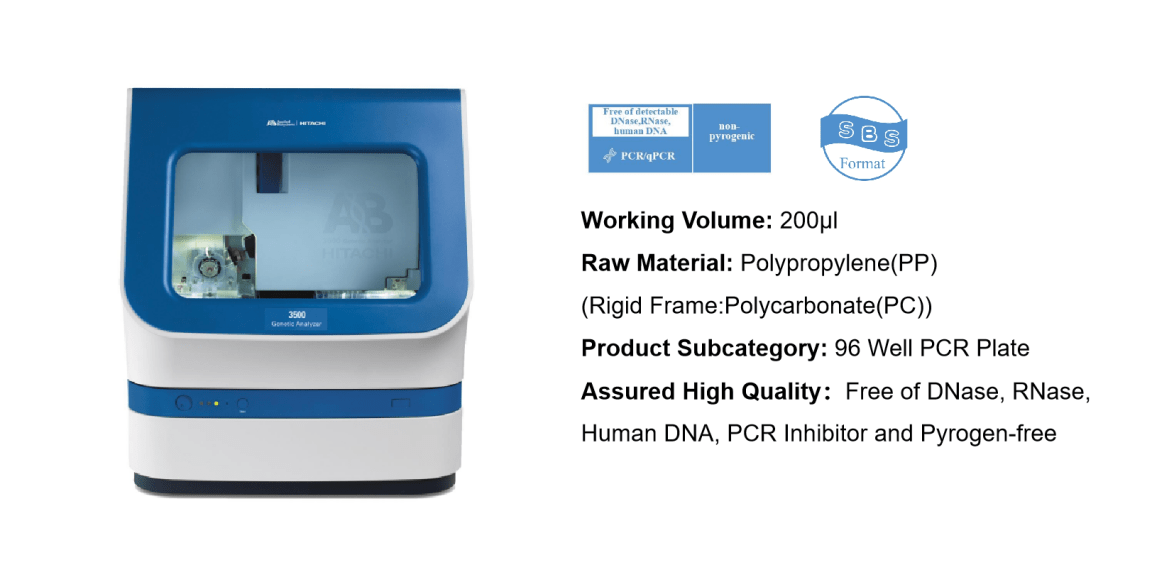
This article focuses on introducing adaptive consumables used with the ABI 3500 Series Genetic Analyzer.
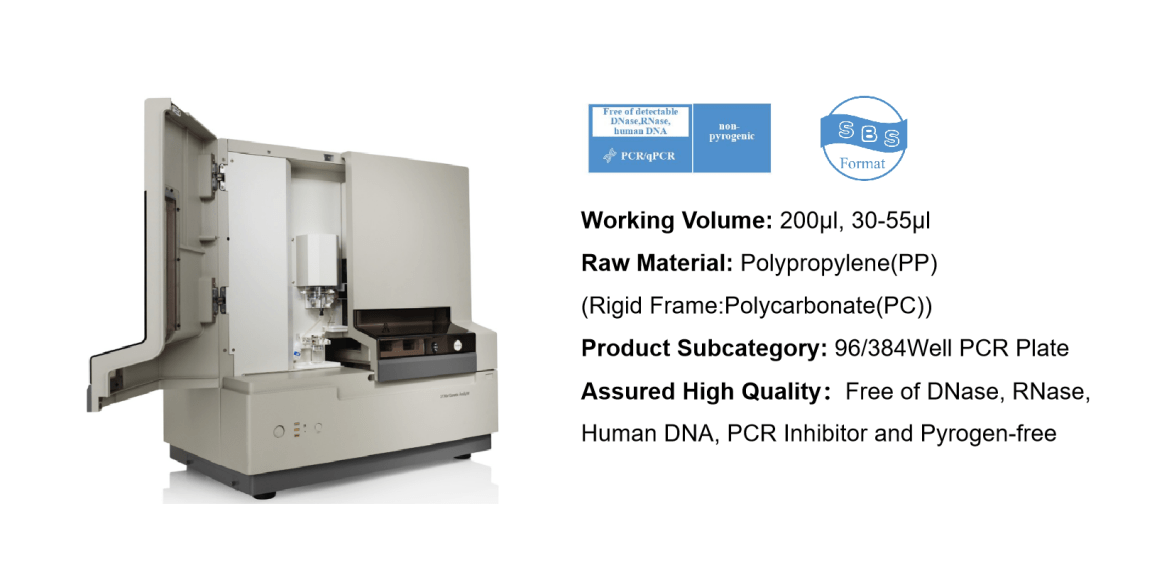
This article introduces the adaptive consumables for ABI 3130/3130xl Genetic Analyzers.
Origin and Features of the HUVECs Human Umbilical Vein Endothelial Cells (HUVECs) are isolated from umbilical cord tissue and represent one of the key structural component cells of the umbilical vein, playing a vital role in normal physiological processes. The umbilical cord is a tubular structure in mammals that connects the fetus to the placenta. […]
Origin and Features of the hBM-MSCs Human Bone Marron Mesenchymal Stem Cells (BMSCs) are isolated from bone marrow. Bone marrow is the hematopoietic tissue of the body, located within the cavities of many bones. In adults, there are two types of bone marrow: red marrow and yellow marrow. Red marrow produces red blood cells, platelets, […]
Origin and Features of the K562 Cell line The K562 cell line was derived from the bone marrow sample of a patient with chronic myeloid leukemia (CML). It was first isolated and characterized by Peter Nowell and David Hungerford in the early 1960s. While studying bone marrow samples from leukemia patients, scientists identified a unique […]
Origin and Features of the Jurkat T Cell The Jurkat T Cell, Clone E6-1 cell is a pseudodiploid human cell line derived from acute T cell leukemia. It was established in 1984 by Dr. Schneider from a peripheral blood sample of a 14-year-old male patient. The E6-1 cell is a clonal derivative of the Jurkat-FHCRC […]
Origin and Features of the MIA-PACA-2 The MIA PaCa-2 cell line is an epithelial cell line isolated and established from the tumor tissue of a 65-year-old Caucasian male with pancreatic cancer. The establishment of the MIA PaCa-2 cell line began in 1975 by A. Yunis et al. and was formally established in 1977. MIA PaCa-2 […]
Origin and Features of the MKN-74 The MKN74 cell line is a human gastric cancer cell line originally isolated by the Japanese National Cancer Center Research Institute from a liver metastasis of a 37-year-old male patient with moderately differentiated tubular adenocarcinoma. MKN74 cells exhibit morphological features associated with intestinal differentiation, including cell polarity and microvilli […]
