



Different pore sizes in cell strainers are key to separating cells. The mesh size of a cell strainer greatly affects how well cells are separated. This is true for several reasons, including how the strainer works, what cells it can catch, and how well it separates cells.
In the fast-growing field of life sciences, a good cell strainer is very important. It’s especially crucial for cell culture and flow cytometry. By picking the right mesh size, scientists can make sure their samples are prepared well. This leads to better results in their experiments. It’s also important to choose a trusted maker, like Biologix, to get consistent results in the lab.
Key Takeaways
- The mesh size of a cell strainer is critical in influencing cell separation efficiency.
- Cell strainers are vital tools in both academic research and pharmaceutical development.
- Choosing high-quality suppliers ensures compliance with safety standards and consistent performance.
- Effective sample preparation is foundational to reliable experimental outcomes.
- Specific applications require tailored pore sizes for optimal results.
Physicochemical Principles Governing Pore – Dependent Cell Separation
Cell strainers work well in labs thanks to certain physical and chemical rules. Knowing these rules helps use sterile cell strainers better. This makes cell separation more effective and accurate.
Sieving Mechanisms Underlying Cell Strainer Function
Cell strainers mainly work by letting small cells pass through while catching bigger ones. This is because of size exclusion. The mesh size of the strainer is key to this process.
Smaller cells can move through easily, while bigger cells get stuck. This is important for scientists who need to isolate specific cells for their studies.
Hydrodynamic and Mass – Transfer Influences on Separation
How well cells separate depends a lot on fluid dynamics. The speed and thickness of the fluid matter. These factors affect how cells move through the strainer.
Also, how cells move through the strainer is crucial. Knowing this helps scientists design better experiments. It ensures they get the results they need.
| Influencing Factors | Description | Impact on Separation |
|---|---|---|
| Cell Strainer Definition | Specification of the criteria for selecting appropriate strainer types. | Guides effective cell selection based on size. |
| Cell Strainer Mesh Size | Varies to accommodate different cell types and sizes. | Affects the retention and passage of cellular materials. |
| Hydrodynamic Forces | Direction and velocity of fluid flow during separation. | Influences the efficiency of cell movement through strainers. |
| Mass Transfer Characteristics | Factors affecting the transport of cells through the strainer. | Determines the overall success of the filtration process. |
Impact of Ultra – Small Pore Sizes
Ultra-small pore sizes, like those under 20 μm, are key for isolating specific cells and rare groups. These cell strainers are crucial for precise work, like single-cell studies and stem cell research. They help researchers get better results in their experiments.
Targeted Cellular Entities and Sub – Populations
Choosing the right cell strainer, like one for 100 micron or 40 micron, improves sorting. Strainers with small pores can separate smaller cells well and keep out unwanted debris. This targeted method makes sure only the most important cells are studied, boosting research accuracy.
Separation Metrics: Resolution, Purity, and Yield
When using ultra-small pore sizes, metrics like resolution, purity, and yield matter a lot. The size of the pores affects how well and how much you can isolate. For example, a 40 micron strainer can filter out big impurities while keeping small target cells safe. Paying attention to these metrics helps make sure experiments are set up for success.
Effects of Small to Medium Pore Sizes (e.g., 20 – 50 μm)
Small to medium pore sizes, from 20 to 50 μm, offer a big advantage in cell separation. A cell strainer with these sizes helps filter out debris while keeping cells intact. This is crucial for working with large tissue samples where accuracy is key.
Choosing a cell strainer with a 40 micron size is great for different cell types. It’s perfect for isolating macrophages or getting pure lymphocytes. This ensures you get healthy cells for tests or culture.
Cell Types Amenable to Separation in this Range
In the 20 to 50 μm range, many cell types can be isolated well:
- Adherent cells need careful handling to stay alive.
- Suspension cells benefit from quick processing.
- Stem cells need to be pure for differentiation studies.
- Immune cells are often isolated for functional tests.
Optimization of Separation Parameters
To get the best results with a cell strainer, adjust the settings carefully. Important factors include:
- Flow rates: Changing the rate can help in cell recovery and reduce damage.
- Processing time: Shorter times are better for sensitive cells.
- Pore size: The right size, like a 40 micron strainer, improves cell quality.
By considering these factors, researchers can improve the accuracy and reliability of their results.
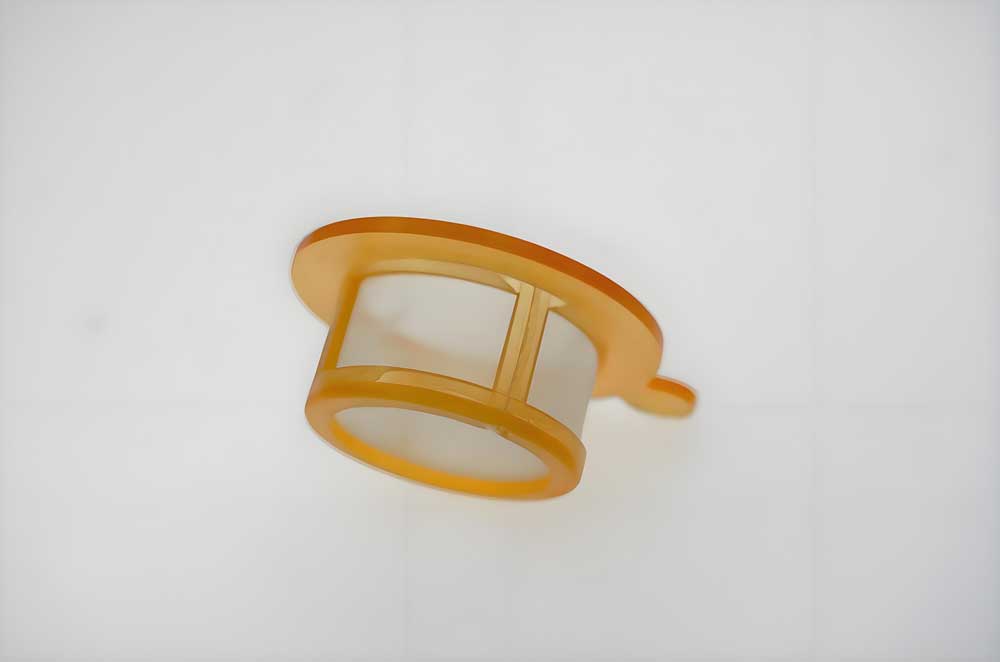
Ucallm Cell Strainers
Consequences of Medium to Large Pore Sizes (e.g., 50 – 150 μm)
Medium to large pore sizes are great for isolating big cell groups in labs. A cell strainer for flow cytometry often uses these sizes for quick sample prep. Keeping cells whole during filtering is key, as the right pore size matters a lot.
Cell Populations Isolated Using These Pores
Larger pores help separate tough cell types, like:
- Peripheral blood mononuclear cells
- Stem cell populations
- Large immune cells
- Tumor cells in suspension
But, smaller or fragile cells might get lost. Knowing the cell strainer definition helps pick the right one for your research.
Considerations for Separation Efficiency and Cell Integrity
Choosing a cell strainer with big pores speeds up your work. Think about:
- Sample volume: Big pores let more cells flow through fast.
- Risk of losing smaller cells: Make sure you’re not missing important cells.
- Instrument compatibility: It’s crucial for working well with flow cytometry tools.
It’s important to balance fast processing with keeping cells intact. Knowing about pore sizes helps you do better research.
Interaction of Cell Characteristics with Pore Sizes
The way cells interact with pore sizes is key to effective filtration. Knowing how cell shape and clumping affect separation helps pick the right strainer mesh size.
Cell Deformability and Its Influence on Pore Passage
Cell deformability is how much a cell can change shape under stress. This is important for choosing the right cell strainer size. Cells that can bend easily pass through smaller pores better, avoiding blockages.
But, cells that are stiff tend to stick together. This makes them too big to go through the filter. It lowers the separation quality and can mess up the results.
Cell Aggregation and the Impact on Separation Outcomes
Cell clumping is a big problem in separation. When cells stick together, they get too big for the strainer. This can make the sample not pure enough.
So, it’s important to think about clumping when planning experiments and picking strainers. Checking how cells clump helps get better separation results.
Strategic Selection of Pore Sizes for Diverse Applications
Choosing the right pore sizes in cell strainers is key for success in research and medicine. It’s important to match the pore size with your research goals. This ensures you get the best results possible.
Aligning Pore Size with Research and Clinical Objectives
When picking a cell strainer, think about the cells you want to isolate. For example, a 100 micron size strainer works well for bigger cells. It lets smaller cells through. This helps improve the quality of your research.
Practical Considerations in Pore-Size Determination
There are other things to think about when choosing pore sizes. Make sure the strainer fits with your lab’s equipment and follows clean protocols. As we learn more about cells and strainers, using these strategies will make your work better and more efficient.
References and further readings:
1.Freimann, R., & Wutz, A. (2017).
A fast and efficient size separation method for haploid embryonic stem cells. Biomicrofluidics, 11(5), 054117.
https://pubs.aip.org/aip/bmf/article/11/5/054117/385419
2.Tomlinson, M. J., Tomlinson, S., et al. (2013).
Cell separation: Terminology and practical considerations. Journal of Tissue Engineering, 4, 2041731412472690.
https://journals.sagepub.com/doi/full/10.1177/2041731412472690
3.SundarRaj, S., Deshmukh, A., Priya, N., et al. (2015).
Development of a system and method for automated isolation of stromal vascular fraction from adipose tissue lipoaspirate. Stem Cells International, 2015, 109353.
https://onlinelibrary.wiley.com/doi/abs/10.1155/2015/109353
FAQ
What is a cell strainer?
A cell strainer is a tool used in labs. It filters cell suspensions by size. This lets smaller cells pass through while keeping larger ones back. It’s key for cell culture and flow cytometry.
What are the different mesh sizes available for cell strainers?
Cell strainers come in various mesh sizes. You can find ultra-small (below 20 μm), small to medium (20-50 μm), and medium to large (50-150 μm) sizes. Each size is for different cell separation needs.
Why is the pore size important when selecting a cell strainer?
The pore size matters a lot. It decides which cells can be separated and kept during filtration. Choosing the right mesh size is key for getting the right cells.
What applications require a cell strainer for 100 microns?
A 100 micron pore size is used for isolating big cell groups. It’s good for keeping cell integrity, especially when quick filtration is needed.
How do cell strainers assist in sterile cell culture?
Sterile cell strainers help keep cell cultures clean and safe. They prevent contamination, making sure results are reliable.
What role does hydrodynamic force play in cell separation?
Hydrodynamic forces help move cells through the strainer. This affects how well cells are separated during filtration.
How can the cell deformability affect the filtration process?
How cells deform affects their ability to pass through the strainer. Softer cells can go through smaller openings. Stiffer cells might struggle, impacting separation.
What should I consider when choosing a cell strainer for flow cytometry?
When picking a cell strainer for flow cytometry, check if the pore size fits your instrument. Also, make sure it won’t damage cells during filtration.
Can cell strainers be reused?
Usually, cell strainers are meant for one-time use to keep things sterile. But, some can be reused if properly sterilized between uses.
What is the significance of using a sterile cell strainer?
Sterile cell strainers prevent contamination. This is crucial for getting accurate results, especially in delicate areas like cell culture and stem cell research.
Leo Bios
Hello, I’m Leo Bios. As an assistant lecturer, I teach cellular and
molecular biology to undergraduates at a regional US Midwest university. I started as a research tech in
a biotech startup over a decade ago, working on molecular diagnostic tools. This practical experience
fuels my teaching and writing, keeping me engaged in biology’s evolution.


Leave a Comment
Your email address will not be published. Required fields are marked *