


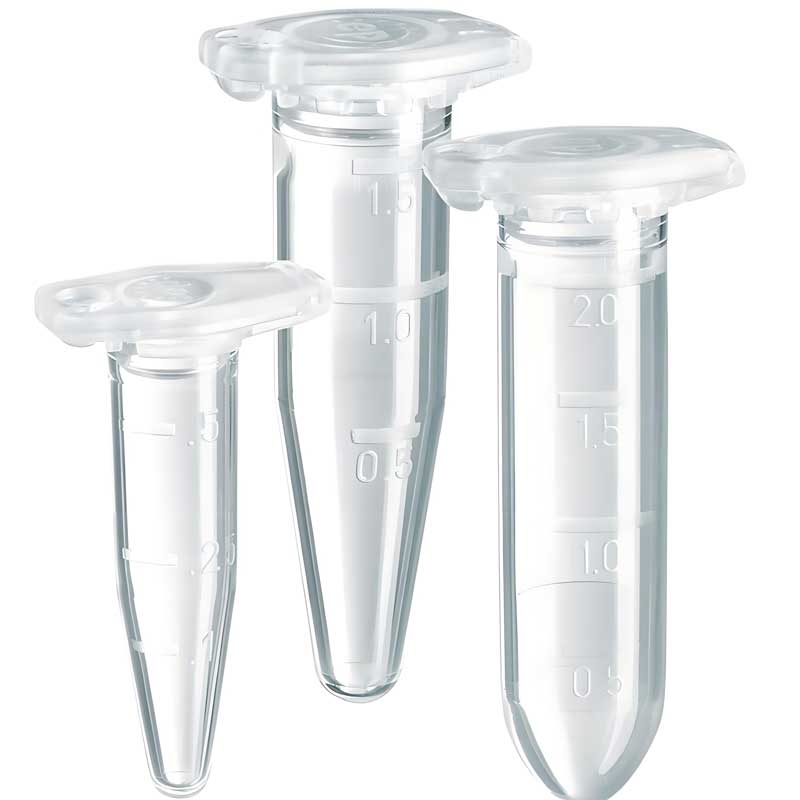
Choosing the right micro centrifuge tube is key for top results in science. It’s important to pick one that fits your lab’s needs. The right tube helps separate and store samples well.
Knowing about different uses, materials, and features is crucial. This guide is for scientists and researchers. It helps them make better choices for their work.
Key Takeaways
- Selecting the appropriate micro centrifuge tube is paramount for experimental success.
- Understanding different applications helps in making informed choices.
- Key features of centrifuge tubes influence their effectiveness in sample handling.
- Material composition can affect the performance and durability of micro centrifuge tubes.
- A well-chosen centrifuge tube contributes to the integrity of biological and chemical samples.
Understanding Micro Centrifuge Tubes
A micro centrifuge tube is key in many scientific studies. It’s used for storing and preparing samples. These small tubes are used in labs to spin down tiny samples, from 0.2 mL to 2.0 mL. They are crucial in fields like molecular biology, biochemistry, and clinical research, especially for DNA work.
What is a Micro Centrifuge Tube?
Micro centrifuge tubes, or microtubes, are made for fast separation of sample parts. Their small size helps researchers work with small amounts efficiently. These tubes are a must-have in labs because they are reliable and versatile.
Key Features of Micro Centrifuge Tubes
- Material Composition: Most are made from polypropylene (PP) or polycarbonate (PC). These materials are strong and resistant to chemicals.
- Closure Types: You can find tubes with screw-caps or snap-caps. Each type offers different levels of sample protection.
- Graduation Markings: Many tubes have clear marks for measuring. This helps with precise measurements in science.
Common Materials Used
Labs often use certain materials for micro centrifuge tubes:
- Polypropylene (PP): Known for being tough, PP can be autoclaved and works well with many chemicals.
- Polycarbonate (PC): This material is clear and strong, but it’s not the best for very hot or cold temperatures.
- Advanced Materials: For special needs, labs might use fluoropolymers. They are very resistant to chemicals and perform well.
Applications of Micro Centrifuge Tubes
Micro centrifuge tubes are key in many fields like clinical labs, research, and biotech. They help handle, store, and analyze samples well. This makes them crucial in many areas.
Use in Clinical Laboratories
In clinical labs, these tubes play a big role. They help with:
- DNA and RNA extraction: Important for genetic tests and diagnosis.
- Serum and plasma preparation: Helps in precise blood component analysis.
Role in Research and Development
In research and development, micro centrifuge tubes are used for many tasks. For example:
- Sample preparation: Helps separate materials for experiments accurately.
- Reagent mixing: Makes sure compounds mix well for tests.
Importance in Biotechnology
In biotechnology, micro centrifuge tubes are vital. They support:
- Protein studies: Key for purification and analysis, helping in drug making.
- Cell culture: Makes managing cell samples for tests easier.
Types of Micro Centrifuge Tubes
It’s important to know the different types of micro centrifuge tubes. This knowledge helps in choosing the right one for your lab. The right choice ensures your samples are stored well and meets your experiment’s needs.
Standard vs. Specialized Tubes
Standard micro centrifuge tubes are good for everyday lab tasks. Specialized tubes are for specific needs. They have features like:
- High-speed operations with a higher RCF rating.
- Tubes for precise temperature ranges to keep samples safe.
Graduated vs. Non-Graduated
Graduated tubes have volume markers for accurate measurements. Non-graduated tubes are simpler and better for large samples where exact measurement isn’t as important.
Low-Profile vs. Regular Tubes
Low-profile tubes are great for shorter centrifugation heights. They are stable and less likely to spill. Regular tubes work well with traditional centrifuges.
| Type | Best Use | Features |
|---|---|---|
| Standard Tubes | General Laboratory Use | Versatile, easy to use |
| Specialized Tubes | Niche Applications | High-speed rated, temperature-specific |
| Graduated Tubes | Accurate Measurement | Volume markings for precision |
| Non-Graduated Tubes | Larger Volume Samples | Simpler design |
| Low-Profile Tubes | Stability During Operation | Shorter height, reduces spills |
| Regular Tubes | Traditional Use | Compatibility with standard rotors |
Selection Criteria for Micro Centrifuge Tubes
When picking micro centrifuge tubes, it’s important to look at a few key things. These include how much they can hold, how well they handle temperature, and if they are clean. All these factors help the tube work well in high-speed spinning.
Capacity Considerations
The size of the tube matters a lot. You need to pick one that fits your sample size. Tubes that are 0.2 mL to 2.0 mL are usually best. This size helps keep samples separate and prevents contamination, which is key for good science.
Temperature Resistance
How well a tube handles temperature is also important. Some tubes can be sterilized at +121°C, which is great for cleaning them. Others can go as cold as -196°C, perfect for very sensitive samples.
Sterility and Contamination
Keeping the tube clean is crucial. This is especially true in biology labs where samples need to be very pure. Look for tubes that are marked as free from RNase and DNase. This ensures your samples stay clean and safe.
| Criterion | Details |
|---|---|
| Capacity | 0.2 mL to 2.0 mL for optimal sample volumes |
| Temperature Resistance | Up to +121°C (autoclavable) and down to -196°C (cryogenic use) |
| Sterility | Must be RNase and DNase-free for molecular biology applications |
Cost vs. Quality Analysis
When it comes to lab supplies, cost and quality matter. Better micro centrifuge tubes often have:
- Higher RCF ratings.
- More thermal resistance for extreme temperatures.
These benefits might make the higher cost worth it, especially in critical experiments.
User Reviews and Feedback
User reviews can show how well tubes perform and last. They cover:
- Leakage issues.
- How easy they are to use.
- Customer satisfaction.

micro-centrifuge-tube
Proper Calibration and Performance
Keeping a micro centrifuge tube accurate and efficient needs constant care. Calibration is key for good sample separation. Always check the manufacturer’s guide for the right settings, especially the tube’s relative centrifugal force (RCF) rating.
Ensuring Accurate Centrifugation
For top performance, the centrifuge must be calibrated right. Regular checks on settings are vital to avoid sample errors. Using the right micro centrifuge tubes reduces risks like tube breakage or sample loss.
Troubleshooting Common Issues
Even with careful calibration, issues can pop up. Problems like overfilling tubes or using wrong rotors can cause trouble. By focusing on these, researchers can get reliable results in their studies.
Routine Maintenance Tips
Keeping micro centrifuge tubes and lab gear in good shape is essential. Clean rotors and tubes after each use to keep things running smoothly. Also, check and adjust centrifuge settings often to ensure reliable results. For more tips on caring for lab equipment, check out this link.
Storage and Handling Guidelines
Storing and handling micro centrifuge tubes right is key for good scientific research. Following the best practices keeps samples safe and meets lab rules.
Recommended Storage Conditions
Keeping micro centrifuge tubes in the right place is important. Store them in a place with a steady temperature to avoid damage. Using stackable storage helps keep things organized and makes labs run smoother.
Best Practices for Handling
Good handling practices prevent contamination, which is crucial for accurate research. Always wear gloves and use the right tools when working with these tubes. Letting tubes warm up to room temperature before spinning helps avoid damage and keeps your lab equipment working well.
Expiration Dates and Reusability
It’s important to check when tubes expire to keep them reliable. Some tubes can be used again if kept sterile, but disposable ones are safer for delicate work. Following these rules helps your lab equipment last longer and work better.
| Aspect | Details |
|---|---|
| Storage Temperature | 2°C to 25°C |
| Humidity Controls | 50% to 70% relative humidity |
| Handling Gloves | Nitrile or latex recommended |
| Equilibration Time | At least 10-15 minutes at room temperature |
| Reusability Protocol | Only if sterile and undamaged |
Environmental Impact of Micro Centrifuge Tubes
The use of micro centrifuge tubes in labs raises big concerns about the environment. Looking into biodegradable options and recycling can make labs more eco-friendly. Many makers now offer biodegradable tubes, which is a big step towards less waste in science.
Biodegradable Tube Options
New biodegradable micro centrifuge tubes help labs reduce their environmental impact. These tubes break down faster than regular plastic, cutting down on waste. By using these, labs can help make the future of research and development greener.
Recycling Practices and Protocols
It’s key for labs to have good recycling practices for plastic tubes. The right recycling methods help turn waste into something sustainable. Labs can recycle by teaming up with experts in managing lab waste.
Regulations in the United States
In the United States, labs must follow rules for disposing of lab equipment and waste. Laws guide labs on how to handle plastic waste responsibly. Knowing these rules helps labs stay green and avoid fines.
Innovations in Micro Centrifuge Tube Design
The world of micro centrifuge tube design is changing fast. This is because scientists need better tools for their work. New material technology is key in these changes. It makes tubes last longer and handle harsh lab conditions better.
Advances in Material Technology
New polymers are making micro centrifuge tubes better. They last longer and work better for many lab tasks. These materials can handle tough conditions, which is what scientists want.
Features Enhancing Usability
Today’s micro centrifuge tubes are easier to use. They are designed to be comfortable to hold, reducing accidents. They also come with smart tech for better tracking and organization. These updates make labs run smoother and keep samples safe.
Future Trends in Design
The future of micro centrifuge tubes will be greener. We’ll see more eco-friendly materials that are still effective. Keeping up with material technology is crucial for labs to stay ahead.
To learn more about the latest in micro centrifuge tubes, check out micro centrifuge tube holder resources. Keeping up with these trends helps choose the right lab tools. It makes research more effective.
Conclusion: Choosing the Best Micro Centrifuge Tube for Your Needs
Choosing the right micro centrifuge tube is key for strong lab work. By looking at material, closure type, and application needs, scientists can improve their work. The best tube keeps samples safe and helps get accurate results.
Think about getting top-notch micro centrifuge tubes for your research. Look at things like how well they handle temperature, if they’re sterile, and if they can get contaminated. These tips help pick the right lab tools for your goals.
We suggest using this guide to make better choices in the lab. Making smart choices leads to better results. It makes sure your use of micro centrifuge tubes follows the best science practices.
References and further readings:
1.Goodman, T. (2008). Choosing the right centrifuge for your application. American Laboratory.
https://www.terrauniversal.com/pub/media/asset-library/c/h/choosing_right_centrifuge.pdf2.Harding, S. E., & Ohlendieck, K. (2018). Centrifugation and ultracentrifugation. In Wilson and Walker’s Principles and Techniques of Biochemistry and Molecular Biology. GyanSanchay.
https://gyansanchay.csjmu.ac.in/wp-content/uploads/2022/05/Centrifugation_Ultracentrifugation-Notes.pdf3.Hu, X., & Zhang, P. (2019). Centrifugation. In Bioprocess Engineering (Chap. 2). CRC Press.
https://www.taylorfrancis.com/chapters/edit/10.1201/9780429466731-2/centrifugation-xing-hu-peng-zhang
FAQ
What are micro centrifuge tubes used for?
Micro centrifuge tubes help separate and store small biological and chemical samples. They are key in molecular biology, biochemistry, and clinical labs.
What materials are commonly used to construct micro centrifuge tubes?
They’re made from polypropylene (PP) for strength and autoclaving, and polycarbonate (PC) for clarity. Some use fluoropolymers for better chemical resistance.
How do I choose the right micro centrifuge tube for my experiments?
Choose based on material, closure type, size, temperature tolerance, and sterility. This ensures they fit your research needs.
Are there specialized micro centrifuge tubes available for specific applications?
Yes, there are tubes for high-speed use, certain temperatures, and designs like graduated tubes. They meet specific lab needs.
What factors can affect the performance of micro centrifuge tubes during use?
Tube overfilling, wrong rotor use, and bad centrifuge settings can harm performance. These affect sample separation.
How should I store micro centrifuge tubes to maintain their integrity?
Store them in a controlled climate to avoid damage. Use stackable containers to keep them organized and sample integrity high.
What are the environmental implications of using micro centrifuge tubes?
Using them can harm the environment. Look for biodegradable options and recycle to reduce plastic waste in labs.
Are there innovations in micro centrifuge tube design that I should be aware of?
Yes, new polymers for durability, smart tracking, and ergonomic designs are emerging. These improve handling and reduce errors.
How can I ensure the sterility of micro centrifuge tubes?
Choose tubes that are RNase and DNase-free. Use sterile disposable options for sensitive work to avoid contamination.
What should I check regarding expiration dates for micro centrifuge tubes?
Always check expiration dates to ensure reliable results. Disposable tubes are safer for sensitive work by avoiding contamination.
Leo Bios
Hello, I’m Leo Bios. As an assistant lecturer, I teach cellular and
molecular biology to undergraduates at a regional US Midwest university. I started as a research tech in
a biotech startup over a decade ago, working on molecular diagnostic tools. This practical experience
fuels my teaching and writing, keeping me engaged in biology’s evolution.



Leave a Comment
Your email address will not be published. Required fields are marked *