



At its core, a vacutainer is a sterile tube engineered with a unique vacuum seal that enables precise blood volume collection. The colored rubber stopper indicates specific test requirements, allowing medical professionals to quickly identify the appropriate tube for different diagnostic needs.
Key Takeaways
- Vacutainers are specialized blood collection tubes used in medical diagnostics
- The system ensures standardized and safe blood sample collection
- Color-coded stoppers help identify specific test requirements
- Vacutainers minimize contamination risks during specimen handling
- These tubes support accurate and efficient laboratory testing
Overview of Vacutainers
Vacutainer tubes represent a critical innovation in the field of medical diagnostics and blood collection. These specialized containers have revolutionized the way healthcare professionals collect, transport, and process blood samples using an evacuated blood collection system.
Blood collection requires precision and reliability. Vacutainer tubes provide a standardized approach that ensures sample integrity and minimizes potential contamination during medical testing.
Definition and Core Purpose
A vacutainer tube is a sterile glass or plastic container designed specifically for blood specimen collection. These tubes come with unique characteristics that make them essential in modern medical practice:
- Preset vacuum for precise blood volume collection
- Various chemical additives for different test requirements
- Color-coded identification for easy sorting
- Safety-engineered stoppers to prevent accidental exposure
Key Features of Vacutainer Tubes
The design of vacutainer tubes addresses multiple critical aspects of blood sample management:
- Sterility: Each tube is individually sealed and sterilized
- Volume Control: Vacuum technology ensures consistent blood draw
- Preservation: Specialized additives maintain sample quality
- Versatility: Compatible with various laboratory analysis techniques
Healthcare professionals rely on these evacuated blood collection system containers to maintain sample reliability and support accurate diagnostic processes.
Components of a Vacutainer
Understanding the intricate components of a vacutainer system is crucial for healthcare professionals working with vial for blood samples and venipuncture supplies. Each element plays a critical role in ensuring accurate and safe blood collection.
Tube Construction and Materials
Vacutainer tubes are engineered with precision, typically constructed from two primary materials:
- Glass tubes: Preferred for chemical stability and minimal sample contamination
- Plastic tubes: Lightweight and shatter-resistant, ideal for dynamic medical environments
Advanced Needle Design
The needle represents a critical component in the venipuncture supplies ecosystem. Modern vacutainer needles feature sophisticated safety mechanisms:
- Double-ended design for efficient blood collection
- Protective rubber coating to prevent blood leakage
- Integrated safety shields to minimize accidental needle sticks
| Tube Material | Key Characteristics | Primary Use |
|---|---|---|
| Glass | Chemical inert, precise measurements | Specialized clinical testing |
| Plastic | Lightweight, durable | Routine blood draws |
Medical professionals rely on these specialized vial for blood samples to ensure accurate diagnostic results and patient safety.
How Vacutainers Work
Vacuum blood collection is a sophisticated medical procedure that revolutionizes blood draw supplies and sample management. The intricate design of vacutainers enables precise and efficient blood collection with minimal patient discomfort.
The core mechanism of vacutainer systems relies on a clever engineering principle that simplifies blood extraction. When a healthcare professional prepares to collect a sample, several key steps ensure accurate and safe collection.
The Blood Collection Process
Blood draw supplies play a critical role in this precise procedure. The vacutainer system operates through a unique vacuum-sealed mechanism:
- A specialized needle punctures the tube’s rubber cap
- The pre-evacuated tube creates a negative pressure environment
- Blood flows naturally into the tube without manual suction
- The vacuum stops automatically when the tube reaches its designated volume
Sample Preservation Techniques
Different vacutainer tubes contain specific chemical additives designed to maintain sample integrity. These additives prevent cellular degradation and ensure accurate diagnostic results.
Medical professionals select tubes based on:
- Required diagnostic tests
- Specific preservation needs
- Anticipated laboratory analysis
By understanding vacuum blood collection techniques, healthcare providers can optimize sample quality and diagnostic accuracy.
Types of Vacutainers
Vacutainer tubes are critical vein access devices that play a crucial role in medical diagnostics. These specialized containers come in various types, each designed to meet specific laboratory testing requirements. Understanding the different vacutainer tubes helps healthcare professionals collect and preserve blood samples accurately.
Medical laboratories rely on a sophisticated color-coding system to identify different vacutainer tubes quickly and efficiently. This system ensures precise sample handling and prevents potential errors during testing.
Color-Coded Tube Classification
The color of a vacutainer tube’s cap provides critical information about its contents and intended use. Here’s a breakdown of common tube colors:
- Red-top tubes: Used for serum chemistry tests
- Lavender-top tubes: Contain EDTA for hematology studies
- Green-top tubes: Contain heparin for plasma testing
- Blue-top tubes: Designed for coagulation studies
Specialty Tubes for Precise Testing
Advanced vein access devices now include specialized vacutainer tubes for unique diagnostic needs. These tubes support complex medical research and specialized testing protocols.
- Trace element analysis tubes
- Molecular diagnostic collection tubes
- Pediatric blood collection tubes
- Microbiological culture tubes
Selecting the appropriate vacutainer tube is essential for maintaining sample integrity and ensuring accurate test results. Laboratory professionals must carefully match tube types with specific diagnostic requirements.
Applications of Vacutainers
Vacutainers represent a critical innovation in blood collection tubes and phlebotomy equipment, serving multiple essential roles across healthcare and research environments. These specialized containers have transformed how medical professionals collect, preserve, and analyze blood samples.
The versatility of vacutainers extends across various critical domains, making them indispensable in modern medical practice.
Healthcare and Medical Settings
In clinical environments, blood collection tubes play a pivotal role in diagnostic procedures. Healthcare professionals rely on vacutainers for:
- Routine blood screenings
- Comprehensive metabolic panels
- Emergency medical assessments
- Chronic disease monitoring
Each vacutainer is precisely engineered to maintain sample integrity, ensuring accurate test results and reliable patient diagnostics.
Research Purposes
Research institutions leverage phlebotomy equipment like vacutainers for groundbreaking scientific investigations. Their standardized design supports:
- Large-scale clinical trials
- Genetic research studies
- Biobanking initiatives
- Epidemiological investigations
The precision of blood collection tubes enables researchers to collect, store, and analyze samples with unprecedented consistency and reliability.
Advantages of Using Vacutainers
Vacutainers represent a critical innovation in blood draw supplies, revolutionizing the way healthcare professionals collect and process blood samples. These specialized evacuated blood collection systems offer numerous benefits that streamline medical diagnostics and patient care.
The primary advantages of vacutainers extend across multiple critical areas of medical practice:
- Enhanced safety for healthcare workers
- Consistent sample quality
- Reduced risk of contamination
- Efficient blood collection process
Safety Considerations
Blood draw supplies like vacutainers provide significant safety improvements for medical professionals. The sealed system minimizes direct contact with blood, dramatically reducing the risk of accidental exposure to bloodborne pathogens.
Efficiency in Blood Collection
The evacuated blood collection system allows for rapid, precise sample collection. Medical professionals can quickly draw multiple tubes with minimal patient discomfort.
| Collection Aspect | Vacutainer Advantage |
|---|---|
| Draw Time | 30-50% faster than traditional methods |
| Sample Integrity | Reduced hemolysis risk |
| Tube Variety | Multiple specialized tubes available |
Key benefits include standardized collection techniques, minimized pre-analytical errors, and improved overall laboratory efficiency.
Disadvantages of Vacutainers
While vacutainers are widely used in venipuncture supplies, they are not without potential challenges. Understanding these limitations helps healthcare professionals make informed decisions when selecting vials for blood samples.
Vacutainer systems present several noteworthy drawbacks that can impact blood collection efficiency:
- Vacuum degradation over time
- Potential sample contamination
- Limited blood volume collection
- Storage sensitivity
Potential Issues in Blood Collection
One critical limitation of vacutainers is vacuum loss. As tubes age, the internal vacuum weakens, potentially preventing proper blood draw. This issue can compromise sample integrity and require multiple collection attempts.
Alternative Collection Methods Comparison
Comparing vacutainers with alternative venipuncture supplies reveals nuanced differences. Syringe-based collection might offer more flexibility for patients with challenging venous access, while vacutainers remain superior for standardized testing protocols.
| Collection Method | Pros | Cons |
|---|---|---|
| Vacutainer | Standardized collection | Potential vacuum degradation |
| Syringe | Flexible volume collection | Manual transfer required |
Selecting the appropriate vial for blood samples depends on specific clinical requirements, patient characteristics, and laboratory protocols.
Selecting the Right Vacutainer
Choosing the appropriate blood collection tubes is crucial for accurate medical diagnostics and research. Phlebotomy equipment requires careful selection to ensure reliable sample collection and preservation. The right vacutainer can make a significant difference in test results and patient care.
When selecting blood collection tubes, multiple critical factors come into play. Medical professionals must consider several key aspects to guarantee optimal sample integrity.
Factors to Consider
- Sample Volume Requirements: Different tests demand specific blood volumes
- Necessary Additives or Anticoagulants
- Specific Test Protocols
- Storage and Transportation Conditions
- Preservation Time Needed
Common Use Cases
Different phlebotomy equipment serves unique diagnostic purposes. Understanding the appropriate tube for each test prevents sample contamination and ensures accurate results.
| Tube Color | Test Type | Primary Use |
|---|---|---|
| Red | Serum Chemistry | Metabolic Panels |
| Lavender | Hematology | Complete Blood Count |
| Green | Plasma Testing | Hormone Studies |
Medical professionals must follow standardized protocols when collecting multiple tubes to prevent cross-contamination. The order of draw is critical in maintaining sample integrity and ensuring diagnostic accuracy.
Maintenance and Handling
Proper maintenance of blood draw supplies and vein access devices is critical for ensuring accurate medical testing and patient safety. Vacutainers require careful handling to preserve their integrity and prevent contamination or sample degradation.
When managing blood collection equipment, healthcare professionals must follow specific storage and handling protocols to maintain sample quality.
Proper Storage Conditions
Effective storage of vacutainers involves several key considerations:
- Maintain consistent room temperature between 15-25°C
- Keep away from direct sunlight
- Store in a clean, dry environment
- Avoid extreme humidity or temperature fluctuations
Disposal Guidelines
Safe disposal of used blood draw supplies requires strict adherence to safety protocols:
- Use puncture-resistant sharps containers
- Wear appropriate personal protective equipment
- Follow institutional biohazard waste management procedures
- Never recycle or reuse vein access devices
Tip: Always check the expiration date on vacutainer tubes before use to ensure maximum reliability of blood samples.
Proper maintenance of vein access devices not only protects healthcare workers but also guarantees the highest quality diagnostic results for patients.
Innovations in Vacutainer Design
The world of evacuated blood collection systems continues to evolve rapidly, bringing groundbreaking technological advancements to venipuncture supplies. Modern laboratories and medical facilities are witnessing transformative innovations that enhance precision, safety, and efficiency in blood sample collection.
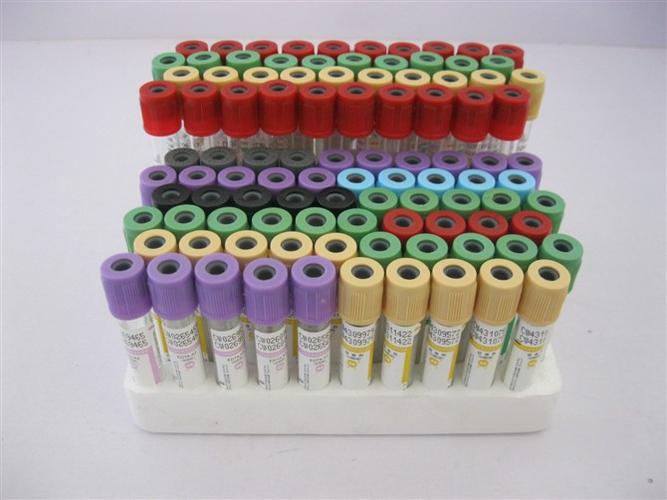
Vacutainer tube
Recent developments in vacutainer technology have focused on several key areas of improvement:
- Advanced material composition for increased durability
- Enhanced digital tracking capabilities
- Smart labeling technologies
- Automated sample handling systems
Emerging Technological Breakthroughs
The latest evacuated blood collection system designs incorporate cutting-edge features that address critical healthcare challenges. Manufacturers have developed break-resistant plastics and specialized barrier coatings that protect sample integrity during collection and transportation.
Future Trends in Blood Collection
Emerging trends in venipuncture supplies demonstrate a significant shift towards more intelligent and integrated solutions. Key innovations include:
- Digital Integration: Microchipped tubes with real-time tracking
- Automated Processing: Smart systems that streamline sample management
- Precision Engineering: Nano-engineered tube surfaces for improved sample preservation
These technological advancements promise to revolutionize blood collection methods, offering healthcare professionals more reliable, efficient, and precise diagnostic tools.
Conclusion
Vacutainers have revolutionized blood collection tubes, becoming an essential tool in medical diagnostics and research. These specialized containers represent a critical advancement in healthcare technology, ensuring precise and safe sample collection across various medical settings. Understanding what is a vacutainer provides insight into the sophisticated process of medical specimen management.
The significance of blood collection tubes extends far beyond simple sample storage. Developed countries have widely adopted vacutainers due to their unparalleled safety features and standardized collection protocols. Medical professionals rely on these precision instruments to maintain sample integrity, reduce contamination risks, and streamline diagnostic processes across multiple healthcare disciplines.
As medical technology continues to evolve, vacutainers remain at the forefront of diagnostic innovation. Their design continues to improve, addressing complex medical research and clinical testing requirements. Researchers and healthcare providers can expect ongoing advancements that will further enhance the efficiency and reliability of blood sample collection techniques.
The future of medical diagnostics will undoubtedly be shaped by continued refinements in vacutainer technology. By prioritizing safety, accuracy, and user-friendly design, these remarkable blood collection tubes will continue to play a pivotal role in advancing medical science and patient care.
References and further readings:
1.Bowen, R. A. R., & Remaley, A. T. (2014).
Interferences from blood collection tube components on clinical chemistry assays. Biochemia Medica, 24(1), 31–44.
https://hrcak.srce.hr/file/171135
2.Lippi, G., Banfi, G., Church, S., Cornes, M., Grankvist, K., Kristensen, G., & Nybo, M. (2015).
Preanalytical quality improvement: In quality we trust. Clinical Chemistry and Laboratory Medicine, 53(2), 229–241.
https://www.degruyter.com/document/doi/10.1515/cclm-2014-0889/html
3.Lippi, G., & Plebani, M. (2012).
Preanalytical phase—a continuous challenge for laboratory professionals. Clinical Chemistry and Laboratory Medicine, 50(7), 1115–1117.
https://www.degruyter.com/document/doi/10.1515/cclm-2012-0302/html
4.Simundic, A. M., Church, S., Cornes, M. P., Grankvist, K., Lippi, G., Nybo, M., & Verna, R. (2018).
Stability of blood specimens for laboratory testing—A joint project of the EFLM Working Group for Preanalytical Phase (WG-PRE) and the Latin America Confederation of Clinical Biochemistry (COLABIOCLI). Clinical Chemistry and Laboratory Medicine, 56(5), 718–727.
https://www.degruyter.com/document/doi/10.1515/cclm-2017-1142/html
FAQ
What exactly is a vacutainer?
A vacutainer is a specialized blood collection device that uses a pre-evacuated tube with a vacuum seal to collect blood samples efficiently and safely. It consists of a sterile tube, rubber stopper, and is designed to draw a precise volume of blood without manual suction during the venipuncture process.
How do vacutainer tubes differ from each other?
Vacutainer tubes are distinguished by their color-coded stoppers, which indicate the specific additives or treatments inside the tube. Each color represents a different purpose, such as serum separation, anticoagulation, or specialized testing requirements for various medical diagnostics.
What are the primary advantages of using vacutainers?
The key advantages include standardized blood collection, reduced risk of contamination, precise volume control, enhanced safety for healthcare workers, and compatibility with automated laboratory testing systems. They minimize human error and ensure consistent sample quality across different collection settings.
Are vacutainers safe for all patients?
While generally safe, vacutainers may present challenges for patients with fragile veins or those requiring multiple tube collections. Healthcare professionals must assess individual patient conditions and potentially use alternative collection methods when standard vacutainer techniques might be difficult.
How should vacutainers be stored?
Vacutainers should be stored in a cool, dry environment away from direct sunlight, typically at room temperature. They should be kept in their original packaging, protected from extreme temperatures, and used before their expiration date to maintain sample integrity.
What types of medical tests can be performed using vacutainers?
Vacutainers support a wide range of medical tests, including complete blood counts, chemistry panels, coagulation studies, hormone testing, therapeutic drug monitoring, and specialized molecular diagnostic analyses. Different tube types accommodate various specific testing requirements.
What are the key components of a vacutainer system?
The primary components include the vacuum-sealed tube, rubber stopper, double-ended needle, and holder. Each component plays a crucial role in maintaining sterility, facilitating blood collection, and preventing contamination during the sampling process.
How do technological innovations impact vacutainer design?
Recent innovations focus on improved materials, such as break-resistant plastics, advanced barrier coatings, integrated digital tracking systems, and smart labeling technologies. These developments aim to enhance safety, reduce errors, and improve overall blood collection efficiency.
What precautions should be taken when using vacutainers?
Key precautions include following the correct order of draw, maintaining proper technique during venipuncture, checking tube expiration dates, ensuring proper tube mixing after collection, and adhering to safety protocols to prevent needlestick injuries.
Can vacutainers be used in research settings?
Yes, vacutainers are extensively used in research applications, including clinical trials, biobanking, epidemiological studies, and molecular research. Their standardized design ensures consistent sample collection and reliable comparative analysis across different research environments.
Leo Bios
Hello, I’m Leo Bios. As an assistant lecturer, I teach cellular and
molecular biology to undergraduates at a regional US Midwest university. I started as a research tech in
a biotech startup over a decade ago, working on molecular diagnostic tools. This practical experience
fuels my teaching and writing, keeping me engaged in biology’s evolution.





Leave a Comment
Your email address will not be published. Required fields are marked *