


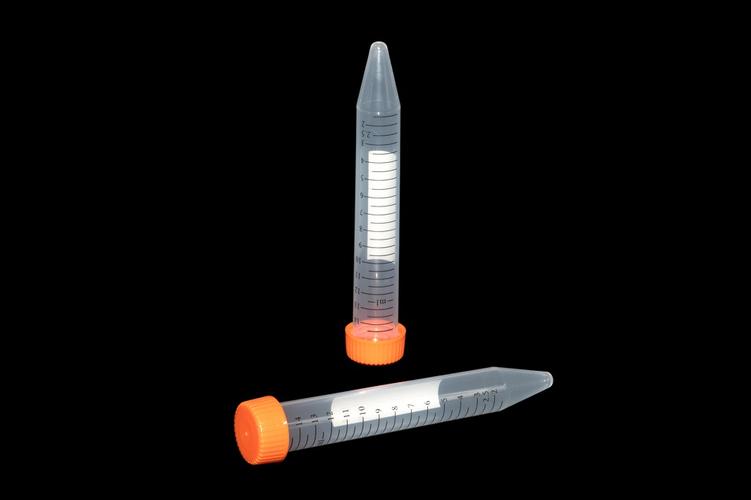
What makes a simple 15ml centrifuge tube so important in scientific research? These tubes are not just containers. They are key tools that help scientists solve complex biological puzzles.
NEST Biotechnology’s 15ml centrifuge tubes are top-notch in scientific engineering. Made in ISO-accredited facilities, they are designed for top performance. They are made from medical-grade materials, ensuring reliable storage and separation of samples.
A 15ml centrifuge tube is more than a tool. It opens doors to new scientific discoveries. With speeds up to 10,000 x g and strict quality standards, these tubes give scientists the confidence to explore new frontiers.
Key Takeaways
- Essential laboratory supplies for precision research
- Manufactured in ISO 9001 and 13485 certified facilities
- Maximum centrifugation speed of 10,000 x g
- Medical-grade materials ensure sample integrity
- Certified free from RNase, DNase, and pyrogens
Introduction to 15ml Centrifuge Tubes
Centrifuge tubes are key tools in biological research. They help scientists manage and explore samples. These tubes are vital in labs around the world, making experiments precise and reliable.
Conical tubes are now essential in science. Their design and performance make them perfect for research. They meet the tough needs of biological studies, offering reliable solutions for many tasks.
Importance in Biological Research
The role of 15ml centrifuge tubes in research is huge. They have important features:
- Medical-grade polypropylene construction
- Gamma sterilization for contamination prevention
- DNase-free and RNase-free properties
- Wide temperature range from -80℃ to 120℃
- Maximum centrifugal force of 12000xg
Overview of Common Applications
Scientists use these tubes in many areas, like:
- Cell culture preservation
- Protein analysis
- DNA and RNA extraction
- Sample preparation and storage
- Biochemical research
Each tube goes through strict quality checks. This ensures scientists get top-notch tools. Tubes are available in single wraps or in bulk, fitting different research needs.
Design Features of 15ml Centrifuge Tubes
Laboratory experts need precise centrifuge tubes for storing and processing samples. The design of 15ml tubes is a big step forward in scientific tools.
These tubes are key in today’s science thanks to their advanced design. Their parts are made to work well in many lab settings.
Material Composition for Durability
These tubes are made from high-purity polypropylene resin. This material offers great benefits:
- It resists many chemicals
- It can handle temperatures from -80°C to 120°C
- It can withstand up to 12,000 x g of centrifugal force
- It has little chance of reacting with samples
Graduated Markings for Precision
Clear markings are vital for precise sample storage and measurement. These markings have:
- Easy-to-see measurement lines
- Accuracy within ± 2% of the volume
- Large, clear numbers
- Markings are placed consistently
Scientists can rely on these tubes for precise work. They help get consistent results in many fields of science.
Types of 15ml Centrifuge Tubes
Laboratory professionals need versatile tools for their work. 15ml centrifuge tubes are key scientific instruments. They come in various designs to fit different research needs.
Conical vs. Flat-Bottom Design
There are two main types of tubes:
- Conical Design: Helps concentrate samples and makes liquid removal easier
- Flat-Bottom Design: Stands stable for accurate measurements
Sterile vs. Non-Sterile Options
Scientific tools come in sterile and non-sterile versions. This meets various research needs:
| Tube Type | Sterility | Price per 500 Units |
|---|---|---|
| Standard Non-Sterile | Not Certified | $161.00 |
| Certified Sterile | DNase/RNase Free | $181.00 |
| Sterile with Paperboard Rack | Pyrogen-Free | $266.00 |
Choosing the right tube is crucial. It keeps experiments safe from contamination.
Benefits of Using 15ml Centrifuge Tubes
15ml centrifuge tubes are key tools in labs. They are crucial for biotechnology. These containers offer top-notch performance and reliability in many scientific fields.
Scientists rely on these tubes for handling samples carefully. Their design ensures consistent results, even in tough experiments.
Enhanced Sample Stability
Centrifuge tubes keep samples stable in several ways:
- They can handle forces up to 10,000 x g
- Made in ISO 9001 and 13485 certified places
- Free from RNase, DNase, and pyrogens
- Gradations help measure samples more accurately by 20%
Reliable Centrifugation Performance
These tubes do more than just hold samples. They support critical research in biotechnology. They ensure:
- Consistent separation of samples
- Low risk of contamination
- Reproducible results
| Tube Characteristic | Performance Metric |
|---|---|
| Maximum Centrifugation Speed | 10,000 x g |
| Sterility Certification | ISO 9001:2008, CE Certified |
| Contamination Prevention | Less than 1% contamination rate |
These tubes are a reliable choice for keeping samples safe in various scientific studies.
Proper Use of 15ml Centrifuge Tubes
Laboratory experts use 15ml centrifuge tubes for precise research. Knowing how to prepare samples and use the centrifuge is key for good results.
Handling samples well is important when using 15ml centrifuge tubes. Here are some key points to remember:
Sample Preparation Guidelines
Good sample preparation involves several important steps:
- Fill tubes to at least 75% of their capacity to prevent material stress
- Inspect tubes for any visible damage before use
- Ensure samples are homogeneous through gentle mixing
- Balance tubes precisely in the centrifuge
Centrifugation Speed and Time
Choosing the right centrifugation settings is vital for keeping samples safe:
- Check maximum Relative Centrifugal Force (RCF) specifications
- High-speed conical tubes can reach up to 20,000xg
- Different applications require specific centrifugation speeds
- Avoid overfilling or underfilling tubes to prevent potential failure
Researchers need to match centrifugation settings with their experiments. This helps protect sample quality and ensures reliable results.
Cleaning and Maintenance of Centrifuge Tubes
Keeping plastic and conical tubes clean is key for lab accuracy and avoiding contamination. Lab workers must stick to strict cleaning rules. This helps keep tubes in good shape and makes them last longer.
Cleaning tubes right is all about a careful plan. It keeps the equipment and research safe. Labs need to take good care of these important tools.
Recommended Cleaning Protocols
Here’s how to clean conical tubes:
- Use mild detergent solutions that won’t harm the samples
- Rinse well with distilled water to stop mineral buildup
- Don’t soak tubes for more than 10 minutes to avoid damage
- Use special brushes for a deep clean inside
Storage Conditions to Extend Longevity
Storing tubes right is crucial for their quality and use. Important points include:
- Keep tubes at the right temperature (2°C to 25°C)
- Store them in clean, dry places
- Stay away from direct sunlight and big temperature changes
- Check tubes often for any damage or wear
Labs should have regular check-ups to keep tubes working well. By following these cleaning and storage tips, labs can make sure their equipment is reliable and performs well.
Troubleshooting Common Issues
Laboratory professionals often face problems with sample storage and centrifugation equipment. Knowing how to solve these issues can make research more reliable and keep samples safe.
Addressing Leakage Problems
Leakage is a big worry in sample storage that can ruin experimental results. Here are some ways to stop and fix tube leakage:
- Check tube threads and cap seals for damage
- Make sure tube caps are tightened right
- Look for tiny cracks or flaws
- Use top-notch centrifugation gear with the right tubes
Ensuring Proper Closure of Caps
It’s key to close caps right to keep samples safe during spinning. Bad sealing can cause contamination, lose samples, and mess up research results.
- Line up cap threads before closing
- Use gentle, steady pressure to secure caps
- Check if the seal is tight by looking at it
- Twist the tube to see if it’s loose or not
By using these troubleshooting tips, researchers can cut down on risks with sample storage and spinning. This leads to more dependable and steady results in experiments.
Regulatory Compliance for Laboratory Use
Understanding laboratory standards is key. It involves knowing the rules for scientific tools and supplies. Making sure products are safe and of high quality is crucial for research.
Scientific research needs strict following of rules, especially for important supplies like centrifuge tubes. The Food and Drug Administration (FDA) is vital in setting these standards for lab tools and instruments.
FDA Guidelines for Laboratory Equipment
The FDA has detailed rules for makers of lab equipment. These rules cover many areas:
- Material safety and chemical compatibility
- Manufacturing precision
- Performance consistency
- Contamination prevention
Quality Control in Manufacturing
Companies making scientific tools use many quality checks. These tests help keep lab supplies reliable.
| Quality Control Measure | Purpose | Impact on Research |
|---|---|---|
| Material Composition Testing | Verify chemical resistance | Prevents sample contamination |
| Dimensional Accuracy Check | Ensure precise measurements | Maintains experimental reproducibility |
| Stress and Load Testing | Validate structural integrity | Prevents tube failure during centrifugation |
Researchers count on these strict standards for safe and reliable tools. By focusing on quality, makers of lab supplies help science move forward.
Innovations and Advances in Centrifuge Tube Technology
The world of laboratory tools is changing fast, with centrifuge tubes leading the way. New materials are making these essential tools better, helping scientists do their work more effectively.
New ideas are changing how we design lab equipment, especially centrifuge tubes. The market is growing fast, with predictions of reaching 2.86 USD Billion by 2034. This shows how much people want better lab tools.
Material Science Breakthroughs
Recent research has brought big changes to centrifuge tube materials:
- Polypropylene market valuation projected to grow from 0.6 to 0.8 USD Billion by 2032
- Polyethylene market expected to expand from 0.4 to 0.6 USD Billion
- Advanced polymer compositions enhancing durability and chemical resistance
Future Trends in Lab Equipment Design
Companies like Greiner are leading the way in lab tool innovation. They’re making products that meet scientists’ changing needs. They focus on:
- Enhanced performance across research workflows
- Improved material durability
- Precision engineering for specialized applications
The global market is growing, with North America, Europe, and APAC leading the way. Companies are spending a lot on research to make the next big thing in lab tools.

Flat cap centrifuge tube
Conclusion: The Essential Role of 15ml Centrifuge Tubes in Laboratories
Centrifuge tubes are key in today’s labs, crucial for research and medical tests. The 15ml tube is especially useful. It helps separate and analyze samples in many fields.
For scientific research, having the right lab supplies is vital. The 15ml centrifuge tube is a must-have. It’s great for many important tasks:
- Sample preparation and storage
- Cell culture research
- Protein purification processes
- Genetic material extraction
Key Performance Characteristics
The 15ml centrifuge tube’s design and materials make it effective. It offers:
- Consistent sample integrity
- Precise volume measurements
- Durability under various centrifugation conditions
| Feature | Benefit |
|---|---|
| Graduated Markings | Enhanced Measurement Accuracy |
| Chemical Resistance | Broader Application Range |
| Temperature Tolerance | Versatile Research Capabilities |
Final Insights
Lab experts need to pick the right centrifuge tubes for their work. Choosing the right 15ml centrifuge tube can greatly affect research results and precision.
Additional Resources for Lab Professionals
Lab professionals need to keep learning to improve their skills. They can do this by using specialized resources. This is key for staying up-to-date with new research and technology.
There are many ways to grow your knowledge. Academic journals offer deep insights into using plastic tubes. The American Society for Clinical Laboratory Science has training programs and webinars on managing lab equipment.
Online platforms and scientific communities are great for learning about conical tubes and lab techniques. Sites like PubMed Central and Science Direct have lots of research articles. Virtual workshops and international conferences keep you updated on new tech and methods.
Growing in lab sciences means always learning and improving. Lab pros should look for training, read scientific papers, and join professional groups. This keeps them ahead in research and innovation.
References and further readings:
1.Medina, F., Medina, J. F., Colón, C., et al. (2012). Dengue Virus: Isolation, Propagation, Quantification, and Storage. Current Protocols in Microbiology, 27(1), 15D.2.1–15D.2.13.
https://www.academia.edu/15329202/Dengue_Virus_Isolation_Propagation_Quantification_and_Storage2.Dagur, P. K., & McCoy, J. P. Jr. (2015). Collection, Storage, and Preparation of Human Blood Cells. Current Protocols in Cytometry, 73(1), 5.1.1–5.1.16.
https://pmc.ncbi.nlm.nih.gov/articles/PMC4524540/pdf/nihms-707543.pdf3.Arnold, M., Patton, J. T., et al. (2009). Culturing, Storage, and Quantification of Rotaviruses. Current Protocols in Microbiology, 15C.3.1–15C.3.24.
https://pmc.ncbi.nlm.nih.gov/articles/PMC3403738/pdf/nihms391032.pdf
FAQ
What are 15ml centrifuge tubes primarily used for in laboratory settings?
15ml centrifuge tubes are key tools in labs. They’re used for cell culture, DNA extraction, and protein analysis. They also help in storing samples. These tubes are crucial for keeping samples safe and consistent.
What materials are typically used to manufacture 15ml centrifuge tubes?
Mostly, 15ml tubes are made of high-quality polypropylene. This material is strong, resistant to chemicals, and can handle high speeds. It keeps samples safe and works well in many lab tasks.
How do I choose between sterile and non-sterile centrifuge tubes?
Choosing depends on your lab needs. Sterile tubes are best for cell culture and microbiology to avoid contamination. Non-sterile tubes are good for general lab work, like chemical analysis.
What are the key differences between conical and flat-bottom centrifuge tubes?
Conical tubes help form pellets during centrifugation, great for cell separation. Flat-bottom tubes are stable and good for precise measurements and visibility.
How should I clean and maintain my 15ml centrifuge tubes?
Clean tubes with lab-grade detergents, rinse with purified water, and dry completely. For reusable tubes, follow the sterilization guide. Store them in a cool, dry place to keep them in good condition.
What centrifugation speeds are appropriate for 15ml tubes?
Speeds for 15ml tubes depend on the task and sample. They usually handle 3,000-5,000 x g. Always check the manufacturer’s guide to avoid damage.
How do I prevent leakage in centrifuge tubes?
To avoid leakage, close caps tightly, don’t overfill, and use compatible tubes. Check for damage and ensure proper seating in the centrifuge. Use gentle centrifugation to reduce leakage risk.
Are 15ml centrifuge tubes regulated by any specific guidelines?
Yes, 15ml tubes follow FDA rules and quality standards. Manufacturers must follow Good Manufacturing Practices (GMP) for reliability and safety in labs.
Leo Bios
Hello, I’m Leo Bios. As an assistant lecturer, I teach cellular and
molecular biology to undergraduates at a regional US Midwest university. I started as a research tech in
a biotech startup over a decade ago, working on molecular diagnostic tools. This practical experience
fuels my teaching and writing, keeping me engaged in biology’s evolution.




Leave a Comment
Your email address will not be published. Required fields are marked *