



Discover the essential functions of a conical flask function in laboratory settings, from mixing solutions to heating substances safely. Learn why it's a vital piece of lab equipment.

Discover the essential function of conical flask in laboratory settings, including mixing, heating, and storing solutions. Learn why this versatile glassware is crucial for experiments

Learn about essential flask use chemistry applications in laboratories, including proper selection for different reactions, measurements, distillation, and safe storage of chemicals and solutions

Learn whether can erlenmeyer flasks be heated safely, what materials they're made from, proper heating techniques, and essential precautions to prevent thermal shock and breakage

Discover why conical flask chemistry remains crucial in labs. Learn essential material rules for safe heating, accurate titrations, and proper handling in chemical experiments.

Discover essential uses of erlenmeyer flask in laboratory settings, from safe chemical mixing to sterile culturing. Learn proper handling and material selection for optimal results.

Discover what are erlenmeyer flask used for in chemistry, from mixing solutions to cell culturing. Learn essential material guidelines for safe and effective lab experiments.

Discover cryopreservation meaning and how this advanced freezing technique preserves living cells, tissues, and organisms at ultra-low temperatures for future medical use

Learn how to clean a burette effectively with step-by-step instructions for maintaining laboratory glassware. Get professional tips for proper cleaning and storage methods.

Discover what cryopreservation means and how this scientific method preserves living organisms at ultra-low temperatures for future revival. Learn about its applications in medicine
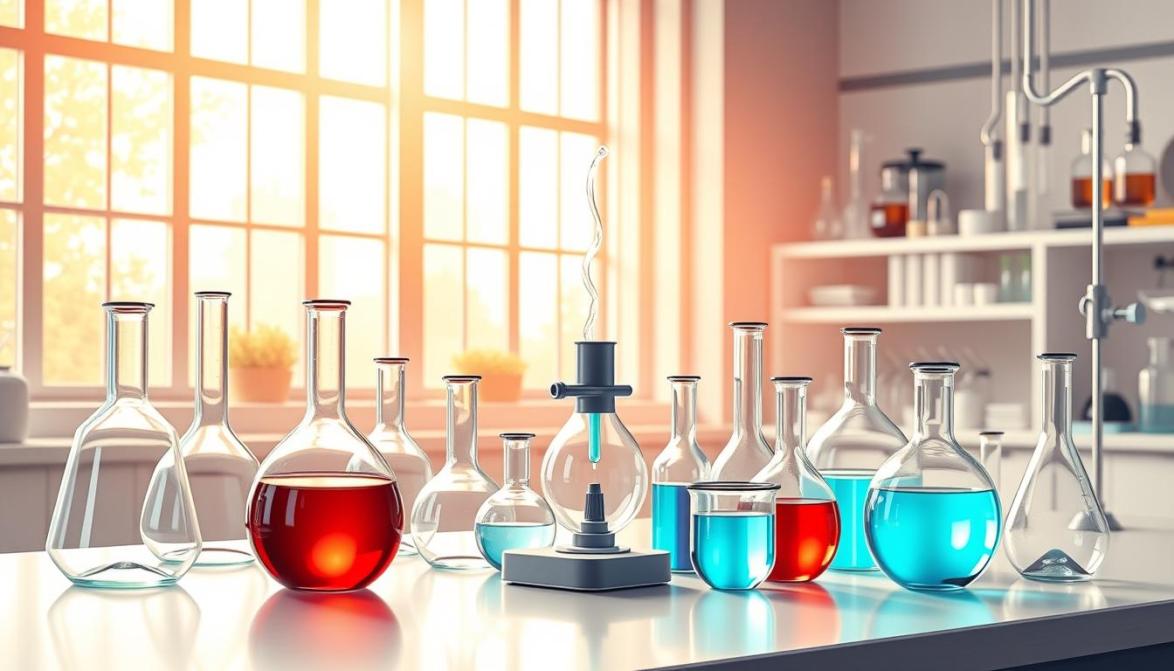
Discover essential flask types chemistry used in laboratory settings. Learn about Erlenmeyer, volumetric, Florence, and round-bottom flasks for accurate experimental procedures

Discover what is a conical flask used for in chemistry labs. Learn about its key features, common applications, and why it's essential for accurate measurements and chemical reactions