


Explain the Process of Tissue Cultures for Cancer Cells

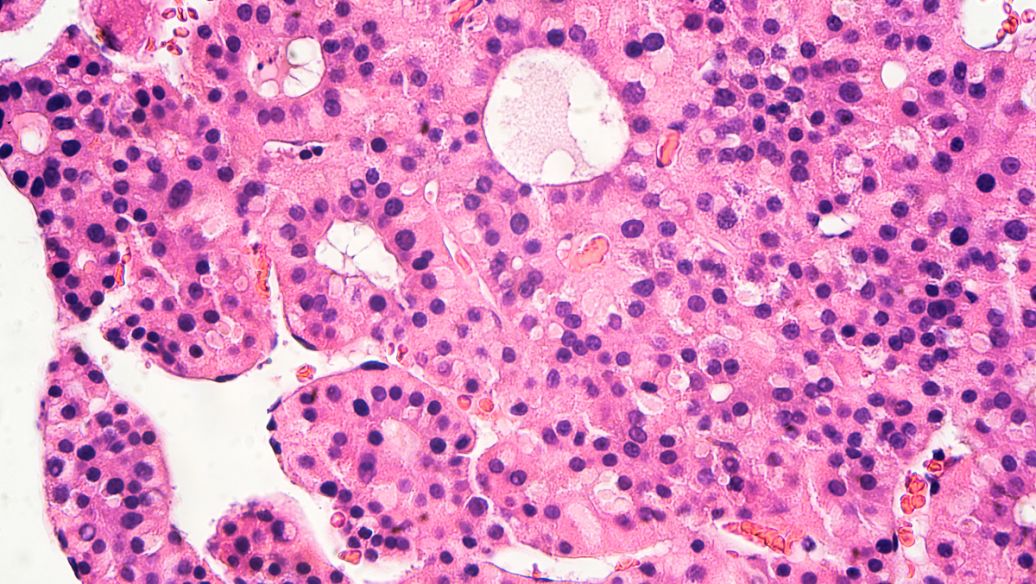
small cell carcinoma liver cancer​

Conclusion

Tissue culture of cancer cells is of utmost importance in cancer research. It enables in – vitro study of cancer cell behavior, which is crucial for understanding cancer mechanisms, screening anticancer drugs, and advancing cancer diagnosis and treatment. By mimicking the in – vivo environment to a certain extent, it provides a platform for scientists to conduct detailed investigations on cancer cells.

Sample Acquisition

Surgical Resection
In many cancer cases, such as breast cancer, tissue samples for culture can be obtained during surgical procedures like lumpectomy or mastectomy. The advantage of this method is the potential to collect a relatively large amount of tissue, which is beneficial for establishing cell lines. However, it is invasive and usually only possible when the patient is already undergoing tumor – related surgery.
Needle Biopsy
This is a less invasive alternative, often used for tumors that are difficult to access surgically or when the patient’s condition does not allow major surgery. For example, in lung cancer, a transthoracic needle biopsy can be performed. A thin needle is inserted into the tumor to extract a small tissue core. The main benefit is its minimal invasiveness, but the sample size may be limited, which can pose challenges in establishing a viable cell culture.
Ethical and Legal Considerations
Any tissue collection must strictly adhere to ethical guidelines and legal regulations. Informed consent from the patient is essential, and all procedures should be approved by institutional review boards. Additionally, proper handling and storage of tissue samples to maintain their integrity and viability are crucial from the moment of collection.

Tissue Preparation

Debridement
Once the tissue sample is obtained, it needs to be cleaned to remove non – cancerous tissue. This includes adipose tissue, blood clots, and connective tissue. Under a dissecting microscope, researchers can visually identify and trim away these unwanted parts. For instance, in a colorectal cancer tissue sample, any attached fat or normal intestinal mucosa is carefully removed.
Mincing
The debrided tissue is then cut into small pieces, typically around 1 – 2 mm³ in size. This increases the tissue’s surface area, making it easier for the subsequent digestion process. Using a sterile scalpel or scissors, the tissue is minced into uniform pieces.
Enzymatic Digestion
To dissociate the tissue into single cells, enzymes are used. Trypsin is a commonly employed enzyme that breaks down the extracellular matrix proteins holding the cells together. Collagenase may also be used, especially for tissues rich in collagen fibers, such as fibrotic tumors. The minced tissue is incubated with the enzyme solution at 37°C for a specific period, which can range from 30 minutes to several hours, depending on the tissue type.
small cell liver cancer​

small cell liver cancer​

Cell Isolation and Purification

Filtration
After enzymatic digestion, the cell suspension is passed through a filter with a pore size of 70 – 100 µm. This removes any remaining large tissue clumps, ensuring that only single cells or small cell aggregates pass through. A cell strainer is a commonly used tool for this purpose.
Centrifugation
The filtered cell suspension is then centrifuged at a low speed, usually around 1000 – 1500 rpm for 5 – 10 minutes. This causes the cells to pellet at the bottom of the centrifuge tube, while the supernatant, which contains the enzyme solution and other debris, can be discarded.
Density Gradient Centrifugation (Optional)
In some cases, to further purify cancer cells from normal cells or immune cells present in the sample, density gradient centrifugation can be utilized. A density gradient medium, such as Ficoll – Paque, is used. The cell suspension is carefully layered on top of the density gradient, and after centrifugation, different cell types separate into distinct bands based on their density. Cancer cells can be collected from the appropriate band, which is usually identified based on their known density characteristics.

Cell Seeding and Culture Initiation

Selection of Culture Vessels
Cell culture vessels come in various types, including culture flasks, multi – well plates, and petri dishes. For initial cell culture, culture flasks are often used. The choice of vessel depends on the scale of the experiment and the expected growth characteristics of the cancer cells. For example, if a large amount of cells is required for subsequent experiments, a T75 or T175 culture flask may be selected.

Culture Vessel
Suitable for
Culture Flasks
General cell culture, especially when a larger volume of cells is needed
Multi – well Plates
High – throughput experiments, such as drug screening
Petri Dishes
Simple cell culture and observation, suitable for smaller – scale studies

Preparation of Culture Medium

The culture medium provides essential nutrients, growth factors, and a suitable environment for cell growth. A basal medium, such as Dulbecco’s Modified Eagle Medium (DMEM) or Roswell Park Memorial Institute 1640 (RPMI – 1640), is commonly used. Supplements are then added, which may include fetal bovine serum (FBS) to provide growth factors, antibiotics (such as penicillin – streptomycin) to prevent bacterial contamination, and glutamine for cell metabolism. The pH of the medium is adjusted to around 7.2 – 7.4, and it is sterilized by filtration before use.
Seeding Density Determination
The appropriate seeding density is crucial for cell growth. If the seeding density is too low, the cells may not receive sufficient signals for growth and may die. If it is too high, the cells may overcrowd and compete for nutrients. For most cancer cells, a seeding density of 1 – 5 x 10⁴ cells/cm² is a common starting point. The number of cells to be seeded is calculated based on the growth area of the culture vessel and the desired seeding density. The cell suspension is then carefully added to the culture vessel containing the pre – warmed culture medium.

Incubation and Culture Maintenance

Temperature Control
Cancer cells are incubated at a temperature that mimics the human body temperature, which is 37°C. An incubator with precise temperature control is used to maintain this constant temperature. Even a slight deviation from this temperature can impact cell growth and viability.
Gas Environment Regulation
The incubator also provides a specific gas environment. A mixture of 5% carbon dioxide (CO₂) and 95% air is commonly used. The CO₂ helps maintain the pH of the culture medium. In addition, some cells may require a humidified environment to prevent the evaporation of the culture medium. The humidity inside the incubator is typically maintained at around 95%.
Medium Change
The culture medium needs to be changed regularly to replenish nutrients and remove metabolic waste products. For adherent cancer cells, the medium is usually changed every 2 – 3 days. The old medium is carefully aspirated from the culture vessel, and fresh, pre – warmed medium is added. For suspension – growing cancer cells, the medium change may involve centrifuging the cell suspension to remove the old medium and then resuspending the cells in fresh medium.

Cell Sub – Culturing

Determination of Sub – Culturing Time
Sub – culturing is necessary when the cancer cells reach a certain degree of confluence. For adherent cells, this is usually when they reach 70 – 90% confluence, meaning that 70 – 90% of the surface area of the culture vessel is covered by cells. At this point, the cells may start to experience nutrient depletion and overcrowding, which can affect their growth rate and phenotype.
Cell Detachment (for Adherent Cells)
To sub – culture adherent cancer cells, they need to be detached from the surface of the culture vessel. Trypsin – EDTA solution is commonly used for this purpose. The old medium is removed, and the cells are washed with a buffer solution, such as phosphate – buffered saline (PBS), to remove any remaining serum, which can inhibit trypsin activity. Then, a small amount of trypsin – EDTA solution is added, and the cells are incubated at 37°C for a short period until they start to round up and detach from the surface. The trypsin reaction is stopped by adding fresh medium containing serum, which contains protease inhibitors.
Cell Counting and Dilution
After detachment, the cell suspension is mixed well, and a sample is taken for cell counting. A hemocytometer or an automated cell counter can be used to determine the number of cells in the suspension. Based on the cell count, the appropriate dilution factor is calculated to achieve the desired seeding density for sub – culturing. The cells are then diluted with fresh medium and seeded into new culture vessels.

Cell Characterization and Analysis

Morphological Observation
Under a microscope, the morphology of the cancer cells can be observed. Cancer cells often have abnormal shapes, larger nuclei, and a higher nucleus – to – cytoplasm ratio compared to normal cells. Changes in cell morphology over time or in response to different treatments can provide valuable information about cell growth, differentiation, and response to drugs.
Growth Rate Assessment
The growth rate of the cancer cells can be determined by counting the number of cells at regular intervals. A growth curve can be plotted, which typically shows a lag phase (when the cells are adjusting to the new environment), a log phase (where the cells are growing exponentially), and a stationary phase (when the cells reach confluence and growth slows down). The doubling time of the cells, which is the time it takes for the cell population to double in number, can be calculated from the growth curve.
Molecular and Genetic Analysis
Techniques such as polymerase chain reaction (PCR) can be used to detect specific gene mutations or changes in gene expression levels. Western blotting can be employed to analyze the expression of proteins related to cancer cell growth, apoptosis, and metastasis. Flow cytometry can be used to analyze the cell cycle distribution of the cancer cells, as well as to detect cell surface markers. These molecular and genetic analyses help in understanding the underlying mechanisms of cancer cell behavior and can also be used to identify potential therapeutic targets.

References and further readings:
1.Kapałczyńska, M., Kolenda, T., Przybyła, W., Zajączkowska, M., Teresiak, A., Filas, V., … & Lamperska, K. (2018). 2D and 3D cell cultures – a comparison of different types of cancer cell cultures. Archives of Medical Science, 14(4), 910–919.
https://www.termedia.pl/Journal/-19/pdf-28752-10?filename=2D%20and%203D.pdf

2.Thoma, C. R., Zimmermann, M., Agarkova, I., Kelm, J. M., & Krek, W. (2014). 3D cell culture systems modeling tumor growth determinants in cancer target discovery. Advanced Drug Delivery Reviews, 69–70, 29–41.
https://www.sciencedirect.com/science/article/abs/pii/S0169409X14000350

3.Kim, J. B. (2005). Three-dimensional tissue culture models in cancer biology. Seminars in Cancer Biology, 15(5), 365–377.
https://www.sciencedirect.com/science/article/pii/S1044579X05000301

FAQ

What are the common challenges in culturing cancer cells?

  • Contamination: Bacterial, fungal, and mycoplasma contamination can easily occur during cell culture, which can affect the growth and behavior of cancer cells. To prevent contamination, strict aseptic techniques should be followed, including working in a laminar – flow hood, using sterile equipment and reagents, and regularly testing for contamination.
  • Difficulty in establishing cell lines: Some cancer cells may be difficult to culture in vitro, and establishing a stable, immortalized cell line can be challenging. Factors such as the origin of the cancer (e.g., some types of cancer may have unique growth requirements), the presence of normal cells in the sample, and the genetic instability of cancer cells can contribute to this difficulty.
  • Phenotypic and genotypic changes: Over time in culture, cancer cells may undergo phenotypic and genotypic changes. This can lead to a divergence from the original tumor characteristics, which may affect the relevance of the cultured cells in representing the in – vivo situation. To minimize these changes, cells should be used at early passage numbers and maintained under optimal culture conditions.

Can cancer cells from different sources be cultured using the same method?

While the general principles of cancer cell culture are similar, different types of cancer cells may have specific requirements. For example, breast cancer cells may have different growth factor requirements compared to lung cancer cells. Some cancer cells may grow better in suspension, while others are adherent. Additionally, the tissue microenvironment from which the cancer cells are derived can influence their culture conditions. So, although the basic steps like sample acquisition, tissue preparation, and cell seeding are common, the specific culture medium composition, seeding density, and sub – culturing intervals may need to be optimized for each type of cancer cell.
How can we ensure the authenticity of cultured cancer cells?
  • Authentication methods such as short tandem repeat (STR) profiling can be used to verify the identity of cultured cancer cells. STR profiling analyzes specific regions of the cell’s DNA to create a unique genetic fingerprint, which can be compared to known profiles of the original cell line.
  • Checking for the presence of cancer – specific markers, both at the protein and gene levels, can help confirm the authenticity of the cultured cells.
  • Regular monitoring of cell morphology and growth characteristics can also provide clues about the integrity of the cell culture. If there are significant deviations from the expected phenotype, further investigation may be warranted.

What is the significance of 3D culture of cancer cells compared to 2D culture?

  • In 2D culture, cancer cells grow on a flat surface, which may not fully mimic the complex in – vivo environment. In contrast, 3D culture systems, such as using hydrogels or scaffolds, allow cancer cells to grow in a more physiologically relevant three – dimensional structure.
  • 3D – cultured cancer cells can better recapitulate cell – cell and cell – extracellular matrix interactions, which are important for understanding tumor growth, invasion, and metastasis.
  • They can also be more representative of the in – vivo drug response, as the diffusion of drugs and nutrients may be different in 3D compared to 2D cultures. This makes 3D culture a valuable tool for more accurate pre – clinical drug screening and cancer research.

How long can cancer cells be cultured in the laboratory?

  • Some cancer cells can be cultured for an extended period, and with proper cryopreservation techniques, they can be stored for years. Immortalized cancer cell lines, which have acquired the ability to divide indefinitely, can be continuously sub – cultured as long as the culture conditions are maintained.
  • However, the growth characteristics and genetic stability of the cells may change over time. For primary cancer cell cultures, which are directly derived from patient tissue, they may have a more limited lifespan in culture, typically several passages, as they are more representative of the original tumor but also more sensitive to changes in the culture environment.

Leo Bios


Hello, I’m Leo Bios. As an assistant lecturer, I teach cellular and
molecular biology to undergraduates at a regional US Midwest university. I started as a research tech in
a biotech startup over a decade ago, working on molecular diagnostic tools. This practical experience
fuels my teaching and writing, keeping me engaged in biology’s evolution.

Leave a Comment

Your email address will not be published. Required fields are marked *
