


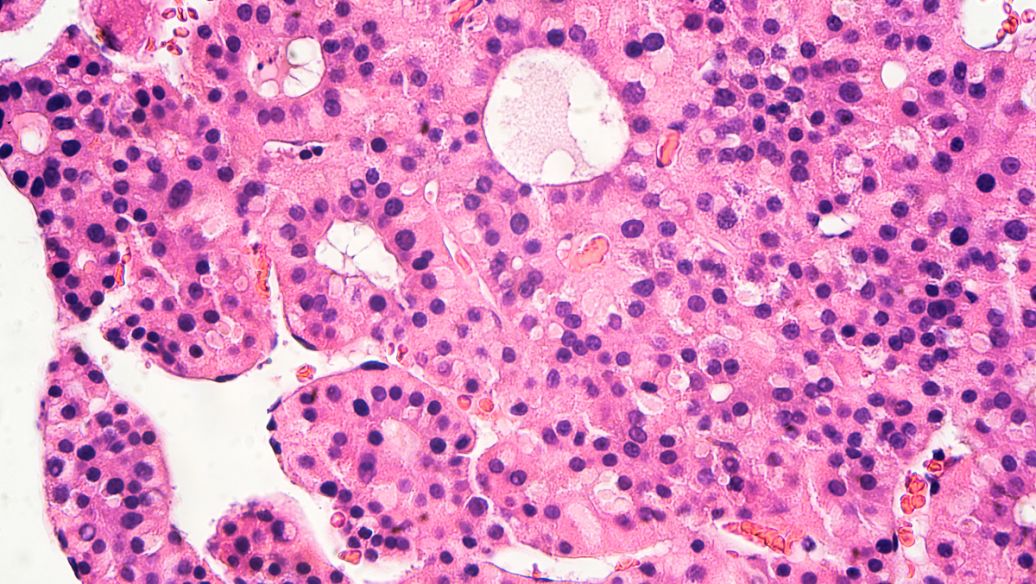
Human hepatocytes have special traits that help with metabolic control and research. They are different from animal liver cells. Their structure and function are complex, helping keep the body balanced and detoxifying harmful substances.
Knowing about human hepatocytes helps us understand liver functions better. It also advances research in treating liver diseases and regenerative medicine.
Key Takeaways
- Human hepatocytes are the main functional units of the liver.
- These liver cells comprise about 80% of liver mass.
- Human hepatocytes play critical roles in metabolic homeostasis.
- They are key players in detoxifying harmful substances.
- The unique characteristics of these cells are essential for hepatocyte research.
Overview of Human Hepatocytes
Human hepatocytes are the main cells of the liver. They are crucial for many important liver functions. These cells make up to 80% of the liver and are key in many body processes.
Definition and Importance
Human hepatocytes are special cells that are vital for our health. They help with metabolism, detoxification, and making bile. Studying these cells is important for understanding liver diseases and finding new treatments.
Role in Liver Function
The liver works well because of human hepatocytes. These cells do many important jobs, including:
- Metabolic Balance: They help control sugar levels and keep energy balanced.
- Toxin Removal: They break down harmful substances and drugs to keep us healthy.
- Bile Secretion: They make bile acids, which help with digestion and breaking down fats.
Differences from Animal Hepatocytes
Human hepatocytes are different from animal cells in many ways. These differences affect research and treatments. Some main differences are:
- Metabolic Pathways: They have different enzymes that affect how they process drugs.
- Cell Signaling Mechanisms: They respond differently to hormones and growth factors.
- Sensitivity to Diseases: They are more sensitive to certain diseases, making them important for research.
Structural Characteristics of Hepatocytes
Hepatocytes have unique features that help them play a key role in liver function. By understanding their structure, organization, and cytoplasm, we see how they carry out vital metabolic tasks. These tasks are crucial for our overall health.
Cell Structure and Organization
Hepatocytes are usually cuboidal in shape, measuring 20 to 30 μm in diameter. They have one or two central nuclei, which control cell activities. This structure helps them organize well within the liver.
Intercellular Connections
Hepatocytes form plates separated by spaces. This setup boosts nutrient exchange between blood and liver cells. It’s key for detoxification. These connections help hepatocytes work together for liver health.
Cytoplasmic Features of Hepatocytes
The cytoplasm of hepatocytes is packed with organelles like endoplasmic reticulum, mitochondria, and Golgi apparatus. These organelles are vital for protein and lipid synthesis. They make hepatocytes a major player in metabolism and detoxification.
Functional Characteristics of Hepatocytes
Hepatocytes are the main cells in the liver. They are very good at keeping the body’s chemistry balanced. They help with many important tasks that keep us healthy.
Metabolic Functions
Hepatocytes help with lipid metabolism. They make cholesterol and bile salts. They also store glycogen for energy. These jobs help control how much energy we use and keep it balanced.
Detoxification Processes
Detoxifying is a key job of hepatocytes. They break down drugs and harmful substances. They turn ammonia into urea, which we can easily get rid of. This shows how important they are for keeping us safe.
Protein Synthesis and Secretion
Hepatocytes are also great at making proteins. They make over 10 grams of albumin every day. They also make proteins for blood clotting and carrying things in the blood. Their protein-making skills are very important for our body’s functions.
Hepatocyte Regeneration
Learning about hepatocyte regeneration helps us understand how the liver heals. The liver can heal itself in amazing ways, which is key when it’s damaged. By looking into how this healing works, we see how important it is for the liver’s health.
Mechanisms of Regeneration
Hepatocyte regeneration is a complex process. When the liver gets hurt, its cells start to grow back. This growth is driven by special signals and pathways that keep the liver healthy.
Factors Influencing Regeneration
Many things can change how well the liver can heal, including:
- Age: Older people might not heal as well.
- Overall Health: Being sick can make it harder to recover.
- Growth Factors: Certain factors help the liver grow back faster.
The condition of the damaged liver can also affect how well it heals.
Clinical Implications of Regeneration
Knowing about hepatocyte regeneration is very important for doctors. It helps them find new ways to treat liver diseases like cirrhosis and acute liver failure. This research could lead to better treatments and help people with liver problems get better.
Hepatocytes and Disease
Diseases have a big impact on hepatocytes, changing how they work and the health of the liver. It’s important to know how different conditions affect these cells to help with liver health issues.
Impact of Viral Infections
Viral infections, like hepatitis, are a big threat to hepatocytes. They can cause inflammation, leading to cell death and a drop in liver function. Long-term viral infection can cause fibrosis, making the disease’s impact on hepatocytes even bigger.
Fatty Liver Disease
Fatty liver disease, or NAFLD, happens when fat builds up in hepatocytes. This disrupts their normal work, causing stress and poor liver function. As it gets worse, the disease’s impact on hepatocytes grows, showing why early action is key.
Cirrhosis and Liver Failure
Cirrhosis is the final stage of liver disease, caused by long-term damage to hepatocytes. This damage often comes from toxins or viruses. Cirrhosis can lead to liver failure, showing how vulnerable hepatocytes are to damage. Managing the disease well is crucial to avoid permanent damage and lower liver failure risks.

Human Hepatocytes
Hepatocyte Isolation Techniques
Getting hepatocytes right is key for liver cell culture research. The quality of primary human hepatocytes greatly affects results. There are several ways to get these cells, each with its own pros and cons.
Methods for Isolation
Collagenase digestion is a top choice for getting hepatocytes. It helps get cells in good shape, making them work like they do in the body. Other methods, like mechanical disruption, can also work, but they might not be as good.
Comparison of Techniques
| Method | Yield | Viability | Notes |
|---|---|---|---|
| Collagenase Digestion | High | Excellent | Standard for obtaining primary human hepatocytes |
| Mechanical Disruption | Moderate | Variable | Less commonly used; risk of cell damage |
| Magnetic Cell Sorting | Variable | Good | Useful for specific cell types |
Importance of Quality Isolation
Keeping hepatocytes working well is vital for in vitro studies. Good isolation means cells stay alive longer and work better. This lets researchers do more accurate and useful tests. For more info, check out this resource.
Human Hepatocytes in Research
Human hepatocytes are key in modern biomedical research. They help scientists study liver functions and diseases. This section looks at three main uses: in vitro studies, drug metabolism, and disease modeling.
In Vitro Studies and Applications
In vitro studies use human hepatocytes to test liver function and diseases. These studies give insights into biological processes and new treatments. They are crucial for understanding the liver.
Drug Metabolism Studies
Human hepatocytes are vital for testing new drugs. They help find out if drugs are safe and work well. This is important for making drugs safer and more effective.
Disease Modeling
Human hepatocytes help create models of liver diseases. These models help scientists understand liver diseases better. They also help find new ways to treat liver diseases.
Therapeutic Applications of Hepatocytes
Hepatocytes are making big strides in medicine. They show great promise in treating liver diseases. New ways to use these cells are being explored, like liver regeneration and cell transplantation.
Also, liver-on-a-chip models are being developed. These models use human hepatocytes to test drugs and understand liver diseases better. They offer a new way to treat patients.
Cell Therapy Approaches
Scientists are working on using hepatocytes to fix damaged livers. This could lead to new treatments for liver problems. They are studying how these cells grow to find better ways to repair the liver.
Hepatocyte Transplantation
Hepatocyte transplantation might save lives in cases of liver failure. Early tests show that transplanted cells can work well in the liver. The success of this depends on how well the cells take and grow in the new liver.
Developing Liver-on-a-Chip Models
Liver-on-a-chip models are a new tool in medicine. They use human hepatocytes to test drugs and study liver diseases. These models are more accurate and faster than old methods.
They help in finding better treatments for patients. For more information, check out this research.
Comparative Analysis: Human vs. Animal Hepatocytes
It’s important to know the differences and similarities between human and animal hepatocytes. They both play key roles in our bodies, but they are not the same. This affects how we do research and use them in medicine.
Similarities and Differences
Human and animal hepatocytes do similar things, like cleaning toxins and making proteins. But, they have different ways of doing things. Human cells have special enzymes that animal cells don’t.
This means the human liver works differently when it comes to drugs. It’s a big deal for studying how drugs work in our bodies.
Advantages of Human Hepatocytes in Research
Using human hepatocytes in research has big benefits. They help us understand human diseases better. This is because they act like human cells, which is key for studying drug effects and diseases.
By using special setups, like low attachment cell culture plates, we can grow human cells better. This helps us get more accurate results in our research.
Ethical Considerations
There are big ethical questions when it comes to using human hepatocytes. We need to make sure we get them in the right way. It’s all about doing the right thing while still helping science move forward.
By being careful, we can make sure our research is both useful and ethical. This helps us find better treatments for diseases.
Future Directions in Hepatocyte Research
The field of hepatocyte research is changing fast, thanks to new tech and a better understanding of liver biology. These changes could lead to better treatments for liver diseases. This could change how we treat liver problems in the future.
Emerging Technologies
New tools in bioengineering and stem cell tech are changing the game. They help create better models of hepatocytes. These models are key for testing drugs and understanding diseases.
By making these cells better, we can improve their health and function. This is important for making new treatments.
Potential for Gene Editing
Gene editing, like CRISPR, is very promising for treating genetic liver diseases. It lets us fix genes that cause liver problems. This could open up new ways to treat diseases and even lead to personalized medicine.
Innovative Therapeutics for Liver Disease
New treatments for liver diseases are on the horizon. They will use advanced techniques like cellular reprogramming. These treatments aim to fix the root causes of liver problems, not just the symptoms.
With a focus on treatments tailored to each person, the future of liver research looks bright. We can expect better results for patients.
References and further readings:
1.Müsch, A. (2014). The unique polarity phenotype of hepatocytes. Experimental Cell Research, 328(2), 276–283.
https://www.sciencedirect.com/science/article/abs/pii/S0014482714002341?via%3Dihub2.LeCluyse, E. L., Alexandre, E., & Hamilton, G. A. (2005). Isolation and culture of primary human hepatocytes. In Basic Cell Culture Protocols (pp. 207–229). Humana Press.
https://link.springer.com/protocol/10.1385/1-59259-838-2:2073.Olsavsky, K. M., Page, J. L., Johnson, M. C., et al. (2007). Gene expression profiling and differentiation assessment in primary human hepatocyte cultures. Toxicology and Applied Pharmacology, 222(1), 42–56.
https://www.sciencedirect.com/science/article/abs/pii/S0041008X07001706?via%3Dihub
FAQ
What are human hepatocytes?
Human hepatocytes are the main cells of the liver, making up about 80% of it. They help keep the body’s metabolism balanced, make proteins, and clean out harmful stuff.
How do human hepatocytes differ from animal hepatocytes?
Human hepatocytes have unique ways of working compared to animal cells. This makes them key for research and treatments that are specific to humans.
What are the main functions of hepatocytes?
Hepatocytes do many important jobs. They help control metabolism, clean the body, make bile, and produce proteins. All these are crucial for the liver to work right.
What is the significance of hepatocyte regeneration?
Regrowing hepatocytes is vital for fixing the liver after it gets hurt. They can start growing again, but this depends on things like age and certain growth factors.
What diseases impact hepatocyte function?
Many diseases can harm hepatocytes. This includes infections like hepatitis, fatty liver disease, and serious conditions like cirrhosis. These can lead to liver failure.
How are hepatocytes isolated for research?
Scientists use methods like collagenase digestion to get hepatocytes. The method used affects how well the cells work in lab tests.
What role do human hepatocytes play in research?
Human hepatocytes are very important in research. They help in lab tests, studying how drugs work, and understanding liver diseases. This knowledge helps us learn more about the liver.
What are the therapeutic applications of hepatocytes?
Hepatocytes could be used in new treatments. This includes transplanting them to fix liver problems and creating models to test drugs. These models mimic liver functions.
What are the ethical considerations surrounding the use of human hepatocytes?
Using human hepatocytes brings up big ethical questions. These include how to get them and getting consent. It’s about improving research and treatments for the better.
What emerging technologies are influencing hepatocyte research?
New technologies like bioengineering, stem cells, and CRISPR are changing hepatocyte research. They could make treatments better and more effective in the future.
Leo Bios
Hello, I’m Leo Bios. As an assistant lecturer, I teach cellular and
molecular biology to undergraduates at a regional US Midwest university. I started as a research tech in
a biotech startup over a decade ago, working on molecular diagnostic tools. This practical experience
fuels my teaching and writing, keeping me engaged in biology’s evolution.



Leave a Comment
Your email address will not be published. Required fields are marked *