



The viewpoint in measuring cell viability requires precise and reliable methodologies. As a matter of fact, we strongly support the CCK8 method as the gold standard for proliferation analysis. This is mainly reflected in its superior accuracy and reproducibility compared to traditional approaches.
Cell viability testing using WST-8 tetrazolium salt offers exceptional advantages for researchers. The water-soluble compound reduces to orange formazan in living cells. This reaction creates a direct correlation between cell numbers and optical density measurements.
We provide you with comprehensive protocols for implementing this technique in microplate formats. Our guide addresses the fundamental need for standardized measurement procedures in research laboratories. You will achieve consistent results through our proven methodological approach.
Key Takeaways
- CCK8 offers superior water solubility compared to traditional MTT methods
- Formazan production directly correlates with viable cell numbers
- Microplate format enables high-throughput screening capabilities
- WST-8 reduction occurs only in metabolically active cells
- Standardized protocols ensure reproducible research results
Introduction to CCK8 Assay in Cell Proliferation
Understanding cellular growth patterns requires sophisticated analytical tools that deliver precise and reproducible results. The Cell Counting Kit-8 represents a breakthrough in modern cell biology research. We provide researchers with advanced methodologies that transform how you approach cellular analysis in laboratory settings.
Cell proliferation studies form the foundation of drug discovery, toxicology research, and basic biological investigations. The CCK8 methodology offers unparalleled accuracy in measuring cellular metabolic activity. This approach enables scientists to make critical decisions based on reliable data.
What is a CCK8 Assay?
The CCK8 assay utilizes WST-8 tetrazolium salt chemistry to measure cell viability through colorimetric detection. This water-soluble tetrazolium compound produces a distinctive orange formazan dye when reduced by cellular dehydrogenases. The reaction occurs only in metabolically active cells, making it an ideal indicator of cell health.
Unlike traditional radioactive methods, this Cell Viability Assay provides a non-toxic alternative that maintains cell integrity throughout testing. The WST-8 compound demonstrates superior water solubility compared to other tetrazolium salts. This characteristic eliminates the need for additional solubilization steps that can introduce experimental variability.
The assay mechanism relies on electron mediators that facilitate the reduction process within living cells. These mediators enhance sensitivity and ensure consistent results across different cell types. The resulting formazan product directly correlates with the number of viable cells present in each sample.
Importance of Cell Proliferation Analysis
Cell proliferation analysis serves multiple critical functions in modern research applications. Drug development programs depend on accurate proliferation measurements to assess therapeutic efficacy and safety profiles. Pharmaceutical companies utilize these methods to screen thousands of compounds efficiently.
Toxicology studies require precise proliferation data to evaluate environmental and chemical hazards. Researchers use proliferation assays to determine safe exposure levels for various substances. This information guides regulatory decisions and public health policies.
Cancer research particularly benefits from reliable proliferation measurements. Scientists track tumor cell growth patterns and treatment responses using standardized protocols. The CCK8 Protocol enables consistent monitoring of therapeutic interventions across different research institutions.
Overview of 96-Well Plate Usage
The 96-well plate format revolutionizes high-throughput screening capabilities in cell biology research. This standardized platform accommodates multiple experimental conditions simultaneously while maintaining precise control over variables. Each well functions as an independent reaction chamber with consistent volume and surface area.
Plate-based assays offer several advantages over traditional methods:
- Increased throughput – Process up to 96 samples in a single experiment
- Reduced reagent consumption – Minimize costs while maximizing data output
- Enhanced reproducibility – Standardized well dimensions ensure consistent results
- Automated compatibility – Integration with robotic systems for large-scale studies
The microplate design facilitates precise liquid handling and accurate measurements using standard laboratory equipment. Researchers can easily incorporate controls, replicates, and multiple treatment conditions within a single plate. This approach streamlines experimental workflows and improves data quality across diverse research applications.
Understanding the Basics of CCK8 Assay
Understanding the fundamental principles behind CCK8 assay requires examining its core biochemical processes and molecular interactions. We provide comprehensive insights into the scientific mechanisms that make this 96-Well Plate Assay an essential tool for researchers worldwide. The assay’s reliability stems from its ability to measure cellular metabolic activity with exceptional precision.
The CCK8 methodology represents a significant advancement in Cell Growth Analysis techniques. Researchers depend on this assay because it delivers consistent, quantifiable results across diverse experimental conditions. The system’s effectiveness lies in its selective detection of viable cells through specific enzymatic pathways.
How CCK8 Works for Cell Viability
CCK8 assay functions by detecting the metabolic activity of living cells through dehydrogenase enzyme systems. These enzymes are present exclusively in viable cells and catalyze the reduction of WST-8 tetrazolium salt. The process creates a direct correlation between cellular activity and measurable signal intensity.
Viable cells contain active NADH and similar reducing molecules that facilitate electron transfer reactions. These molecules interact with WST-8 to produce a water-soluble orange formazan product. The intensity of this colored product directly reflects the number of metabolically active cells in each well.
The selectivity of this mechanism ensures that only living cells contribute to the final measurement. Dead or compromised cells lack the enzymatic activity necessary for WST-8 reduction. This specificity provides superior accuracy compared to methods that may detect both viable and non-viable cellular material.
Key Components of the Assay
The CCK8 system comprises several critical components that work together to ensure reliable results. WST-8 tetrazolium salt serves as the primary substrate for the enzymatic reaction. This compound remains colorless until reduced by cellular dehydrogenases.
Electron mediator compounds facilitate the transfer of electrons from intracellular reducing agents to WST-8. These mediators enhance the efficiency of the reduction reaction and improve assay sensitivity. Buffer systems maintain optimal pH and ionic conditions throughout the incubation period.
Quality 96-well glass plates provide the foundation for consistent experimental results. The plate material and surface properties significantly impact cell attachment and growth patterns. Proper plate selection ensures uniform cell distribution and reliable data collection.
Mechanism of Action: Tetrazolium Salt Reduction
The tetrazolium salt reduction mechanism operates through a series of coordinated biochemical reactions. Intracellular dehydrogenases catalyze the transfer of electrons from NADH to WST-8. This electron transfer process converts the colorless tetrazolium salt into orange formazan.
The reaction occurs exclusively within the mitochondria and cytoplasm of metabolically active cells. Cellular respiration and glycolytic pathways provide the reducing equivalents necessary for WST-8 conversion. The amount of formazan produced is directly proportional to cellular metabolic activity.
This mechanism enables precise quantification of cell viability and proliferation rates. The water-soluble nature of the formazan product eliminates the need for additional solubilization steps. Researchers can measure absorbance directly in the culture medium, streamlining the analytical process for Cell Growth Analysis applications.
Preparing for the CCK8 Assay
Proper preparation forms the foundation of successful CCK8 assay implementation in laboratory settings. We guide researchers through critical preparatory steps that ensure reliable results and consistent performance. Thorough planning prevents common experimental errors and maximizes data quality.
Effective preparation involves three essential components: selecting appropriate cell lines, gathering necessary equipment, and preparing reagents correctly. Each element requires careful consideration to achieve optimal cell proliferation assay outcomes.
Choosing the Right Cell Line
Cell line selection significantly impacts CCK8 assay sensitivity and accuracy. We recommend considering metabolic characteristics and growth rates when choosing your experimental model. Different cell types exhibit varying responses to tetrazolium salt reduction.
Adherent cells require minimum densities of 1000 cells per well for reliable detection. This threshold ensures sufficient metabolic activity for measurable signal generation. Proper cell attachment and spreading enhance assay performance.
Suspension cells like leukocytes need higher concentrations due to reduced metabolic activity per cell. We suggest using at least 2500 cells per well for these cell types. This increased density compensates for lower individual cell sensitivity.
Necessary Equipment and Supplies
Essential equipment ensures accurate CCK8 assay execution and data collection. We provide comprehensive equipment lists to support laboratory implementation. Proper instrumentation directly affects result reliability and reproducibility.
Required equipment includes:
- 96-well microplates with flat-bottom wells for optimal light transmission
- Multichannel pipettes for consistent reagent distribution
- Microplate readers with 450nm wavelength capability
- CO2 incubators maintaining optimal culture conditions
- Sterile pipette tips and reservoirs for contamination prevention
Additional supplies support experimental design and quality control. We recommend having backup equipment available for critical experiments. Proper maintenance schedules ensure consistent instrument performance.
Reagent Preparation and Storage
Proper reagent handling maintains CCK8 solution stability and activity. We emphasize light protection throughout storage and handling procedures. Temperature control prevents reagent degradation and ensures consistent results.
For long-term storage, maintain CCK8 reagent at -20°C away from light for up to one year stability. This storage condition preserves reagent integrity for extended periods. Proper labeling prevents confusion and ensures traceability.
For frequent use applications, store reagent at 4°C away from light with at least three months stability. This temperature provides convenient access while maintaining reagent quality. We recommend using amber tubes or foil wrapping for light protection.
Quality control measures include regular reagent expiration monitoring and contamination prevention protocols. Standardized preparation procedures ensure consistent cell proliferation assay performance across experimental sessions. We suggest preparing fresh working solutions when possible for optimal results.
Setting Up the 96-Well Plate
Systematic organization of your 96 well plate layout directly impacts the quality and reproducibility of CCK8 protocol results. We recommend establishing a comprehensive setup strategy that addresses experimental design requirements while minimizing potential sources of variability. Proper plate configuration ensures optimal conditions for cell growth and accurate data collection throughout your assay procedure.
The foundation of successful CCK8 analysis begins with thoughtful planning of your experimental layout. This preparation phase determines the reliability of your final results and influences the statistical power of your conclusions.
Plate Layout for Experimental Design
Strategic positioning of samples within your 96 well plate requires careful consideration of edge effects and cross-contamination risks. We advise utilizing central wells for critical experimental samples while reserving peripheral wells for controls or PBS filling to prevent evaporation artifacts.
The outer wells of standard plates experience greater temperature fluctuations and medium evaporation compared to interior positions. This phenomenon can significantly affect cell viability measurements in your CCK8 protocol. To address this challenge, we recommend filling peripheral wells with sterile PBS or distilled water when not used for experimental purposes.
Randomization of sample placement within the central well area helps eliminate positional bias. Consider creating a systematic pattern that distributes replicates across different regions of the plate. This approach ensures that any remaining positional effects are evenly distributed among your experimental groups.
Cell Seeding Techniques and Tips
Precise cell seeding represents a critical component of reliable CCK8 protocol execution. We recommend preparing a homogeneous cell suspension through gentle mixing and accurate cell counting before distribution. Maintain consistent pipetting techniques and use a standard volume of 100 μL per well to ensure uniform cell distribution.
Cell suspension homogeneity requires continuous gentle mixing during the seeding process. Cells tend to settle rapidly, creating concentration gradients that lead to uneven seeding densities. We suggest using a multichannel pipette when possible to reduce seeding time and maintain suspension uniformity.
Temperature control during seeding prevents thermal shock that could affect cell viability. Keep your cell suspension at room temperature during the seeding process, and work efficiently to minimize exposure time. Pre-warm your 96 well plate to 37°C if your protocol allows, as this promotes faster cell attachment.
| Seeding Parameter | Recommended Value | Critical Considerations | Impact on Results |
|---|---|---|---|
| Volume per Well | 100 μL | Consistent pipetting technique | Uniform cell distribution |
| Cell Density | 5,000-10,000 cells/well | Cell line dependent | Optimal growth conditions |
| Seeding Temperature | Room temperature | Avoid thermal shock | Cell viability maintenance |
| Mixing Frequency | Every 8-12 wells | Prevent cell settling | Consistent cell counts |
Importance of Controls in the Experiment
Comprehensive control systems form the backbone of reliable CCK8 protocol interpretation and data validation. We emphasize incorporating multiple control types to account for various sources of experimental variation and ensure accurate result interpretation.
Positive controls using untreated cells establish baseline proliferation rates and confirm normal cellular function. These controls demonstrate that your cells are healthy and capable of normal metabolic activity. Include sufficient replicates of positive controls to establish statistical confidence in your baseline measurements.
Negative controls containing culture medium without cells identify background absorbance levels and potential contamination issues. These wells help distinguish true cellular activity from artifacts introduced by medium components or environmental factors. We recommend including negative controls in each 96 well plate to monitor assay specificity.
Blank controls containing medium plus CCK8 reagent without cells provide essential background correction values. These controls account for any absorbance contributed by the CCK8 reagent itself or interactions between the reagent and culture medium components.
Pre-incubation periods allow proper cell attachment and equilibration before treatment application. Most cell lines require 2-24 hours of pre-incubation depending on their attachment characteristics and growth requirements. This equilibration phase ensures that cells are in optimal condition when treatments are applied and CCK8 measurements begin.
Performing the CCK8 Assay
We execute the CCK8 assay through standardized procedures that guarantee reliable proliferation data. The execution phase represents the critical moment where careful technique translates into accurate cell viability assay results. Our systematic approach ensures consistent outcomes across multiple experiments.
The performance of this 96-well plate assay requires attention to timing, temperature control, and reagent handling. Each step builds upon the previous preparation work to deliver precise measurements of cellular metabolic activity.
Step-by-Step Procedure Overview
The CCK8 assay execution follows a structured sequence that maximizes data reliability. We begin by removing the prepared 96-well plate from the incubator at the designated time point. The cells should appear healthy and confluent according to your experimental design.
First, we add 10 μL of CCK-8 reagent to each well containing 100 μL of culture medium. This creates the optimal concentration ratio for tetrazolium salt reduction. Use a multichannel pipette to ensure consistent volumes across all wells.
Second, we gently mix the plate contents by tapping the sides or using a plate shaker for 30 seconds. This step ensures even reagent distribution without disrupting cell attachment. Avoid vigorous agitation that could damage cellular structures.
Third, we return the plate immediately to the incubator to maintain optimal environmental conditions. The transition time between reagent addition and incubation should not exceed 2-3 minutes to prevent temperature fluctuations.
Incubation Conditions and Duration
Proper incubation conditions are essential for accurate cell viability assay results. We maintain the plate at 37°C with 5% CO2 throughout the incubation period. These conditions support continued cellular metabolism while allowing formazan formation.
The incubation duration ranges from 1 to 4 hours depending on cell type and density. Rapidly dividing cells typically require shorter incubation times, while slower-growing cell lines need extended periods. We recommend monitoring color development to determine optimal timing for your specific conditions.
Dense cell cultures show visible orange coloration within 1-2 hours. Sparse cultures may require 3-4 hours for adequate signal development. Document your optimal incubation time for future experiments to ensure reproducibility.
Adding CCK8 Reagent: Best Practices
CCK8 reagent addition requires careful technique to prevent experimental artifacts. We use bubble-free pipetting techniques because air bubbles interfere with optical density measurements. Touch the pipette tip to the well wall and dispense slowly to minimize bubble formation.
Temperature equilibration of the CCK8 reagent improves mixing efficiency. We bring the reagent to room temperature before use, which prevents thermal shock to the cells. Cold reagent can cause temporary metabolic disruption that affects results.
Consistent timing across the plate ensures uniform reaction conditions. We add reagent in the same pattern used for cell seeding, typically row by row or column by column. This systematic approach maintains equal incubation times for all samples.
After the incubation period, we measure absorbance at 450 nm using a microplate reader. The orange formazan product shows maximum absorption at this wavelength, providing optimal sensitivity for 96-well plate assay detection. Record measurements promptly to capture peak signal intensity.
Analyzing CCK8 Assay Results
The measurement and interpretation phase represents the critical endpoint of your CCK8 assay workflow. We provide comprehensive analytical frameworks that ensure accurate quantification of cell proliferation parameters. Proper data analysis transforms raw absorbance readings into meaningful biological insights.
Successful analysis requires systematic measurement protocols and careful attention to experimental variables. You must establish proper baseline controls and follow standardized procedures to achieve reliable results.
Measuring Absorbance: Methods and Instruments
Absorbance measurement protocols require calibrated microplate readers with appropriate filter sets. We recommend using a primary wavelength of 450 nm for optimal CCK8 detection. Many researchers also employ a 600 nm reference wavelength for background correction.
Your microplate reader must maintain consistent temperature and minimize light exposure during measurements. Calibration checks ensure instrument accuracy across different experimental sessions. We suggest measuring each well within 1-4 hours after CCK8 reagent addition for optimal signal stability.
Quality control measures include blank well verification and positive control validation. These steps confirm that your measurement system functions correctly before data collection begins.
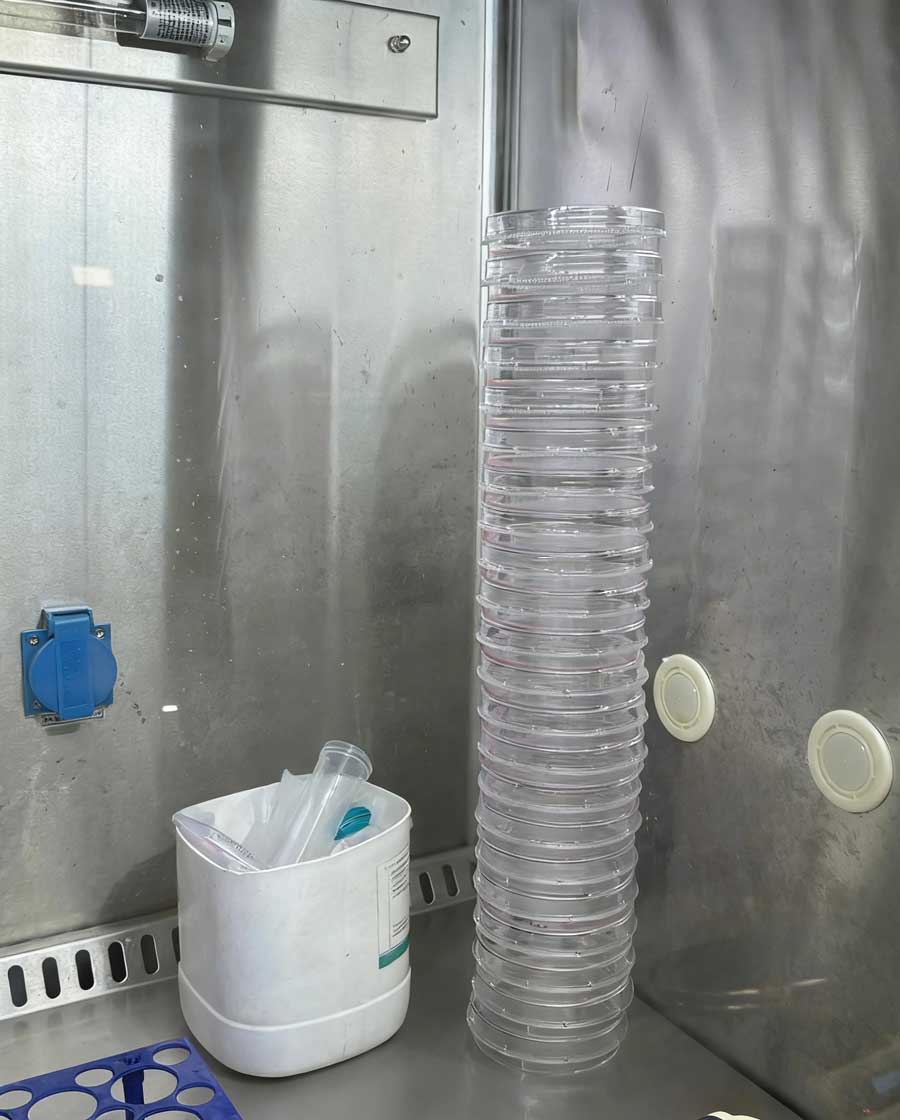
Stacked Petri Dishes in Laboratory Setting
Interpretation of Data
Cell Growth Analysis utilizes established mathematical formulas for accurate viability calculation. The standard formula provides percentage viability relative to untreated controls:
Cell viability (%) = [(As-Ab) / (Ac-Ab)] × 100%
- As = Absorbance of experiment group
- Ab = Absorbance of blank group
- Ac = Absorbance of control group
This calculation incorporates experimental group absorbance values corrected for background interference. You can quantitatively assess treatment effects by comparing experimental groups to untreated controls.
Data interpretation requires consideration of dose-response relationships and statistical significance. We recommend analyzing results using appropriate statistical methods to validate your findings.
Factors Affecting Results and How to Mitigate Them
Several factors can influence CCK8 assay performance and data reliability. Cell density variations represent the most common source of experimental error. Standardized seeding protocols help maintain consistent cell numbers across wells.
Environmental factors significantly impact assay outcomes. CO2 concentration, humidity levels, and temperature fluctuations can alter cell metabolism and CCK8 reduction rates. We recommend maintaining stable incubation conditions throughout the experiment.
Reagent quality issues may cause inconsistent results between experimental sessions. Proper storage conditions and regular quality checks ensure CCK8 reagent stability. You should prepare fresh working solutions when possible and avoid repeated freeze-thaw cycles.
Systematic errors require identification and correction strategies. We guide researchers in implementing quality control measures and statistical analysis approaches. These methods ensure data reliability and experimental reproducibility across different laboratory conditions.
Applications of CCK8 Assay
From pharmaceutical screening to environmental toxicity assessment, CCK8 assay applications provide researchers with quantitative insights into cellular responses. We have observed extensive implementation of this cell proliferation assay across diverse research sectors. The methodology’s reliability makes it an essential tool for addressing complex biological questions.
Research teams utilize CCK8 assays to measure cellular responses with precision and accuracy. The quantitative nature of this cell viability assay supports statistical analysis of treatment effects. Scientists can establish dose-response relationships and determine effective concentration ranges for various experimental conditions.
Use in Drug Development and Toxicology
Pharmaceutical companies rely on CCK8 assays for comprehensive compound screening during early drug development phases. We observe consistent application of this cell proliferation assay in evaluating therapeutic efficacy across multiple drug candidates. The methodology enables researchers to assess cytotoxicity profiles with remarkable sensitivity.
Toxicology studies benefit from CCK8’s ability to detect subtle cellular responses to harmful substances. Environmental toxins, industrial chemicals, and pharmaceutical compounds undergo rigorous testing using this approach. The assay provides quantitative measures that traditional methods often cannot detect.
Drug safety assessment protocols incorporate CCK8 testing to establish therapeutic windows for new compounds. Researchers can determine maximum tolerated doses and identify potential adverse effects early in development. This cell viability assay helps reduce costly late-stage failures in clinical trials.
Assessing Effects of Environmental Factors
Environmental research laboratories employ CCK8 assays to evaluate cellular responses to changing conditions. pH variations, oxygen tension changes, and nutrient depletion effects become measurable through this methodology. We document significant applications in studying physical stress responses on cellular systems.
Climate change research utilizes this cell proliferation assay to understand how temperature fluctuations affect cellular function. Marine biology studies assess the impact of ocean acidification on marine organisms. Agricultural research examines how pesticide exposure influences plant cell viability.
Industrial safety protocols incorporate CCK8 testing to evaluate workplace chemical exposure risks. Manufacturing facilities use this cell viability assay to assess potential health hazards from production processes. Environmental monitoring programs track cellular responses to pollution levels in affected areas.
Role in Cancer Research and Immunology
Cancer research laboratories depend on CCK8 assays for evaluating anticancer drug efficacy across different tumor cell lines. We observe widespread application in studying tumor cell proliferation patterns and growth inhibition mechanisms. Combination therapy effects become quantifiable through systematic CCK8 analysis.
Immunology research utilizes this methodology to measure immune cell activation and proliferation responses. T-cell proliferation studies rely on CCK8 to assess responses to various stimuli. Immunosuppressive compound effects undergo evaluation through this cell proliferation assay approach.
Personalized medicine initiatives incorporate CCK8 testing to predict patient responses to specific treatments. Oncologists use results to guide therapeutic decisions and optimize treatment protocols. This cell viability assay supports precision medicine approaches in cancer care.
| Research Field | Primary Application | Key Benefits | Typical Cell Types |
|---|---|---|---|
| Drug Development | Compound screening and toxicity assessment | High-throughput capability, dose-response analysis | HeLa, HEK293, primary hepatocytes |
| Environmental Studies | Toxicity evaluation of pollutants | Sensitive detection, quantitative results | Fibroblasts, epithelial cells, algae |
| Cancer Research | Anticancer drug efficacy testing | Tumor-specific responses, combination studies | MCF-7, A549, HCT116 |
| Immunology | Immune cell proliferation analysis | Activation measurement, stimulation responses | T-cells, B-cells, macrophages |
Quality control measures ensure consistent results across different research applications. We recommend standardized protocols for each specific research field to maintain data integrity. Proper controls and replicates remain essential for reliable outcomes in all CCK8 applications.
The versatility of CCK8 assays continues to expand as researchers discover new applications. Emerging fields like regenerative medicine and tissue engineering adopt this methodology for evaluating cellular responses. We anticipate continued growth in CCK8 applications across diverse scientific disciplines.
Comparing CCK8 with Other Proliferation Assays
Selecting the appropriate cell proliferation assay requires careful evaluation of multiple technical factors and experimental requirements. We provide comprehensive analysis to help you understand the key differences between CCK8 and traditional methods. This comparison enables informed decision-making for your research applications.
Cell viability testing has evolved significantly with the introduction of advanced tetrazolium-based assays. Each method offers distinct advantages and limitations that impact experimental outcomes. Understanding these differences ensures optimal protocol selection for your specific research needs.
Advantages of CCK8 Over MTT and XTT
CCK8 demonstrates superior sensitivity and stability compared to traditional MTT and XTT assays. The water-soluble formazan product eliminates the solubilization step required in MTT protocols. This simplification reduces handling errors and saves valuable laboratory time.
The enhanced detection capabilities of CCK8 make it particularly valuable for studies involving low cell numbers. Your 96 well plate experiments benefit from improved signal-to-noise ratios and consistent results. The assay maintains accuracy even with subtle proliferation changes that other methods might miss.
Storage advantages include longer shelf life and reduced light sensitivity compared to MTT reagents. CCK8 maintains activity under various storage conditions without significant degradation. These characteristics make the CCK8 protocol more reliable for routine laboratory use.
Toxicity levels remain significantly lower with CCK8 compared to other tetrazolium assays. This reduced toxicity allows for multiple measurements from the same cell population. Your experiments can include time-course studies without compromising cell viability.
Limitation and Considerations of CCK8
Cost considerations represent the primary limitation of CCK8 compared to traditional MTT assays. The higher reagent costs may impact budget planning for large-scale studies. However, the improved efficiency often justifies the additional expense.
Potential interference from reducing agents can affect CCK8 results in specific experimental conditions. Certain culture media components or test compounds may interact with the assay reagents. We recommend careful validation when working with new experimental systems.
Storage requirements demand more attention compared to MTT protocols. CCK8 reagents require specific temperature conditions and protection from light exposure. Proper handling ensures consistent performance throughout the reagent’s shelf life.
Choosing the Right Assay for Your Study
Selection criteria depend on your experimental objectives, cell types, and throughput requirements. We guide researchers through decision-making processes considering protocol complexity and equipment availability. Your 96 well plate format compatibility should align with available instrumentation.
Budget considerations play a crucial role in assay selection for long-term studies. The CCK8 protocol offers superior performance but requires higher initial investment. Evaluate the cost-benefit ratio based on your specific research goals and funding availability.
Data quality requirements determine the most appropriate method for your applications. CCK8 provides enhanced sensitivity for demanding research applications. Traditional methods may suffice for routine screening or educational purposes where cost efficiency takes priority.
Troubleshooting Common Issues
Common problems in CCK8 assay implementation can significantly impact cell growth analysis results if not properly addressed. We provide systematic solutions to help you identify and resolve technical challenges that compromise experimental reliability. Understanding these troubleshooting approaches ensures consistent data quality across your research projects.
Technical difficulties often arise from multiple sources during assay execution. Environmental factors, reagent quality, and equipment calibration all influence final outcomes. Proper diagnostic procedures help isolate problem sources effectively.
Poor Cell Growth or Viability
Suboptimal culture conditions frequently cause poor cell performance in cell growth analysis experiments. We recommend evaluating incubation parameters including temperature stability, CO2 concentration, and humidity levels. These environmental factors directly affect cellular metabolism and proliferation rates.
Contamination represents another major cause of reduced cell viability. Bacterial or fungal contamination compromises CCK8 assay results by altering medium pH and consuming nutrients. Maintain strict sterile technique throughout cell handling procedures.
Cell density optimization proves critical for reliable results. Seeding too few cells produces weak signals, while overcrowding leads to nutrient depletion. We suggest testing multiple seeding densities to establish optimal conditions for your specific cell line.
Medium composition affects cell growth analysis outcomes significantly. Poor serum quality, inappropriate antibiotic concentrations, or expired supplements reduce cellular activity. Always use fresh, high-quality reagents from reputable suppliers.
Inconsistent Results Between Samples
Pipetting errors create the most common source of variability in CCK8 assay measurements. Inconsistent volumes during cell seeding or reagent addition produce unreliable data. Use calibrated pipettes and maintain consistent technique across all samples.
Uneven cell distribution across plate wells generates significant variation. Inadequate mixing during cell suspension preparation causes clustering. We recommend gentle but thorough mixing immediately before seeding each well.
Edge effects occur when wells along plate borders experience different environmental conditions. Temperature gradients and evaporation rates vary across plate positions. Place experimental samples in central wells and use border wells for controls only.
Temperature variations during incubation affect cellular activity differently across plate regions. Ensure your incubator maintains uniform temperature distribution. Consider using multiple plates to verify consistency.
Equipment and Reagent Problems
Microplate reader calibration issues compromise absorbance measurements in CCK8 assay protocols. Regular calibration using standard references ensures accurate readings. Check filter specifications match assay requirements before each experiment.
Bubble formation interferes with optical density readings significantly. Air bubbles scatter light and produce artificially high absorbance values. Remove bubbles carefully using sterile techniques before measurement.
WST-8 reagent reactions with reducing agents generate background interference. Check your experimental conditions for potential reducing compounds. We recommend measuring background optical density when using reducing agents in your system.
Metal ion contamination affects CCK8 assay sensitivity substantially. Trace metals in water or reagents can catalyze unwanted reactions. Use high-purity water and store reagents according to manufacturer specifications.
Reagent storage conditions impact assay performance over time. Improper temperature or light exposure degrades CCK8 assay components. Store all reagents in recommended conditions and check expiration dates regularly.
Systematic troubleshooting approaches help maintain cell growth analysis reliability. Document all experimental conditions and maintain detailed records. This practice enables quick problem identification and resolution in future experiments.
Best Practices for CCK8 Assay Execution
We recommend implementing comprehensive quality control measures to ensure reproducible CCK8 assay outcomes. Professional laboratories must maintain rigorous standards throughout the experimental process. These practices guarantee reliable data that meets publication and regulatory requirements.
Successful 96-Well Plate Assay execution depends on systematic methodology and consistent technique application. Environmental conditions play a crucial role in assay performance. Temperature fluctuations and light exposure can significantly impact reagent stability and final results.
Tips for Reliable Results
Store CCK8 solution protected from light at appropriate temperatures to maintain reagent stability. We emphasize the importance of gentle orbital mixing before reading the plate. This step ensures homogeneous formazan distribution and eliminates concentration gradients.
Consistent pipetting techniques prevent variability between wells. Use calibrated equipment and maintain steady handling procedures throughout the experiment. CCK8 Protocol adherence requires attention to incubation timing and environmental conditions.
Pre-warm all reagents to room temperature before use. This practice reduces thermal shock to cells and improves assay consistency. Monitor pH levels of culture media to ensure optimal cell viability during the assay period.
Importance of Replicates
Minimum triplicate measurements provide statistical validity for 96-Well Plate Assay results. We recommend performing experiments three times to establish reproducibility. Biological replicates across independent experiments strengthen data reliability.
Consider appropriate sample sizes based on expected effect magnitudes and desired statistical power. Technical replicates within each experiment help identify pipetting errors or equipment malfunctions. Statistical significance increases with proper replication strategies.
Plan experimental design to accommodate sufficient replicates without compromising plate layout efficiency. Balance statistical requirements with practical laboratory constraints.
Documenting and Reporting Results
Maintain detailed experimental records including reagent lot numbers and incubation conditions. Document measurement parameters and any deviations from standard CCK8 Protocol procedures. This information proves essential for troubleshooting and result interpretation.
Report comprehensive methodology descriptions in scientific publications. Include statistical analysis details and appropriate data presentation formats. We ensure that documentation facilitates experimental reproducibility by independent researchers.
Record environmental conditions such as temperature, humidity, and CO2 levels during incubation periods. Note equipment calibration dates and maintenance records. These details support result validation and quality assurance processes.
Future Trends in Cell Proliferation Assays
Emerging technologies promise to revolutionize cell proliferation analysis beyond traditional methods. We observe significant advances in assay sensitivity, automation capabilities, and integration possibilities that enhance research outcomes. These developments position modern laboratories to achieve greater precision and efficiency in cellular studies.
The scientific community continues to push boundaries in cell viability assay methodologies. Innovation drives improvements in detection accuracy and reduces experimental variability across research applications.
Innovations in CCK8 Technology
Recent advances in CCK8 formulations deliver enhanced sensitivity and reduced assay completion times. We see improvements in tetrazolium chemistry that increase signal strength and minimize background interference.
Automated dispensing systems now integrate seamlessly with CCK8 protocols. These systems reduce human error and improve reproducibility across large-scale experiments. Real-time monitoring capabilities allow researchers to track cellular responses continuously rather than at single time points.
Enhanced electron mediator systems provide more stable reactions and extended shelf life. These improvements make CCK8 assays more reliable for routine laboratory use and high-throughput screening applications.
Emerging Alternatives and Their Benefits
Impedance-based monitoring offers non-invasive cell proliferation assay options with continuous measurement capabilities. This technology eliminates the need for reagent additions and provides real-time data collection.
ATP-based luminescence assays present several advantages:
- Reduced reagent requirements compared to traditional methods
- Faster processing times for urgent research needs
- Enhanced sensitivity for detecting small cell populations
- Compatibility with automated liquid handling systems
Fluorescent protein reporters enable long-term cellular tracking without cytotoxic effects. These systems support extended observation periods and provide detailed proliferation kinetics data.
Integration with Other Assay Techniques
Multiplexed approaches combine cell viability assay measurements with complementary analytical methods. We can measure caspase activity alongside CCK8 results to understand both viability and apoptotic mechanisms simultaneously.
The low toxicity profile of CCK8 allows sequential testing protocols. Researchers can perform additional assays on the same cell populations after CCK8 completion, maximizing data collection from limited samples.
Integration opportunities include:
- Metabolic profiling combined with proliferation assessment
- Protein expression analysis following viability testing
- Cytokine measurement in conjunction with growth evaluation
- Gene expression studies using post-assay cell samples
Artificial intelligence applications enhance data analysis capabilities across integrated assay platforms. These tools identify patterns and correlations that traditional analysis methods might miss, improving research insights and accelerating discovery timelines.
Conclusion: Significance of CCK8 Assay in Research
The CCK8 assay stands as a cornerstone methodology in modern cell biology research. Its reliable colorimetric detection system provides researchers with accurate data for critical scientific decisions. We have explored comprehensive protocols that ensure reproducible results across diverse research applications.
Essential Methodology Points
Proper Cell Growth Analysis depends on standardized protocols and rigorous controls. The direct relationship between formazan production and viable cell numbers creates a quantitative foundation for meaningful biological interpretations. Your experimental success relies on maintaining consistent incubation conditions and precise reagent handling.
Scientific Rigor in Practice
We encourage researchers to implement proper statistical analysis and documentation practices. The 96 Well Plate format enables high-throughput screening while maintaining experimental precision. Quality controls and replicate samples remain essential for generating reliable data that advances scientific understanding.
Research Impact and Applications
CCK8 methodology contributes significantly to drug development, toxicology studies, and cancer research. The assay’s sensitivity and reproducibility make it invaluable for therapeutic development efforts. Your commitment to proper technique ensures that Cell Growth Analysis results contribute meaningfully to biological research advancement.
The CCK8 assay continues to serve as an essential tool for cell proliferation studies. Its proven reliability and broad applicability across research disciplines confirm its position in contemporary laboratory practices.
References and further readings:
1.Hadi RS, Juniarti J. CCK-8 cell proliferation assay protocol in 96-well plates. Medisains. 2024.
https://jurnalnasional.ump.ac.id/index.php/medisains/article/view/23975/02.Mun HB, Kwon WS, Kim TS, Rha SY. Establishment of a patient-derived organoid-PBMC co-culture model to investigate immune responses and immunotherapy sensitivity in advanced gastric cancer. Cancer Res. 2025;85(8 Suppl 1):5222.
https://aacrjournals.org/cancerres/article/85/8_Supplement_1/5222/7589103.Chen Y, Wang X, Liu T, et al. Application of CCK-8 assay for proliferation and cytotoxicity evaluation in cancer cell lines. Oncol Lett. 2019;17(1):189-193. doi:10.3892/ol.2018.9585.
https://www.spandidos-publications.com/10.3892/ol.2018.95854.Quent VM, Loessner D, Friis T, Reichert JC, Hutmacher DW. Discrepancies between metabolic activity and DNA content as tool to assess cell proliferation in cancer research. J Cell Mol Med. 2010;14(4):1003-1013.
https://onlinelibrary.wiley.com/doi/10.1111/j.1582-4934.2010.01013.x
FAQ
What is the optimal cell density for CCK8 assay in 96-well plates?
We recommend minimum densities of 1,000 cells per well for adherent cells, while suspension cells like leukocytes require higher concentrations due to reduced metabolic activity per cell. The optimal density depends on your specific cell line’s metabolic characteristics and growth rates. You should perform preliminary experiments to determine the linear range for your particular cell type.
How long should I incubate cells with CCK8 reagent?
Incubation duration ranges from 1-4 hours depending on cell type, density, and metabolic activity levels. We recommend monitoring color development to determine optimal incubation times for your specific experimental conditions. Most mammalian cell cultures show adequate signal development within 2-3 hours at 37°C with 5% CO2.
What volume of CCK8 reagent should I add to each well?
Add 10 μL of CCK8 reagent per 100 μL of culture medium to achieve optimal final concentrations. This ratio ensures proper WST-8 tetrazolium salt concentration for accurate cell viability measurement while maintaining cell culture conditions throughout the assay procedure.
At what wavelength should I measure absorbance for CCK8 assay?
Measure absorbance at 450 nm primary wavelength for maximum sensitivity in formazan detection. You can use an optional reference wavelength at 600 nm for turbidity correction when necessary. Ensure your microplate reader is properly calibrated with appropriate filter sets for accurate measurements.
How do I calculate cell viability percentage from CCK8 results?
Use the standard formula: [(As-Ab)/(Ac-Ab)] × 100% where As = sample absorbance, Ab = blank control absorbance, and Ac = control group absorbance. This calculation provides percentage viability relative to untreated controls, enabling quantitative assessment of treatment effects on cell proliferation.
What are the main advantages of CCK8 over traditional MTT assays?
CCK8 produces water-soluble formazan, eliminating the solubilization step required for MTT crystal dissolution. This simplifies protocols, reduces handling errors, and provides enhanced sensitivity for detecting subtle proliferation changes. CCK8 also offers longer shelf life and reduced light sensitivity compared to MTT.
How should I store CCK8 reagent for optimal stability?
Store CCK8 reagent at -20°C for long-term stability or at 4°C for frequent use applications. Maintain light protection during storage and handling. Monitor reagent expiration dates and implement contamination prevention measures to ensure consistent assay performance across experimental sessions.
What controls should I include in my CCK8 96-well plate setup?
Include positive controls (untreated cells), negative controls (medium only), and blank controls (medium plus CCK8 without cells) for proper data interpretation. Position these controls strategically to minimize edge effects, typically using central wells for critical samples and peripheral wells for controls.
Why am I getting inconsistent results between replicate wells?
Inconsistent results often stem from pipetting errors, uneven cell distribution, edge effects, or temperature variations across plate positions. Ensure proper mixing techniques, use calibrated multichannel pipettes, maintain uniform environmental conditions, and implement standardized cell seeding protocols for improved reproducibility.
Can CCK8 assay be used for suspension cells like lymphocytes?
Yes, CCK8 works effectively with suspension cells, though they typically require higher cell concentrations than adherent cells due to lower metabolic activity per cell. Ensure proper cell counting accuracy and maintain gentle handling to prevent cell damage during the assay procedure.
What factors can interfere with CCK8 assay results?
Common interfering factors include reducing agents, metal ions, pH variations, and temperature fluctuations. Maintain proper buffer systems, avoid contamination with reducing compounds, ensure stable incubation conditions, and use appropriate quality control measures to minimize interference effects.
How many replicates should I use for reliable CCK8 assay data?
We recommend minimum triplicate measurements for statistical validity, with consideration for biological replicates across independent experiments. Appropriate sample sizes depend on expected effect magnitudes and desired statistical power for your specific research application.
Can I use CCK8 assay for drug screening applications?
CCK8 is excellent for drug screening, providing quantitative measures for compound efficacy evaluation, dose-response relationship establishment, and cytotoxicity assessment. Its high-throughput 96-well format enables efficient screening of multiple compounds while maintaining precision and reproducibility.
What should I do if my cells show poor growth during CCK8 assay?
Poor cell growth typically results from suboptimal culture conditions, contamination, or inappropriate cell densities. Evaluate incubation parameters, maintain sterile technique, check medium composition and serum quality, and verify appropriate antibiotic concentrations and environmental conditions.
How does CCK8 mechanism differ from other cell viability assays?
CCK8 utilizes WST-8 tetrazolium salt reduction by cellular dehydrogenases, creating water-soluble orange formazan directly proportional to viable cell numbers. This mechanism occurs exclusively in metabolically active cells, providing superior accuracy compared to methods that may detect both viable and compromised cells.
Leo Bios
Hello, I’m Leo Bios. As an assistant lecturer, I teach cellular and
molecular biology to undergraduates at a regional US Midwest university. I started as a research tech in
a biotech startup over a decade ago, working on molecular diagnostic tools. This practical experience
fuels my teaching and writing, keeping me engaged in biology’s evolution.



Leave a Comment
Your email address will not be published. Required fields are marked *