


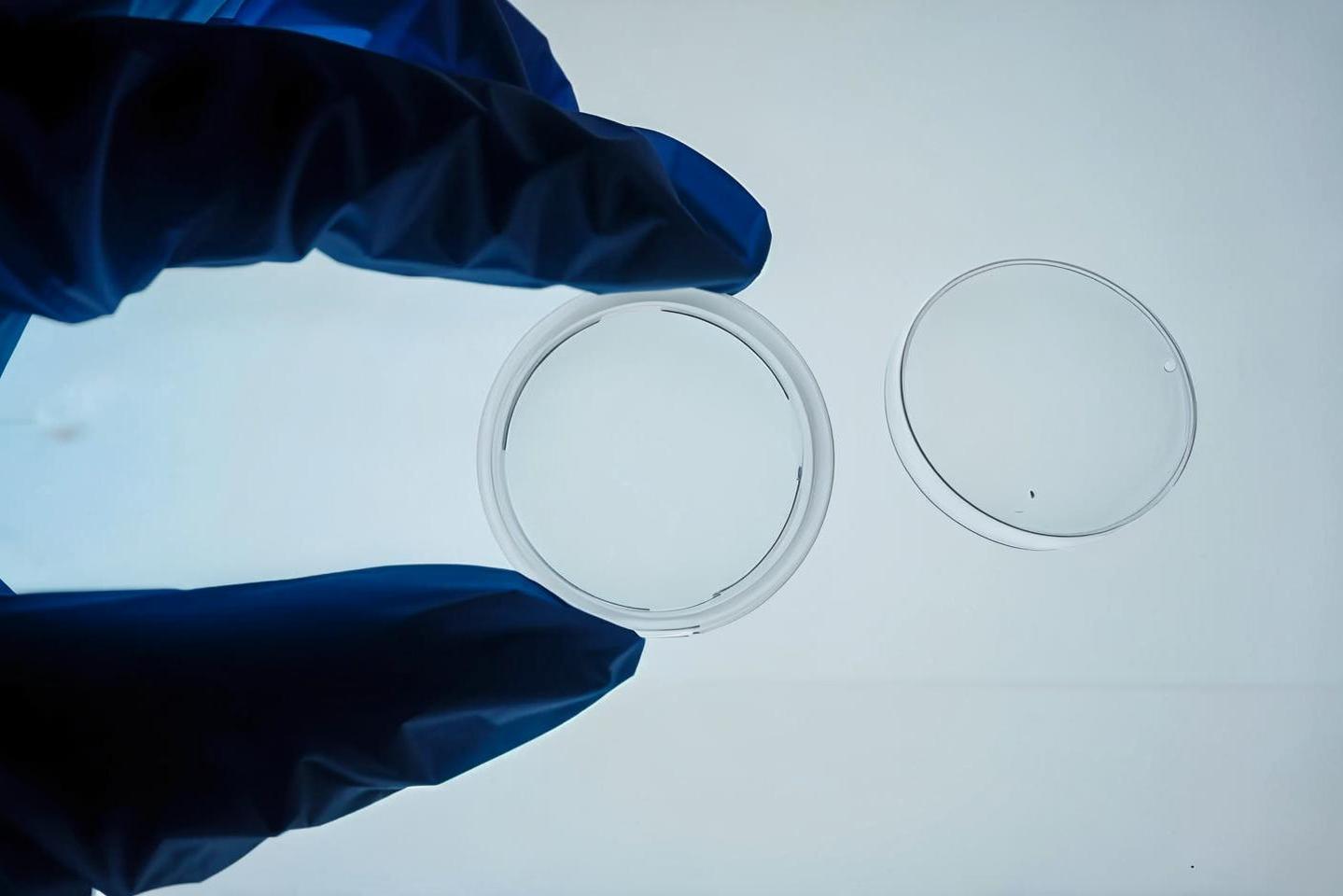
Petri dishes are key in growing microbes. They are a basic part of lab work in microbiology. The right culture medium is crucial for good results.
Since 1887, Petri dishes have helped scientists grow microbes safely. This lets them study microbial growth accurately.
The type of culture medium needed depends on the microbes being studied. Special media support different microbes’ needs. This makes identifying microbes more accurate.
The preparation and sterilization of the medium are also important. Mixing agar, water, and nutrients and then autoclaving removes contaminants. This is essential for growing microbes safely and accurately.
New tools like Neogen Petrifilm Plates make preparing and sterilizing easier. They help reduce mistakes in lab work. Using these methods improves lab efficiency and supports scientific research.
Key Takeaways
- Petri dishes are central to microbial culturing in laboratory environments.
- Selection of the appropriate culture medium is vital for successful microbe growth.
- Effective preparation and sterilization methods prevent contamination.
- Innovative tools like Neogen Petrifilm Plates offer enhanced efficiency in microbial culture.
- Controlling environmental factors ensures accurate assessment of microbial behavior.
Techniques for Inoculating Microbes
Inoculation techniques are key in microbial culturing. They help get reliable results in growth assessments. The choice of method affects how well we can isolate and identify microbes. The streak plate, spread plate, and pour plate techniques are widely used for different purposes.
The Streak Plate Methodology
The streak plate technique involves streaking a diluted sample in a petri dish. It’s used to isolate individual colonies for better identification. This method helps separate colonies as you streak, making it easier to identify different microbes. Using proper sterile techniques is crucial to avoid contamination and get accurate results.
The Spread Plate Approach
The spread plate method spreads a diluted sample evenly across the agar surface. It’s vital for counting how many viable microorganisms are in a sample. This technique helps determine colony-forming units (CFUs), giving a clear picture of microbial density. It’s essential for analyzing microbes in different environments.
The Pour Plate Technique
The pour plate technique mixes diluted samples with melted agar and pours it into petri dishes. It’s great for counting both aerobic and anaerobic microbes. This method gives insights into the diversity of microbes in a sample. For more information, check out this microbiology manual.
Optimal Incubation Conditions for Growth
Understanding the best conditions for microbial growth is key in culturing. Factors like temperature, humidity, and gas environment play big roles. These conditions affect how well microorganisms grow and their characteristics.
Adjusting these settings can boost growth rates and improve experimental results.
Ideal Temperature Specifications
Every microorganism has its own ideal temperature for growth. Psychrophiles grow best in cold, mesophiles in moderate, and thermophiles in warm temperatures. Keeping temperatures just right can increase growth and activity.
For example, human pathogens grow fastest at 35°C to 37°C. This shows how important temperature is for culturing.
It’s also important to keep temperature steady. Studies show that most incubators keep temperatures within ±2°C, while some are more precise at ±1°C. So, keeping conditions consistent is crucial for successful growth.
Humidity and Gas – Environment Considerations
Humidity is also key in incubation. It helps prevent agar and microbial samples from drying out. This leads to healthier cultures and more reliable results.
Adjusting humidity to meet specific microbial needs is important for strong growth. The gas environment, whether it’s aerobic or anaerobic, must match the microbes’ needs. Different organisms have different requirements that affect their growth and activities.
To meet these needs, controlling oxygen and carbon dioxide levels is essential. Following these conditions ensures optimal growth and reliable results.
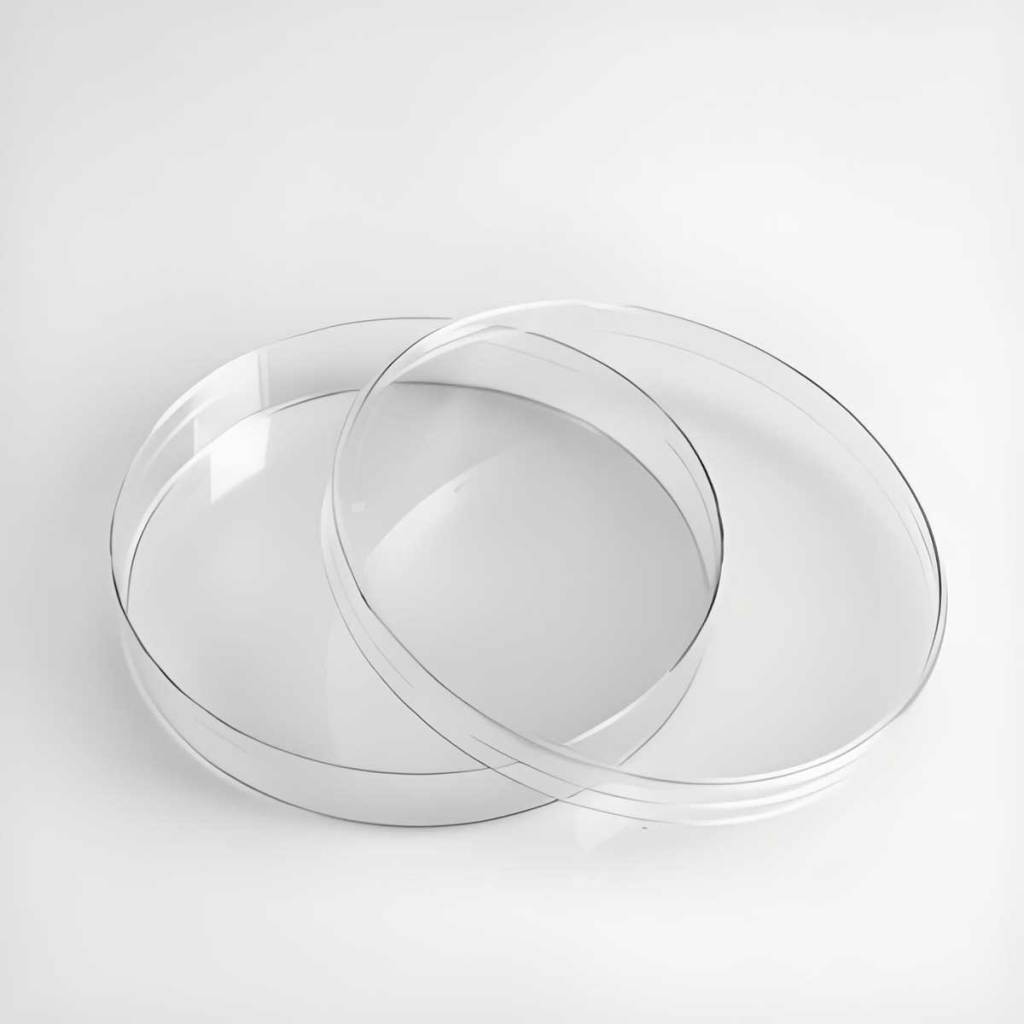
Petri dish
Applications in Microbial Identification
Understanding how to identify microbes is key in microbiology. Using methods like looking at colony shape, gram staining, and biochemical tests helps improve accuracy.
Analyzing Colony Morphology
Looking at colony shape is the first step in identifying microbes. Size, shape, color, and edge details give quick clues about what microbe it is. These details help scientists guess the species, making it easier to identify.
Using a Petri dish is crucial for seeing these details clearly. It’s a vital tool in labs.
Gram – Staining in Conjunction with Petri Dish Cultures
Gram staining helps tell microbes apart based on their cell walls. It works well with colonies grown on Petri dishes. This method shows if bacteria are Gram-positive or Gram-negative.
The results of gram staining guide further tests. They help decide the next steps in research.
Conducting Biochemical Tests on Cultured Colonies
After isolating microbes, biochemical tests reveal their metabolic and enzymatic activities. This helps scientists identify them accurately. It also guides future research.
Studying Microbial Interactions within Petri Dishes
Understanding how different microbes interact is key to knowing their roles in our world. By using petri dishes, scientists can study both good and bad interactions. This helps us learn more about our environment and how to use microbes for good.
Antagonistic Interactions (e.g., Antibiotic Production)
Some microbes fight each other by making things that stop others from growing. For example, some bacteria make antibiotics that keep other microbes from growing. Finding out about these battles helps us find new medicines and understand how microbes live together.
Symbiotic Relationships Unveiled
On the other hand, some microbes work together for their own good. These partnerships help them grow and survive better. By studying these partnerships in petri dishes, scientists gain important knowledge. This knowledge can help improve farming and make new medicines.
Limitations in Culturing with Petri Dishes
Petri dishes are key in microbiology, but they have big limitations. It’s important to know these to understand our research. This helps us move science forward.
The Artificiality of the Environment
Petri dishes don’t mimic nature well. This artificial setting can slow down microbes and change how they interact. So, our results might not show what really happens in nature.
Challenges in Recreating Complex Ecosystems
It’s hard to get microbes to act like they do in nature with petri dishes. Things like food, talking between microbes, and competition are missing. This makes it tough to apply our findings to the real world.
FAQ
What is the importance of selecting the appropriate culture medium?
Choosing the right culture medium is key. It depends on the microorganisms being studied. Specialized media meet specific needs, improving microbial identification accuracy.
References and further readings:
1.Nayeem, M. A. (2019). Book on Microbiology Laboratory. Bangladesh Agricultural University. Retrieved from https://www.researchgate.net/publication/336242145
2.Saxena, S. (2023). Cultivation and identification of pathogens for plant disease diagnosis. International Journal of Multidisciplinary Research and Technology. Retrieved from https://ijmrtjournal.com/wp-content/uploads/2023/01/Cultivation-and-Identification-of-Pathogens-for-Plant-Disease-Diagnosis.pdf
3.Katz, D. S. (2008). The streak plate protocol. Microbe Library, American Society for Microbiology. Retrieved from https://asm.org/ASM/media/Protocol-Images/The-Streak-Plate-Protocol.pdf
What are common inoculation techniques used in microbiology?
In microbiology, you’ll find several inoculation techniques. These include the streak plate, spread plate, and pour plate methods. Each has its own benefits for isolating and counting microbes.
How do incubation conditions affect microbial growth?
Incubation conditions like temperature, humidity, and gas environments are crucial. They affect how fast microbes grow and their characteristics. Keeping these conditions right is essential for reliable results.
What is the role of colony morphology in microbial identification?
Colony morphology gives quick clues about microbial identity. It includes size, shape, and color. These details can suggest the species, helping in identification.
How does Gram staining contribute to microbial culture analysis?
Gram staining helps identify microbes by their cell walls. It quickly tells if bacteria are Gram-positive or Gram-negative. This guides further testing.
What is the significance of studying microbial interactions?
Examining microbial interactions reveals their ecological roles. This includes how they work together or against each other. It’s important for food safety and medicine.
What limitations do petri dishes present in microbiological research?
Petri dishes create an artificial setting that doesn’t mimic nature. This can limit microbial growth and interactions. It might not fully capture how microbes behave in real life.
Why is it challenging to recreate complex ecosystems in laboratory settings?
Trying to culture microbes in a lab doesn’t capture their natural interactions. It’s hard to replicate the complex environmental factors that affect their survival and growth.
Leo Bios
Hello, I’m Leo Bios. As an assistant lecturer, I teach cellular and
molecular biology to undergraduates at a regional US Midwest university. I started as a research tech in
a biotech startup over a decade ago, working on molecular diagnostic tools. This practical experience
fuels my teaching and writing, keeping me engaged in biology’s evolution.



Leave a Comment
Your email address will not be published. Required fields are marked *