


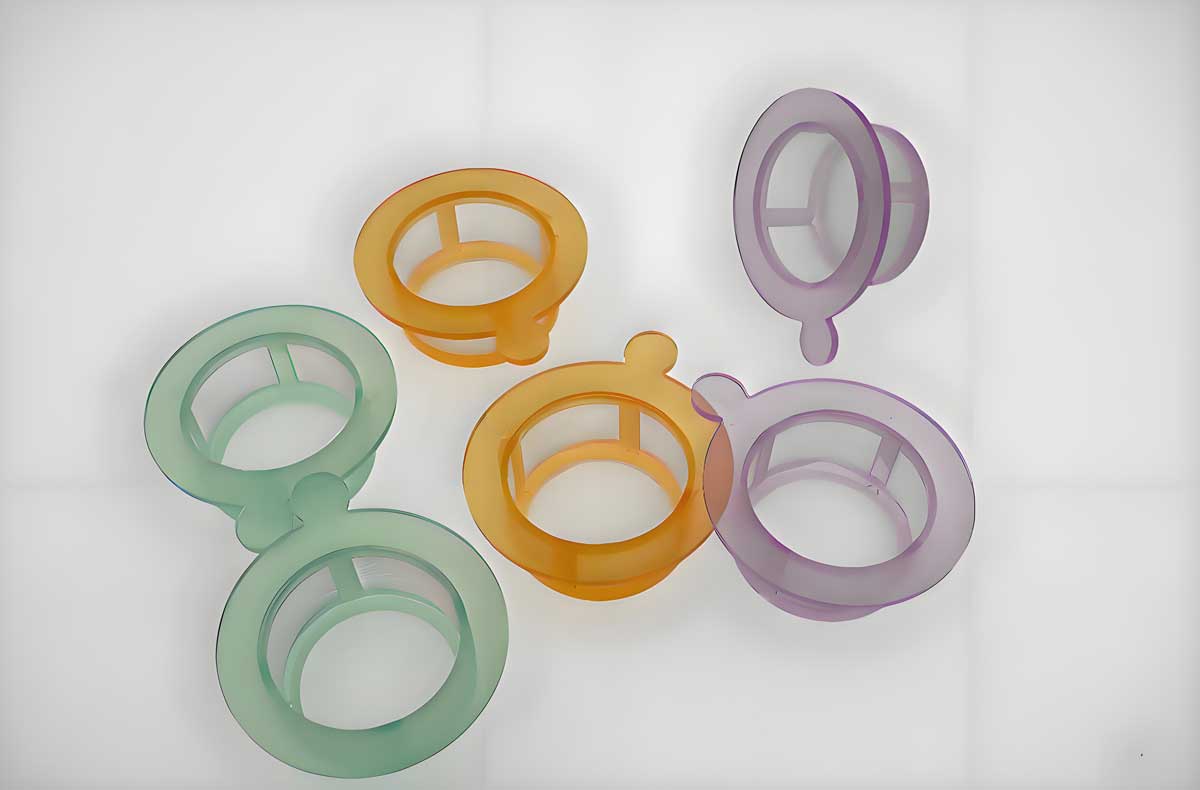
Buying a 40 μm cell strainer needs careful thought. It’s key to know what matters most when picking this important lab tool. This guide helps you understand the main points to consider. A 40 micron cell strainer helps filter or isolate cells, making your research better.
Brands like Ucallm make these strainers. They follow strict quality checks, including gamma radiation sterilization. These strainers are great for many tasks, like making single-cell suspensions. Knowing these details helps you choose the right one for your needs.
Key Takeaways
- Assess the specific applications for which you require a 40 micron cell strainer.
- Evaluate the brands available, focusing on reputation and adherence to quality standards.
- Consider the sterilization processes utilized in the manufacturing of the strainers.
- Understand the structural integrity and usability features critical to your laboratory needs.
- Examine long-term cost-effectiveness alongside initial purchase price.
Pore – Size – Centric Considerations
Choosing a 40 μm cell strainer requires knowing your cell types. Each cell type has its own shape and how it filters. Knowing this helps get the best results in your research.
Cell Types Suited for 40 μm Strainers
40 μm strainers work well with certain cells:
- Primary Cells and Stem Cells: These cells do well with careful filtering. 40 μm strainers are great for separating them.
- Suspensions of Blood Cells: Strainers filter blood cells from places like bone marrow. This makes sure your sample is good for further use.
Experimental Compatibility of 40 – μm Pores
40 μm cell strainers are versatile in many experiments:
- Flow Cytometry Samples: They’re perfect for flow cytometry. This helps analyze different cells accurately.
- Cell Viability: Using 40 μm strainers helps keep cells alive. This is crucial in sensitive cell procedures.
Material – Related Aspects
Understanding the materials in 40 μm cell strainers is key for good lab results. The right materials make sure the filtration works well and the science experiments are successful.
Materials Used in 40 μm Cell Strainers
40 μm cell strainers are made from:
- Polypropylene: It’s tough and can handle many chemicals, making it great for labs.
- Nylon Mesh: It has a consistent pore size and is strong. This means it filters well without harming the sample.
Influence of Materials on 40 – μm Straining
The materials used in 40 μm straining affect several things:
- Chemical Compatibility: Good polypropylene and nylon mesh keep samples clean. This is important for keeping biological samples safe during tests.
- Sterilization Practices: Materials that can handle gamma radiation sterilization stay clean. This is crucial for projects that need to be very clean.
Design and Construction Features
The design and build of lab cell strainers are key to their success. Their structural integrity and usability greatly affect their performance in labs. Let’s dive into these important aspects.
Structural Integrity of 40 μm Cell Strainers
The strength of 40 μm cell strainers is crucial for their long-lasting use. Several features contribute to this strength:
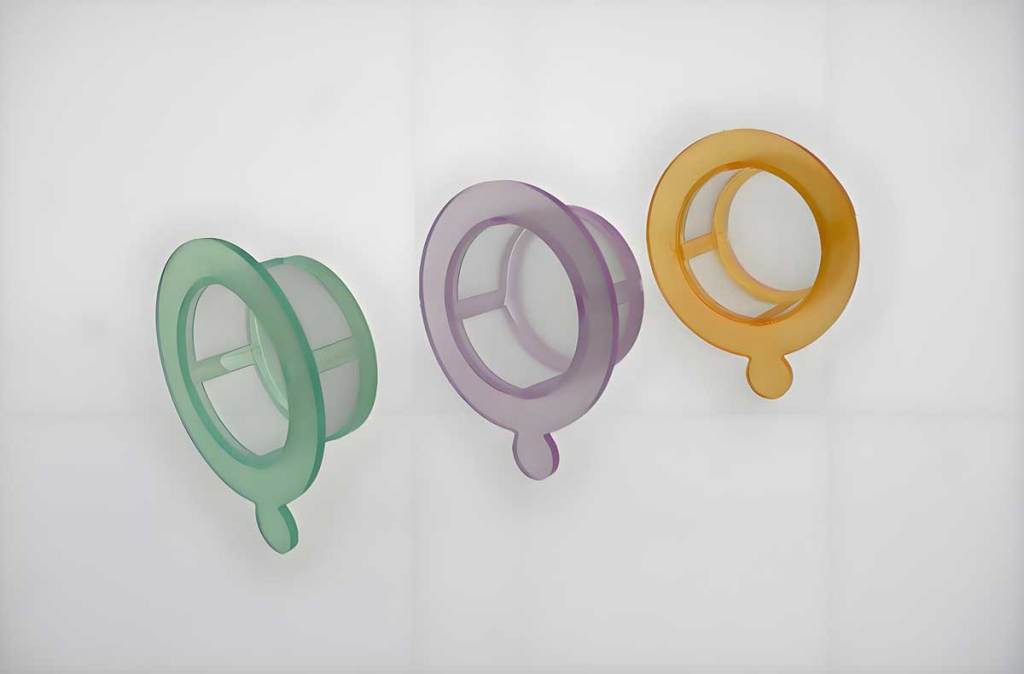
- Sturdy Design: Molded frames make them strong, helping them filter well.
- Extended Lip: This design makes handling with forceps easier, cutting down on contamination.
Usability of 40 μm Cell Strainers
40 μm cell strainers are designed to make lab work easier. Key features that enhance usability include:
- Color Coding: They come in different colors for easy identification and to avoid mistakes.
- Individual Packaging: Each strainer is packaged separately to keep it clean until needed.
40 μm Cell Strainer
Sterility and Hygiene for 40 μm Cell Strainers
Keeping laboratory conditions sterile and clean is crucial when using 40 μm cell strainers. Dirty strainers can ruin the quality of samples, leading to bad results. It’s very important to keep these strainers clean to avoid contamination.
Significance of Sterility in 40 μm Cell Strainer Use
The cleanliness of a 40 μm cell strainer affects the success of experiments. A dirty environment can introduce unwanted factors that mess up data. This is especially true for delicate cell cultures.
Sterilization Approaches for 40 μm Cell Strainers
There are several ways to sterilize 40 μm cell strainers:
- Gamma Radiation: This method is very effective at killing germs without harming the strainers.
- Ethylene Oxide Treatment: It’s good for materials that can’t handle heat or moisture. It sterilizes well without damaging the strainer.
- Autoclaving: For some, using high-pressure steam is a simple way to make strainers sterile.
Choosing the best method depends on the experiment’s needs and the strainer’s material. Each method has its own benefits and considerations.
Cost – Benefit Analysis for 40 μm Cell Strainer Purchase
When you’re thinking about buying a lab cell strainer, the upfront cost is key. Prices can change based on the brand and how many you buy. This affects your budget for lab gear.
Big names like Ucallm offer good deals for buying in bulk. This makes your money go further and ensures you get quality products.
Initial Cost of 40 μm Cell Strainers
The cost of 40 μm cell strainers varies a lot. It depends on things like what they’re made of, how long they last, and the brand’s reputation. Knowing these details helps labs make smart choices about their money.
Buying more at once can lower the cost per item. This makes high-quality strainers more affordable.
Long – term Cost – effectiveness of 40 μm Cell Strainers
Looking at the long-term benefits of 40 μm cell strainers shows their real value. Good strainers last longer and work better, meaning you don’t have to replace them as often. This leads to better results in your experiments and saves money over time.
Choosing reliable products improves your lab’s efficiency and helps with budgeting.
References and further readings:
1.Swamydas, M., Luo, Y., Dorf, M. E. (2015).
Isolation of mouse neutrophils. Current Protocols in Immunology, 110(1), 3-20.
https://currentprotocols.onlinelibrary.wiley.com/doi/10.1002/0471142735.im0320s110
2.Lanier, V. J., White, A. M., Faumont, S., & Lockery, S. R. (2023).
Theory and practice of using cell strainers to sort Caenorhabditis elegans by size. PLoS ONE, 18(1), e0280999.
https://journals.plos.org/plosone/article?id=10.1371/journal.pone.0280999
3.Sutermaster, B. A., & Darling, E. M. (2019).
Considerations for high-yield, high-throughput cell enrichment: fluorescence versus magnetic sorting. Scientific Reports, 9, 3246.
https://www.nature.com/articles/s41598-018-36698-1
FAQ
What is a 40 μm cell strainer used for?
A 40 μm cell strainer helps filter out cells for research. It’s great for making single-cell suspensions from tissues and cultures.
How does the pore size of 40 μm affect filtration?
The 40 μm mesh size filters certain cells well. It lets smaller particles and debris through. This makes it perfect for separating primary, stem, and blood cells.
Are 40 μm cell strainers sterile?
Yes, most 40 μm cell strainers are gamma-sterilized. This makes them safe for sensitive biomedical work.
What materials are used in 40 μm cell strainers?
They’re made from polypropylene and nylon mesh. This gives them the strength and size needed for good filtration.
How does the design of a 40 μm cell strainer enhance usability?
They have molded frames and color coding. This makes them easy to handle and identify. It helps avoid mistakes in the lab.
What factors influence the cost of 40 μm cell strainers?
The cost depends on the brand, how many you buy, and if you’re buying in bulk. Brands like Ucallm offer good deals for big orders.
Why is user feedback important when selecting a cell strainer?
Reviews give you a peek into how well a strainer works. They help you make smart choices and get good results in the lab.
Can I use a 40 μm cell strainer for all cell types?
No, you should check which cells you’ll be working with. 40 μm strainers are best for certain types, like primary, stem, and blood cells.
Leo Bios
Hello, I’m Leo Bios. As an assistant lecturer, I teach cellular and
molecular biology to undergraduates at a regional US Midwest university. I started as a research tech in
a biotech startup over a decade ago, working on molecular diagnostic tools. This practical experience
fuels my teaching and writing, keeping me engaged in biology’s evolution.


Leave a Comment
Your email address will not be published. Required fields are marked *