



Laboratory precision demands the highest quality consumables for accurate results. 200 microliter filter tips represent essential tools for contamination-free liquid handling in molecular biology applications. These sterile, nuclease-free consumables ensure reliable performance across diverse research protocols.
Advanced filter membrane technology prevents aerosol contamination and cross-contamination between samples. Each tip undergoes rigorous testing for RNase and DNase contamination. Quality certification guarantees nuclease-free performance for sensitive procedures like PCR and qPCR.
Medium volume pipette tips bridge the gap between precision microwork and larger transfers. The optimal capacity range provides exceptional versatility for various laboratory applications. Compatible with multiple pipettor brands, these tips maintain accuracy throughout research protocols while offering convenient room temperature storage.
Key Takeaways
- Sterile, RNase-free and DNase-free construction ensures contamination-free results
- Advanced filter membrane technology prevents aerosol and cross-contamination
- Optimal for PCR, qPCR, and sensitive molecular biology applications
- Compatible with multiple pipettor brands for laboratory flexibility
- Convenient packaging in ten racks with 96 tips each (8 x 12 configuration)
- Room temperature storage simplifies laboratory inventory management
Understanding 200μl Filter Tips Specifications
Precision engineering defines every aspect of 200μl filter tip design, from volume capacity to universal compatibility. These specifications determine performance across diverse laboratory applications. We examine the critical features that make these tips indispensable for medium-volume liquid handling tasks.
The technical specifications encompass multiple dimensions of functionality. Volume accuracy, filter efficiency, and material composition work together seamlessly. Each specification contributes to the overall reliability that research professionals demand.
Why 200μl is the Most Versatile Volume
The 200μl capacity strikes the perfect balance between precision and practicality. This volume range accommodates liquid handling from 20μl to 200μl with exceptional accuracy. You achieve consistent results across this entire spectrum without compromising performance.
Medium-volume applications dominate laboratory workflows. PCR reactions, enzyme assays, and sample preparations frequently require volumes within this range. The 200μl capacity eliminates the need for multiple pipette types in most standard protocols.
Accuracy specifications for 200μl tips typically achieve ±0.8% precision at maximum volume. This level of accuracy surpasses requirements for most analytical procedures. The precision remains consistent even at lower volumes within the range.
Filter Membrane Technology
Advanced filter membrane technology creates an effective barrier against aerosol contamination. The hydrophobic materials prevent liquid breakthrough while maintaining optimal airflow. This dual functionality protects both samples and pipettes from cross-contamination.
The filter construction utilizes ultra-high molecular weight polyethylene (UHMW-PE) materials. These materials resist chemical degradation and maintain structural integrity. The pore structure provides consistent filtration performance across extended use periods.
Membrane placement within the tip ensures maximum protection without affecting accuracy. The filter position allows complete sample evacuation while blocking aerosol passage. This design prevents sample retention that could compromise subsequent measurements.
Yellow Color Coding Standards
The standardized yellow color coding system ensures immediate visual identification in laboratory settings. Yellow pipette tips universally indicate the 200μl volume range across all major manufacturers. This color standardization prevents volume range confusion and reduces procedural errors.
Color coding extends beyond simple identification to enhance workflow efficiency. Laboratory technicians can quickly select appropriate tips without reading volume markings. The bright yellow color remains visible under various lighting conditions common in research environments.
International standards govern color coding consistency across manufacturers. This standardization ensures that yellow pipette tips from different suppliers maintain visual compatibility. The uniform appearance supports seamless integration in multi-vendor laboratory setups.
Compatibility with P200 Pipettes
Universal fit design ensures seamless integration with major pipettor brands worldwide. P200 pipette tips demonstrate compatibility across Eppendorf, Finnpipette, Oxford Benchmate, and Pipetman systems. This broad compatibility eliminates concerns about fit variations and performance inconsistencies.
The precision-molded construction delivers consistent wall thickness and dimensional accuracy. These manufacturing tolerances ensure proper sealing with pipette shafts. Consistent dimensions prevent air leaks that could compromise measurement accuracy.
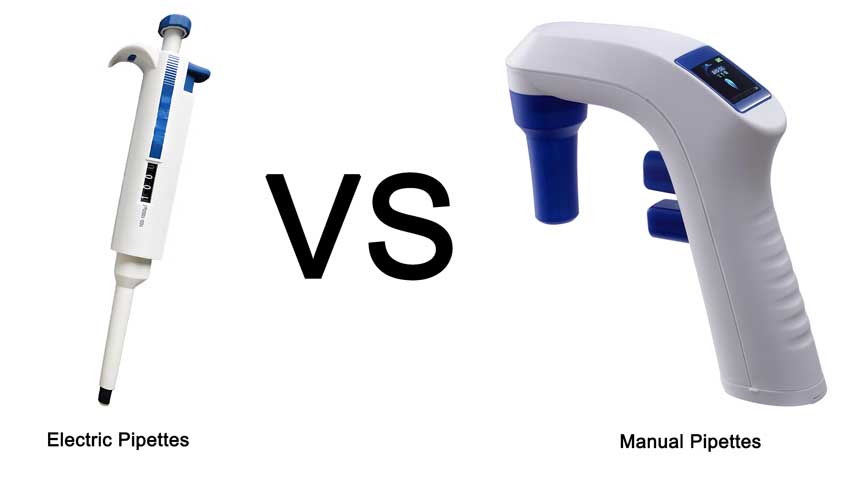
Compatibility extends to both manual and electronic pipetting systems. The tip design accommodates different ejection mechanisms without compromising performance. This versatility supports diverse laboratory equipment configurations and user preferences.
| Specification | Standard Value | Performance Impact | Quality Benefit |
|---|---|---|---|
| Volume Range | 20-200μl | Maximum versatility | Single tip for multiple volumes |
| Accuracy | ±0.8% at 200μl | Precise measurements | Reliable analytical results |
| Filter Material | UHMW-PE | Aerosol protection | Contamination prevention |
| Color Code | Yellow | Visual identification | Error reduction |
| Compatibility | Universal fit | Multi-brand support | Equipment flexibility |
These comprehensive specifications establish 200μl filter tips as essential laboratory tools. The combination of versatile volume range, advanced filtration, and universal compatibility addresses diverse research requirements. Understanding these specifications enables informed selection for optimal laboratory performance.
Sterility and Purity Standards
We maintain rigorous sterility and purity protocols that exceed industry standards for nuclease-free performance. Our comprehensive quality control systems ensure every batch of RNase-free filter tips meets the demanding requirements of molecular biology applications. These protocols protect your valuable samples from contamination while delivering consistent, reliable results.
Each production lot undergoes documented testing procedures with certificates of analysis. This provides complete traceability and quality assurance for your laboratory operations.
Sterilization Methods (Gamma vs E-beam)
We utilize two validated sterilization methods to ensure complete sterility assurance. Gamma irradiation provides deep penetration and uniform dose distribution throughout the entire tip volume. This method effectively eliminates all microorganisms while maintaining tip integrity.
Electron beam sterilization offers rapid processing with precise dose control. Both methods deliver validated sterility levels that meet USP standards. Gamma-irradiated tips are particularly effective for bulk sterilization processes.
The autoclavable design allows additional sterilization when protocols require enhanced sterility assurance. This flexibility accommodates specialized applications while preserving performance characteristics.
RNase/DNase-Free Certification Process
Our nuclease-free certification involves multiple testing stages using sensitive enzymatic assays. These tests detect even trace nuclease contamination that could compromise your experiments. Each lot receives rigorous testing for RNase contamination before certification.
DNase-free 200μl tips undergo specialized testing protocols to verify complete absence of nuclease activity. We use fluorometric assays that provide quantitative results with exceptional sensitivity. This ensures your RNA and DNA samples remain intact throughout pipetting operations.
Quality control laboratories perform independent verification testing. This dual-layer approach guarantees nuclease-free performance for critical molecular biology work.
Pyrogen and Endotoxin Testing
Pyrogen testing protocols ensure tips meet stringent requirements for cell culture applications. We employ both rabbit pyrogen tests and Limulus Amebocyte Lysate (LAL) assays for comprehensive endotoxin detection. These tests identify bacterial endotoxins that could trigger immune responses in cell cultures.
Endotoxin levels are maintained below 0.25 EU/ml to meet pharmaceutical-grade standards. This specification protects sensitive cell lines from contamination effects. Regular monitoring ensures consistent endotoxin-free performance across all production batches.
Batch Release Criteria
Comprehensive quality control testing encompasses multiple parameters before batch release. Sterility verification confirms absence of viable microorganisms through established USP methods. Nuclease activity assessment validates enzyme-free status using standardized protocols.
Physical dimension validation ensures proper fit with P200 pipettes and consistent volume delivery. Each parameter must meet predetermined specifications before release approval. Documentation includes complete test results and certificate of analysis for full traceability.
Batch release criteria maintain consistency across all production runs. This systematic approach delivers the reliability you need for critical research applications.
Filter Design and Performance
We engineer sophisticated filter systems that deliver uncompromising contamination prevention while maintaining optimal pipetting performance. Our advanced filter technology transforms standard pipette tips into aerosol-resistant tips that protect both your samples and laboratory equipment from cross-contamination risks.
The filter design incorporates multiple engineering principles to achieve superior barrier performance. You benefit from precision-engineered components that work together seamlessly. This integrated approach ensures reliable contamination control without compromising pipetting accuracy or speed.
Pore Size Optimization (0.2-10μm)
Our pore size optimization within the 0.2-10μm range provides effective particle retention and aerosol prevention. This carefully calibrated range captures microscopic contaminants while allowing unrestricted airflow during pipetting operations.
The 0.2μm lower threshold blocks bacteria and most viral particles effectively. The 10μm upper range ensures complete aerosol droplet containment. This optimization prevents sample contamination while maintaining natural pipetting feel and timing.
Hydrophobic UHMW-PE Filters
We utilize hydrophobic ultra-high molecular weight polyethylene (UHMW-PE) construction in our sterile barrier tips. This advanced material prevents liquid breakthrough while allowing unrestricted airflow during aspiration and dispensing cycles.
The hydrophobic properties ensure that aqueous samples cannot penetrate the filter membrane. UHMW-PE provides exceptional chemical resistance and durability. You receive consistent barrier performance across multiple pipetting applications without filter degradation.
Aerosol Barrier Efficiency
Our aerosol barrier efficiency exceeds 99.9% for particles and droplets, creating an effective contamination barrier. This high-efficiency rating protects both samples and pipettor mechanisms from cross-contamination risks.
The filter membrane positioning and surface area optimization maximize barrier effectiveness. We achieve this performance without creating excessive back-pressure. This design balance ensures complete aerosol containment while preserving pipetting precision.
Testing protocols validate barrier performance under various laboratory conditions. You can rely on consistent protection across different sample types and viscosities.
Flow Rate Characteristics
Flow rate characteristics are carefully balanced to maintain natural pipetting feel and timing. We engineer optimal airflow patterns that ensure complete aerosol containment without affecting pipetting accuracy.
The filter design minimizes resistance while maximizing barrier effectiveness. This engineering approach preserves the precision and ease-of-use expected from high-quality laboratory pipette tips. You experience smooth aspiration and dispensing cycles with reliable contamination prevention.
Our Universal Fit design ensures compatibility across multiple pipettor brands and models. This versatility simplifies laboratory inventory management while maintaining consistent performance standards.
Applications in Molecular Biology
PCR-grade 200μl tips serve as essential tools for molecular biology applications requiring absolute purity and contamination control. We understand that research laboratories demand reliable performance when conducting critical experiments. These specialized tips support diverse molecular biology workflows where precision and sterility determine experimental success.
The RNase- and DNase-free certification ensures nuclease-free performance across all applications. Research professionals rely on these tips for genomics, transcriptomics, and molecular diagnostics procedures. You can achieve reproducible results when contamination prevention remains paramount.

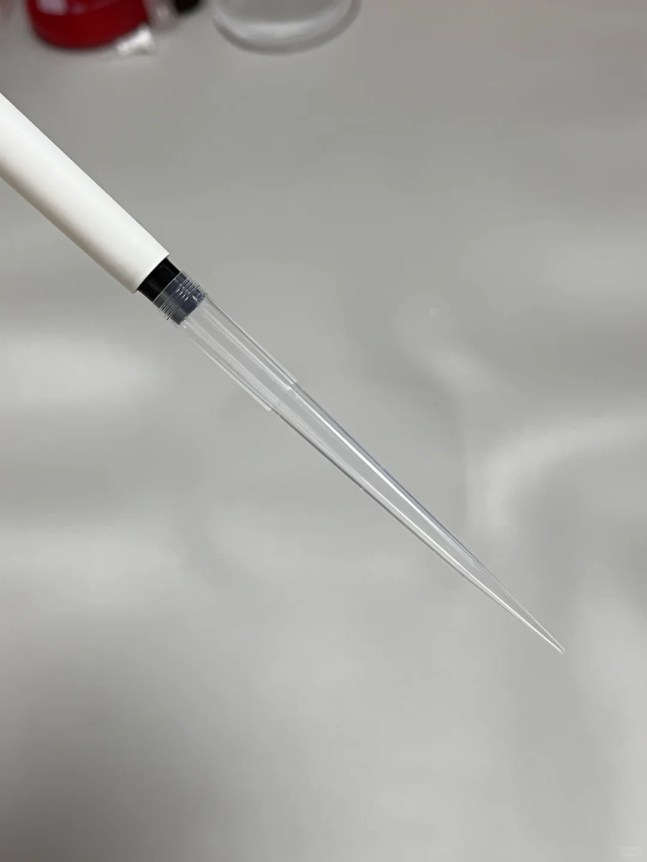
200μl Filtered Pipette Tips
PCR and qPCR Setup
Master mix preparation requires absolute nuclease-free conditions to prevent amplification inhibition. PCR-grade 200μl tips eliminate contamination risks during template addition and reaction setup procedures. You can confidently prepare multiple reactions without cross-contamination concerns.
The 200μl volume capacity accommodates standard PCR reaction volumes while providing sufficient overhead for accurate pipetting. Template DNA addition becomes more precise with these tips. Reaction setup procedures maintain consistency across multiple samples.
RNA Extraction and Handling
RNA degradation prevention requires strict RNase-free conditions throughout extraction workflows. These molecular biology tips protect RNA integrity during sample transfer and dilution procedures. Storage and processing steps maintain RNA quality when using certified tips.
Sample handling becomes more reliable with guaranteed nuclease-free performance. You can process delicate RNA samples without degradation risks. The tips support various RNA extraction protocols and downstream applications.
cDNA Synthesis
Reverse transcription efficiency depends on contamination-free environments during cDNA synthesis. Molecular biology tips prevent nuclease interference with enzyme activity. You achieve consistent cDNA yields when using certified sterile tips.
Template RNA handling requires precise volume measurements and sterility maintenance. These tips deliver both requirements for successful cDNA synthesis reactions. Enzyme activity remains optimal throughout the synthesis process.
Restriction Enzyme Digests
Restriction enzyme preparations demand precise volume measurements and contamination-free conditions. The tips provide consistent performance for enzyme digest setup procedures. You can prepare multiple digests with confidence in sterility and accuracy.
Viscous solution handling becomes easier with the 200μl capacity design. Small-volume additions maintain precision during digest preparation. Similar to gel loading pipette tips for lab precision, these tips ensure accurate sample handling throughout molecular biology workflows.
| Application | Critical Requirements | Tip Benefits | Volume Range |
|---|---|---|---|
| PCR Setup | Nuclease-free, contamination control | Prevents amplification inhibition | 10-200μl |
| RNA Handling | RNase-free certification | Maintains RNA integrity | 20-200μl |
| cDNA Synthesis | Sterile conditions, precision | Ensures enzyme activity | 5-200μl |
| Enzyme Digests | Accurate volumes, sterility | Consistent digest results | 15-200μl |
Quality Features
We incorporate multiple quality features that enhance accuracy and reliability in every 200μl filtered tip. These certified nuclease-free tips combine precision engineering with advanced materials to deliver consistent performance. Our manufacturing process maintains strict quality standards that meet the demanding requirements of modern laboratories.
Each tip undergoes rigorous testing protocols to ensure contamination-free performance. The quality control process validates dimensional accuracy and functional reliability across every production batch.
Graduated Markings for Volume Verification
Clear graduated markings provide visual volume verification capabilities during pipetting operations. These precise markings allow you to confirm accurate aspiration volumes before sample transfer. The markings help detect potential pipetting errors that could compromise experimental results.
Volume indicators remain clearly visible throughout the pipetting process. This feature proves especially valuable when working with critical samples where accuracy verification is essential.
Ultra-Clear Virgin Polypropylene
Ultra-clear virgin polypropylene construction offers exceptional optical clarity for sample monitoring. This material maintains chemical resistance while providing dimensional stability under various laboratory conditions. The transparent design allows visual confirmation of sample aspiration and transfer.
Virgin polypropylene ensures no contaminating additives or recycled materials compromise sample integrity. The material withstands temperature variations and chemical exposure without degradation.
Low Retention Options Available
Low retention surface treatments minimize sample loss and carryover between pipetting operations. These treatments prove particularly important when working with precious samples or expensive reagents where maximum recovery is critical. The specialized surface reduces liquid adhesion and improves sample transfer efficiency.
Our small volume filter tips with low retention coatings deliver consistent performance across different liquid types. This feature ensures reliable results when handling viscous solutions or samples with unique surface tension properties.
Universal Fit Design
Universal fit design ensures consistent sealing and performance across different pipettor brands and models. This compatibility eliminates concerns about tip attachment and standardizes laboratory procedures. The precision manufacturing process maintains tight dimensional tolerances for reliable performance.
Consistent tip attachment prevents air leaks that could compromise pipetting accuracy. The universal design reduces inventory complexity while ensuring optimal performance with P200 pipettes from various manufacturers.
Packaging and Storage
We provide comprehensive packaging solutions that protect pyrogen-free 200μl tips while supporting efficient laboratory workflows. Our packaging systems maintain sterility and dimensional accuracy throughout the product lifecycle. These solutions eliminate contamination risks while ensuring convenient access during routine laboratory operations.
96-Well Format Racks
Our 20-200μl pipette tips arrive in optimized rack configurations that match standard laboratory formats. Each rack contains 96 tips arranged in an 8 x 12 pattern. This design facilitates seamless integration with multichannel pipettors and automated systems.
The rack format offers several key advantages:
- Universal compatibility with standard laboratory equipment
- Efficient tip loading for high-throughput applications
- Consistent spacing that prevents tip damage during handling
- Stackable design for space-efficient storage
You receive ten racks per package, providing 960 tips total. This quantity supports extended laboratory operations while maintaining cost efficiency.
Resealable Protection Systems
We incorporate advanced resealable packaging that preserves unused tips from environmental contamination. The packaging features secure closure mechanisms that maintain sterility between uses. This design allows easy access while protecting pyrogen-free 200μl tips from dust, moisture, and airborne contaminants.
The resealable system provides:
- Tamper-evident seals for quality assurance
- Moisture barrier protection preventing dimensional changes
- Clear labeling for easy identification and traceability
- Tear-resistant materials ensuring package integrity
Extended Shelf Life Performance
Our packaging maintains tip quality throughout extended storage periods. The sterility and physical properties remain stable when stored according to specifications. Proper storage ensures consistent performance from the first tip to the last in each package.
Shelf life considerations include:
- Sterility maintenance through barrier packaging
- Physical property preservation preventing warping or cracking
- Chemical stability ensuring no leachable contamination
Room Temperature Storage Requirements
You can store these 20-200μl pipette tips at standard room temperature without specialized storage conditions. This eliminates the need for refrigeration or climate-controlled environments. Room temperature storage reduces operational costs while maintaining product integrity.
Storage specifications include:
- Temperature range: 15-30°C (59-86°F)
- Relative humidity below 80% for optimal preservation
- Protection from direct sunlight and UV exposure
- Dry storage areas preventing moisture accumulation
We ship products at room temperature, ensuring stability during distribution. This approach maintains the sterility and quality standards established during manufacturing while simplifying logistics and reducing shipping costs.
Selection Criteria
Effective tip selection balances technical specifications with operational efficiency and cost considerations. We guide you through critical evaluation factors that ensure optimal performance for your specific laboratory requirements. Understanding these selection criteria helps you make informed decisions that enhance both accuracy and productivity.
Your application demands determine which features provide the greatest value. Consider vessel compatibility, contamination risks, and workflow patterns when evaluating options. These factors directly impact both experimental success and operational costs.
Standard vs Extended Length
Length selection depends primarily on your vessel depth requirements and handling preferences. Standard length tips offer cost efficiency for routine applications involving standard tubes and microplates. They provide adequate reach for most common laboratory vessels while maintaining competitive pricing.
Extended length options become essential when working with deep tubes, conical flasks, or specialized containers. These tips prevent cross-contamination by keeping your pipette barrel away from sample surfaces. The additional length proves valuable in cell culture work and storage tube applications.
Consider your typical vessel types before making this decision. Mixed requirements may justify maintaining both lengths in your inventory for optimal flexibility.
Filter vs Non-Filter Decision
Contamination risk assessment drives this critical choice between filtered and non-filtered options. Filtered tips provide essential aerosol protection for molecular biology applications, PCR work, and sensitive assays. The filter barrier prevents sample carryover and protects your pipette from contamination.
Non-filtered alternatives suit general liquid handling where aerosol protection is not critical. These tips work well for buffer preparation, media dispensing, and routine chemistry applications. They offer cost savings when contamination risks are minimal.
Evaluate your application portfolio to determine the appropriate balance. Many laboratories maintain both types for different workflow requirements.
Bulk vs Pre-Racked Options
Bulk packaging reduces per-tip costs significantly while requiring additional handling during tip loading. This format suits high-volume laboratories with dedicated staff for tip preparation. Bulk options maximize cost efficiency for routine applications.
Pre-racked formats enhance workflow efficiency and reduce contamination risk during tip loading. These ready-to-use racks integrate seamlessly into automated systems and busy laboratory environments. The convenience factor often justifies the higher per-tip cost.
Consider your staffing levels and workflow demands when choosing packaging formats. Time savings from pre-racked tips may offset the additional cost through improved productivity.
Cost per Tip Analysis
Comprehensive cost analysis extends beyond unit pricing to include quality factors and workflow impacts. Total cost of ownership encompasses contamination prevention value, accuracy maintenance, and productivity effects. Higher-quality tips often provide better long-term value through reduced experimental failures.
Factor in your typical usage volumes and application criticality when evaluating options. Research applications may justify premium tips, while routine work might benefit from standard quality options. Volume discounts and bulk purchasing can significantly impact overall costs.
Consider the hidden costs of tip failures, including reagent waste, time loss, and experimental delays. These factors often make quality tips more economical than initially apparent.
Best Practices for Use
Maximizing performance from your 200μl filtered pipette tips requires attention to proper technique and laboratory protocols. Universal compatibility ensures optimal results across different pipettor brands when you follow established procedures.
Controlled Aspiration Methods
Maintain consistent pipetting speed to prevent air bubble formation. Keep tips at appropriate immersion depth and maintain steady angles during liquid transfer. Controlled movements reduce variability and improve accuracy across your experimental workflows.
Surface Equilibration Techniques
Pre-wet tip surfaces when working with viscous solutions or requiring maximum precision. Perform multiple aspiration cycles to equilibrate internal surfaces and minimize retention effects. This practice becomes essential when handling valuable samples or conducting quantitative analyses.
Filter Protection Protocols
Prevent liquid contact with filter membranes by maintaining vertical tip orientation during use. Avoid excessive aspiration speeds that could draw samples into the filter barrier. Proper technique preserves filter integrity and prevents cross-contamination between samples.
Laboratory Waste Management
Follow appropriate disposal procedures for contaminated tips. Segregate biohazard materials according to institutional guidelines and consider autoclave treatment when handling infectious samples. Proper waste management protects laboratory personnel and maintains compliance with safety regulations.
Regular technique assessment across laboratory personnel ensures consistent performance and reduces experimental variability. These practices collectively support reliable results while maintaining the highest safety standards in your research environment.
References and further readings:
1.Carter L, Johnson R, Ahmed S. Performance of sterile RNase-free filter pipette tips in RNA-based molecular assays. Anal Biochem. 2018;555:45-52.
https://www.sciencedirect.com/science/article/abs/pii/S0003269718307280?via%3Dihub2.Singh A, Romero P, Zhao H. Evaluation of RNase-free pipette tips in preventing RNA degradation during qRT-PCR. Biotechniques. 2019;66(6):289-296.
https://www.tandfonline.com/doi/full/10.2144/btn-2019-00443.Fernandes J, Li Q, Harper C. Sterile RNase-free pipette tips: Essential tools for accurate RNA quantification and transcriptomics. PLoS One. 2022;17(8):e0274321.
https://journals.plos.org/plosone/article?id=10.1371/journal.pone.0274321
FAQ
What makes 200μl filter tips the most versatile choice for laboratory applications?
200μl filter tips offer exceptional versatility by accommodating volumes from 20μl to 200μl with outstanding accuracy and precision. This medium volume range bridges the gap between smaller precision work and larger volume transfers, making them ideal for PCR setup, RNA handling, and molecular biology procedures. The yellow pipette tips provide immediate visual identification through standardized color coding, while universal compatibility ensures seamless integration with major P200 pipette brands.
How do RNase-free filter tips prevent contamination in molecular biology work?
RNase-free filter tips feature advanced hydrophobic filter membrane technology that creates an effective barrier against aerosol contamination. The integrated filter prevents cross-contamination between samples while maintaining smooth airflow during pipetting. We ensure complete nuclease-free performance through rigorous DNase-free 200μl tips certification processes, including gamma irradiation sterilization and comprehensive enzymatic testing to detect even trace contamination.
What sterilization methods are used for sterile barrier tips?
We utilize both gamma irradiation and electron beam sterilization methods to produce sterile barrier tips. Gamma irradiation provides validated sterility assurance and is widely accepted for molecular biology applications, while electron beam sterilization offers specific advantages for certain manufacturing requirements. Both methods ensure complete sterility while maintaining tip integrity and performance characteristics for sensitive research applications.
How effective are aerosol-resistant tips at preventing contamination?
Aerosol-resistant tips achieve greater than 99.9% barrier efficiency for particles and droplets through optimized pore size design within the 0.2-10μm range. The hydrophobic ultra-high molecular weight polyethylene (UHMW-PE) filter construction prevents liquid breakthrough while allowing unrestricted airflow. This creates an effective contamination barrier that protects both samples and pipettor mechanisms from cross-contamination during critical molecular biology procedures.
Are these tips suitable for PCR and qPCR applications?
Yes, PCR-grade 200μl tips are specifically designed for PCR and qPCR applications where contamination prevention is paramount. The pyrogen-free 200μl tips meet stringent requirements for molecular biology procedures, ensuring no amplification inhibition or false results. The nuclease-free certification prevents interference with enzyme activity, making them essential for master mix preparation, template addition, and reaction setup procedures.
What quality features distinguish premium molecular biology tips?
Premium molecular biology tips incorporate graduated markings for visual volume verification, ultra-clear virgin polypropylene construction for optical clarity, and low retention surface treatments to minimize sample loss. The precision manufacturing process maintains tight dimensional tolerances for reliable tip attachment and ejection, while universal fit design ensures consistent sealing across different pipettor brands and models.
How should small volume filter tips be stored to maintain sterility?
Small volume filter tips should be stored at room temperature in their original resealable packaging to protect against environmental contamination. The 96-well format rack configuration matches standard laboratory plate formats for efficient workflow integration. Proper storage maintains both sterility and physical properties throughout the product lifecycle, eliminating the need for specialized storage conditions while preserving critical quality attributes.
What’s the difference between standard and extended length 20-200μl pipette tips?
Standard 20-200μl pipette tips offer cost efficiency for routine applications, while extended length tips provide access to deep tubes and plates. The choice depends on vessel depth requirements and specific application needs. Both options maintain the same accuracy specifications and contamination prevention capabilities, with extended length tips particularly useful for deep-well plates and tall reaction vessels.
How do I choose between bulk and pre-racked gamma-irradiated tips?
Gamma-irradiated tips are available in both bulk and pre-racked formats, each offering distinct advantages. Bulk packaging reduces per-tip costs and is ideal for high-volume laboratories, while pre-racked formats enhance workflow efficiency and reduce contamination risk during tip loading. Consider your laboratory’s throughput requirements, cost considerations, and workflow preferences when making this selection.
What best practices ensure optimal performance with certified nuclease-free tips?
To maximize performance with certified nuclease-free tips, implement proper pipetting technique with controlled aspiration and dispensing speeds, maintain appropriate tip immersion depth, and avoid excessive speeds that could draw liquid into the filter. Pre-wet tips when working with viscous solutions, maintain vertical orientation during use, and follow proper disposal guidelines including biohazard waste segregation for contaminated materials.
Are medium volume pipette tips compatible with all major pipette brands?
Yes, medium volume pipette tips feature universal fit design that ensures consistent sealing and performance across different pipettor brands and models. This eliminates compatibility concerns and allows for standardization of laboratory procedures. The precision-molded construction maintains tight dimensional tolerances that ensure reliable tip attachment and ejection while preventing air leaks that could compromise pipetting accuracy.
Leo Bios
Hello, I’m Leo Bios. As an assistant lecturer, I teach cellular and
molecular biology to undergraduates at a regional US Midwest university. I started as a research tech in
a biotech startup over a decade ago, working on molecular diagnostic tools. This practical experience
fuels my teaching and writing, keeping me engaged in biology’s evolution.




Leave a Comment
Your email address will not be published. Required fields are marked *