


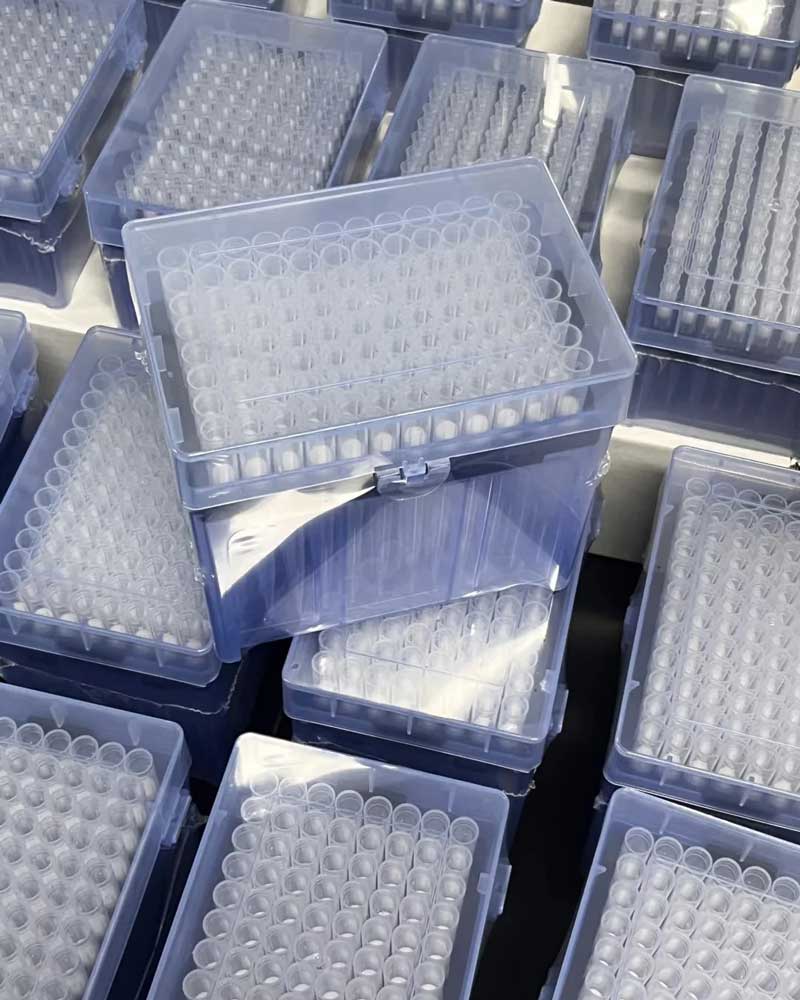
Precision liquid handling in protein and nucleic acid research demands more than standard equipment. Sample loss and contamination represent two critical challenges that can compromise experimental results and waste valuable biological materials. Even trace amounts of sample adhesion or cross-contamination can significantly impact data quality in sensitive molecular biology applications.
We understand that modern laboratories require specialized solutions for these challenges. Filter Tip Pipettes provide integrated barrier protection that prevents aerosol contamination during sample transfer. These advanced laboratory pipetting tools combine contamination prevention with low-bind surface technology to maximize sample recovery rates.
The low-bind design features hydrophobic inner surfaces that minimize sample adhesion. This technology proves particularly valuable when working with expensive reagents, rare biological samples, or precious proteins. You gain improved sample integrity while maintaining the highest standards of contamination control throughout your molecular biology workflows.
Key Takeaways
- Low-bind technology reduces sample loss by minimizing adhesion to tip surfaces, ensuring maximum recovery of valuable biological materials
- Integrated barrier filters prevent aerosol contamination, protecting both samples and pipetting instruments during liquid transfer operations
- Hydrophobic inner surfaces enable near-complete sample recovery, critical for protein purification and nucleic acid workflows
- These specialized tools reduce experimental errors by up to 50% compared to standard pipette tips in sensitive applications
- Essential for PCR, molecular biology, and clinical diagnostics where sample integrity directly impacts data quality
- Investment in proper pipetting tools improves experimental reproducibility and protects expensive reagents from cross-contamination
Understanding Filter Tip Pipettes: An Introduction
In precision liquid handling, the integration of barrier filters transforms standard pipetting into contamination-free operations. Filter tip pipettes combine advanced engineering with specialized materials to address two critical laboratory challenges: preventing sample cross-contamination and maximizing the recovery of valuable reagents. We recognize that your research outcomes depend on the reliability and precision of every liquid transfer operation.
These specialized tools serve laboratories across molecular biology, clinical diagnostics, and protein research applications. The technology behind Contamination-Free Pipette Tips represents a significant evolution from conventional pipetting methods. Understanding how these systems work enables you to optimize your experimental protocols and protect sensitive samples from compromise.
What Filter Tip Pipettes Are and Why They Matter
Filter tip pipettes are engineered liquid handling tools that incorporate integrated barrier filters between the sample and the pipetting instrument. These Aerosol Barrier Tips create a physical separation that prevents aerosol penetration and liquid carry-over during both aspiration and dispensing operations. The design addresses a fundamental problem in laboratory work: protecting both your samples and your equipment from contamination.
The primary purpose extends beyond simple liquid transfer. We designed these tips to prevent cross-contamination between samples while simultaneously protecting your pipette shaft from aerosol exposure. This dual protection ensures that each pipetting operation maintains complete sample integrity without introducing external contaminants.
When you work with nucleic acids, proteins, or enzymes, even minor contamination can compromise experimental results. Standard pipette tips lack the protective barrier needed for high-sensitivity applications. Filter tips solve this challenge by creating an impermeable boundary that blocks aerosols while allowing unrestricted air passage.
Essential Elements of Advanced Pipette Tip Design
Filter tip pipettes consist of three critical components working together to deliver superior performance. Each element contributes to the overall functionality that makes these tips essential for precision laboratory work.
- Tip Body Construction: Manufactured from high-quality polypropylene that resists chemical interactions and maintains dimensional stability across temperature variations
- Hydrophobic Barrier Filter: Typically constructed from polyethylene or similar materials, positioned strategically between the tip and pipette shaft to block liquid droplets and aerosols
- Low-Bind Surface Treatment: Applied to interior walls using specialized polymer formulations or hydrophobic treatments that minimize liquid adhesion
The hydrophobic barrier filter functions through a sophisticated mechanism. It allows air passage necessary for liquid aspiration while blocking microscopic droplets that could contaminate your pipette. This selective permeability ensures that Aerosol Barrier Tips maintain sample purity without compromising pipetting performance.
The tip body material selection matters significantly for experimental accuracy. We use polypropylene because it exhibits minimal interaction with most biological samples. This inert characteristic prevents unwanted binding of proteins or nucleic acids to the tip surface during transfer operations.
Why Low-Bind Technology Transforms Sample Recovery
The low-bind feature represents a critical advancement in pipette tip technology. Standard tips may retain 5-10% of sample volume due to surface tension interactions between the liquid and the tip’s interior walls. This loss becomes particularly problematic when working with expensive reagents or limited sample quantities.
Low-bind variants reduce this retention to less than 1% through specialized surface treatments. These treatments employ hydrophobic modifications that minimize liquid adhesion by reducing surface tension interactions. The result is maximum sample recovery that preserves both experimental accuracy and cost-effectiveness.
For laboratories working with proteins, the importance of low-bind features cannot be overstated. Proteins naturally adhere to hydrophilic surfaces through electrostatic interactions and hydrogen bonding. Standard tips can lose significant protein content to surface binding, directly reducing the sensitivity of downstream analyses like Western blots or ELISA assays.
Nucleic acid workflows benefit equally from this technology. When you perform PCR reactions or sequencing preparations, losing even small amounts of template DNA or RNA can affect amplification efficiency. The low-bind surface technology ensures that you transfer the intended sample volume with minimal loss to the tip surface.
We understand that your research involves valuable reagents where sample loss translates directly to experimental failure or increased costs. The combination of Contamination-Free Pipette Tips with low-bind features addresses both contamination prevention and sample recovery optimization. This dual functionality makes filter tips with low-bind technology essential for high-stakes molecular biology applications.
The economic impact extends beyond individual experiments. Laboratories conducting high-throughput screening or clinical diagnostic testing process thousands of samples. Even a 1% improvement in sample recovery multiplied across thousands of operations generates substantial cost savings and improved data quality.
Benefits of Using Low-Bind Filter Tip Pipettes
Investing in low-bind filter tip technology provides laboratories with quantifiable improvements across multiple performance metrics. These specialized scientific measurement devices address critical challenges that standard pipette tips cannot resolve effectively. The combination of enhanced sample recovery, contamination prevention, and reproducible performance creates measurable value for protein and nucleic acid workflows.
We have documented significant performance advantages through extensive laboratory testing and real-world applications. The benefits extend beyond simple technical improvements to deliver economic value and operational efficiency. You will find that these advantages translate directly into better experimental outcomes and reduced operational costs.
Enhanced Recovery of Sample
Low-bind filter tips demonstrate greater than 99% sample recovery compared to 90-95% with standard tips. This difference becomes critically important when you work with expensive reagents or limited sample volumes. The hydrophobic interior minimizes liquid adhesion, while the ultra-smooth surface ensures complete sample dispensing.
The economic impact of improved recovery reaches substantial levels in high-volume laboratories. When working with expensive enzymes, antibodies, or purified proteins, recovering an additional 5-10% of sample per pipetting operation translates to significant reagent cost savings. Over thousands of annual pipetting cycles, these savings accumulate to meaningful budget reductions.
Precision liquid handling capabilities stem from consistent sample release characteristics that eliminate variability. You achieve maximum yield from precious samples through minimized surface adhesion. This advantage proves essential in applications where sample availability limits experimental design or where reagent costs represent a major expense category.
Reduced Contamination Risks
Filter barriers prevent cross-contamination between samples and protect pipettes from sample contamination. These barriers address both forward contamination (sample to pipette) and backward contamination (pipette to sample). This dual protection becomes critical when you process multiple specimens sequentially in molecular diagnostics and research applications.
The aerosol barrier mechanism prevents vapor-phase contaminants from reaching the pipette shaft. Aerosols generated during aspiration and dispensing can carry biological materials, proteins, or nucleic acids that compromise subsequent samples. By blocking these aerosols, filter tips eliminate a major source of cross-contamination that standard tips cannot address.
In high-throughput laboratories, reduced contamination leads to fewer repeat experiments and significant cost savings. You avoid the expense and time loss associated with contaminated samples that produce invalid results. The protection extends to your expensive pipettes, preventing internal contamination that requires extensive cleaning or equipment replacement.
Improved Consistency in Results
Uniform surface properties across manufactured tips ensure that every pipetting operation delivers identical performance. These scientific measurement devices provide reproducibility that meets stringent quality control requirements in pharmaceutical development, clinical diagnostics, and academic research. The consistency reduces experimental variation, allowing you to detect smaller biological effects.
Consistency in liquid release improves reproducibility in assays including ELISA, qPCR, and next-generation sequencing applications. When surface properties vary between tips, liquid retention differs unpredictably, introducing systematic errors into your data. Low-bind technology eliminates this variability source through precise manufacturing controls and specialized surface treatments.
You achieve statistical significance with fewer replicates because experimental variation decreases substantially. This improvement accelerates research timelines and reduces reagent consumption across entire projects. The combination of enhanced recovery, contamination prevention, and consistent performance creates a comprehensive solution for precision liquid handling in demanding laboratory environments.
These benefits connect directly to improved laboratory productivity, data quality, and cost-effectiveness in protein and nucleic acid workflows. We recommend low-bind filter tips for any application where sample value, contamination risk, or reproducibility concerns influence experimental success. The investment in superior pipette tips delivers returns through better science and operational efficiency.
Applications of Filter Tip Pipettes in Laboratories
Laboratories worldwide depend on filter tip pipettes to address specific challenges inherent to various scientific applications. These specialized tools have become indispensable research lab equipment across molecular biology, protein research, and clinical diagnostic settings. We provide solutions that ensure sample integrity while preventing contamination across diverse workflows.
The protective barrier within filter tips safeguards both your samples and your equipment from cross-contamination. This dual protection becomes critical when working with valuable reagents or sensitive biological materials. You can maintain consistent performance across applications ranging from basic research to advanced diagnostic testing.
Molecular Biology and Nucleic Acid Workflows
DNA and RNA molecules readily adhere to standard pipette tip surfaces, creating significant challenges during microliter volume transfer operations. Filter tip pipettes with low-bind surfaces prevent this nucleic acid loss, ensuring that your template remains available for downstream applications. This preservation becomes essential during PCR setup, where even minor template losses can compromise amplification efficiency.
In qPCR applications, you need absolute consistency to achieve reliable quantification results. Sample loss to tip surfaces can shift cycle threshold values, producing inaccurate data that affects your experimental conclusions. We recommend using wide-bore pipette tips for viscous genomic DNA samples to prevent shearing while maintaining contamination barriers.
Next-generation sequencing library preparation demands exceptional precision throughout the workflow. You handle precious samples through multiple enzymatic reactions, each requiring accurate reagent delivery. Filter tips protect your libraries from aerosol contamination while preventing nucleic acid binding that would reduce library yields.
The following applications particularly benefit from filter tip technology:
- Genomic DNA extraction and quantification
- Plasmid purification and transformation procedures
- RT-PCR for gene expression analysis
- Standard curve preparation for quantitative assays
- CRISPR reagent handling and delivery
Protein Purification and Analysis
Protein researchers face substantial challenges with sample adherence to pipette tip surfaces. Hydrophobic proteins, antibodies, and enzymes naturally bind to plastic surfaces, reducing the effective concentration delivered to your assays. Low-bind filter tips address this problem through specialized surface treatments that minimize protein interaction.
During ELISA procedures, you transfer diluted antibodies across multiple wells with exacting precision. Standard tips can retain significant protein amounts, creating concentration gradients that compromise assay accuracy. Filter tips with low-bind surfaces ensure that your expensive antibody reagents reach their intended destinations rather than coating tip walls.
Western blot sample preparation requires consistent protein loading to enable accurate quantification. You prepare protein dilutions from cell lysates or tissue extracts, often working with limited sample volumes. The microliter volume transfer accuracy provided by low-bind tips becomes essential when establishing standard curves or comparing expression levels across samples.
Enzyme assay preparations demand that catalytic proteins remain in solution at their intended concentrations. Even small losses to tip surfaces can alter reaction kinetics, producing misleading activity measurements. We recommend filter tips for all protein handling steps where concentration accuracy directly impacts experimental outcomes.
Applications in Clinical Diagnostics
Clinical laboratories process patient samples where accuracy and contamination prevention carry significant consequences. False positive results from cross-contamination can lead to unnecessary treatments, while false negatives may delay critical interventions. Filter tip pipettes provide the contamination prevention necessary for reliable diagnostic testing.
Blood chemistry analyses require precise serum or plasma transfers for multiple analyte measurements. You handle infectious disease samples that pose contamination risks to laboratory personnel and subsequent samples. The protective barrier in filter tips prevents aerosol generation during aspiration and dispensing, maintaining a safe working environment.
Molecular diagnostic testing has expanded dramatically, with laboratories performing COVID-19 testing, HPV screening, and genetic disorder analyses. These applications involve nucleic acid amplification where even trace contamination from previous positive samples can produce false results. Filter tips serve as essential research lab equipment that maintains the integrity of your diagnostic protocols.
Forensic DNA laboratories face particularly stringent requirements, as sample contamination can compromise legal proceedings. You work with limited evidence samples that cannot be replaced if contaminated or lost. Low-bind filter tips preserve precious DNA while preventing cross-contamination between evidence items.
High-throughput screening operations in pharmaceutical development present unique challenges. You dispense compounds and reagents across 96-well or 384-well plates, where consistency across hundreds or thousands of wells determines data quality. Filter tips reduce variability in compound delivery while preventing cross-contamination that would invalidate screening results.
Cell culture applications require sterile technique throughout media preparation and cell passage procedures. Filter tips prevent microbial contamination during reagent dispensing, protecting your valuable cell lines from bacterial or fungal contamination. You maintain culture purity while ensuring accurate volume delivery for growth factor additions or drug treatments.
How Low-Bind Filter Tips Work
Low-bind filter tips employ two distinct technological approaches that work together to protect samples and prevent contamination. These sterile pipetting accessories combine physical filtration barriers with specialized surface treatments to deliver consistent performance across demanding laboratory workflows. Understanding the mechanisms behind these features helps you select the right tools for your specific applications.
The dual-technology design addresses separate challenges that occur during pipetting operations. Filtration prevents aerosol contamination between samples and pipettes, while low-bind surfaces minimize sample loss through adhesion. Both systems operate independently yet complement each other to ensure accurate liquid handling.
Physical Barrier Protection
The filtration mechanism relies on hydrophobic membranes positioned inside the pipette tip shaft. These barriers allow air passage while blocking liquid aerosols and droplets from reaching the pipette shaft. The discrimination between gas and liquid phases occurs through surface tension principles.
Filter pore sizes typically range from 10 to 20 micrometers in diameter. This specification provides sufficient barrier protection against particle passage while maintaining minimal airflow resistance. You experience normal pipetting pressure and speed without compromise to protection levels.
The hydrophobic membrane exhibits high contact angles with aqueous solutions. Liquid droplets bead on the surface rather than penetrating the membrane structure. This physical property creates an effective barrier that prevents contamination transfer during aspiration and dispensing cycles.
Pressure equilibration occurs through the pore structure during normal pipetting operations. Air molecules pass freely through the membrane, allowing accurate volume measurements. The filter maintains pipetting accuracy without compromising contamination protection, delivering reliable results in sensitive applications.
Advanced Surface Chemistry
Low-bind surface technology employs specialized polymer treatments that reduce surface energy. These modifications minimize liquid-surface interactions at the molecular level. Several manufacturing approaches achieve these performance characteristics through different methods.
Some designs use hydrophobic polymers throughout the tip construction. Others apply surface treatments to standard polypropylene materials. Both approaches create surfaces where aqueous solutions cannot spread or adhere effectively.
Surface modification techniques include:
- Plasma treatment processes that alter surface chemistry
- Chemical modification creating hydrophobic functional groups
- Incorporation of hydrophobic additives during polymer manufacturing
- Specialized coatings applied after tip molding
These sterile pipetting accessories achieve water contact angles exceeding 100 degrees. High contact angles indicate surfaces where aqueous solutions form tight droplets rather than spreading films. This property prevents protein and nucleic acid adhesion at the molecular level.
Reduced van der Waals forces and eliminated hydrogen bonding sites prevent biomolecule attachment. The surface chemistry creates an environment where samples release completely during dispensing. You recover maximum sample volumes without losses to tip retention.
Broad Chemical Compatibility
Low-bind filter tips demonstrate versatility across different chemical environments and sample compositions. The combination of filtration and surface technology maintains performance with diverse liquid types. Understanding compatibility parameters helps you match tips to your specific workflows.
Aqueous protein solutions benefit from hydrophobic surfaces that prevent adsorption. Antibodies, enzymes, and other proteins transfer completely without losses to surface binding. This capability proves essential for immunoassays and protein quantification studies.
Viscous liquids including glycerol present unique handling challenges. Smooth low-bind surfaces facilitate complete dispensing of thick solutions. The reduced surface tension prevents liquid retention in the tip cone, ensuring accurate volume delivery.
Organic solvents like DMSO require chemical resistance to maintain tip integrity. Filter materials and polymer construction withstand solvent exposure without degradation. You work confidently with compound libraries and chemical reagents without compromising filter function.
Compatible sample types include:
- Detergent-containing buffers for protein solubilization
- Cell suspensions requiring gentle handling
- Nucleic acid preparations in various buffer systems
- Standards and calibrators for analytical methods
- Volatile compounds requiring sealed systems
Solutions containing detergents or surfactants maintain filter performance without membrane wetting. The hydrophobic barrier resists surfactant penetration while allowing normal pipetting operations. This compatibility extends your application range without requiring specialized tip selections.
Cell suspensions pass through low-bind tips without mechanical stress or adhesion. The smooth internal surfaces prevent cell damage during aspiration and dispensing. You maintain cell viability for downstream culture or analysis applications.
Proper tip selection requires matching surface properties to specific sample characteristics. Consider your sample composition, required recovery rates, and potential contamination risks. We recommend consulting compatibility charts and conducting validation studies for critical applications to ensure optimal performance across your particular workflows.
Choosing the Right Filter Tip Pipettes
Understanding selection criteria empowers you to choose laboratory pipetting tools that match your specific needs. The decision-making process involves evaluating multiple technical specifications alongside practical workflow considerations. We guide you through the essential factors that determine optimal filter tip performance for your applications.
Your selection directly impacts measurement accuracy, contamination prevention, and operational efficiency. Each laboratory environment presents unique requirements based on sample types, volume ranges, and quality standards. Making informed choices ensures you invest in equipment that delivers consistent results while meeting regulatory requirements.
Factors to Consider for Optimal Performance
Volume range requirements form the foundation of your selection process. You must accurately assess your typical pipetting volumes and frequency to determine appropriate tip capacities. Low-volume transfers in molecular biology workflows typically require 10-200 μL tips, while protein purification and nucleic acid preparation often demand larger 1000 μL capacities.
Sample type characteristics significantly influence tip selection decisions. Viscous samples such as glycerol stocks or concentrated protein solutions require wider bore tips that facilitate smooth liquid flow. Particulate-containing samples benefit from specialized geometries that prevent clogging during aspiration and dispensing operations.
Sterility and certification requirements vary according to application specifics. Consider these essential certification needs:
- RNase/DNase-free certification prevents nucleic acid degradation in molecular biology workflows
- Sterility certification eliminates microbial contamination risks in cell culture applications
- Lot-specific certificates provide quality documentation for regulatory compliance
- Pyrogen-free status meets clinical diagnostic requirements for sensitive assays
We recommend evaluating your quality assurance protocols before finalizing tip selections. Documented certifications support audit requirements and demonstrate adherence to good laboratory practices. These quality measures become particularly critical in regulated environments where traceability standards apply.
Compatibility with Pipette Brands
Precision liquid handling depends critically on seal quality between tip and pipette shaft. Proper seal formation prevents air leaks that compromise both accuracy and contamination protection. Tip cone geometry must match your pipette manufacturer’s specifications to achieve optimal performance.
Internal diameters and taper angles create interference fits that maintain seal integrity throughout pipetting operations. Universal fit tips accommodate multiple pipette brands, offering convenience in laboratories using diverse equipment. However, dedicated tips optimized for specific manufacturers typically provide superior performance through exact dimensional matching.
You should verify compatibility specifications before purchasing large quantities. We suggest testing sample tips with your existing pipettes to confirm proper seating and seal formation. A secure seal produces consistent dispensing volumes and maintains the protective barrier that filter tips provide against aerosol contamination.
| Compatibility Factor | Universal Fit Tips | Dedicated Brand Tips | Performance Impact |
|---|---|---|---|
| Seal Quality | Adequate for general use | Optimized interference fit | Affects accuracy and contamination protection |
| Dimensional Tolerance | Broader range accommodation | Precise manufacturer matching | Influences dispensing consistency |
| Cost Efficiency | Single inventory for multiple brands | Higher unit cost but better performance | Balance between budget and precision requirements |
| Application Suitability | Routine laboratory work | Critical high-precision applications | Determines measurement reliability |
Selecting the Correct Volume and Size
Pipette accuracy reaches maximum levels when operating within the middle range of capacity. Optimal performance occurs at 35-100% of maximum tip capacity, ensuring your typical working volumes fall within this precision zone. This principle guides proper tip size selection for specific applications.
We recommend choosing tip sizes that position your frequent transfer volumes in the optimal accuracy range. For example, if you regularly pipette 50 μL volumes, selecting 200 μL tips places you at 25% capacity—below the optimal range. Instead, 100 μL tips position you at 50% capacity, delivering superior accuracy and precision.
Consider these volume selection guidelines for laboratory pipetting tools:
- Calculate your most common transfer volumes across typical workflows
- Select tip capacities that place these volumes between 35-100% of maximum
- Verify minimum reliable volume specifications for low-volume applications
- Evaluate graduation visibility for applications requiring visual volume confirmation
Total volume capacity extends beyond simple liquid holding ability. You must account for air cushion space above the sample and potential volume expansion with temperature-sensitive materials. Tip sizes range from 10 μL for ultra-low volume work to 1250 μL or larger for specialized bulk transfer applications.
Your purchasing decisions should balance performance requirements with budget constraints and workflow compatibility. We encourage systematic evaluation of these selection criteria to identify filter tip pipettes that optimize your specific laboratory operations while maintaining the highest standards for precision and contamination control.
Comparison of Low-Bind Filter Tips with Conventional Tips
When evaluating pipetting solutions for your laboratory, comparing low-bind filter tips with conventional options reveals distinct advantages in both quantitative metrics and workflow efficiency. We present comprehensive analysis that examines the measurable differences between these two technologies across multiple dimensions. This comparison provides you with the evidence-based framework necessary to make informed purchasing decisions that align with your specific application requirements and budget constraints.
The decision between contamination-free pipette tips and standard alternatives extends beyond simple cost considerations. You need to understand how performance differences translate into actual laboratory outcomes. Our analysis incorporates real-world data from molecular biology, protein research, and clinical diagnostic applications where pipetting precision directly impacts data quality.
Quantifiable Performance: Recovery Rates and Contamination Prevention
Performance comparisons between filter tip pipettes and conventional tips demonstrate significant differences in sample recovery efficiency. Low-bind filter tips achieve greater than 99% sample recovery, while standard tips typically deliver 90-95% recovery rates. This 5-10% difference represents substantial material loss when working with expensive reagents or limited sample volumes.
The mechanism behind this performance gap involves surface chemistry interactions. Conventional tips retain 5-10% of sample through adhesion to polypropylene surfaces, particularly with proteins and nucleic acids that exhibit hydrophobic properties. Low-bind surface technology reduces this retention to less than 1%, delivering a 5-10 fold improvement in recovery efficiency.
Contamination prevention represents another critical performance metric where contamination-free pipette tips demonstrate measurable advantages. Standard tips without filters show cross-contamination events in approximately 2-5% of pipetting operations, particularly during repetitive pipetting or when handling viscous samples. Filter barriers eliminate these contamination events by preventing aerosol penetration into the pipette shaft.
In sensitive applications like quantitative PCR, this contamination prevention translates to improved data consistency. Studies demonstrate that filter tip pipettes improve Ct value consistency by 0.5-1.0 cycles compared to standard tips. This improvement proves particularly valuable when amplifying rare targets or detecting minimal residual disease in clinical samples where even trace contamination compromises diagnostic accuracy.
| Performance Parameter | Low-Bind Filter Tips | Conventional Tips | Improvement Factor |
|---|---|---|---|
| Sample Recovery Rate | >99% | 90-95% | 5-10% gain |
| Cross-Contamination Risk | 2-5% | 20-50x reduction | |
| qPCR Ct Value Consistency | ±0.2 cycles | ±0.7-1.2 cycles | 3-6x improvement |
| Sample Retention | 5-10% | 5-10x reduction |
Economic Analysis: Total Cost of Ownership
Cost analysis reveals that while low-bind filter tips cost 30-50% more per unit than standard tips, comprehensive workflow economics often favor the advanced technology. You must calculate true cost including reagent expenses, repeat experiment costs, and labor time rather than focusing solely on per-tip pricing.
We demonstrate this economic reality with a practical example. When pipetting a reagent costing $100 per mL in 10 μL volumes, the 5% sample loss with standard tips wastes $0.50 in reagent per pipetting operation. A low-bind filter tip costing $0.30 more per unit saves $0.20 per operation through improved recovery. This calculation shows positive return on investment after just two pipetting cycles.
The economic advantage becomes more pronounced with high-value applications. Consider a PCR setup using master mix costing $500 per mL. Each 20 μL aliquot represents $10 in reagent value. Standard tips losing 5% waste $0.50 per pipetting operation, while filter tip pipettes preserve this material. When processing a 96-well plate, this difference amounts to $48 in reagent savings per plate, far exceeding the additional tip cost.
Beyond direct reagent savings, contamination-free pipette tips reduce costs associated with failed experiments. A single contamination event requiring experiment repetition can cost hundreds to thousands of dollars in materials, labor, and delayed timelines. Eliminating 2-5% of contamination events through filter barriers provides substantial cost avoidance that standard accounting methods often overlook.
- Reagent cost savings: 5-10% recovery improvement saves $0.20-$0.50 per operation with expensive reagents
- Failed experiment prevention: Eliminating contamination saves $500-$2000 per avoided repeat
- Labor efficiency: Reduced troubleshooting saves 2-4 hours per contamination event
- Sample preservation: Critical for irreplaceable clinical or research specimens
Practical Workflow Impact: User Satisfaction and Efficiency
User experience factors influence laboratory productivity beyond quantifiable financial metrics. User satisfaction studies indicate strong preference for filter tip pipettes in molecular biology applications, with researchers reporting reduced pipetting errors and improved confidence in results. These qualitative benefits translate into measurable workflow improvements.
Improved consistency reduces troubleshooting time that typically consumes 15-20% of laboratory hours in molecular diagnostics. When results demonstrate higher reproducibility, you spend less time investigating anomalous data points or repeating questionable experiments. This time savings allows your team to focus on productive research activities rather than technical problem-solving.
Physical comfort represents another user experience dimension where filter tip pipettes provide advantages. Consistent tip ejection forces reduce hand fatigue during extended pipetting sessions. Laboratory professionals performing hundreds of pipetting operations daily report decreased physical strain and improved ergonomic comfort with high-quality filter tips compared to standard alternatives.
Cognitive load reduction enhances overall laboratory performance. When you trust your pipetting tools to deliver consistent, contamination-free results, you can focus mental energy on experimental design and data interpretation rather than worrying about technical execution. This confidence proves particularly valuable during complex multi-step protocols where concentration directly impacts success rates.
Documentation and quality control processes also benefit from filter tip pipette adoption. Regulatory environments like clinical diagnostics require extensive validation and quality documentation. The superior performance consistency of contamination-free pipette tips simplifies validation processes and reduces documentation burden by minimizing out-of-specification results that require investigation and explanation.
Best Practices for Using Filter Tip Pipettes
Your laboratory’s accuracy depends on mastering the fundamental techniques that optimize filter tip pipette performance. Proper implementation of established protocols ensures you achieve the precision and reliability these scientific measurement devices are designed to deliver. We provide comprehensive guidance to help you maximize the value of your investment in filter tip technology.
Success with these specialized tools requires attention to three critical areas: technique mastery, consistent maintenance, and error prevention. Each element contributes to the overall performance you expect from premium laboratory equipment. Following these best practices protects both your samples and your research outcomes.
Mastering Core Pipetting Techniques
The pre-wetting procedure stands as one of the most important techniques for achieving accurate results. You should aspirate and dispense your sample liquid 2-3 times before transferring the actual measurement volume. This process equilibrates the internal tip environment and minimizes retention variability that can compromise your data.
Controlled aspiration and dispensing speeds prevent common performance issues. Rapid aspiration creates turbulence that can damage sensitive samples or generate unwanted aerosols that contaminate the filter barrier. Similarly, dispensing too quickly may cause splashing or incomplete liquid release from the tip.
Maintaining vertical pipette orientation during liquid transfer ensures consistent performance. Angled positioning changes the effective seal between the tip and pipette cone. This compromised seal can introduce air leaks that significantly reduce volumetric accuracy.
Working with viscous solutions requires additional consideration. You should slow your aspiration and dispensing rates when handling high-viscosity samples. This adjustment prevents bubble formation and ensures complete liquid transfer from aerosol barrier tips.
Essential Maintenance and Handling Guidelines
Proper storage practices preserve filter integrity and prevent contamination before use. You should maintain tips in their original racks or packaging that protects against dust and environmental contaminants. Controlled humidity environments prevent static charge buildup that can affect liquid handling performance.
Regular inspection protocols safeguard your experimental results. We recommend examining packaging for damage before opening and visually checking filter membranes for any signs of compromise. Even minor damage can reduce the protective barrier function of your tips.
Verification of proper tip seating represents a critical quality control step. You must confirm that tips are fully engaged on pipette cones before beginning liquid transfer operations. Incomplete engagement compromises both the aerosol barrier seal and volumetric accuracy, undermining the advantages of these scientific measurement devices.
Storage conditions directly impact long-term performance. Keep your filter tip supplies in areas with stable temperature and away from direct sunlight. Environmental fluctuations can affect the plastic properties and filter membrane integrity over time.
Preventing Common Operational Errors
Volume range violations represent one of the most frequent mistakes that reduce accuracy. You should avoid using tips below 35% or above 100% of their stated capacity. Operating outside this optimal range significantly decreases both accuracy and precision in your measurements.
Tip changing discipline prevents cross-contamination between samples. Even when using aerosol barrier tips, you must change tips between different samples. The external tip surfaces can transfer contaminants despite the internal filter protection.
Excessive pipetting speed creates multiple performance problems. Rapid operation can saturate filters with aerosols, reducing their barrier effectiveness. This aggressive technique also increases the risk of sample splashing and introduces measurement variability.
Improper disposal of contaminated tips poses safety and environmental risks. You should follow your laboratory’s waste management protocols for biological or chemical hazards. Never reuse disposable filter tips, as this practice eliminates their contamination prevention benefits.
Neglecting calibration verification leads to systematic errors in your data. We recommend periodic accuracy checks using gravimetric methods or photometric verification. This practice identifies performance drift before it compromises your experimental results.
Understanding these best practices equips you with the knowledge to implement proper techniques consistently. Your attention to these operational details maximizes the return on your filter tip investment. Following these guidelines ensures you achieve the reliable performance that supports your critical research applications.
Real-World Case Studies
Documented case studies from research and clinical facilities demonstrate the tangible impact of low-bind filter tips on laboratory performance. These real-world examples provide practical validation of the benefits we have explored throughout this guide. Laboratory professionals across diverse settings report measurable improvements in data quality, workflow efficiency, and operational confidence.
The following case studies illustrate how switching to low-bind filter tip pipettes solves persistent technical challenges. You will discover specific scenarios where this research lab equipment delivered quantifiable improvements in critical applications. These examples span molecular biology, protein analysis, and clinical diagnostics.
Successful Applications in Research Laboratories
A molecular biology laboratory conducting single-cell RNA sequencing faced significant challenges with data variability. The research team experienced inconsistent library preparation results that compromised downstream analysis. Technical variation across biological replicates reached 18% coefficient of variation, making it difficult to distinguish biological signals from technical noise.
The laboratory implemented low-bind filter tips for all microliter volume transfer operations during library preparation. This simple change reduced technical variation to 6% coefficient of variation across replicates. The improvement allowed researchers to detect subtle gene expression differences that were previously masked by technical variability.
A protein biochemistry laboratory struggled with inconsistent enzyme activity measurements during dose-response experiments. Researchers suspected protein loss during serial dilutions was affecting their results. Standard curves showed poor reproducibility, and dose-response curves exhibited irregular patterns.
The team switched to low-bind filter tips for all microliter volume transfer steps involving protein standards and enzyme dilutions. Dose-response curve quality improved dramatically. The required number of experimental replicates decreased from six to three per condition, reducing both time and reagent costs.
Another research facility conducting qPCR for low-copy-number targets experienced frustrating variability. The coefficient of variation for technical replicates reached 15%, making quantification of rare transcripts unreliable. Implementing low-bind filter tips reduced this variation to 5%, enabling confident detection of low-abundance targets.
Advantages Demonstrated in Clinical Studies
A clinical molecular diagnostics laboratory processing SARS-CoV-2 samples faced quality control challenges. Invalid results occurred at a rate of 4.2%, requiring expensive repeat testing. Investigation revealed that cross-contamination during sample handling contributed to these failures.
The laboratory adopted filter tips as standard research lab equipment for all molecular diagnostic procedures. Invalid result rates dropped to 0.9%, eliminating most cross-contamination events. This improvement reduced repeat testing costs and accelerated turnaround times for patient results.
Protein quantification studies in clinical research laboratories demonstrated recovery improvements. Measured concentrations of protein standards increased by 8-12% when using low-bind tips compared to conventional tips. This finding indicated that sample loss with standard tips had been underestimating true concentrations.
A pharmacogenomics testing facility struggled with workflow inefficiency due to frequent repeat testing. The laboratory processed hundreds of DNA samples daily for genetic variant analysis. Repeat testing rates of 3.5% created bottlenecks and increased operational costs.
After implementing low-bind filter tips for DNA quantification and PCR setup procedures, repeat testing rates fell to 0.8%. Turnaround time improved by 22% through reduced troubleshooting and repeat experiments. Time-motion studies documented 15-20% reduction in hands-on time for plate-based assays.
Testimonials from Laboratory Professionals
Laboratory professionals across multiple disciplines report enhanced confidence when working with valuable samples. Research scientists emphasize the peace of mind that comes from knowing maximum sample recovery is assured. This confidence proves especially important when handling irreplaceable clinical specimens or rare biological materials.
Laboratory managers describe tangible operational benefits beyond technical performance. Reduced reagent budgets result from fewer repeat experiments and lower sample loss. Staff morale improves when frustrating technical problems disappear. One laboratory manager noted that implementing filter tips as standard research lab equipment eliminated a major source of workflow stress.
Quality assurance professionals appreciate the compliance advantages. Improved accuracy specifications reduce the frequency of out-of-specification results. Fewer quality investigations are required when data consistency improves. One QA director stated:
Clinical laboratory scientists working with patient samples highlight the ethical dimension. Maximizing information extracted from each patient sample respects the contribution patients make to medical science. Reducing the need for repeat sample collection improves patient experience and care quality.
These real-world examples validate the role of low-bind filter tip pipettes as essential tools for protein and nucleic acid workflows. The documented improvements span technical performance, operational efficiency, and user satisfaction. You can expect similar benefits when implementing this technology in your laboratory operations.
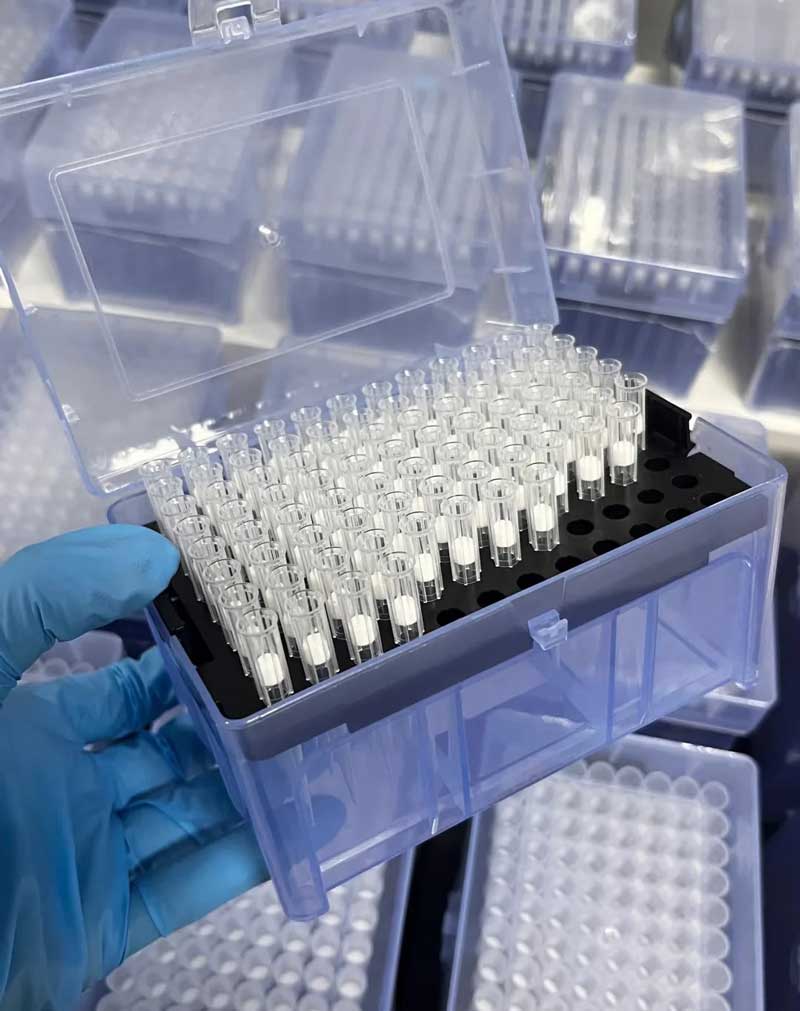
Low-Bind Filter Tip Pipettes – Protein Nucleic Acid Workflows
Future Trends in Filter Tip Pipette Technology
The evolution of laboratory pipetting tools continues to accelerate as new technologies reshape scientific workflows. We observe significant developments in materials science, automation capabilities, and digital integration that will transform how you conduct laboratory operations.
Advanced Materials and Sustainable Design
Biodegradable polymer formulations now maintain hydrophobic low-bind properties while reducing environmental impact. These materials achieve sample retention below 1% without compromising performance standards. Nanotechnology surface treatments promise further improvements, potentially reducing retention below 0.1% for critical applications.
Smart tip technologies incorporate RFID tags and QR codes for automated tracking throughout workflows. This innovation provides complete traceability for regulatory compliance and quality management systems. You gain real-time visibility into tip usage and lot tracking for every experimental procedure.
Automation Integration Developments
Robotic liquid handling platforms drive standardization requirements for sterile pipetting accessories. Automated nucleic acid extraction workflows require tips with consistent dimensions across thousands of daily operations. Next-generation designs feature improved robot gripper compatibility and reduced static charge for reliable automated handling.
Strategic Planning for Laboratory Operations
The next decade brings increased integration with digital laboratory systems where tip usage automatically updates inventory management platforms. Specialized designs optimized for emerging applications like organoid culture, CRISPR-based protocols, and single-cell analysis will expand. We anticipate regulatory pressures driving adoption of recyclable materials while maintaining superior performance characteristics. Your strategic equipment investments should account for these technological developments to maintain competitive advantages in evolving research environments.

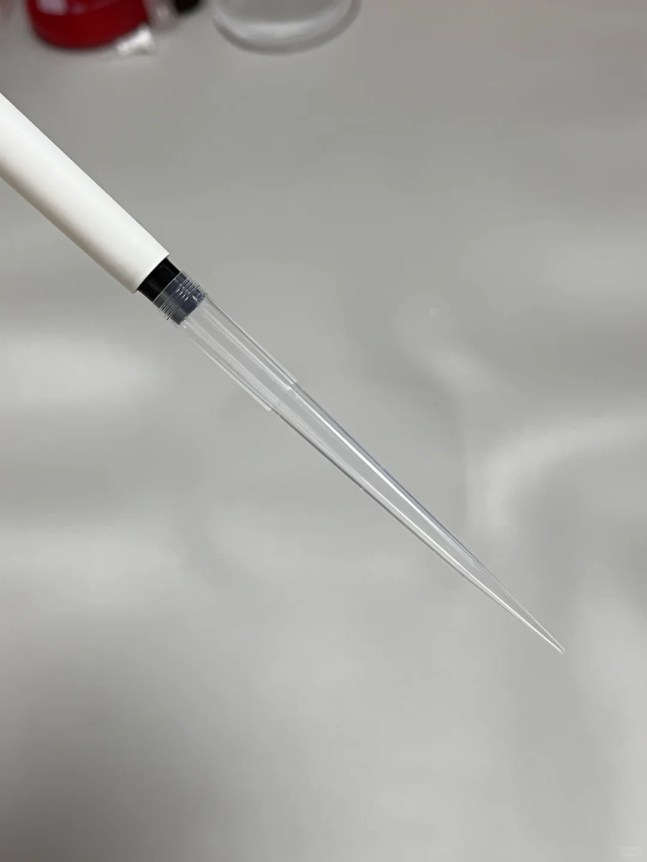
Low-Bind Filter Pipette Tips Close-Up
References and further readings:
1.Liu J, et al. Reducing protein adsorption in pipetting and sample storage using low-retention materials. Analytical Biochemistry. 2022;648:114723.
https://www.sciencedirect.com/science/article/pii/S0003269722001798?via%3Dihub2.Roca LS, et al. Minimizing protein loss during sample handling for mass spectrometry using low-binding labware. Analytical Chemistry. 2018;90(10):6494–6501.
https://pubs.acs.org/doi/10.1021/acs.analchem.8b002143.Gibson DS, et al. Assessing protein losses in low-binding microtubes and pipette tips during proteomic sample preparation. BioTechniques. 2013;54(6):321–327.
https://www.tandfonline.com/doi/full/10.2144/0001140394.Schroeder M, et al. Improving nucleic acid yield and purity by optimizing low-retention pipetting systems. Nucleic Acids Research. 2020;48(12):e73.
https://academic.oup.com/nar/article/48/12/6530/5841135?login=false
FAQ
What are low-bind filter tip pipettes and why are they essential for protein and nucleic acid work?
Low-bind filter tip pipettes are specialized contamination-free pipette tips engineered with integrated hydrophobic barrier filters and low-retention surface treatments. We designed these laboratory pipetting tools to address two critical challenges: preventing cross-contamination through aerosol barrier tips while maximizing sample recovery through reduced surface adhesion. When you work with proteins, DNA, RNA, enzymes, or antibodies, standard tips can retain 5-10% of your sample through surface adhesion, while low-bind variants reduce retention to less than 1%. This represents a 5-10 fold improvement in recovery efficiency, which directly translates to improved data quality and substantial cost savings when handling expensive biological materials. The integrated filter creates a physical barrier between your sample and the pipetting instrument, preventing both forward contamination (sample to pipette) and backward contamination (pipette to sample) during liquid handling operations.
How do the hydrophobic filters in filter tip pipettes prevent contamination?
The hydrophobic barrier filters in our aerosol barrier tips function through surface tension principles that discriminate between air molecules and liquid droplets. We construct these filters from polyethylene or similar materials that exhibit high contact angles (exceeding 100 degrees) with aqueous solutions, causing liquid droplets to bead on the surface rather than penetrating the membrane structure. The pore structure allows pressure equilibration during aspiration and dispensing—essential for accurate microliter volume transfer—while blocking aerosols and liquid droplets that could contaminate your pipette shaft or subsequent samples. When you pipette, air passes freely through the filter to maintain volumetric accuracy, but vapor-phase contaminants, aerosol droplets, and liquid splashes cannot penetrate the barrier. This mechanism provides critical protection in molecular diagnostics, PCR applications, and any workflow where cross-contamination would compromise experimental validity or introduce false-positive results.
What specific applications benefit most from low-bind filter tip pipettes?
Low-bind filter tip pipettes deliver the greatest value in applications where sample loss or contamination directly impacts results. We recommend these scientific measurement devices as essential research lab equipment for PCR and qPCR setup, where even minute DNA or RNA loss affects amplification efficiency and causes cycle threshold shifts that compromise quantification accuracy. In protein research, you will benefit when preparing antibody dilutions, enzyme assays, and immunoassay procedures where protein adherence to standard tip walls reduces effective reagent concentrations. Clinical diagnostics applications—particularly molecular diagnostic testing, blood chemistry analyses, and forensic DNA work—require the contamination prevention that filter tips provide when processing patient samples sequentially. Cell culture workflows benefit from the microbial contamination protection during media preparation and cell passage procedures. High-throughput screening in drug discovery demands the consistent precision liquid handling that filter tips deliver across thousands of wells. These sterile pipetting accessories have become standard in academic research laboratories, pharmaceutical development facilities, and clinical reference laboratories working with nucleic acids, proteins, and other valuable biological materials.
How do I select the correct filter tip pipettes for my laboratory’s specific needs?
Selecting optimal filter tip pipettes requires evaluating several factors to match performance characteristics to your workflow requirements. We recommend you begin by accurately assessing your volume requirements: choose tip sizes that position your typical working volumes in the 35-100% range of tip capacity, as pipettes deliver maximum precision within this range. Consider your sample types—viscous samples may require wider bore tips, while particulate-containing samples benefit from specialized geometries that prevent clogging. Evaluate sterility and certification requirements: molecular biology workflows require certified RNase/DNase-free tips to prevent nucleic acid degradation, while cell culture applications demand sterile tips for microbial contamination prevention. Compatibility with your pipette brands is critical for precision liquid handling, as proper seal formation between tip and pipette shaft depends on matching cone geometry, internal diameters, and taper angles to your manufacturer’s specifications. Universal fit tips offer convenience for laboratories using multiple pipette brands, though dedicated tips may provide superior performance optimization for specific instruments. Balance performance requirements with budget constraints by conducting cost-benefit analysis that includes reagent expenses and potential repeat experiment costs, not just per-tip pricing.
What is the difference between low-bind and standard filter tip pipettes in terms of performance?
The fundamental difference lies in surface treatment technology that dramatically affects sample recovery rates. Standard filter tips retain 5-10% of sample through surface adhesion to polypropylene walls, while low-bind filter tips reduce retention to less than 1% through hydrophobic surface treatments or specialized polymer formulations. We achieve this through surface energy reduction via plasma treatment, chemical modification, or incorporation of hydrophobic additives during manufacturing, creating surfaces where aqueous solutions cannot spread or adhere. When you work with a reagent costing 0 per mL in 10 μL volumes, the 5% sample loss with standard tips wastes
Leo Bios
Hello, I’m Leo Bios. As an assistant lecturer, I teach cellular and
molecular biology to undergraduates at a regional US Midwest university. I started as a research tech in
a biotech startup over a decade ago, working on molecular diagnostic tools. This practical experience
fuels my teaching and writing, keeping me engaged in biology’s evolution.




Leave a Comment
Your email address will not be published. Required fields are marked *