


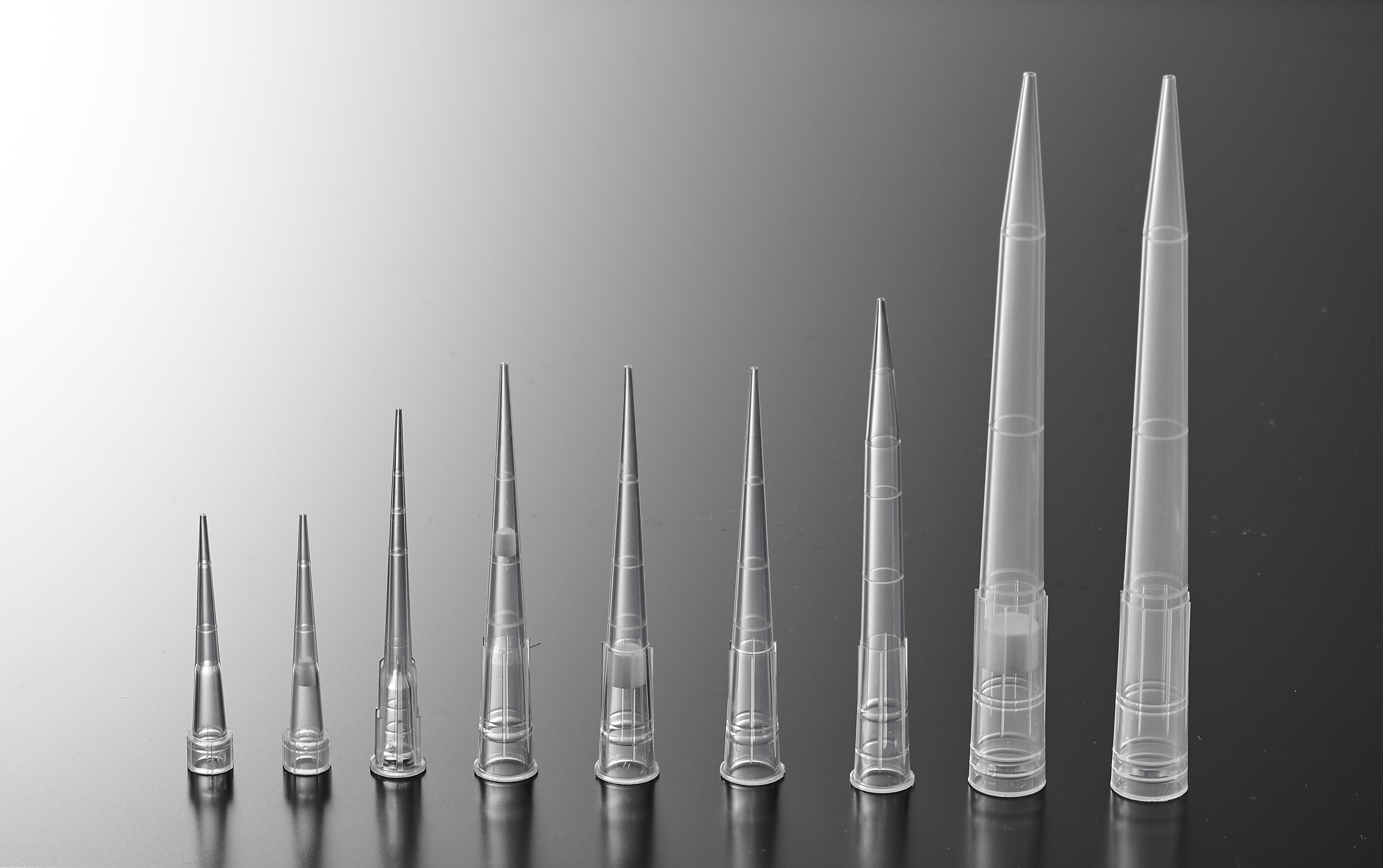
The design differences between automated pipette tips and regular tips reflect their distinct operational purposes in modern laboratories. Automated tips are specifically engineered for robotic liquid handling systems and high-throughput workstations. Regular tips serve manual operations with traditional handheld devices.
These fundamental design differences stem from varying performance requirements. Robotic systems demand precise dimensional tolerances and specialized attachment mechanisms. Manual applications prioritize user comfort and versatile compatibility across different instrument brands.
We recognize that laboratory professionals need clear guidance when selecting appropriate consumables for their workflows. The engineering approaches behind each tip category directly impact accuracy, efficiency, and operational costs. Understanding these distinctions helps you make informed decisions for your specific applications.
Key Takeaways
- Robotic systems require tips with precise dimensional specifications and specialized attachment features
- Manual tips prioritize universal compatibility and ergonomic handling characteristics
- High-throughput automation demands enhanced structural integrity and consistent performance
- Regular tips offer flexibility across multiple instrument brands and user preferences
- Design engineering focuses on different performance criteria for each application type
- Cost considerations vary significantly between automated and manual tip categories
Understanding Automated Pipette Tips
Automated pipette tips represent a specialized category of laboratory consumables engineered specifically for robotic liquid handling systems. These precision-crafted components enable laboratories to achieve consistent, high-volume processing while maintaining the accuracy standards required in modern research and diagnostic applications.
We recognize that the transition from manual to automated liquid handling represents a significant advancement in laboratory efficiency. Automated tips bridge the gap between human precision and robotic consistency, delivering reliable performance across thousands of repetitive operations.
Definition and Functionality
Automated pipette tips function as the critical interface between robotic automation systems and liquid samples. These tips feature engineered specifications that ensure seamless compatibility with workstations from major manufacturers including Tecan, Hamilton, and Beckman Coulter platforms.
The functionality extends beyond simple liquid transfer. These tips enable high-throughput experiments with automated equipment like nucleic acid extractors and cryopreservation systems. Each tip maintains precise dimensional tolerances that guarantee consistent sealing and liquid retention during rapid robotic movements.
Unlike manual alternatives, automated tips undergo rigorous quality control processes. We ensure each tip meets strict specifications for concentricity, wall thickness, and tip geometry. This precision enables laboratories to process hundreds of samples per hour while maintaining accuracy levels comparable to manual pipetting.
Key Features of Automated Pipette Tips
Enhanced structural integrity represents the primary distinguishing feature of automated tips. These laboratory consumables withstand the mechanical stresses imposed by robotic handling systems operating at high speeds. The reinforced construction prevents tip deformation during automated pickup and ejection cycles.
Standardized dimensions ensure consistent performance across different automation systems. Each tip maintains precise external and internal geometries that guarantee proper sealing with robotic pipetting heads. This standardization eliminates the variability often associated with manual tip selection.
Specialized sealing mechanisms provide reliable liquid retention during high-speed operations. The tip-to-pipette interface features enhanced sealing surfaces that prevent sample loss or cross-contamination during automated workflows. These features enable laboratories to achieve reproducible results across extended processing runs.
Advanced material formulations resist chemical degradation and maintain dimensional stability under varying temperature conditions. This durability ensures consistent performance whether processing samples at room temperature or in heated incubation protocols commonly used in molecular biology applications.
The Basics of Regular Pipette Tips
Regular pipette tips represent the foundation of manual liquid handling in laboratories worldwide. These essential consumables have maintained their position as the most trusted solution for precise liquid transfer across diverse scientific applications. We recognize their importance in supporting accurate research outcomes and reliable experimental procedures.
The widespread adoption of regular pipette tips stems from their proven reliability and cost-effective design. Laboratory professionals depend on these tools for consistent performance in routine operations. Their universal compatibility makes them an indispensable component of modern laboratory workflows.
Traditional Design Characteristics
The conventional cone-shaped structure defines the core architecture of regular pipette tips. This tapered design ensures secure attachment to manual pipettes while maintaining optimal fluid dynamics during liquid transfer operations. The standardized dimensions follow industry specifications that guarantee compatibility across different manufacturers.
Key design features include:
- Optimized taper angles for reliable pipette attachment and seal integrity
- Standardized volume capacities ranging from microliters to milliliters
- Universal compatibility with manual pipettes from various manufacturers
- Consistent wall thickness for structural stability during use
The material properties of regular pipette tips focus on chemical resistance and dimensional accuracy. These characteristics ensure consistent performance across temperature variations and diverse chemical environments. The manufacturing process maintains tight tolerances to support precise volume measurements.
Traditional packaging formats offer flexibility for different laboratory needs. You can choose from bagged options for high-volume applications, boxed formats for organized storage, or pre-packed configurations for sterile procedures.
Typical Applications of Regular Tips
Routine laboratory procedures represent the primary application domain for regular pipette tips. These versatile tools excel in reagent preparation, sample aliquoting, and buffer transfers where manual control provides the necessary flexibility. Their performance suits analytical work requiring operator judgment and real-time adjustments.
Common laboratory applications include:
- Sample preparation and dilution procedures
- Reagent dispensing for analytical assays
- Buffer preparation and pH adjustments
- Cell culture media transfers
- Quality control testing protocols
The versatility of regular pipette tips extends across multiple scientific disciplines. Chemistry laboratories utilize them for solution preparation and titration procedures. Biology research facilities depend on them for cell culture work and molecular biology applications.
Clinical diagnostics laboratories rely on these tips for sample processing and assay preparation. Their cost-effectiveness makes them particularly suitable for high-throughput operations where budget considerations are important. The broad compatibility ensures seamless integration with existing manual pipettes and laboratory protocols.
Comparing Material Composition
Understanding material differences between automated and regular pipette tips reveals critical performance factors that directly impact laboratory efficiency. The choice of materials significantly influences how tips perform under various conditions and determines their pipette compatibility across different systems. We examine these material distinctions to help you make informed decisions for your laboratory applications.
Material composition affects everything from chemical resistance to dimensional stability. Laboratory professionals must consider these factors when selecting appropriate tips for their specific protocols and equipment requirements.
High-Performance Materials for Automated Systems
Automated pipette tips utilize high-grade polypropylene formulations specifically engineered for enhanced durability and precision. These advanced materials must withstand repeated mechanical stress from robotic tip loading and ejection mechanisms. The formulations maintain precise dimensional tolerances essential for consistent automated operations.
Most automated tips feature specialized polypropylene compositions that provide superior structural features compared to standard alternatives. These materials undergo rigorous quality control processes to ensure uniform wall thickness and optimal flexibility characteristics.
Specialized treatments enhance performance further. Hydrophobic coatings reduce liquid retention, while surface modifications improve chemical inertness. These enhancements make automated tips suitable for demanding applications requiring exceptional precision and consistency.
Standard Materials in Regular Pipette Tips
Regular pipette tips typically employ standard polypropylene compositions optimized for cost-effectiveness and general laboratory use. These materials provide adequate chemical resistance and sterilization compatibility for manual pipetting applications. The focus remains on delivering reliable performance at accessible price points.
Standard polypropylene allows high-temperature and high-pressure sterilization processing, making it ideal for routine laboratory work. This material choice ensures pipette compatibility with most manual pipetting systems while maintaining essential safety standards.
Regular tips prioritize practical functionality over specialized performance characteristics. The material selection balances durability with affordability, making them suitable for educational institutions and laboratories with moderate throughput requirements.
Different materials may be used for specialized applications, including 5 ml pipette tips for precise in specific laboratory protocols. These variations address unique requirements while maintaining core performance standards.
The structural features of regular tips focus on essential functionality rather than advanced engineering. Wall thickness variations and flexibility characteristics meet standard laboratory requirements without the enhanced specifications needed for automated systems.
Ergonomics and User Experience
The ergonomic design of pipette tips directly impacts laboratory efficiency and user comfort during liquid handling procedures. We recognize that different tip designs create distinct user experiences based on their intended applications and operational requirements.
Laboratory professionals face varying ergonomic challenges depending on whether they work with automated systems or manual pipetting equipment. The design priorities shift dramatically between these two approaches.
Handling Characteristics of Automated Tips
Automated pipette tips eliminate direct human contact during operation, fundamentally changing ergonomic considerations. These tips focus on mechanical compatibility rather than human comfort factors.
The design emphasizes consistent dimensional tolerances that ensure reliable robotic handling. Precision in manufacturing becomes critical for seamless integration with automated systems.
Maintenance accessibility represents the primary ergonomic concern for automated tips. Laboratory technicians need easy access for system cleaning and tip replacement without compromising safety protocols.
The reduced physical interaction means that automated tips can prioritize performance characteristics over traditional comfort features. This design freedom allows manufacturers to optimize for accuracy and contamination prevention.
User Feedback on Regular Pipette Tips
Regular pipette tips receive extensive user feedback regarding comfort and usability during extended liquid handling sessions. Laboratory professionals consistently emphasize the importance of tip attachment force and ejection mechanisms.
Users report that excessive attachment force leads to hand fatigue during repetitive pipetting tasks. The ideal tip requires minimal force for secure attachment while maintaining reliable sealing.
Ejection button responsiveness significantly affects user comfort during long procedures. Smooth ejection mechanisms reduce thumb strain and improve overall workflow efficiency.
Visual clarity represents another crucial feedback area from laboratory professionals. Clear tip materials allow accurate liquid level observation, which enhances precision in manual operations.
Grip comfort becomes essential for sustained use, with users preferring tips that minimize hand cramping during extended pipetting sessions. The tip design must balance secure handling with comfortable manipulation.
User surveys consistently highlight fatigue reduction as a primary concern when selecting regular pipette tips for routine laboratory work.
Compatibility with Pipetting Systems
The relationship between pipette tips and automation systems forms the foundation of reliable laboratory workflows. Understanding pipette compatibility requirements ensures optimal performance across different laboratory platforms. We examine the critical factors that determine successful tip-to-system matching for both automated and manual pipetting applications.
Modern laboratories rely on precise compatibility specifications to maintain consistent results. Different pipetting platforms require specific dimensional tolerances and attachment mechanisms. These requirements directly impact your laboratory’s efficiency and measurement accuracy.
Choose the Right Tips for Automated Systems
Automation systems demand precise tip specifications that exceed standard manual pipette requirements. Robotic liquid handlers require tips with exact dimensional tolerances to ensure proper sealing and attachment. The geometric precision must match the automated platform’s mechanical specifications.
Key compatibility factors for automated platforms include:
- Attachment force specifications – Consistent mounting pressure across all tip positions
- Dimensional accuracy – Precise cone geometry for reliable system integration
- Material consistency – Uniform properties that meet robotic handling requirements
- Packaging formats – Sterile presentation compatible with automated loading systems
We recommend evaluating your specific automation platform’s requirements before selecting tips. Different manufacturers provide compatibility matrices that outline approved tip specifications. Wide-bore pipette tips offer enhanced compatibility with certain automated systems requiring larger orifice designs.
Quality control standards for automated applications require stricter manufacturing tolerances. These specifications ensure consistent performance across thousands of pipetting cycles without system interruption.
Regular Tips and their Pipette Compatibility
Regular pipette tips feature universal design principles that enable broad pipette compatibility across manual systems. Standard cone dimensions follow international specifications that work with most manual pipette brands. This universal approach simplifies inventory management and reduces compatibility concerns.
Manual pipetting systems offer greater flexibility in tip selection. The attachment mechanisms accommodate slight variations in tip geometry without compromising performance. This tolerance allows laboratories to use different tip brands interchangeably.
Essential compatibility considerations include:
- Volume range matching – Selecting tips appropriate for your pipette’s capacity
- Chemical resistance – Ensuring material compatibility with your applications
- Sealing characteristics – Maintaining proper vacuum for accurate liquid handling
- Ejection force – Balanced removal that prevents tip retention or premature release
Regular tips provide cost-effective solutions for routine laboratory work. Their standardized design ensures reliable performance across diverse manual pipetting applications. We suggest maintaining compatibility records to streamline future purchasing decisions and ensure consistent laboratory operations.
Performance Differences
Measuring the performance differences between automated and regular pipette tips requires analyzing precision, accuracy, and reliability under real-world conditions. We evaluate these characteristics to help you optimize your laboratory workflows and achieve consistent results.
Performance metrics vary significantly based on the intended application environment. Automated systems demand exceptional repeatability across thousands of operations. Regular tips focus on reliable manual performance with acceptable variation ranges.
Precision and Accuracy in Automated Tips
Automated pipette tips deliver superior precision through engineered design features that minimize variation. These tips achieve coefficient of variation values below 1% in robotic liquid handling systems. The consistent manufacturing tolerances ensure uniform liquid retention characteristics.
Volumetric accuracy reaches exceptional levels in automated applications. We observe enhanced sealing mechanisms that prevent air gaps and liquid carryover. This design approach supports high-throughput laboratories requiring statistical reliability across extended operation periods.
The tip-to-pipette interface maintains consistent contact pressure in automated systems. This stability reduces measurement drift and enhances reproducibility. Precision benefits from reduced human variables that typically affect manual pipetting operations.
Reliability of Regular Pipette Tips
Regular pipette tips demonstrate consistent performance in manual applications where operator technique influences results. These tips accommodate natural variations in handling pressure and dispensing speed. We find acceptable error ranges for most standard laboratory procedures.
Long-term reliability depends on proper storage and handling protocols. Regular tips maintain their performance characteristics through multiple autoclave cycles. The material composition supports repeated use without significant degradation in liquid handling accuracy.
Cross-contamination prevention remains effective in regular tip designs. The standard ejection mechanisms work reliably across different pipette brands. This compatibility ensures consistent performance regardless of the specific manual pipetting system used.
| Performance Metric | Automated Tips | Regular Tips | Typical Application |
|---|---|---|---|
| Coefficient of Variation | <1% | 1-3% | High-throughput screening |
| Volumetric Accuracy | ±0.5% | ±1-2% | Quantitative analysis |
| Reproducibility | Excellent | Good | Serial dilutions |
| Cross-contamination Risk | Minimal | Low | Sample preparation |
Performance optimization requires matching tip characteristics to your specific liquid handling requirements. Automated tips excel in applications demanding maximum precision and minimal variation. Regular tips provide reliable performance for routine laboratory work with acceptable accuracy ranges.
Cost Considerations
Budget considerations significantly influence laboratory purchasing decisions when selecting between automated and regular pipette tips. We understand that cost analysis extends beyond initial purchase prices to include total ownership expenses and operational efficiency gains. The economic impact of tip selection affects laboratory budgets, workflow productivity, and long-term operational sustainability.
Price variations between tip types reflect manufacturing complexity and specialized requirements. Regular tips offer immediate cost advantages for routine applications. Automated tips command premium pricing due to enhanced precision manufacturing and compatibility testing requirements.
Price Range of Automated Pipette Tips
Automated pipette tips typically cost 25-40% more than standard alternatives due to specialized manufacturing processes. These laboratory consumables require precise dimensional tolerances and enhanced quality control standards. Manufacturing volumes remain lower than regular tips, contributing to higher unit costs.
Premium pricing reflects several key factors. Specialized materials ensure consistent performance in robotic systems. Enhanced manufacturing tolerances guarantee reliable automation compatibility. Rigorous testing protocols verify dimensional accuracy and sealing properties.
Volume pricing structures provide cost relief for high-throughput laboratories. Bulk purchasing agreements can reduce unit costs by 15-20%. Long-term contracts offer additional savings opportunities for consistent users.
Budget Options for Regular Tips
Regular pipette tips provide cost-effective solutions for manual pipetting applications. These laboratory consumables maintain acceptable performance standards while offering significant cost advantages. Budget-conscious laboratories can achieve substantial savings without compromising basic functionality.
Several strategies help optimize regular tip procurement costs. Generic alternatives offer 30-50% savings compared to premium brands. Bulk packaging reduces per-unit expenses through economies of scale. Multi-volume tip sets provide versatility while maintaining cost efficiency.
The design differences between regular and automated tips directly impact pricing structures. Simplified manufacturing processes reduce production costs. Standard quality control requirements minimize testing expenses. Higher production volumes enable competitive pricing strategies.
| Cost Factor | Automated Tips | Regular Tips | Cost Difference |
|---|---|---|---|
| Unit Price Range | $0.08-$0.15 | $0.05-$0.10 | 25-40% higher |
| Bulk Discount | 15-20% | 20-30% | Lower discount rate |
| Quality Control | Enhanced testing | Standard testing | Higher QC costs |
| Manufacturing Volume | Lower volume | Higher volume | Volume disadvantage |
Total cost of ownership analysis reveals important considerations beyond initial purchase prices. Automated tips may reduce labor costs through improved efficiency. Regular tips minimize upfront investment while maintaining operational flexibility. We recommend evaluating both immediate budget constraints and long-term operational benefits when making procurement decisions.
Environmental Impact
Environmental considerations have become increasingly important in laboratory operations as facilities seek to balance scientific requirements with sustainability goals. The choice between automated and regular pipette tips now extends beyond performance metrics to include environmental responsibility. We examine how different tip designs affect waste streams and resource consumption in modern research facilities.
Laboratory managers must evaluate the complete lifecycle of laboratory consumables when making procurement decisions. This includes manufacturing processes, packaging materials, usage efficiency, and end-of-life disposal options. Both automated and regular tips present unique environmental challenges and opportunities.
Sustainability of Automated Pipette Tips
Automated pipette tips demonstrate environmental advantages through improved precision and reduced waste generation. Their enhanced accuracy minimizes sample loss and repeat procedures, effectively reducing overall consumable usage per successful experiment. The structural features of automated tips contribute to this efficiency by ensuring consistent performance.
Manufacturing processes for automated tips often incorporate recycled polypropylene materials without compromising sterility requirements. Many suppliers now offer tips produced using renewable energy sources and optimized packaging that reduces transportation emissions. These initiatives help offset the typically higher per-unit environmental cost of automated tips.
The concentrated usage patterns in automated systems create opportunities for bulk purchasing and reduced packaging waste. High-throughput laboratories can implement vendor take-back programs where used tip boxes are returned for material recovery and recycling.
Waste Management for Regular Pipette Tips
Regular pipette tips generate significant waste volumes in manual pipetting operations, but their simpler design offers certain environmental advantages. The straightforward polypropylene construction facilitates easier recycling processes compared to more complex automated tip designs.
Polypropylene tips can be processed for sterilization and reuse in some applications, though most laboratory applications require single-use disposable tips for contamination prevention. This creates tension between environmental goals and scientific integrity requirements.
Waste reduction strategies for regular tips include implementing precise inventory management to prevent over-ordering and establishing segregated collection systems for recyclable materials. Some facilities successfully operate tip washing and sterilization programs for non-critical applications.
Emerging biodegradable alternatives show promise for reducing long-term environmental impact. However, these materials must meet stringent performance standards for chemical resistance and dimensional stability. Laboratory consumables manufacturers continue developing sustainable materials that maintain the reliability essential for scientific research.
Disposal protocols vary significantly between institutions, with some facilities achieving up to 60% recycling rates for polypropylene tips through dedicated waste stream management. The key lies in balancing environmental responsibility with the contamination control requirements that ensure research validity.
Maintenance and Cleaning
Both automation systems and manual pipettes require specific maintenance protocols to ensure consistent performance. We understand that proper care procedures directly impact laboratory accuracy and safety standards. Laboratory professionals must implement appropriate cleaning and maintenance strategies based on their specific tip types and applications.
Different pipette tip designs demand unique maintenance approaches. Automated systems require system-level considerations that extend beyond individual tip care. Regular tips focus primarily on proper handling and disposal protocols that maintain laboratory safety standards.
Care for Automated Pipette Tips
Automated pipette tips require comprehensive system maintenance that addresses both tip integrity and equipment functionality. Storage conditions play a critical role in maintaining tip quality for robotic applications. We recommend controlled temperature environments between 15-30°C with relative humidity below 80%.
Tip rack cleaning represents a fundamental maintenance requirement for automation systems. Regular inspection and cleaning of loading mechanisms prevent contamination and ensure smooth operation. Calibration procedures should be performed monthly to maintain dispensing accuracy.
Contamination prevention strategies include proper tip rack handling and storage protocols. Laboratory personnel must avoid touching tip surfaces during rack installation. Quality control procedures should include visual inspection for cracks, deformation, or foreign particles before system loading.
Cleaning Protocols for Regular Tips
Regular pipette tips follow different maintenance protocols depending on their intended use. Single-use disposal remains the standard practice for most laboratory applications. However, specialized reuse protocols exist for specific research requirements and cost-sensitive applications.
Sterilization methods for reusable tips include autoclaving at 121°C for 15-20 minutes. The polypropylene construction of most tips allows high-temperature processing without structural damage. Chemical disinfection using 70% ethanol or 10% bleach solution provides alternative sterilization options.
UV treatment offers another sterilization approach for contamination-sensitive applications. Exposure times of 30-60 minutes under UV-C light effectively eliminate most biological contaminants. Manual pipettes benefit from regular calibration checks when using sterilized tips repeatedly.
| Maintenance Aspect | Automated Tips | Regular Tips | Frequency |
|---|---|---|---|
| Storage Requirements | Climate-controlled racks, contamination barriers | Standard laboratory conditions, sealed packaging | Continuous |
| Cleaning Protocol | System-level rack cleaning, mechanism maintenance | Individual tip sterilization or disposal | Daily/Per use |
| Quality Control | Automated inspection, calibration verification | Visual inspection, manual testing | Weekly |
| Contamination Prevention | Sealed loading systems, robotic handling | Proper handling techniques, sterile storage | Per procedure |
Regulatory compliance requirements vary based on laboratory type and application. Clinical laboratories must follow FDA guidelines for medical device maintenance. Research facilities typically adhere to institutional biosafety protocols and manufacturer recommendations.
Chemical compatibility considerations affect cleaning protocol selection. Aggressive solvents may degrade polypropylene materials over time. We recommend testing cleaning agents on sample tips before implementing new protocols across entire laboratory operations.
Documentation requirements include maintenance logs, calibration records, and quality control data. Traceability systems help laboratories maintain compliance with regulatory standards and identify potential issues before they impact research results.
Selecting the Right Tip for Your Needs
Choosing the optimal pipette tip requires careful evaluation of your laboratory’s specific operational requirements. We understand that selecting between automated and regular pipette tips involves analyzing multiple performance factors and operational constraints. The decision impacts not only your liquid handling efficiency but also long-term laboratory productivity and cost management.
Your selection process should begin with a thorough assessment of current workflows and future scalability needs. Laboratory professionals must consider technical specifications, compatibility requirements, and operational demands when making these critical decisions.
Factors to Consider for Automated Tips
Automated pipette tips require specific technical considerations that differ significantly from regular tip selection criteria. Pipette compatibility becomes the primary factor when integrating tips with automated liquid handling systems.
System integration demands precise dimensional tolerances and consistent manufacturing standards. Your automated equipment requires tips that maintain exact specifications for proper sealing and accurate volume delivery. We recommend evaluating tip geometry, including outer diameter measurements and internal volume consistency.
Throughput requirements directly influence tip selection for automated applications. High-volume operations benefit from tips designed for rapid loading and ejection cycles. Consider the following critical factors:
- Dimensional precision for consistent system performance
- Material compatibility with automated handling mechanisms
- Volume range specifications matching your application needs
- Contamination prevention features for sensitive samples
- Integration capabilities with existing laboratory automation
Performance validation becomes essential when selecting automated tips. Your laboratory should establish testing protocols that verify accuracy and precision across the entire volume range. We emphasize the importance of conducting compatibility testing with your specific automated systems before making large-scale purchases.
Choosing Between Regular and Automated Tips
The decision between regular and automated tips requires systematic evaluation of operational priorities and resource allocation. We provide comprehensive decision frameworks that help laboratories optimize their liquid handling capabilities while managing costs effectively.
Cost considerations play a significant role in tip selection decisions. Regular tips typically offer lower per-unit costs but may require higher labor investments for manual operations. Automated tips command premium pricing but deliver substantial efficiency gains in high-throughput environments.
Workflow analysis helps determine the most suitable tip type for your applications. Manual procedures with moderate throughput requirements often benefit from regular tips, while high-volume operations achieve better efficiency with automated solutions.
| Selection Criteria | Regular Tips | Automated Tips | Recommendation |
|---|---|---|---|
| Daily Sample Volume | Under 500 samples | Over 500 samples | Choose based on throughput needs |
| Precision Requirements | Standard accuracy | High precision | Automated for critical applications |
| Budget Constraints | Cost-effective | Higher investment | Consider long-term ROI |
| Staff Training | Minimal training | Specialized training | Evaluate training resources |
| Contamination Risk | Manual handling risks | Reduced contamination | Automated for sensitive work |
Scalability considerations influence long-term tip selection strategies. Your laboratory’s growth plans should factor into current purchasing decisions. Pipette compatibility with future equipment upgrades ensures investment protection and operational continuity.
We recommend conducting pilot testing with both tip types before making final selections. This approach allows direct comparison of performance characteristics under your specific operating conditions. Document accuracy measurements, throughput rates, and user feedback during evaluation periods.
Staff expertise and training requirements also impact tip selection decisions. Regular tips require minimal specialized training, while automated systems demand comprehensive operator education. Consider your team’s technical capabilities and available training resources when making selection decisions.
Quality assurance protocols should guide your final tip selection process. Establish performance benchmarks that align with your laboratory’s accuracy requirements and regulatory compliance needs. Regular performance monitoring ensures continued optimal results regardless of tip type selection.

automation tips supplier
Future Trends in Pipette Tip Design
The evolution of laboratory automation continues to drive innovation in pipette tip technology. We see emerging trends that will reshape how laboratories approach liquid handling efficiency and precision. These developments focus on addressing current limitations while preparing for next-generation laboratory requirements.
Smart Technology Integration
Automated tip technology is advancing toward intelligent systems with integrated sensors and RFID capabilities. These innovations enable real-time inventory tracking and quality monitoring. Smart tips will feature specialized coatings that minimize liquid retention while providing enhanced compatibility across diverse automated platforms. The structural features of these advanced tips incorporate precision engineering that supports high-throughput applications with improved reliability.
Sustainable Material Innovations
Regular pipette tips are evolving to meet environmental sustainability demands. Manufacturers are developing biodegradable materials and improved low-retention surfaces that maintain performance standards. Design differences between traditional and eco-friendly options are becoming less pronounced as new materials match the precision of conventional plastics. Ergonomic improvements focus on reducing repetitive strain while maintaining the versatility that makes manual pipetting valuable.
These technological advances will transform laboratory operations by combining enhanced performance with environmental responsibility. The future of pipette tip design balances automation efficiency with sustainable practices, ensuring laboratories can meet both productivity and environmental goals.
References and further readings:
1.Marx V. Pipetting in the automated era: tip design considerations for high-throughput workflows. Nat Methods. 2015;12(5):387-392. https://www.nature.com/articles/nmeth.33622.Hedman J, Gustavsson I, Ansell R. Design features of filter tips and their performance in PCR contamination control. Forensic Sci Int Genet. 2009;3(3):174-178.
https://www.fsigenetics.com/article/S1872-4973(08)00189-0/abstract3.Kumar V, Singh R, Rathore AS. Critical evaluation of pipette tip design for automated bioprocess sampling. Biotechnol Prog. 2017;33(6):1511-1519.
https://aiche.onlinelibrary.wiley.com/doi/10.1002/btpr.2520
FAQ
What is the main difference between automated pipette tips and regular pipette tips?
The primary difference lies in their design philosophy and intended use. Automated pipette tips are engineered specifically for robotic liquid handling systems, featuring enhanced structural integrity, standardized dimensions, and specialized sealing mechanisms for high-speed operations. Regular pipette tips are designed for manual pipetting applications, emphasizing universal compatibility, cost-effectiveness, and ergonomic considerations for human operators.
Can I use regular pipette tips with automated liquid handling systems?
We do not recommend using regular pipette tips with automated systems. Automated pipette tips require precise dimensional tolerances, enhanced durability, and specific attachment mechanisms to function reliably within robotic platforms. Regular tips may not meet the mechanical stress requirements or dimensional specifications needed for consistent automated performance, potentially leading to system malfunctions or inaccurate results.
Why are automated pipette tips more expensive than regular tips?
Automated pipette tips cost more due to specialized manufacturing requirements, including precision engineering tolerances, enhanced quality control standards, and lower production volumes. The materials used are typically high-grade polypropylene formulations designed for durability under robotic handling conditions. These factors, combined with compatibility testing requirements, contribute to higher unit costs compared to regular tips optimized for cost-effective manual use.
What materials are commonly used in automated versus regular pipette tips?
Automated tips typically use high-grade polypropylene formulations engineered for enhanced durability and dimensional stability under robotic handling. Regular pipette tips utilize standard polypropylene compositions optimized for cost-effectiveness and general laboratory use. Both types may feature specialized treatments such as hydrophobic coatings for low-retention applications, but automated tips require more stringent material specifications for consistent performance.
How do I choose the right pipette tips for my laboratory automation system?
Selecting compatible tips for automated systems requires understanding specific dimensional requirements, attachment mechanisms, and performance specifications mandated by your robotic liquid handler. We recommend consulting compatibility matrices for your specific automated platform, considering factors such as tip geometry, material properties, manufacturing tolerances, volume ranges, and chemical compatibility requirements for your applications.
Are automated pipette tips more accurate than regular tips?
Automated pipette tips are designed to deliver exceptional repeatability and minimal variation across thousands of operations when used with robotic systems. They contribute to reduced coefficient of variation and enhanced volumetric accuracy in high-throughput applications. Regular pipette tips provide reliable performance in manual applications, but their accuracy depends more on human technique variables and proper pipetting protocols.
What are the typical applications for regular pipette tips?
Regular pipette tips are ideal for routine laboratory procedures including reagent preparation, sample aliquoting, buffer transfers, and general analytical work where manual control and flexibility are preferred. They excel in diverse scientific disciplines including chemistry, biology, clinical diagnostics, and research applications where cost-effectiveness, broad compatibility, and operational flexibility are primary considerations.
How should I maintain and clean automated pipette tips?
Automated pipette tips require system-level maintenance considerations, including proper storage conditions, contamination prevention of automated tip loading mechanisms, and quality control protocols. Focus on maintaining tip rack cleanliness, loading mechanism calibration, and following manufacturer-specified storage and handling procedures to ensure consistent performance in robotic applications.
What environmental considerations should I factor when choosing between tip types?
Both tip types have environmental implications. Automated tips may have higher individual environmental footprints due to specialized manufacturing but can reduce overall waste through improved precision and efficiency in high-throughput operations. Regular tips typically involve higher volumes in manual operations but may offer more recycling opportunities. Consider material recyclability, packaging optimization, and waste reduction strategies when making procurement decisions.
What future innovations can we expect in pipette tip technology?
Emerging trends include smart tip technologies with integrated sensors, RFID-enabled tips for inventory tracking, advanced materials with improved low-retention surfaces, and biodegradable alternatives. For automated tips, we expect enhanced precision engineering and modular designs for better platform compatibility. Regular tips will likely see ergonomic improvements and sustainable material alternatives while maintaining their versatility advantages.
How do I determine if my laboratory needs automated or regular pipette tips?
Consider your throughput requirements, precision needs, operational flexibility demands, and cost considerations. Choose automated tips if you have robotic liquid handling systems, require high-throughput processing, need exceptional repeatability, and can justify higher costs through efficiency gains. Select regular tips for manual pipetting applications, diverse sample types, budget-conscious operations, and workflows requiring operational flexibility and broad pipette compatibility.
What structural features make automated pipette tips suitable for robotic systems?
Automated pipette tips feature enhanced structural integrity for mechanical handling, standardized dimensions for consistent performance across platforms, specialized sealing mechanisms for reliable liquid retention during high-speed operations, and precise dimensional tolerances that ensure proper attachment to robotic pipetting heads. These structural features enable reliable operation under the mechanical stresses of automated liquid handling systems.
Leo Bios
Hello, I’m Leo Bios. As an assistant lecturer, I teach cellular and
molecular biology to undergraduates at a regional US Midwest university. I started as a research tech in
a biotech startup over a decade ago, working on molecular diagnostic tools. This practical experience
fuels my teaching and writing, keeping me engaged in biology’s evolution.




Leave a Comment
Your email address will not be published. Required fields are marked *