


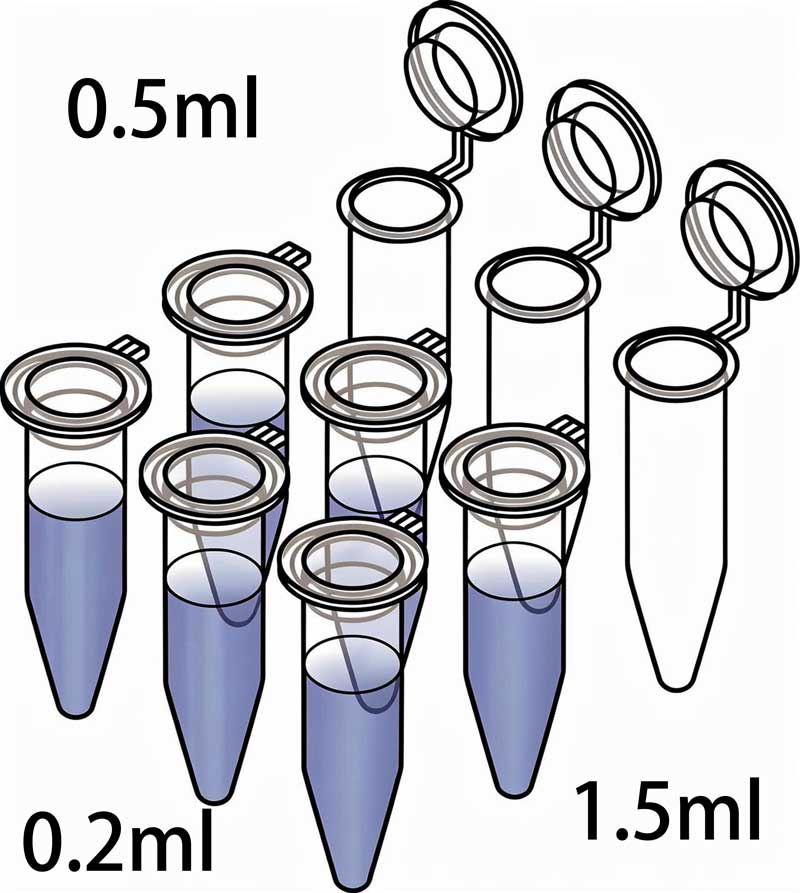
Different types of PCR need different PCR tube sizes. Choosing the right size is key for better results. It affects how well heat moves and how much sample you can use.
Designing PCR tubes also means thinking about mixing and preventing evaporation. These factors are important for good reactions. For more on PCR tube designs, check out this source.
Each PCR tube size affects reactions differently. Knowing this is important for using PCR well in labs today.
Key Takeaways
- The right PCR tube dimensions are vital for effective experimental outcomes.
- Thermal transfer efficiency depends on tube size and design.
- Specific applications require tailored PCR tube specifications.
- Mixing efficiency is enhanced in smaller volume tubes.
- Evaporation control is critical in long-duration PCR reactions.
Thermal Transfer Efficiency
Thermal transfer efficiency is key in optimizing PCR protocols. It greatly impacts PCR cycling speed, which is vital for accurate results. Knowing how PCR tube dimensions affect this efficiency is crucial for better performance in PCR applications.
Thermal Mass Impact: Smaller tubes with lower thermal masses enable faster heat transfer, crucial for rapid cycling
Smaller PCR tubes have lower thermal masses, leading to quicker heat transfer. This speeds up both heating and cooling, boosting thermal transfer efficiency. For fast cycling PCR, like rapid cycling PCR, smaller tubes are essential. They help cut down the time to reach target temperatures, aiding in faster experimental setups.
Reaction Kinetics: Tube dimensions affect how quickly reaction mixtures reach optimal temperatures, influencing PCR
PCR tube dimensions are crucial for reaction kinetics. If the thermal transfer efficiency is low due to wrong tube sizes, mixtures may not quickly reach optimal temperatures. This can harm DNA amplification, leading to lower yields. Knowing the link between tube dimensions and reaction kinetics helps researchers pick the right equipment. This ensures effective amplification and reliable results.
Sample Volume Requirements
In PCR, different needs call for specific sample volumes for the best results. It’s key to pick the right PCR tubes, as the PCR tube volume is crucial for success.
Low-Volume PCR
For low-volume PCR, like single-cell PCR, tiny samples are needed. Small PCR tubes are used to keep samples safe from evaporation. Managing the volume well is important, as losing sample can harm the outcome.
High-Throughput and Multiplex PCR
On the other hand, high-throughput and multiplex PCR need more sample volume. The right PCR tube size is important to avoid losing sample and to get reliable results. A PCR tube dimensions chart helps choose the best tube size for your needs.
Mixing and Homogeneity
Getting samples to mix well in PCR tubes is key for good results. The right PCR tube size can make a big difference. Smaller tubes help mix better and make samples more uniform.
Agitation Efficiency
Smaller tubes mix better when you use methods like vortexing. This makes the reagents spread out quickly and evenly. Better mixing means better reactions and consistent results.
Surface-To-Volume Ratio
The size of PCR tubes affects how much surface area there is compared to volume. More surface area helps the sample mix better with the tube. Different sizes can change how well things mix, which affects the results.
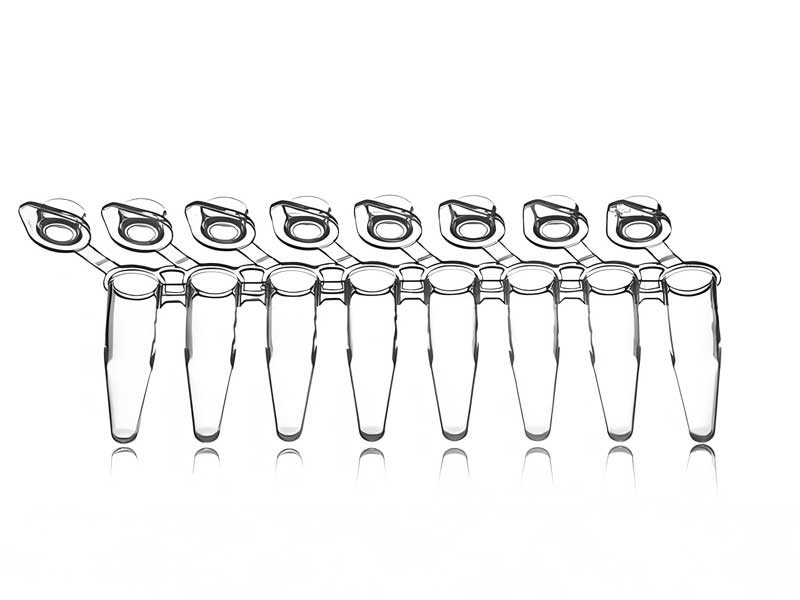
PCR-tubes
Optical Properties for Detection
The way PCR tubes work is key to getting good results in real-time PCR. The size and material of the tubes matter a lot. They affect how well light goes through, which is important for getting accurate readings.
Fluorescent-Based Detection
Using special materials like polypropylenes helps a lot. These tubes are made to let light pass through without getting scattered. This is crucial for seeing the fluorescent signals clearly.
By choosing the right size for the tubes, scientists can get better results. This makes sure the data they get is reliable and can be trusted.
| PCR Tube Dimensions (mm) | Material Type | Light Transmission Efficiency (%) | Impact on Fluorescent Detection |
|---|---|---|---|
| 0.2 | Polypropylene | 90 | High sensitivity and low scattering |
| 0.5 | Standard Polypropylene | 85 | Moderate sensitivity; suitable for routine assays |
| 1.5 | Specialized PC Blend | 95 | Maximized detection capabilities for quantitative PCR |
Instrument Compatibility
PCR tube compatibility with your lab instruments is key for good results. The shape and size of tubes matter a lot. They affect how well they work in different setups.
It’s important that tubes fit right in thermocyclers. This ensures you get reliable results.
Thermocycler Fit
The fit of PCR tubes in thermocyclers is crucial for efficient amplification. Each thermocycler has its own size needs for tubes. If tubes don’t fit right, you might get uneven heating or bad cycling.
This can ruin the quality of your results.
Automation Systems
In automated PCR systems, the right tube size is vital. Tube size affects how well robots handle them. The right size helps the process run smoothly and fast.
It also cuts down on mechanical errors during pipetting or temperature cycling.
Evaporation Control
The size of PCR tubes greatly affects evaporation control, which is key for good results. Long PCR reactions need careful moisture handling to keep results accurate. Small-volume PCR tubes are made to reduce evaporation and keep samples intact.
Small-Volume Tubes
These tubes are designed to cut down on evaporation, especially in long reactions. Their smaller size means less surface area exposed to air, reducing moisture loss. This makes results more reliable when using small-volume PCR tubes, especially in important tests.
Headspace Considerations
Tube size also affects the PCR headspace. A bigger headspace means more chance of moisture loss, which can harm results. By picking the right tube size, researchers can keep moisture levels high for better PCR results.
Cost-Benefit Analysis
When picking PCR tubes, it’s key to do a detailed cost analysis, especially in labs that do lots of tests. The size of the tubes can really affect how much money you spend and how well your tests turn out.
Economy in High-Throughput
Bigger tubes can be cheaper for doing lots of PCR tests. They help save money without losing quality. But, using bigger tubes can change how well the tests work and the results.
Balancing Quality and Cost
Choosing the right PCR tube size is all about finding the balance between quality and cost. You need to think about what your tests need and how much you can spend. This way, you get the best results without breaking the bank.
References and further readings:
1.Lorenz, T. C. (2012). Polymerase chain reaction: Basic protocol plus troubleshooting and optimization strategies. Journal of Visualized Experiments, (63), e3998.
https://app.jove.com/t/3998/polymerase-chain-reaction-basic-protocol-plus-troubleshooting2.Cha, R. S., & Thilly, W. G. (1993). Specificity, efficiency, and fidelity of PCR. Genome Research, 3(3), S18–S29.
https://www.academia.edu/48717843/Specificity_efficiency_and_fidelity_of_PCR3.Diehl, F., Li, M., He, Y., Kinzler, K. W., & Vogelstein, B. (2006). BEAMing: single-molecule PCR on microparticles in water-in-oil emulsions. Nature Methods, 3(7), 551–559.
https://www.nature.com/articles/nmeth898
FAQ
Why do different types of PCR require varying PCR tube dimensions?
Different PCR types need specific tube sizes. This is for better thermal transfer, mixing, and keeping samples in place. It helps in getting accurate DNA results.
How does thermal transfer efficiency affect PCR results?
Good thermal transfer is key. Smaller tubes heat up and cool down faster. This makes PCR reactions quicker and more efficient, especially in rapid cycling.
What are the sample volume requirements for various PCR applications?
For low-volume PCR, small tubes are best to avoid evaporation. High-throughput and multiplex PCR need bigger tubes. This ensures enough sample for successful amplification.
How does tube size influence mixing and homogeneity in PCR reactions?
Smaller tubes mix better. They have a better ratio of surface area to volume. This leads to more even distribution of reagents.
What role do the optical properties of PCR tubes play in detection?
The right size and material of PCR tubes help with light transmission. This is key for real-time PCR. It ensures accurate fluorescent detection of amplified products.
Why is instrument compatibility important when selecting PCR tubes?
Each thermocycler has its own tube size needs. Using the right tubes is crucial. It ensures the best thermal cycling and successful experiments, whether manual or automated.
How do PCR tube dimensions affect evaporation control?
Smaller PCR tubes reduce evaporation. They have less headspace and surface area. This is important for keeping samples intact in long PCR reactions.
What should be considered in a cost-benefit analysis when selecting PCR tubes?
When picking PCR tubes, weigh quality against cost. Choose larger tubes for cost savings in high-throughput settings. But don’t compromise on experimental quality.
Leo Bios
Hello, I’m Leo Bios. As an assistant lecturer, I teach cellular and
molecular biology to undergraduates at a regional US Midwest university. I started as a research tech in
a biotech startup over a decade ago, working on molecular diagnostic tools. This practical experience
fuels my teaching and writing, keeping me engaged in biology’s evolution.



Leave a Comment
Your email address will not be published. Required fields are marked *