



When working with Dimethylformamide (DMF) in laboratory settings, researchers often wonder if their pipette tips are compatible with this powerful solvent. As a matter of fact, the compatibility of pipette tips with DMF is a critical concern that affects the integrity of laboratory experiments.
The interaction between DMF and various pipette tip materials can lead to potential dissolution issues, impacting the accuracy of research findings. We will examine the factors influencing pipette tip stability when handling DMF, including temperature and exposure duration.
Understanding the chemical resistance of pipette tips to organic solvents like DMF is crucial for laboratory professionals to make informed decisions about equipment selection and handling protocols.
Key Takeaways
- DMF compatibility with pipette tips is crucial for laboratory experiment integrity.
- Pipette tip material influences its stability when handling DMF.
- Factors like temperature and exposure duration affect pipette tip compatibility with DMF.
- Understanding chemical resistance is key to selecting appropriate laboratory equipment.
- Laboratory professionals must consider these factors to ensure research accuracy.
Understanding the Chemical Interaction Between Pipette Tips and DMF
To understand whether pipette tips dissolve in DMF, we must first examine the chemical properties of DMF and its interaction with various plastic materials used in pipette tips. This understanding is crucial for laboratory professionals who frequently use DMF in their experiments.
What is DMF and Its Properties in Laboratory Settings
DMF, or N,N-Dimethylformamide, is a polar organic solvent commonly used in laboratories for various applications, including peptide synthesis and as a solvent for chemical reactions. Its high polarity and ability to dissolve a wide range of compounds make it a valuable tool in research. However, this same property can also lead to interactions with plastic materials, potentially causing degradation or dissolution of pipette tips.
Common Pipette Tip Materials and Their Chemical Resistance
Pipette tips are typically made from polypropylene (PP) or polyethylene (PE), materials chosen for their chemical resistance and inertness. However, the chemical resistance of these plastics can vary when exposed to aggressive solvents like DMF. Understanding the specific material used in pipette tips and its compatibility with DMF is essential for preventing contamination and ensuring the integrity of laboratory results.
The Mechanism of Plastic Dissolution in Organic Solvents
The dissolution of plastics in organic solvents like DMF occurs through a process involving the disruption of polymer chains. DMF’s polarity allows it to penetrate the molecular structure of certain plastics, leading to swelling, softening, and potential dissolution. Factors such as the crystallinity of the polymer, cross-linking, and molecular weight influence the resistance of pipette tips to DMF. Higher temperatures can accelerate this degradation process, highlighting the need for careful handling and storage of pipette tips when working with DMF.
Do Pipette Tips Dissolve in DMF? The Scientific Evidence
When handling DMF in laboratories, a critical question arises: do pipette tips dissolve in this solvent? To address this, we must examine the scientific evidence regarding the interaction between DMF and various pipette tip materials.
Chemical Compatibility of Different Plastic Materials with DMF
Different pipette tip materials exhibit varying levels of resistance to DMF. Polypropylene and polyethylene are commonly used materials that generally show good resistance to DMF, but prolonged exposure can still lead to degradation. We will explore how different materials respond to DMF exposure.
Observable Signs of Pipette Tip Degradation
Degradation of pipette tips in DMF can manifest in several ways, including swelling, cracking, or discoloration. Researchers should be aware of these signs to assess the integrity of their pipette tips during experiments involving DMF.
Time-Dependent Effects of DMF Exposure on Pipette Tips
The duration of exposure to DMF significantly affects pipette tip integrity. Short-term exposure may not cause immediate damage, but repeated or prolonged exposure can lead to cumulative damage, affecting the accuracy and performance of the pipette. Understanding these time-dependent effects is crucial for maintaining experimental precision.
By examining the chemical compatibility, observable signs of degradation, and time-dependent effects, researchers can better understand how to handle DMF with pipettes safely. This knowledge is essential for ensuring the reliability of laboratory results.
Factors Affecting Pipette Tip Stability in DMF
To maintain pipette tip integrity when handling DMF, it’s crucial to understand the factors that affect their stability in this solvent. The interaction between DMF and pipette tips is influenced by several key elements that can impact the accuracy and reliability of laboratory experiments.
Temperature Considerations in Standard Laboratory Conditions
Temperature plays a significant role in the stability of pipette tips when exposed to DMF. Generally, higher temperatures increase the solvent’s activity, potentially accelerating the degradation of pipette tip materials. Standard laboratory conditions typically range between 20°C to 25°C, which is considered moderate for DMF applications. However, even within this range, temperature fluctuations can affect pipette tip integrity. Researchers should be aware that even slight temperature variations can impact the dissolution rate of pipette tips in DMF.

DMF
Exposure Duration and Its Impact on Dissolution
The length of time pipette tips are exposed to DMF is another critical factor affecting their stability. Prolonged exposure increases the risk of dissolution, as the solvent continues to interact with the plastic material. The duration of exposure can significantly influence the extent of pipette tip degradation. Researchers should minimize the time pipette tips are in contact with DMF to preserve their integrity.
Concentration Effects: Pure DMF vs. DMF Solutions
The concentration of DMF in a solution significantly affects its interaction with pipette tips. Pure DMF presents a higher risk to pipette tip integrity compared to diluted solutions. When DMF is mixed with other solvents or water, its solvating power is reduced, potentially decreasing the dissolution rate of pipette tips. The table below summarizes the effects of different DMF concentrations on pipette tip stability.
| DMF Concentration | Pipette Tip Stability | Recommended Usage |
|---|---|---|
| Pure DMF (100%) | Low | Use specialized solvent-resistant tips |
| DMF Solution (50%) | Moderate | Use with caution; monitor tip condition |
| DMF Solution (10%) | High | Standard tips may be acceptable |
By understanding these factors, researchers can take appropriate measures to ensure the stability of pipette tips when working with DMF, thereby enhancing the reliability of their laboratory results.
How to Safely Handle DMF with Pipettes in the Laboratory
Handling DMF in the laboratory requires careful consideration of pipetting techniques to ensure both personal safety and experimental integrity. When working with volatile organic solvents like DMF, it’s crucial to adopt best practices that minimize exposure and prevent contamination.
Selecting the Right Pipette Tips for DMF Applications
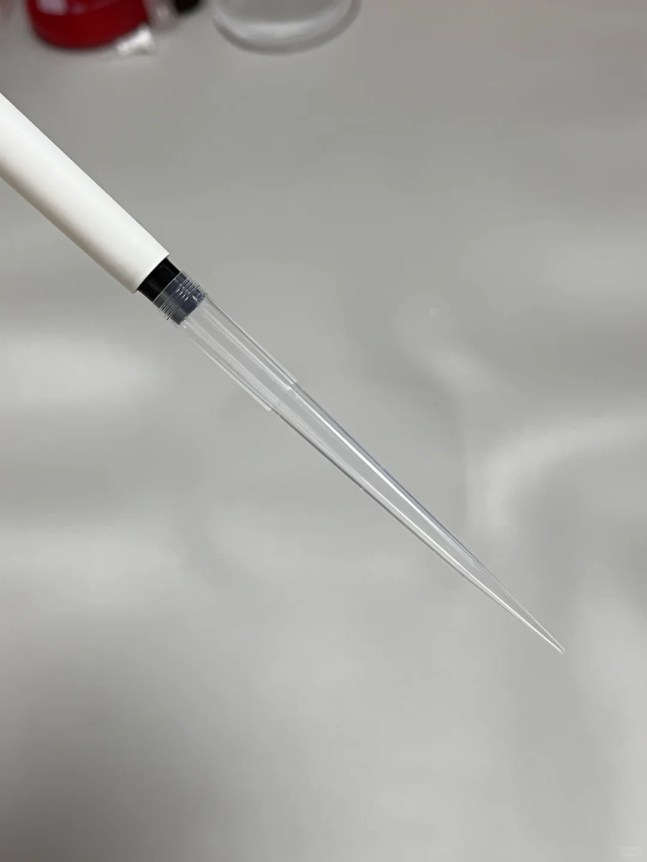
Choosing the appropriate pipette tips is the first step in safely handling DMF. We recommend using pre-moistened pipette tips to achieve gas-liquid balance, reducing the risk of liquid leakage. Additionally, tips with filter elements can prevent liquid from dripping and minimize contamination. When selecting pipette tips, consider the chemical compatibility of the tip material with DMF to prevent degradation or contamination.
| Pipette Tip Feature | Benefit for DMF Handling |
|---|---|
| Pre-moistened | Reduces liquid leakage by achieving gas-liquid balance |
| Filter Element | Prevents liquid from dripping and minimizes contamination |
| Chemical Compatibility | Ensures the tip material does not degrade or contaminate DMF |
Proper Pipetting Techniques for Volatile Organic Solvents
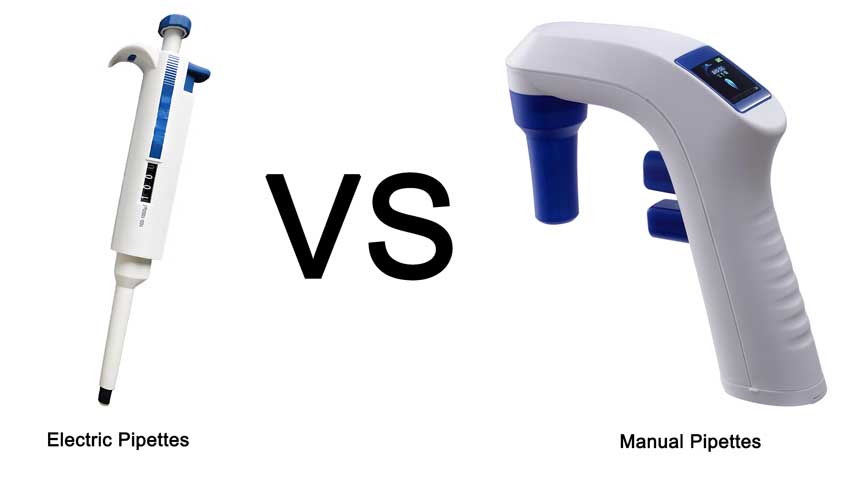
To handle DMF safely, we must employ proper pipetting techniques. Reverse pipetting is recommended for volatile liquids like DMF, as it helps to accurately measure the liquid and reduce the risk of aerosol formation. Pre-wetting the pipette tip 5-6 times can also improve accuracy and minimize liquid loss due to evaporation or leakage. Furthermore, using an external piston pipette can provide additional control and precision when handling volatile solvents.

200 μL Pipette Tips
Implementing Safety Measures When Working with DMF
Implementing comprehensive safety measures is crucial when working with DMF. This includes wearing appropriate personal protective equipment (PPE) such as gloves, safety glasses, and respiratory protection. Working in a well-ventilated fume hood with optimal air flow settings is essential to minimize exposure to DMF vapors. Additionally, proper waste management protocols should be followed to dispose of DMF-contaminated materials safely.
By following these guidelines and adopting best practices, laboratory professionals can ensure a safe working environment when handling DMF with pipettes. Proper training, awareness of potential hazards, and adherence to safety protocols are key to minimizing risks associated with DMF handling.
Alternative Approaches for DMF Handling in Research
DMF handling in laboratories necessitates alternative approaches to minimize the risk of pipette tip dissolution. When working with DMF, it’s crucial to adopt strategies that reduce the interaction between DMF and pipette tips, ensuring the integrity of your experiment.
Glass Syringes and Their Advantages for DMF Applications
Glass syringes offer a viable alternative for handling DMF due to their chemical inertness. Using glass syringes can significantly reduce the risk of contamination and ensure precise measurements. They are particularly useful for applications where DMF is used in large quantities or at high temperatures.
Specialized Solvent-Resistant Pipetting Systems
Specialized pipetting systems designed to be resistant to organic solvents like DMF provide another solution. These systems are engineered to withstand the corrosive properties of DMF, reducing the risk of pipette tip dissolution and maintaining the accuracy of your pipetting.
Modified Protocols to Minimize DMF-Pipette Tip Contact
Modifying laboratory protocols can also minimize the contact between DMF and pipette tips. Strategies include preparing DMF solutions directly in the experimental vessel, using dilution strategies to work with lower DMF concentrations, and optimizing sample preparation sequences to reduce DMF exposure time. Implementing “just-in-time” addition of DMF to reaction mixtures can also help.
- Prepare DMF solutions directly in the experimental vessel to reduce pipetting DMF directly.
- Use dilution strategies to work with lower DMF concentrations.
- Optimize sample preparation sequences to minimize DMF exposure time.
Conclusion: Best Practices for DMF Handling in Your Research
The compatibility of pipette tips with DMF is a critical factor in laboratory procedures involving this solvent. To ensure safe and accurate handling of DMF, researchers must consider several key factors.
When selecting pipette tips for DMF applications, it’s crucial to choose tips that offer high chemical resistance. For sensitive applications like PCR and cell culture, sterile and filter tips can help prevent cross-contamination.
By following best practices for DMF handling, including proper pipetting techniques and safety measures, researchers can minimize risks associated with this challenging solvent. Our analysis provides a comprehensive guide for researchers to optimize their laboratory protocols and ensure the integrity of their research.
References and further readings:
1.Stuart, R. (2023).
Lessons Learned from a Short-Term Exposure to DMF.
ACS Chemical Health & Safety, 30(1), 29–31.
https://pubs.acs.org/doi/10.1021/acs.chas.2c000472.Loebel, C. et al. (2017).
Shear-thinning and self-healing hydrogels as injectable therapeutics and for 3D-printing.
Nature Protocols, 12(8), 1521–1541.
https://www.nature.com/articles/nprot.2017.0533.Maes, K. et al. (2014).
Strategies to reduce aspecific adsorption of peptides and proteins in LC–MS bioanalyses.
Journal of Chromatography A, 1358, 1–13.https://www.sciencedirect.com/science/article/abs/pii/S0021967314009807?via%3Dihub
FAQ
What happens when pipette tips are exposed to DMF?
When pipette tips are exposed to DMF, they may undergo degradation or dissolution, depending on the material composition of the tips and the duration of exposure.
Are all pipette tips compatible with DMF?
No, not all pipette tips are compatible with DMF. The compatibility depends on the chemical resistance of the tip material. Some tips are designed to be more resistant to organic solvents like DMF.
How can I minimize the risk of pipette tip dissolution when handling DMF?
To minimize the risk, you can select pipette tips that are known to be resistant to DMF, use proper pipetting techniques, and limit the exposure time of the tips to DMF.
What are the signs of pipette tip degradation when exposed to DMF?
Signs of degradation may include visible changes such as swelling, cracking, or discoloration of the tip, as well as a decrease in the accuracy and precision of pipetting.
Can I use standard pipette tips for handling DMF in sensitive applications like PCR?
For sensitive applications like PCR, it is recommended to use specialized pipette tips that are designed to be resistant to organic solvents and to prevent cross-contamination.
Are there alternative methods for handling DMF that avoid using pipette tips?
Yes, alternatives include using glass syringes or specialized solvent-resistant pipetting systems that are designed for handling volatile organic solvents like DMF.
Leo Bios
Hello, I’m Leo Bios. As an assistant lecturer, I teach cellular and
molecular biology to undergraduates at a regional US Midwest university. I started as a research tech in
a biotech startup over a decade ago, working on molecular diagnostic tools. This practical experience
fuels my teaching and writing, keeping me engaged in biology’s evolution.




Leave a Comment
Your email address will not be published. Required fields are marked *