



Learn what is the petroff-hausser counting chamber and how this specialized device precisely counts bacteria cells in microbiological research and quality control procedures

Discover what is the least viscous liquid and explore the fascinating world of fluid mechanics. Learn about viscosity measurements and common low-viscosity substances in nature
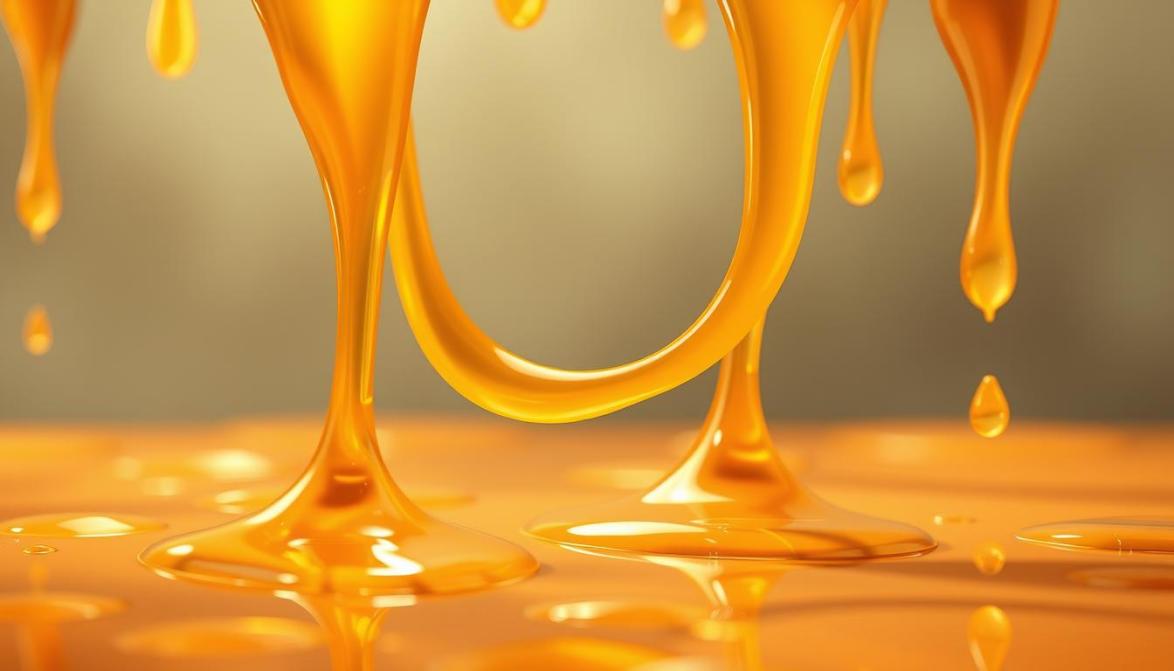
Discover what is the most viscous liquid and explore fascinating examples of highly viscous substances, their unique properties, and real-world applications in science and industry
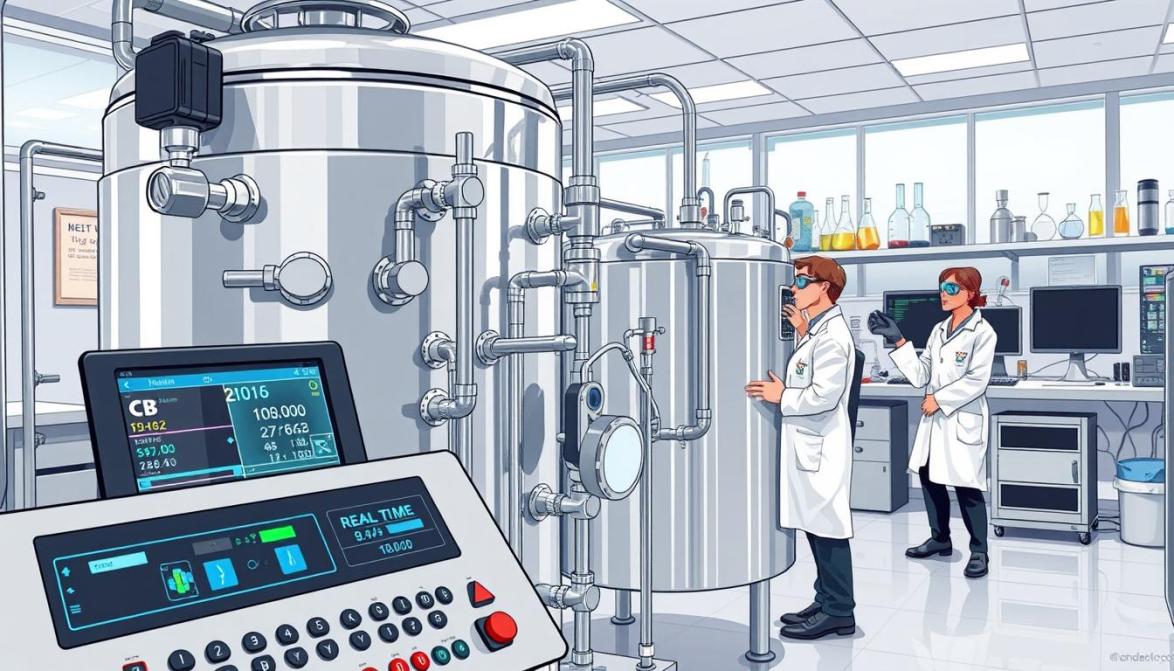
Discover what is the main function of fermenter in bioprocessing and industrial applications. Learn about its role in controlling conditions for optimal microbial growth and production

Discover what is the relationship between absorbance and concentration in spectrophotometry and how Beer-Lambert Law explains this direct proportional connection

Discover what is the function of test tube rack in laboratory settings, from organizing glassware and preventing contamination to ensuring safety during experiments and testing
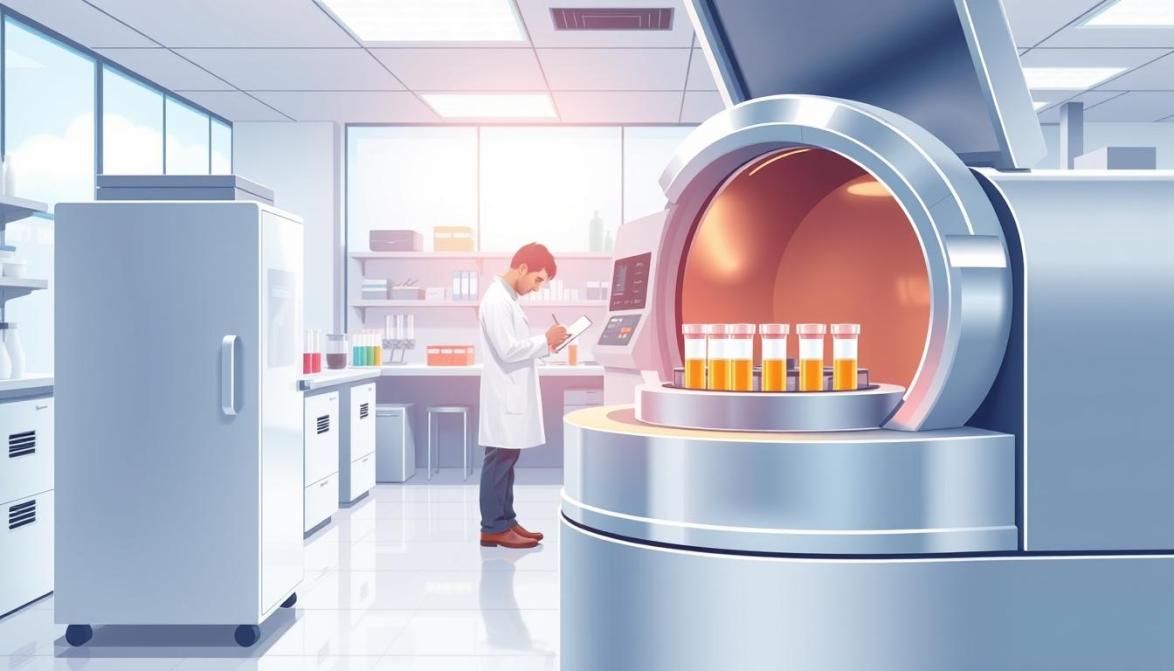
Discover what is the purpose of a centrifuge in modern laboratories. Learn how this essential equipment separates materials through centrifugal force for research and testing

Discover what is the function of centrifuge in laboratory and industrial settings. Learn how this essential equipment separates substances through rotational force

Discover what is the mass of a bacterial cell and explore the factors that influence bacterial weight, size, and composition. Learn about typical measurements of different bacteria
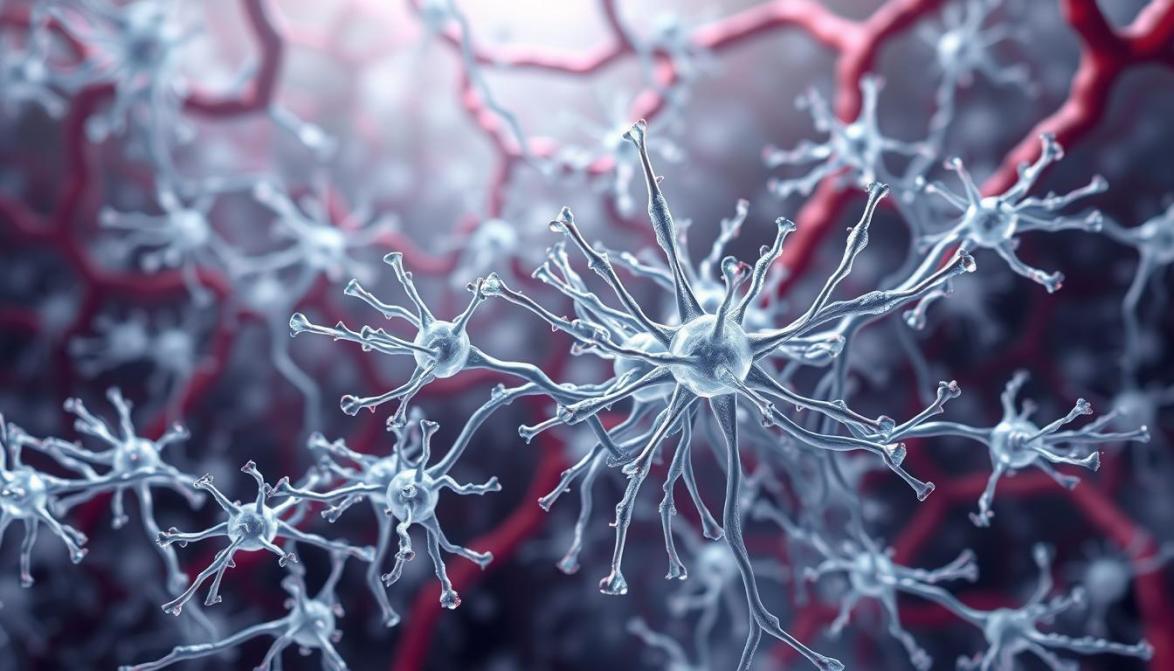
Discover what is the function of fibroblasts in the human body and their vital role in tissue repair, collagen production, and maintaining skin health and wound healing.
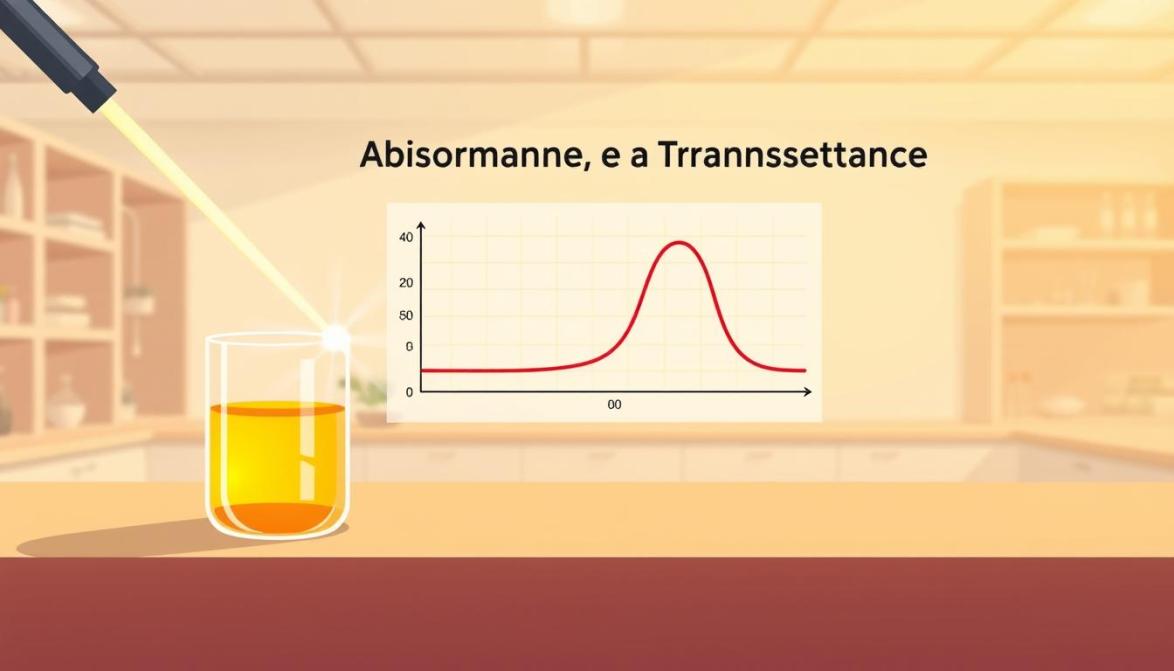
Discover what is the relationship between absorbance and transmittance in spectroscopy. Learn how these measurements relate to light interaction with samples in analysis

Discover what is the purpose of a blank in spectrophotometry and how it ensures accurate measurements by eliminating background interference in sample analysis