


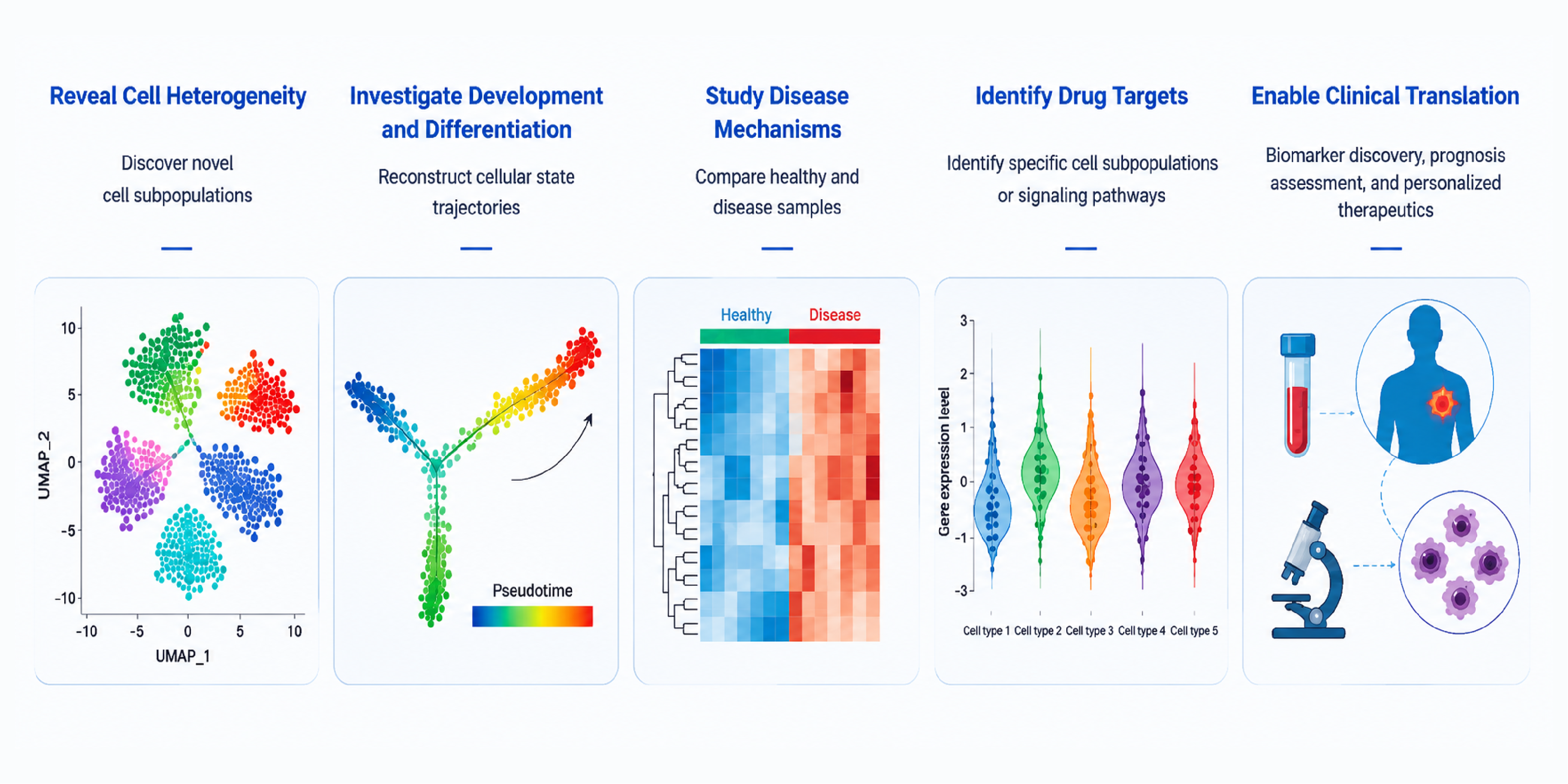
Single-cell RNA sequencing (scRNA-seq) is a high-throughput technology for profiling transcriptomic signatures of individual cells, enabling the identification of cellular heterogeneity and dynamic shifts in cellular states. To date, this technology has been widely adopted in research areas including tumor microenvironment investigation, immune cell profiling, developmental biology, pathological mechanism elucidation, and cell atlas construction. A growing number of research institutes and biopharmaceutical enterprises have established large-scale single-cell sequencing platforms.
Nevertheless, as research projects expand in scale and sample throughput rises, conventional manual experimental workflows have become a major bottleneck restricting experimental efficiency, cost control and data quality. Laboratories are now placing higher demands on automation, standardization and high reproducibility throughout the entire single-cell sequencing workflow.
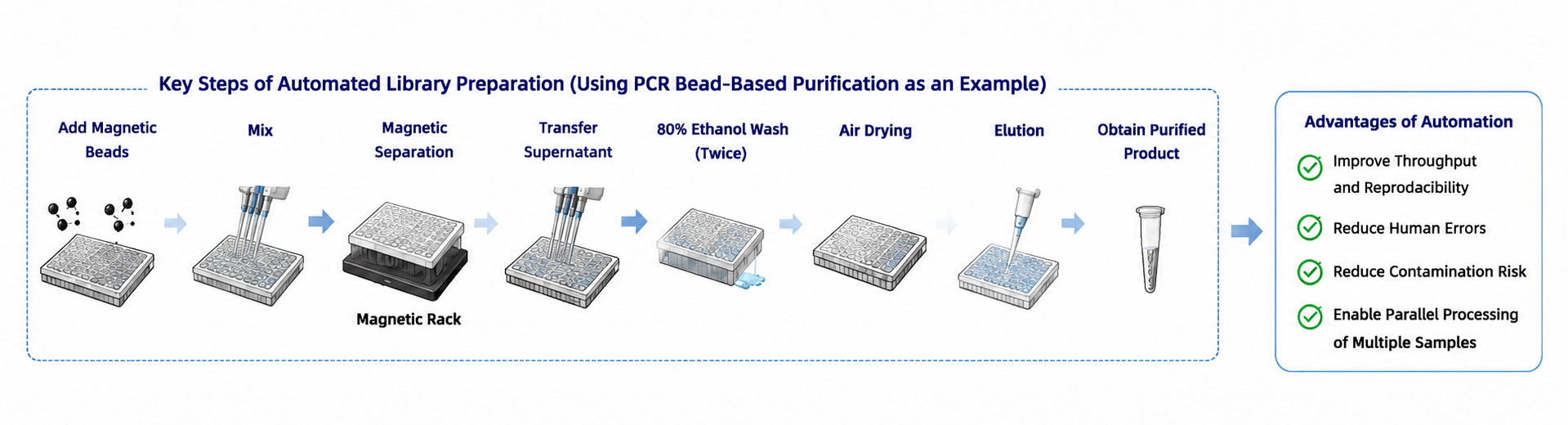
1. Why Single-Cell RNA Sequencing Is Increasingly Reliant on Automation
Several inherent challenges persist across the full experimental pipeline:
(1) High Volume of Repetitive Liquid Handling Operations
- Human-induced operational errors
- Batch-to-batch variability
- Prolonged manual processing time
(2) Complex Library Construction with Rigorous Requirements for Operational Consistency
Deviations at any procedural step may trigger the following issues:
- Inconsistent library concentrations
- Abnormal library fragment size distribution
- Deteriorated sequencing data quality
(3) High Reagent Costs
Single-cell sequencing relies on high-value reagent systems. Minimizing reaction volumes, cutting liquid loss and boosting reagent utilization have become core priorities for laboratories pursuing cost optimization.
2. Automated Experiments Require Not Only Instruments, but Premium-Grade Consumables
Many researchers mistakenly equate automation with simply purchasing an automated liquid handler workstation.
In reality, a highly efficient, stable automated single-cell sequencing system relies on three integrated components: automated instruments, automation-compatible consumables, and standardized experimental protocols. Only the synergy of these three elements can substantially elevate experimental success rates.
3. Supporting Consumables Solutions for Automated Single-Cell RNA Sequencing
High-performance consumables guarantee precise liquid transfer, mitigate contamination risks and strengthen batch consistency. Selecting stable, platform-compatible labware is critical to reliable operation of automated single-cell RNA sequencing workflows.
- Automated Tips:Engineered for precise liquid transfer, low liquid retention, contamination prevention and seamless compatibility with automated workstations.
- Reservoirs:Facilitate multi-channel bulk liquid dispensing to streamline automated workflows.
- Dual-Material PCR Plates:Deliver balanced thermal cycling performance, superior sealing capacity and low biomolecule adsorption to stabilize amplification reactions.
- Plate Sealing Films:Reduce sample evaporation and cross-contamination, enhancing stability during sample storage and transportation.







Leave a Comment
Your email address will not be published. Required fields are marked *