


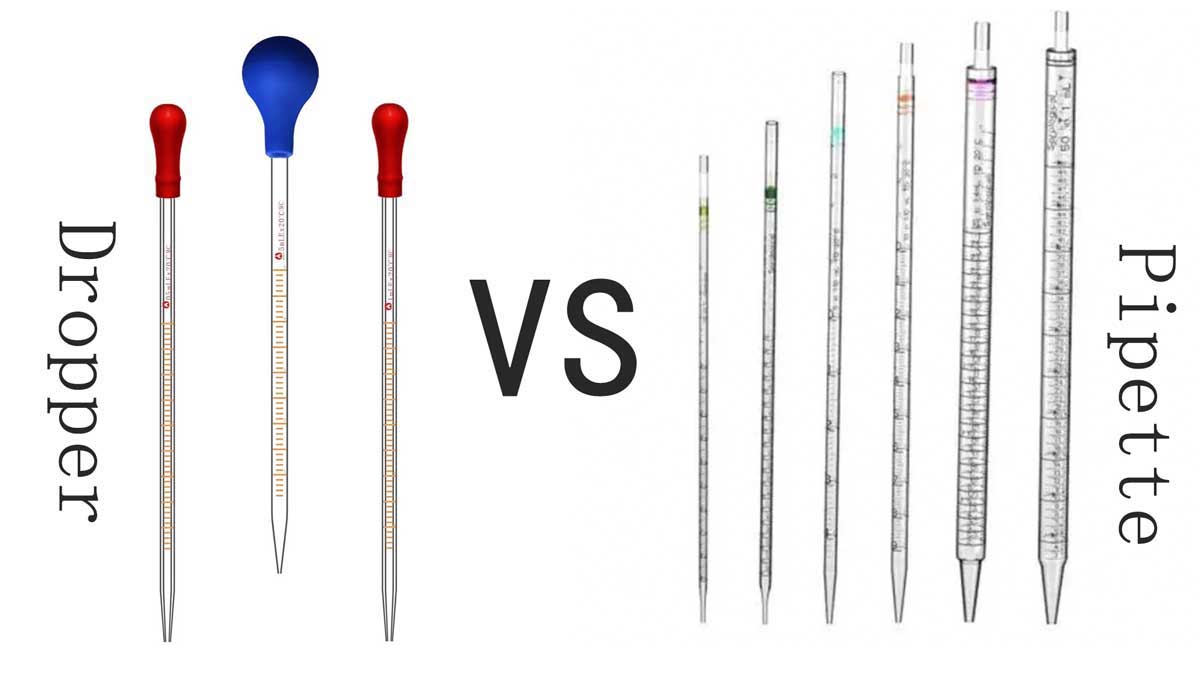
In the world of scientific and medical research, understanding the nuanced differences between liquid dispensing tools is crucial for precise measurements and successful experiments. The ongoing debate of dropper vs pipette highlights the importance of selecting the right instrument for specific applications.
Scientists and researchers frequently encounter challenges when choosing between droppers and pipettes. Each tool possesses unique characteristics that make it suitable for different scenarios. Our comprehensive guide will demystify these liquid dispensing tools, providing clarity on their design principles, functionality, and optimal usage contexts.
This exploration will equip professionals with the knowledge to make informed decisions about when to use a dropper or a pipette, ensuring accuracy and efficiency in their scientific work.
Key Takeaways
- Droppers and pipettes are distinct liquid dispensing tools with specific applications
- Precise selection depends on measurement requirements and research context
- Understanding design principles is critical for accurate liquid handling
- Different tools excel in unique scientific and medical scenarios
- Proper tool selection enhances experimental precision and reliability
Understanding the Dropper
Droppers are precision instruments designed for accurate liquid dispensing across various applications. These versatile tools play a crucial role in medical, scientific, and household settings, offering controlled and measured liquid transfer with exceptional accuracy.
What is a Dropper?
A glass dropper is a specialized device consisting of a narrow tube with a rubber or silicone bulb at the top. Medicine droppers enable precise liquid measurement and controlled dispensing. The basic mechanism involves squeezing the bulb to draw liquid into the tube and releasing it to dispense the exact amount needed.
Common Uses of Droppers
- Medical liquid medication administration
- Essential oil blending
- Culinary precise ingredient measuring
- Laboratory chemical sampling
- Skincare product application
Design Features of Standard Droppers
Standard droppers typically feature specific design elements that enhance their functionality:
- Material Composition: Glass or medical-grade plastic bodies
- Graduated measurement markings
- Flexible rubber/silicone bulb for suction
- Precision-cut tip for controlled liquid release
Understanding the nuanced design and functionality of droppers allows professionals and individuals to select the most appropriate tool for their specific liquid dispensing requirements.
Understanding the Pipette
A laboratory pipette represents a precision instrument critical for accurate liquid handling in scientific research and medical diagnostics. Unlike standard droppers, calibrated pipettes offer exceptional measurement accuracy and reliability across various scientific disciplines.
Pipettes are sophisticated tools designed for transferring specific liquid volumes with remarkable consistency. Scientists and researchers rely on these instruments to ensure experimental integrity and reproducibility.
What is a Pipette?
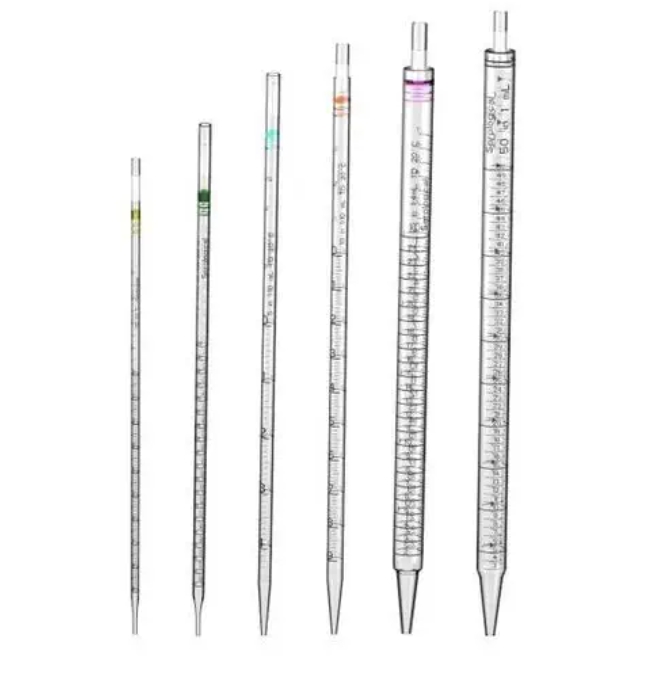
A laboratory pipette is a specialized device engineered to measure and transfer precise liquid volumes. Calibrated pipettes distinguish themselves through their ability to deliver extremely accurate measurements, typically ranging from microliters to milliliters.
Types of Pipettes
- Fixed-volume pipettes: Preset to deliver a single specific volume
- Variable pipettes: Adjustable volume range for flexible liquid handling
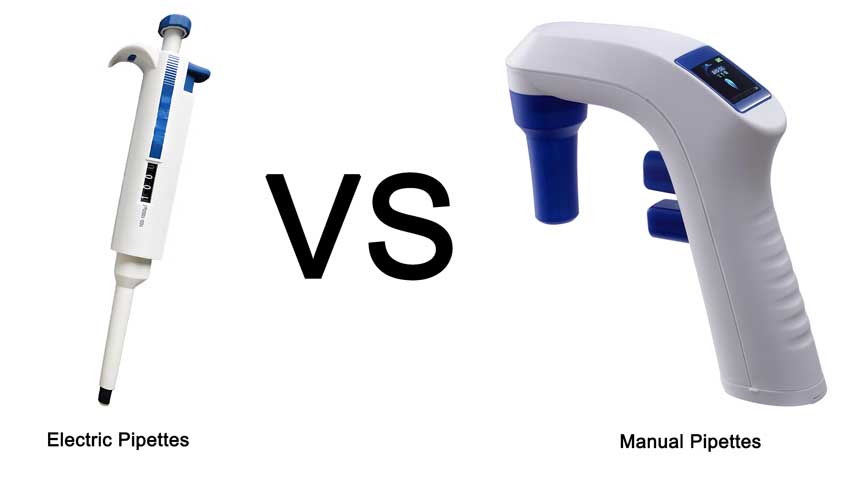
- Electronic pipettes: Digital controls for enhanced precision
- Multichannel pipettes: Simultaneous liquid transfer across multiple channels
Key Applications of Pipettes
| Field | Specific Application |
|---|---|
| Medical Research | Genetic testing and cell culture |
| Pharmaceutical Development | Drug formulation and compound analysis |
| Forensic Science | DNA sample preparation |
| Environmental Testing | Water and soil sample analysis |
Selecting the right calibrated pipettes depends on understanding specific research requirements. Precision liquid handling remains paramount across scientific disciplines, making pipettes indispensable tools for professionals seeking reliable experimental outcomes.
Design Principles of Droppers and Pipettes
Understanding the intricate design principles of scientific measuring tools reveals critical differences between droppers and pipettes. These precision instruments are engineered with specific characteristics that impact their performance across various applications.
Material Composition
The material selection plays a crucial role in pipette accuracy and overall instrument reliability. Manufacturers typically use high-grade materials to ensure chemical resistance and durability:
- Polypropylene for lightweight construction
- Borosilicate glass for chemical-resistant droppers
- Stainless steel for robust pipette components
Measuring Accuracy
The difference between dropper and pipette becomes most apparent in their measuring precision. Pipettes offer superior accuracy, with calibration tolerances as tight as ±0.5-1% for professional-grade instruments.
| Instrument | Accuracy Range | Typical Use |
|---|---|---|
| Standard Dropper | ±5-10% | Approximate measurements |
| Precision Pipette | ±0.5-1% | Scientific research |
Ergonomic Considerations
Modern scientific tools prioritize user comfort and efficiency. Ergonomic design features include:
- Lightweight construction
- Comfortable grip mechanisms
- Reduced hand strain during extended use
Comparison of Functionality
Liquid dispensing tools play a critical role in various scientific and medical applications. Understanding the functional differences between droppers and pipettes helps professionals select the most appropriate instrument for their specific needs.
When comparing droppers and liquid dispensing tools, several key factors emerge that distinguish their performance and usability.
Measurement Precision
Precision defines the core functionality of liquid dispensing tools. Pipettes typically offer superior measurement accuracy compared to standard droppers. Their design allows for:
- Highly calibrated volume measurements
- Minimal variation between dispensed volumes
- Reduced human error in liquid handling
Volume Capacity
Volume handling capabilities vary significantly between droppers and pipettes. Professional-grade pipettes can manage:
- Micro-volume ranges (0.1 – 10 µL)
- Standard laboratory volumes (10 – 1000 µL)
- Multi-channel dispensing options
Ease of Use
The usability of dropper vs pipette depends on specific research or application requirements. Droppers excel in simple, low-precision tasks, while pipettes provide sophisticated liquid dispensing for complex scientific protocols.
Use Cases for Droppers
Droppers play a crucial role in various settings, offering precise liquid measurement and distribution. From household applications to medical and laboratory scenarios, these versatile tools provide essential functionality across multiple domains.
Household Applications
In home environments, droppers for essential oils have become increasingly popular. These precise instruments allow users to:
- Measure exact quantities of aromatherapy blends
- Create custom skincare formulations
- Dispense small amounts of cooking extracts
- Administer liquid supplements
Medical Uses
Medicine droppers are critical in healthcare settings, particularly for pediatric and specialized treatments. Their precision enables:
- Accurate medication dosing for children
- Eye and ear medication administration
- Precise liquid medication measurement
Laboratory Scenarios
Scientific researchers rely on droppers for intricate liquid handling tasks. Their applications include:
| Research Area | Dropper Application |
|---|---|
| Chemistry | Precise reagent measurement |
| Biology | Sample preparation |
| Pharmacology | Compound dilution |
Droppers excel in scenarios requiring minimal liquid manipulation and exact volume control.
Use Cases for Pipettes
Laboratory pipettes stand as critical instruments in scientific research, enabling researchers to transfer minute volumes with exceptional accuracy. These sophisticated tools have revolutionized how scientists approach complex analytical processes across multiple disciplines.
Transfer pipettes play a crucial role in various scientific domains, providing unparalleled precision for researchers who demand exact measurements and contamination-free sample handling.
Laboratory Research Applications
In research settings, laboratory pipettes are indispensable for:
- Preparing precise chemical solutions
- Creating serial dilutions
- Conducting microvolume experiments
- Managing sensitive biological samples
Chemical Analysis Techniques
Chemical researchers rely on transfer pipettes for:
- Quantitative substance measurement
- Preparing standard solution concentrations
- Executing complex analytical protocols
Biological Sampling Procedures
Biological research depends on laboratory pipettes for critical tasks such as:
- DNA extraction processes
- Cell culture manipulation
- Microbiological sample management
- Genetic research techniques
Understanding the nuanced applications of pipettes empowers researchers to select the most appropriate tools for their specific scientific investigations.
Pipette
Choosing Between Dropper and Pipette
Selecting the right liquid dispensing tool can significantly impact your work’s precision and efficiency. Understanding the difference between dropper and pipette is crucial for making an informed decision across various professional and personal applications.
When evaluating liquid dispensing tools, several key factors will guide your selection process. Your choice depends on specific requirements, including accuracy, volume, and intended use.
Factors to Consider
- Precision requirements
- Volume range needed
- Liquid viscosity
- Frequency of use
- Budget constraints
Scenario-Based Recommendations
Different scenarios demand unique approaches to liquid handling. Droppers excel in situations requiring approximate measurements, while pipettes provide superior accuracy for scientific applications.
- Medical Settings: Pipettes recommended for precise medication dosing
- Culinary Applications: Droppers ideal for adding flavor extracts
- Laboratory Research: Pipettes essential for exact chemical measurements
- Crafting: Droppers perfect for controlled liquid placement
Ultimately, your specific needs will determine the most suitable liquid dispensing tool. Carefully evaluate your requirements to make the most effective choice.
Maintenance and Cleaning
Proper maintenance of glass droppers and calibrated pipettes is crucial for ensuring accurate scientific measurements and extending the lifespan of your precision instruments. Regular cleaning and care prevent contamination and maintain the highest standards of laboratory performance.
Cleaning Procedures for Glass Droppers
Maintaining a glass dropper requires careful attention to detail. Follow these essential steps to keep your glass dropper in optimal condition:
- Rinse immediately after each use with appropriate solvent
- Use mild detergent for thorough cleaning
- Perform visual inspection for any cracks or damage
- Air dry completely before storage
Proper Care for Calibrated Pipettes
Calibrated pipettes demand meticulous maintenance to preserve their precision. Professional laboratories implement rigorous cleaning protocols:
- Disassemble pipette components carefully
- Clean external surfaces with alcohol-based solutions
- Replace pipette tips after each use
- Conduct annual professional calibration
| Instrument | Cleaning Frequency | Recommended Method |
|---|---|---|
| Glass Dropper | After Each Use | Solvent Rinse + Mild Detergent |
| Calibrated Pipettes | Before/After Each Experiment | Alcohol Wipe + Professional Cleaning |
By implementing these maintenance techniques, researchers can ensure the reliability and accuracy of their glass droppers and calibrated pipettes, preventing potential contamination and measurement errors.
Misconceptions About Droppers and Pipettes
Scientific tools like droppers and pipettes often suffer from widespread misunderstandings that can compromise research accuracy and practical applications. Understanding the nuanced differences between dropper vs pipette technologies helps professionals make informed decisions in laboratory and medical settings.
Professionals frequently encounter misconceptions about these precision instruments. Let’s explore and debunk some common myths surrounding droppers and pipettes.
Myth-Busting Scientific Instrument Fallacies
- Droppers and pipettes are completely interchangeable
- All liquid dispensing tools provide identical pipette accuracy
- Visual measurement is as reliable as calibrated instruments
- Any liquid transfer method works equally well for all substances
Correcting Critical Misunderstandings
The reality of dropper vs pipette functionality is far more complex than most realize. Precision instruments are not one-size-fits-all solutions. Different scientific contexts demand specialized tools with unique measurement capabilities.
Critical differences include measurement precision, volume capacity, and material compatibility. Researchers must carefully select instruments based on specific experimental requirements to ensure reliable results.
Professional Recommendations
- Always verify instrument calibration
- Match tool specifications to research needs
- Understand instrument limitations
- Invest in proper training for scientific equipment
By dispelling these misconceptions, scientists and researchers can optimize their experimental protocols and achieve more accurate, reproducible outcomes.
Innovations in Dropper and Pipette Design
The landscape of liquid dispensing tools is rapidly evolving, bringing groundbreaking advancements that revolutionize laboratory pipette technology. Scientific researchers now witness unprecedented innovations that enhance precision, efficiency, and user experience.

Dropper
Modern liquid dispensing tools are transforming research capabilities through cutting-edge technological integrations. Laboratories worldwide are experiencing significant improvements in sampling and measurement techniques.
Recent Technological Breakthroughs
- Electronic precision pipettes with digital volume controls
- Ergonomic designs reducing user fatigue
- Advanced material compositions for enhanced chemical resistance
- Integrated data tracking systems
Future Technological Trends
The future of laboratory pipettes promises exciting developments. Emerging trends suggest dramatic shifts in liquid dispensing capabilities:
- Miniaturization of equipment
- Nanoliter precision dispensing
- Artificial intelligence integration
- Smart connectivity features
These advancements signal a transformative era for laboratory pipettes. Researchers can anticipate more intelligent, precise, and user-friendly liquid dispensing tools that will dramatically improve scientific workflows and experimental outcomes.
Conclusion: Making the Right Choice
Understanding the difference between dropper and pipette is crucial for professionals working in scientific and medical fields. Each tool offers unique characteristics that make it suitable for specific liquid handling tasks. The dropper vs pipette comparison reveals distinct design principles and functional capabilities that impact precision and performance.
When selecting between a dropper and pipette, researchers must carefully evaluate their specific requirements. Factors such as volume range, liquid consistency, and measurement accuracy play significant roles in determining the most appropriate instrument. Laboratory professionals should consider the specific context of their work, whether it involves medical research, chemical analysis, or precise scientific sampling.
The key to successful liquid handling lies in matching the right tool to the task. Droppers excel in situations requiring simple liquid transfer with moderate precision, while pipettes provide advanced measurement capabilities for high-stakes scientific work. By understanding the nuanced differences between these instruments, professionals can optimize their research processes and ensure reliable results.
Ultimately, mastering the selection and use of droppers and pipettes requires ongoing learning and practical experience. Continued technological innovations will likely enhance these tools’ capabilities, making it essential for scientific practitioners to stay informed about emerging trends in liquid handling equipment.
References and further readings:
1.N Kumar. (2021). EXPLORING LABORATORY EQUIPMENT AND APPARATUS: Tools for Scientific Discovery. Wisdom Press.
https://wisdompress.co.in/wp-content/uploads/2022/10/Laboratory-Techniques.pdf#page=152.Auld, D. S., Coassin, P. A., Coussens, N. P., et al. (2020). Microplate selection and recommended practices in high-throughput screening and quantitative biology. NCBI Bookshelf.
https://www.ncbi.nlm.nih.gov/sites/books/NBK558077/3.Brown, D., Ford, J. L., & Nunn, A. J. (2004). An assessment of dose-uniformity of samples delivered from paediatric oral droppers. Journal of Clinical Pharmacy and Therapeutics.
https://onlinelibrary.wiley.com/doi/abs/10.1111/j.1365-2710.2004.00595.x4.Iskandar, K., Marchin, L., Kodjikian, L., et al. (2022). Highlighting microbial contamination of the dropper tip and cap of in-use eye drops. Pharmaceutics, 14(10), 2176.
https://www.mdpi.com/1999-4923/14/10/2176
FAQ
What is the primary difference between a dropper and a pipette?
The key difference lies in precision and functionality. Droppers are typically less precise and used for more general liquid transfer, while pipettes offer higher accuracy and are designed for scientific and medical applications requiring exact volume measurements.
Can I use a dropper instead of a pipette in a laboratory setting?
It depends on the specific task. Pipettes are recommended for precise scientific work that requires accurate volume measurements, such as chemical analysis or biological research. Droppers may be suitable for less critical applications or when exact precision is not crucial.
What types of pipettes are available?
There are several types of pipettes, including glass pipettes, micropipettes, electronic pipettes, and transfer pipettes. Each type has specific features designed for different scientific and medical applications, ranging from small volume transfers to more complex liquid handling tasks.
How do I choose between a dropper and a pipette?
Consider factors such as required precision, volume range, liquid type, and frequency of use. For household or general use, a dropper might suffice. For laboratory or medical research, a calibrated pipette is typically the better choice.
Are droppers suitable for essential oils and medication?
Droppers are commonly used for administering liquid medications, especially for pediatric applications, and for dispensing essential oils. They provide a convenient method for controlled, small-volume liquid transfer in household and medical settings.
How important is proper maintenance of droppers and pipettes?
Maintenance is crucial for ensuring accuracy and longevity. Regular cleaning, proper storage, and periodic calibration help maintain the performance of both droppers and pipettes, preventing contamination and ensuring precise liquid handling.
What materials are typically used in dropper and pipette construction?
Droppers and pipettes are commonly made from materials like glass, plastic, and medical-grade polymers. The choice of material depends on the specific application, chemical resistance requirements, and desired level of precision.
Can droppers and pipettes be used interchangeably?
No, they cannot be used interchangeably in most professional settings. Pipettes provide superior accuracy and are designed for scientific precision, while droppers are more suitable for general, less critical liquid transfer tasks.
What recent innovations exist in dropper and pipette technology?
Recent innovations include improved ergonomic designs, enhanced chemical resistance, digital integration, electronic pipettes, and smart liquid handling systems that offer increased accuracy and data tracking capabilities.
How do I clean and sterilize droppers and pipettes?
Cleaning methods vary by type. Glass droppers typically require thorough washing with appropriate solvents, while pipettes may need specialized cleaning protocols, including sterilization techniques appropriate to their specific design and intended use.
Leo Bios
Hello, I’m Leo Bios. As an assistant lecturer, I teach cellular and
molecular biology to undergraduates at a regional US Midwest university. I started as a research tech in
a biotech startup over a decade ago, working on molecular diagnostic tools. This practical experience
fuels my teaching and writing, keeping me engaged in biology’s evolution.




Leave a Comment
Your email address will not be published. Required fields are marked *