


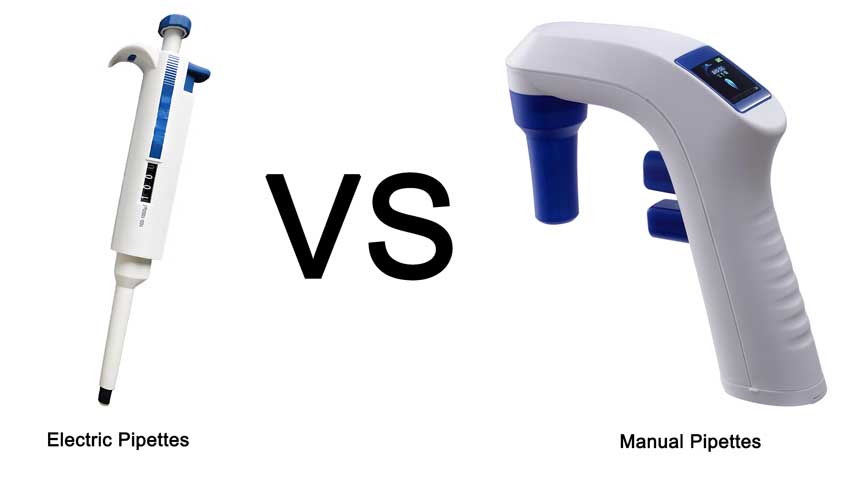
The choice between electric pipettes and manual systems represents a critical decision that directly impacts your PCR research outcomes. As laboratory professionals, we understand this fundamental question requires evidence-based analysis rather than assumptions.
Your pipetting technology selection significantly influences the quality and reliability of your polymerase chain reaction results. Manual systems offer traditional control and familiarity. Electronic devices provide enhanced precision and reduced operator fatigue during repetitive workflows.
We examine the technical specifications, operational efficiency, and cost-effectiveness of both approaches. This analysis addresses your specific laboratory needs and PCR workflow requirements. You will discover how each technology performs in real-world application scenarios.
The decision impacts more than just precision requirements. Ergonomic considerations, long-term operational costs, and user experience factors all contribute to maintaining consistent PCR results in your research environment.
Key Takeaways
- Electronic pipetting systems offer superior precision and reduced variability in PCR applications
- Manual systems provide cost-effective solutions for smaller laboratories with limited budgets
- Automated devices significantly reduce operator fatigue during high-throughput workflows
- Both technologies require proper calibration and maintenance for optimal performance
- Laboratory size and sample volume determine the most suitable pipetting approach
- Training requirements differ substantially between manual and electronic systems
Understanding Electric Pipettes
Electronic pipetting systems have revolutionized accuracy standards in scientific research environments. These advanced instruments represent a significant leap forward from traditional liquid handling methods. We provide comprehensive insights into electric pipette technology to help you make informed equipment decisions for your laboratory needs.
Electric pipettes eliminate the variability that often affects manual liquid handling procedures. Their sophisticated design incorporates multiple technological advances that enhance both precision and user experience. You will discover how these instruments transform routine pipetting tasks into highly controlled, repeatable processes.
Definition and Overview
Electric pipettes are motorized liquid handling instruments that use electronic controls to manage aspiration and dispensing operations. These devices feature integrated digital displays and programmable volume settings. Unlike manual pipettes, they eliminate human-induced variations in plunger speed and pressure application.
The core advantage lies in their ability to deliver consistent performance across thousands of pipetting cycles. Each operation maintains identical parameters regardless of user technique or fatigue levels. This consistency proves particularly valuable in PCR applications where precise reagent volumes directly impact reaction success.
Modern electric pipettes incorporate advanced microprocessor technology that monitors and adjusts operational parameters in real-time. They offer multiple dispensing modes including single aspirate-dispense cycles and multi-dispensing protocols for repetitive tasks.
How Electric Pipettes Work
The operational mechanism centers on a precision motor system that controls piston movement within the pipette cylinder. This motor receives commands from the electronic control unit based on your volume settings and selected program parameters.
When you initiate an aspiration cycle, the motor drives the piston upward at a predetermined speed. This creates controlled vacuum pressure that draws liquid into the tip. The system maintains consistent aspiration rates regardless of liquid viscosity or environmental conditions.
During dispensing, the motor reverses direction and pushes the piston downward. The electronic controls ensure uniform dispensing speed and complete liquid delivery. Advanced models include blow-out functions that expel residual liquid from the tip using positive pressure.
Key Features of Electric Pipettes
Digital volume displays provide precise readouts with resolution typically reaching 0.1 μL increments. These displays eliminate reading errors common with mechanical volume adjustment systems. You can program specific volumes and save them for repeated use in standardized protocols.
Programmable dispensing modes offer significant advantages over manual pipettes in complex procedures. Multi-dispensing functions allow you to aspirate once and dispense multiple aliquots of identical volume. This feature reduces contamination risks and improves workflow efficiency.
Ergonomic design elements include lightweight construction and balanced weight distribution. The electronic operation eliminates repetitive thumb pressure required for manual operation. This reduces user fatigue during extended pipetting sessions and minimizes repetitive strain injuries.
Advanced models incorporate connectivity features that enable data logging and integration with laboratory information management systems. These capabilities support quality assurance requirements and provide documentation for regulatory compliance in clinical and research applications.

Electric Pipettes
Understanding Manual Pipettes
Manual pipettes, the time-tested workhorses of laboratory environments, continue to play a vital role in scientific research. These mechanical instruments represent the traditional approach to liquid handling, where precision depends entirely on your technique and experience. We recognize their enduring importance in laboratories worldwide, particularly for researchers who value direct control over their liquid handling processes.
Definition and Overview
Manual pipettes, also known as mechanical pipettes, are hand-operated laboratory instruments designed for accurate liquid transfer. These devices rely on your physical manipulation of the plunger mechanism to draw up and dispense precise volumes of liquid through disposable tips.
The range of manual pipettes spans from micropipettes capable of handling submicroliter volumes to larger models that transfer several milliliters. You will find these instruments essential for various applications, from delicate PCR reagent preparation to routine sample transfers.
- Direct user control over aspiration and dispensing
- Wide volume range capabilities
- Cost-effective initial investment
- Proven reliability in research settings
How Manual Pipettes Work
The operation of manual pipettes centers on vacuum pressure creation through your direct manipulation. When you depress the plunger to the first stop, you create a vacuum within the pipette shaft. This vacuum draws liquid into the disposable tip when you place it below the liquid surface.
The dispensing process requires you to slowly release the plunger, allowing the liquid to flow out under controlled pressure. For complete dispensing, you press the plunger to the second stop, ensuring all liquid exits the tip.
Your technique directly influences the accuracy and precision of each transfer. Consistent plunger speed, proper tip immersion depth, and steady hand movement all contribute to reliable results.
Key Features of Manual Pipettes
Modern manual pipettes incorporate several essential design elements that enhance their functionality:
- Volume adjustment mechanism: Allows precise setting of desired volumes through digital displays or graduated scales
- Plunger assembly: Provides smooth operation with tactile feedback at first and second stops
- Tip ejection system: Enables hands-free tip removal for contamination prevention
- Ergonomic grip design: Reduces hand fatigue during extended use
Micropipettes, as specialized manual pipettes, offer exceptional precision for small volume applications. These instruments typically feature fine volume adjustments and specialized tip designs optimized for minimal liquid retention.
We understand that manual pipettes remain the preferred choice for many researchers who value the tactile feedback and direct control these instruments provide. Their mechanical nature ensures consistent performance without dependence on electronic components or power sources.

Manual Pipettes
Application Scenarios for Electric Pipettes
Laboratory pipetting applications benefit significantly from electric pipette technology in various research scenarios. We analyze specific environments where these advanced instruments demonstrate clear performance advantages over traditional manual alternatives. Electric pipettes excel in demanding laboratory conditions that require consistent precision and high-volume processing capabilities.
Research facilities processing hundreds of samples daily find electric pipettes essential for maintaining workflow efficiency. The motor-controlled operation eliminates human variability that can compromise experimental results. You achieve superior reproducibility when handling critical reagents and biological samples.
Advantages in Laboratory Settings
Electric pipettes provide significant operational benefits in modern laboratory environments. The programmable protocols reduce training time for new technicians while ensuring consistent technique across all users. You eliminate the physical strain associated with repetitive manual pipetting tasks.
Multiple dispense functionality allows you to aspirate once and deliver precise volumes to numerous containers. This feature dramatically improves productivity during reagent preparation and sample distribution. The consistent aspiration and dispensing speeds prevent bubble formation that can affect measurement accuracy.
Temperature-sensitive samples benefit from the reduced handling time that electric pipettes provide. You minimize sample exposure and maintain optimal conditions throughout the pipetting process.
Ideal Use Cases for PCR
PCR applications demand exceptional precision where even minor volume variations can impact amplification efficiency. Electric pipettes excel in quantitative PCR assays where accurate template and reagent ratios are critical for reliable results. You achieve consistent master mix distribution across entire microplate formats.
High-throughput PCR setups benefit from programmable dispensing protocols that ensure identical volumes in each reaction tube. The motor-controlled system maintains consistent speed and pressure, reducing the risk of cross-contamination between samples. Multiplex PCR reactions require precise reagent ratios that electric pipettes deliver reliably.
Real-time PCR applications particularly benefit from the elimination of technique-dependent variability. You obtain more reliable quantification results when using electric pipettes for template addition and standard curve preparation.
Performance Consistency
Motor-controlled pipetting systems deliver superior consistency compared to manual techniques. The electronic controls maintain identical aspiration and dispensing parameters for every cycle. You eliminate variations caused by user fatigue, technique differences, or environmental factors.
Calibration stability remains constant throughout extended use periods. Electric pipettes maintain their accuracy specifications longer than manual alternatives, reducing the frequency of recalibration requirements. The consistent performance translates to improved data quality and reduced experimental variability.
Quality control protocols benefit from the documented precision that electric pipettes provide. You can validate pipetting accuracy through built-in monitoring systems that track performance metrics over time.
Application Scenarios for Manual Pipettes
Manual pipettes serve as fundamental tools in PCR workflows where flexibility and direct control take precedence over automation. These instruments deliver reliable performance when you need immediate volume adjustments and tactile feedback during critical laboratory procedures. We examine the specific contexts where adjustable pipettes provide practical advantages for your PCR applications.

Advantages in Laboratory Settings
Manual pipettes offer distinct benefits in laboratory environments that prioritize operator control and protocol flexibility. You gain direct tactile feedback during liquid handling, allowing for immediate detection of viscosity changes or air bubbles that could compromise your PCR results.
The adjustable pipettes provide cost-effective solutions for laboratories with limited budgets or occasional PCR requirements. These instruments require minimal maintenance and offer long-term reliability when properly calibrated and maintained.
Key advantages include:
- Immediate volume modifications during protocol execution
- Direct operator control over dispensing speed and technique
- Lower initial investment compared to electronic alternatives
- Simple maintenance requirements and repair procedures
Ideal Use Cases for PCR
Manual pipettes excel in specific PCR applications where you require maximum flexibility and hands-on control. Single-tube PCR reactions benefit from the precise volume control that experienced operators achieve with well-calibrated adjustable pipettes.
Gradient PCR optimization represents an ideal application scenario. You can make real-time adjustments to reagent volumes based on preliminary results or protocol modifications. Method development work particularly benefits from this flexibility.
Optimal use cases include:
- Exploratory PCR protocols requiring frequent volume changes
- Small-scale research projects with variable sample sizes
- Educational settings where students learn proper pipetting techniques
- Specialized applications requiring unique volume combinations
Performance Limitations
Manual pipettes present certain constraints that you must consider for your PCR workflows. Technique-dependent accuracy means that results vary based on operator skill and consistency. Inexperienced users may introduce variability that affects PCR reproducibility.
Extended pipetting sessions can lead to repetitive strain injuries and operator fatigue. This physical stress often results in decreased precision during lengthy protocols or high-volume sample processing.
Additional limitations include:
- Increased risk of cross-contamination in high-throughput workflows
- Slower processing speeds compared to electronic alternatives
- Potential for human error during repetitive operations
- Inconsistent results when multiple operators use the same protocols
We recommend manual pipettes for laboratories where protocol flexibility outweighs throughput considerations. Your choice should align with specific workflow requirements and operator expertise levels.
Comparison of Precision and Accuracy
Precision and accuracy represent the fundamental pillars of successful PCR experiments, determining the reliability of your research outcomes. We provide comprehensive analysis of these critical parameters to help you understand how different pipetting systems impact your laboratory results. The distinction between these two metrics becomes essential when evaluating precision pipettes for your specific PCR applications.
Electric pipettes consistently demonstrate superior performance in both precision and accuracy measurements. These automated systems typically achieve coefficient of variation values below 1%, significantly outperforming manual alternatives. Manual pipettes generally range from 1-3% depending on user technique and experience level.
Measuring Precision in Pipetting
Precision measurement involves evaluating the consistency of volume delivery across multiple pipetting cycles. We utilize gravimetric testing methods to assess how closely repeated measurements cluster around the mean value. This statistical analysis reveals the inherent variability in your pipetting system.
The coefficient of variation (CV) serves as the primary metric for precision evaluation. Precision pipettes must maintain tight CV values to ensure reproducible results in your PCR experiments. Electric models excel in this area due to their motorized dispensing mechanisms that eliminate human variability.
Manual pipettes face challenges in maintaining consistent precision due to factors like user fatigue, technique variations, and environmental conditions. These variables directly impact the reproducibility of your PCR setup, particularly when working with small volumes where minor deviations become magnified.
Temperature fluctuations and atmospheric pressure changes also affect precision measurements. Electric systems often incorporate compensation algorithms to account for these environmental factors, while manual pipettes rely entirely on user awareness and adjustment.
Evaluating Accuracy in PCR
Accuracy assessment focuses on how closely the delivered volume matches the intended target volume. We employ fluorometric assays and statistical analysis techniques to validate pipette performance across different volume ranges. This evaluation becomes critical when working with precise lab measurement tools for PCR applications.
Template DNA quantification represents one of the most accuracy-sensitive steps in PCR preparation. Small volume variations significantly affect cycle threshold values and quantification accuracy in qPCR applications. Precision pipettes must deliver exact volumes to maintain the proper ratios between template, primers, and polymerase enzymes.
Primer concentration accuracy directly influences amplification efficiency and specificity. Electric pipettes provide consistent volume delivery that ensures optimal primer-to-template ratios across all samples. Manual systems may introduce variations that lead to uneven amplification or non-specific binding.
The impact of accuracy variations becomes most apparent in quantitative PCR applications. Even minor deviations in reagent volumes can shift your standard curves and compromise quantification reliability. Electric systems minimize these risks through their precise motor-controlled dispensing mechanisms.
Time Efficiency: Electric vs Manual
Processing speed variations between electric and manual pipettes directly impact your PCR workflow efficiency. We analyze the operational differences that determine laboratory productivity and sample throughput capabilities. Time efficiency becomes particularly crucial when handling large sample volumes or conducting high-throughput PCR applications.
The choice between electric and manual systems affects your overall laboratory performance. Electric pipettes deliver up to 300% faster throughput compared to manual alternatives in high-volume PCR setups. This significant speed advantage translates into measurable productivity gains for your research operations.
Speed of Operation with Electric Pipettes
Electric pipettes enable multiple dispenses after one large aspiration, dramatically improving operational speed. You benefit from programmable protocols that eliminate repetitive manual adjustments between samples. Automated dispensing cycles reduce processing time by 60-70% compared to traditional manual methods.
Multichannel pipettes provide simultaneous handling of 8, 12, or 96 samples during master mix distribution. This parallel processing capability transforms your PCR preparation workflow. Batch processing features allow you to complete entire microplate setups in minutes rather than hours.
The elimination of repetitive manual motions contributes to sustained operational speed. Electric systems maintain consistent dispensing rates throughout extended work sessions. Your laboratory achieves higher sample throughput without compromising accuracy standards essential for reliable PCR results.
Time Consumption with Manual Pipettes
Manual pipetting requires individual attention for each sample transfer operation. You must manually adjust volume settings, perform aspiration, and execute dispensing for every sample. This sequential approach becomes increasingly time-consuming with larger sample sets.
The repetitive nature of manual pipetting creates cumulative time delays across PCR workflows. Processing 96 samples manually can require 45-60 minutes compared to 15-20 minutes with electric alternatives. These time differences compound significantly in high-throughput laboratory environments.
Manual systems also require more frequent calibration checks and volume verification steps. You spend additional time ensuring accuracy between samples. Operator fatigue further reduces processing speed during extended pipetting sessions, impacting overall laboratory productivity.
| Time Efficiency Factor | Electric Pipettes | Manual Pipettes | Time Savings |
|---|---|---|---|
| 96-well plate setup | 15-20 minutes | 45-60 minutes | 60-70% |
| Master mix distribution | 2-3 minutes | 8-12 minutes | 75% |
| Sample aliquoting | 5-8 minutes | 15-25 minutes | 65% |
| Protocol setup time | 1-2 minutes | 5-8 minutes | 70% |
The time efficiency analysis demonstrates clear advantages for electric pipetting systems in PCR applications. You achieve faster sample processing while maintaining the accuracy standards required for reliable research results. These productivity gains become increasingly valuable as your laboratory scales up sample volumes and research throughput requirements.
Ease of Use and User Comfort
Ergonomic considerations directly impact laboratory productivity and researcher well-being during repetitive liquid handling tasks. We recognize that pipetting ergonomics represents a fundamental aspect of laboratory equipment selection. Your daily workflow efficiency depends on choosing instruments that minimize physical strain while maintaining precision.
Laboratory professionals who perform hundreds of pipetting cycles daily face significant occupational health risks. Repetitive strain injuries affect up to 40% of laboratory workers according to recent occupational health studies. These injuries can severely impact your research capabilities and career longevity.
The motor-driven operation of electric pipettes fundamentally changes the physical demands of liquid handling. You experience reduced thumb force requirements and minimized wrist deviation during extended PCR workflows. This technological advancement addresses the primary causes of musculoskeletal disorders in laboratory environments.
Ergonomic Benefits of Electric Pipettes
Electric pipettes deliver superior ergonomic performance through motorized aspiration and dispensing mechanisms. You simply press a button to control liquid handling operations. This eliminates the repetitive thumb motions that cause fatigue and strain during manual pipetting.
The lightweight construction of modern electric pipettes reduces overall hand fatigue. Balanced weight distribution ensures comfortable handling during prolonged use. Many models feature adjustable grip configurations that accommodate different hand sizes and preferences.
Motor operation provides consistent force application without requiring physical effort from users. This feature proves especially valuable during high-throughput PCR setup procedures. You maintain steady performance levels throughout extended work sessions without experiencing declining accuracy due to fatigue.
Manual Pipette Handling Considerations
Manual pipettes require direct thumb pressure for aspiration and dispensing operations. This repetitive motion pattern creates cumulative stress on your thumb, wrist, and forearm muscles. Extended use often leads to discomfort and reduced precision as fatigue sets in.
The force requirements for manual pipettes vary based on volume settings and liquid viscosity. Higher volume pipettes demand greater thumb pressure, increasing strain during repetitive operations. Understanding what does a pipette do helps you appreciate these mechanical demands on your musculoskeletal system.
Proper technique becomes critical when using manual pipettes to minimize injury risk. You must maintain neutral wrist positions and take regular breaks during extended pipetting sessions. However, even with perfect technique, the cumulative effects of repetitive motion remain a concern for laboratory professionals.
We recommend implementing rotation schedules and ergonomic training programs when manual pipettes are your primary liquid handling tools. These preventive measures help reduce the incidence of repetitive strain injuries while maintaining laboratory productivity standards.
Cost Considerations
Understanding the complete cost structure helps laboratories make informed pipetting equipment choices. We analyze both immediate expenses and long-term operational costs that affect your laboratory budget. This comprehensive evaluation ensures you select equipment that delivers optimal value for your PCR applications.
The financial impact extends beyond the initial purchase price. You must consider maintenance requirements, training costs, and productivity gains when evaluating pipetting solutions. Our cost analysis provides the data you need for strategic equipment procurement decisions.
Initial Investment for Electric Pipettes
Electric pipettes require a significantly higher upfront investment compared to manual alternatives. The initial cost typically ranges from three to five times that of equivalent manual models. This substantial price difference reflects the advanced technology and precision engineering built into electronic systems.
However, the higher initial investment includes several value-added features. Electric pipettes often come with advanced programming capabilities and built-in pipette calibration systems. These features reduce long-term operational expenses through improved accuracy and reduced reagent waste.
Training requirements also factor into initial costs. Your laboratory staff needs proper instruction on electronic pipette operation and maintenance procedures. This training investment ensures optimal performance and extends equipment lifespan.
Long-term Costs of Manual Pipettes
Manual pipettes present lower initial costs but generate ongoing expenses through regular maintenance and calibration requirements. The frequency of pipette calibration services increases operational costs over time. These recurring expenses can accumulate significantly in high-volume PCR laboratories.
Operator fatigue with manual pipettes leads to reduced productivity and potential accuracy issues. This factor increases labor costs and may require additional quality control measures. The cumulative effect impacts your laboratory’s overall operational efficiency.
Reagent waste represents another hidden cost factor. Manual pipetting variations can result in sample preparation errors, requiring repeat experiments. These additional costs compound over time, particularly in laboratories performing frequent PCR analyses.
Right Choice: Factors to Consider
Selecting the optimal pipetting solution for your PCR applications requires careful evaluation of multiple laboratory parameters. We recommend analyzing your specific research environment to determine which liquid handling system best supports your scientific objectives.
Assessing Laboratory Needs
Your laboratory’s sample throughput volume directly influences equipment selection. High-volume PCR workflows benefit from electric pipettes that reduce repetitive strain and maintain consistent performance. Low-volume operations may find manual pipettes sufficient for their liquid handling requirements. Consider your current PCR complexity and frequency of use when evaluating options.
Choosing Based on User Skill Level
User experience plays a crucial role in pipetting accuracy. New laboratory personnel often achieve better results with electric pipettes due to automated volume control and reduced technique dependency. Experienced technicians may prefer manual pipettes for their tactile feedback and familiar operation. Training resources and user comfort should guide your decision.
Long-term vs Short-term Requirements
Budget constraints must balance against future laboratory growth. Electric pipettes require higher initial investment but offer long-term efficiency gains and reduced user fatigue. Manual pipettes provide cost-effective solutions for immediate needs but may limit productivity as your research expands. Evaluate your laboratory’s growth projections and equipment scalability requirements to make an informed liquid handling investment that supports both current PCR applications and future research development.
References and further readings:
1.Gallagher SR. A comparison of manual and electronic pipetting for reproducibility in PCR assays. Biotechniques. 2010;49(3):627-632.
https://www.tandfonline.com/doi/full/10.2144/0001134672.Carayon P, Smith MJ. Impact of pipetting technology on human factors and error reduction in molecular diagnostics. Appl Ergon. 2014;45(3):647-654. doi:10.1016/j.apergo.2013.09.013.
https://www.sciencedirect.com/science/article/abs/pii/S0003687013002020?via%3Dihub3.DeBruin KA, Warner S, Wong SY. Accuracy and precision of electronic pipetting systems compared to manual micropipettes in quantitative PCR. Anal Biochem. 2015;485:55-60.
https://www.sciencedirect.com/science/article/abs/pii/S0003269715002456?via%3Dihub4.Lippi G, Mattiuzzi C, Bovo C. Preanalytical variability in PCR-based diagnostics: role of pipetting methods. Clin Chim Acta. 2017;473:99-104.
https://www.sciencedirect.com/science/article/abs/pii/S0009898117302759?via%3Dihub
FAQ
What is the main difference between electric pipettes and manual pipettes for PCR applications?
Electric pipettes utilize motorized mechanisms with electronic controls and digital displays to provide automated liquid handling, while manual pipettes rely on direct user control through physical plunger manipulation. Electric pipettes offer superior precision with coefficient of variation values below 1%, compared to manual pipettes ranging from 1-3% depending on user technique. For PCR applications, electric pipettes eliminate human variability and provide consistent aspiration and dispensing speeds essential for reliable amplification results.
How do electric pipettes improve precision in PCR workflows?
Electric pipettes achieve exceptional precision pipettes performance through motor-controlled operation that ensures consistent plunger speed and volume accuracy across multiple dispensing cycles. The programmable protocols eliminate technique-dependent variability, providing identical master mix distribution and template addition across entire experimental runs. This consistency is crucial for quantitative PCR assays where small volume variations significantly affect cycle threshold values and quantification accuracy.
When should I choose manual pipettes over electric pipettes for PCR work?
Manual pipettes are ideal for low-throughput PCR protocols requiring flexibility in volume adjustments and direct tactile control. You should choose manual pipettes for single-tube PCR reactions, gradient PCR optimization, or specialized applications requiring immediate volume modifications during protocol execution. The adjustable pipettes capabilities allow quick volume parameter changes, making them suitable for exploratory PCR work and method development where protocol flexibility outweighs throughput considerations.
What are the ergonomic benefits of electric pipettes in laboratory settings?
Pipetting ergonomics significantly improve with electric pipettes through motorized operation and button-activated controls that reduce physical strain. You experience reduced thumb force requirements, minimized wrist deviation, and decreased repetitive motion stress that commonly leads to musculoskeletal disorders. Electric pipettes feature lightweight construction, balanced weight distribution, and adjustable grip configurations that enhance user comfort during prolonged PCR setup procedures, reducing the risk of repetitive strain injuries.
How do multichannel pipettes enhance PCR workflow efficiency?
Multichannel pipettes dramatically improve efficiency by simultaneously handling 8, 12, or 96 samples, reducing the time required for master mix distribution and template addition across microplates. Electric multichannel models achieve up to 300% faster throughput compared to manual alternatives in high-volume PCR setups. The automated dispensing cycles and programmable protocols enable batch processing capabilities while maintaining accuracy standards essential for reliable PCR results.
What factors should I consider for pipette calibration in PCR applications?
Pipette calibration requirements vary between electric and manual models, with electric pipettes typically requiring more frequent calibration due to their complex electronic components. You must consider calibration schedules, maintenance requirements, and service contract availability when evaluating long-term operational expenses. For PCR applications, regular calibration ensures accuracy specifications are maintained for critical components including template DNA quantification, primer concentrations, and polymerase enzyme ratios that determine amplification efficiency.
How do I evaluate the cost-effectiveness of electric versus manual pipettes?
Electric pipettes require higher initial capital investment, typically 3-5 times the cost of equivalent manual models, but demonstrate superior return on investment through increased productivity and reduced reagent waste. You must consider total cost of ownership including training requirements, liquid handling efficiency gains, and potential productivity improvements. In laboratories performing regular PCR work, electric pipettes provide economic advantages through reduced sample preparation time, improved accuracy reducing repeat experiments, and enhanced operator efficiency.
What volume ranges are most suitable for PCR applications?
Micropipettes handling submicroliter to microliter quantities are essential for PCR reagent preparation, with typical volume ranges from 0.1-10 μL for template addition and 10-200 μL for master mix distribution. Electric pipettes excel in these precise volume ranges through consistent motor-controlled operation, while manual pipettes require skilled technique to achieve comparable accuracy. The choice depends on your specific PCR protocol requirements and the precision needed for successful amplification.
How do I determine the right pipette based on my laboratory’s throughput needs?
Assess your sample throughput volumes, PCR application complexity, and frequency of use to determine optimal pipette selection. For high-throughput PCR setups processing multiple microplates daily, electric pipettes with programmable protocols provide superior efficiency. Low-throughput laboratories performing occasional PCR reactions may find manual pipettes sufficient, especially when budget constraints and protocol flexibility are primary considerations. Consider your laboratory growth projections and equipment scalability requirements for long-term investment planning.
What training requirements should I consider for different pipette types?
Electric pipettes require comprehensive training on electronic controls, programmable protocols, and maintenance procedures, while manual pipettes need focus on proper technique development and ergonomic practices. You must evaluate available training resources, user experience levels, and skill development requirements when selecting pipetting systems. Electric pipettes offer standardized operation that reduces technique-dependent variability, but require initial investment in user education for optimal performance in PCR applications.
Leo Bios
Hello, I’m Leo Bios. As an assistant lecturer, I teach cellular and
molecular biology to undergraduates at a regional US Midwest university. I started as a research tech in
a biotech startup over a decade ago, working on molecular diagnostic tools. This practical experience
fuels my teaching and writing, keeping me engaged in biology’s evolution.




Leave a Comment
Your email address will not be published. Required fields are marked *