



Studies show that too little or too much oxygen can hurt these cells. This is bad for research on drugs and liver diseases. It’s important to keep the oxygen levels just right for these cells to thrive.
Key Takeaways
- Oxygen levels are critical for hepatocyte cell viability.
- Both low and high oxygen concentrations can adversely impact cell function.
- Maintaining optimal oxygen levels is essential for drug metabolism studies.
- Hepatocytes rely heavily on oxygen for proper cellular respiration.
- Research continues to explore the effects of hypoxia on liver cells.
- Understanding oxygen dynamics can enhance liver disease research.
Understanding Hepatocyte Cell Culture
Hepatocytes are key liver cells involved in detoxification and protein making. They are crucial for effective cell culture, used in many research areas. Knowing how to isolate and culture hepatocytes improves research results.
What are hepatocytes?
Hepatocytes are liver cells that handle many biochemical tasks. They make up most of the liver and are key in metabolism, bile production, and protein synthesis. Keeping their functions in culture is essential for research and drug development.
Importance of hepatocyte cell culture in research
Hepatocyte cell culture is key in drug testing and disease studies. It creates a liver-like environment for testing drug effects and liver diseases. Using the right culture techniques is crucial for reliable results.
Key characteristics of hepatocyte cultures
Good hepatocyte cultures need the right balance of factors. These include the right media, cell density, and support. Researchers aim to keep hepatocytes from losing their special functions. By improving isolation and culture methods, they aim to keep hepatocytes alive and functional longer.
Role of Oxygen in Cell Culture
Oxygen is key in many parts of hepatocyte cell culture. It affects how cells breathe and work. Knowing how oxygen moves is important for making the right culture media. This ensures cells stay healthy and work well.
Cellular respiration and metabolism
Oxygen is crucial for cellular respiration. This process helps hepatocytes turn nutrients into ATP, the cell’s energy. Since lab conditions are different from real life, managing oxygen levels is important. This helps cells work right.
Hepatocytes have special ways of working that need specific oxygen levels. These levels affect their health and how well they perform.
Types of oxygen in cell culture environments
In labs, different oxygen levels can be set to match real-life conditions. Standard oxygen levels might cause stress in hepatocyte cultures. On the other hand, lower oxygen levels can help cells survive better.
By changing oxygen levels, scientists can create environments that are more like the liver. This helps in studying liver functions better.
Measuring oxygen levels in cell culture
It’s important to measure oxygen levels accurately in cell cultures. Tools like electrochemical sensors and optical oxygen sensors help. They show oxygen levels in real time.
Knowing these levels helps scientists adjust the environment. This keeps hepatocytes in the best state for breathing and working.
Impact of Oxygen Levels on Hepatocyte Viability
Oxygen levels in cell culture affect hepatocyte viability. It’s key to understand how both low and high oxygen impact cells. This knowledge helps in making hepatocyte viability assays better and keeping cells healthy.
Effects of low oxygen conditions
Low oxygen, or hypoxia, can boost hepatocyte function. When oxygen is low, cells work more like they do in the body. This leads to better cell health and function.
Consequences of high oxygen stress
High oxygen levels, on the other hand, can harm hepatocytes. It causes cells to build up harmful oxidative species. This can lead to cell damage and death. Keeping oxygen levels in check is important for cell health.
Optimal oxygen levels for hepatocyte health
Studies show that hepatocytes do best at about 5% oxygen. This level meets their needs without causing harm. Finding and keeping this balance is crucial for successful cell culture.
Strategies to Modulate Oxygen Levels
To manage oxygen levels in hepatocyte cultures, several strategies are used. These ensure the cells stay healthy and work well. These methods make hepatocyte cultures more useful in research and medicine.
Use of oxygen-permeable materials
Oxygen-permeable materials in bioreactors are key for the right oxygen levels. They let oxygen and nutrients pass through, keeping hepatocytes healthy. This setup helps mimic the liver’s natural environment.
Incorporation of hypoxic conditions
Hypoxic culture conditions boost hepatocyte function. Lower oxygen levels mimic the liver’s natural state. This helps researchers study liver diseases and drug effects more accurately.
Controlled oxygen delivery systems
Controlled oxygen delivery systems make adjusting oxygen levels easy. They use sensors and monitors for precise control. This keeps the culture environment stable and optimal for hepatocytes.
Comparing Oxygen Levels in Different Culture Methods
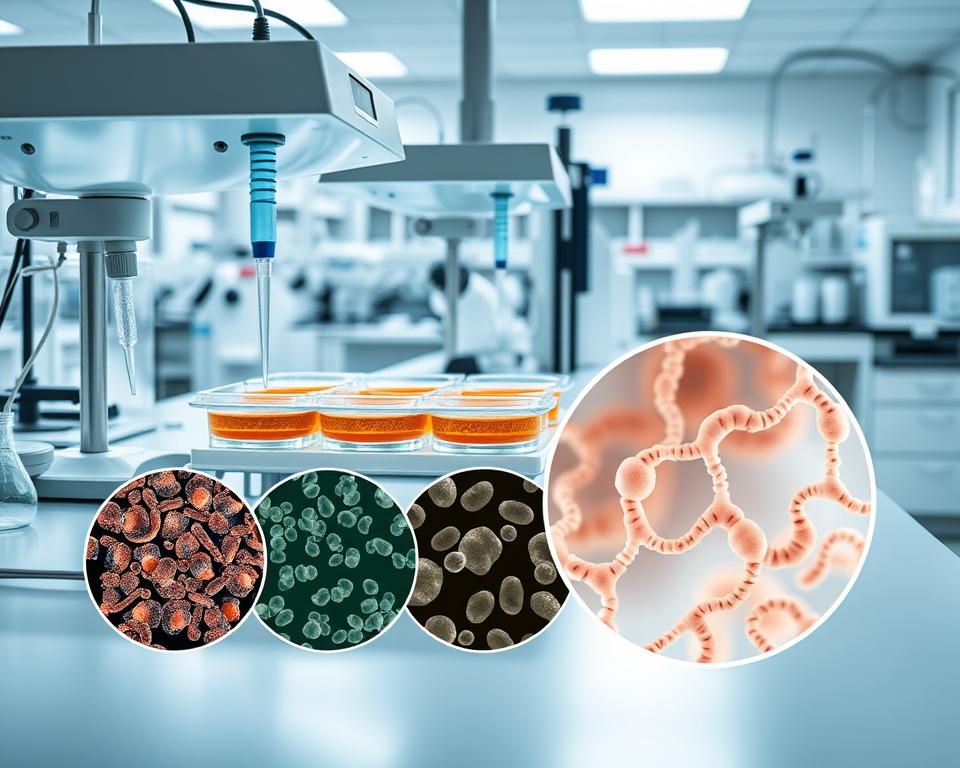
The way we grow hepatocytes affects how oxygen gets to the cells. Different methods, like static vs dynamic cultures, create different environments. This impacts how well the cells do.
Static vs. dynamic culture systems
Static cultures have little movement, leading to uneven oxygen levels. This can harm the cells. On the other hand, dynamic systems, like advanced bioreactors, mix everything well. This leads to better cell health and performance.
2D vs. 3D hepatocyte cultures
For a long time, 2D cultures were the norm in labs. But they don’t match the real world as well as 3D cultures do. 3D cultures better mimic the liver’s structure, helping oxygen and nutrients reach the cells better.
Advanced perfusion bioreactors
Advanced bioreactors are key in growing hepatocytes. They control oxygen and nutrients closely. These systems keep the fluid moving, helping cells grow well. Using these bioreactors is a big step forward in creating reliable cell cultures.
Case Studies on Oxygen Levels in Hepatocyte Cultures
Many studies have shown how important oxygen levels are in growing hepatocytes. These studies help us understand how the right amount of oxygen affects cell health and function. Researchers have found that changing oxygen levels can greatly impact how well cells live and work.
Successful experiments on oxygen modulation
Researchers have made big strides in controlling oxygen in hepatocyte cultures. They’ve seen how changing oxygen levels can help cells stay healthy for longer. This shows that the right oxygen levels are key to keeping cells alive and working well.
Insights from liver disease studies
Studying liver diseases has been helped a lot by looking at oxygen levels in hepatocytes. By creating low oxygen conditions, scientists can study liver diseases more closely. This helps in finding new treatments and understanding how diseases work in the lab.
Contributions to drug metabolism research
Oxygen levels are also crucial for studying how drugs are broken down in the body. By carefully controlling oxygen in cultures, scientists can make models that mimic real body processes. This is important for testing drugs safely and effectively.
Technologies for Monitoring Oxygen in Cultures
New scientific technologies have greatly improved how we check oxygen levels in hepatocyte cultures. Using the right tools for measuring oxygen makes our data more accurate. This helps us understand the cell environment better.
Tools for oxygen sensing and measurement
Many oxygen measurement tools are available, like Clark electrodes and optical sensors. These tools help scientists get precise oxygen levels. This is key for keeping cells healthy in experiments.
Real-time monitoring systems
Real-time monitoring systems have changed lab work a lot. They let scientists keep an eye on oxygen levels as they happen. This quick feedback helps make experiments more reliable and keeps cells growing well.
Benefits of continuous oxygen assessment
Checking oxygen levels all the time has many benefits:
- It helps control the culture environment better.
- It makes experiments more consistent.
- It spots problems with oxygen levels early.
- It lets scientists make better changes to help cells.
Challenges in Maintaining Optimal Oxygen Levels
Keeping oxygen levels right in hepatocyte cultures is tough in labs. Changes in lab settings can mess with oxygen levels. This hurts cell health and function. To tackle these oxygen maintenance challenges, we need to know key techniques and factors for cell culture success.
Variability in laboratory conditions
Things like temperature, humidity, and oxygen levels change in labs. This laboratory condition variability affects how cells react to oxygen. Keeping the environment steady is key to getting reliable results.
Techniques to minimize oxygen fluctuations
Using certain methods can help keep oxygen levels steady. Closed systems and controlled chambers are good for this. These methods follow hepatocyte culture best practices to keep cells healthy.
Genetic considerations in cell lines
The genes in hepatocyte cell lines affect how they handle oxygen. Different cell lines react differently to oxygen changes. Knowing this helps us tailor oxygen management for each culture.
For more on oxygen in cell cultures, check out this link. Focusing on these best practices leads to better cell culture methods and results.
Future Directions in Hepatocyte Cell Culture Research
Hepatocyte cell culture research is always changing, thanks to new technologies. These advancements help improve how oxygen is delivered to cells. This is key for keeping cells alive and working well, making cultures more effective.
Looking forward, these new technologies will lead to big steps in the field. They will help us understand and improve liver health.
Innovations in oxygen delivery technologies
New oxygen delivery technologies are key for future research. They help create a better environment for hepatocytes. This makes cells healthier and live longer.
These innovations will change how we do cell cultures. They promise to set new standards in the field.
Potential for personalized medicine applications
Personalized medicine in hepatocyte studies is also promising. It means tailoring culture conditions to match each patient. This could lead to more accurate research and new treatments.
This approach will help us understand how hepatocytes work better. It also opens doors to treatments made just for each patient.
Exploration of bioreactor systems for liver tissue engineering
Bioreactor innovations are also exciting for liver tissue engineering. These systems can better manage oxygen, helping liver models grow. As research goes on, these advanced platforms will lead to new discoveries and treatments.
References and further readings:
1.Allen, J. W., & Bhatia, S. N. (2003).
Formation of steady-state oxygen gradients in vitro: Application to liver zonation.
Biotechnology and Bioengineering, 82(3), 253–262.
2.Place, T. L., Domann, F. E., & Case, A. J. (2017).
Limitations of oxygen delivery to cells in culture: An underappreciated problem in basic and translational research.
Free Radical Biology and Medicine, 113, 311–322.
3.Lee-Montiel, F. T., et al. (2017).
Control of oxygen tension recapitulates zone-specific functions in human liver microphysiology systems.
Experimental Biology and Medicine, 242(16), 1617–1632.
FAQ
How do oxygen levels affect hepatocyte cell culture viability?
Oxygen levels are key to keeping hepatocyte cell cultures alive. Too little oxygen helps cells work better. But too much can cause damage and stress.
What are the primary techniques used for hepatocyte isolation?
There are a few main ways to get hepatocytes. These include using collagenase, enzymes, and mechanical methods. They help get healthy primary hepatocytes.
Why is it important to maintain specific oxygen concentrations in hepatocyte cultures?
Keeping the right oxygen levels is vital. It makes the culture environment like the liver’s. This helps keep the cells alive and working well.
What culture media are best for hepatocyte cultures?
The best media for hepatocytes has the right nutrients, growth factors, and hormones. It keeps the cells stable and functional in the lab.
How can researchers measure the viability of hepatocyte cultures?
There are ways to check if hepatocytes are doing well. Methods like MTT assays, trypan blue exclusion, and ATP tests can show how healthy the cells are.
What are the best practices for hepatocyte culture techniques?
For the best results, keep everything clean and use the right media. Make sure oxygen levels are correct and check the cells often.
What is the significance of using 3D hepatocyte culture models?
3D models are better because they look more like the liver. They help nutrients and oxygen get to the cells better. This makes the cells work better than in 2D cultures.
What types of applications benefit from hepatocyte culture research?
Hepatocyte cultures help in many areas. They’re used for studying drug effects, testing toxicity, modeling liver diseases, and in regenerative medicine.
How can controlled oxygen delivery systems enhance hepatocyte culture conditions?
Systems that control oxygen levels are very helpful. They use sensors to adjust oxygen in real-time. This keeps the oxygen stable, which is good for the cells.
What challenges do researchers face in maintaining optimal oxygen levels during hepatocyte culture?
Researchers face challenges like changing lab conditions and oxygen levels. They need controlled systems and specific methods to keep the oxygen right.
Leo Bios
Hello, I’m Leo Bios. As an assistant lecturer, I teach cellular and
molecular biology to undergraduates at a regional US Midwest university. I started as a research tech in
a biotech startup over a decade ago, working on molecular diagnostic tools. This practical experience
fuels my teaching and writing, keeping me engaged in biology’s evolution.




Leave a Comment
Your email address will not be published. Required fields are marked *