



The title clearly states that rat hepatocytes are different from other rodent liver cells. It’s important to know these differences for a deep understanding of liver cell research. Rat hepatocytes play a key role in many biomedical studies, especially in liver function and disease modeling.
Their unique features come from their cellular structure, metabolic functions, and genetic makeup. This article explores the special traits of rat hepatocytes. It looks at their roles in research on rodent liver cells. By understanding these differences, we can improve drug testing and learn more about liver diseases.
For more on alternative stem cell sources for liver research, read here.
Key Takeaways
- Rat hepatocytes have unique metabolic pathways compared to other rodent liver cells.
- Knowing the physiological differences is key for accurate liver cell research.
- Rat hepatocytes are vital for studying liver disease and drug effects.
- Their structural characteristics tell us how they function in metabolism.
- Insights from rat hepatocyte studies help human health research.
Understanding Hepatocytes and Their Importance
Hepatocytes are the main *functional cells of the liver*, making up about 80% of its mass. They play a key role in many important processes that keep the liver working well. These cells help with protein making, getting rid of harmful substances, and breaking down carbs and fats. They also help make bile, which is important for digestion.
The Role of Hepatocytes in Liver Function
Hepatocytes are vital because they help with many important tasks. They are involved in:
- Protein synthesis, which is key for the body’s functions.
- Detoxification, helping to remove harmful substances.
- Metabolizing carbs and fats, important for energy balance.
- Making and secreting bile, which aids digestion.
Key Features of Hepatocytes
Hepatocytes have unique features that help them do their jobs. Some key features include:
- A cuboidal shape, which increases their surface area for work.
- A big nucleus, showing they are active in making and controlling proteins.
- A lot of endoplasmic reticulum, important for protein and lipid work.
- A strong ability to regenerate, helping them recover from damage.
Why Study Rat Hepatocytes?
Studying rat hepatocytes is very helpful because they are similar to human liver cells. Their characteristics give us important insights into liver diseases and treatments. By studying these cells, we learn more about how drugs work, liver damage, and diseases. This makes rat hepatocytes a key area of study in liver research.
Anatomy of Rat Hepatocytes
Understanding rat hepatocytes helps us see their role in the liver. The rat hepatocyte structure has parts that work together for metabolism. We’ll look at the hepatocyte composition and how it makes these cells effective. We’ll also compare rat and mouse hepatocytes to show their differences and rat hepatocytes’ special features.
Cellular Structure and Composition
Rat hepatocytes have a special cellular structure with important organelles. These organelles help with protein and lipid metabolism. Mitochondria give energy, and lysosomes break down waste. This mix makes rat hepatocytes unique.
Comparative Anatomy with Mouse Hepatocytes
Rat and mouse hepatocytes share many similarities but also have differences. Rat hepatocytes have bigger nuclei than mouse ones. The liver’s cell types also vary, affecting how cells work. These differences are important for research.
Unique Characteristics of Rat Hepatocytes
Rat hepatocytes have special hepatocyte markers that set them apart. These markers help track liver health and growth. Knowing these traits helps scientists find new treatments and learn more about liver function.
| Feature | Rat Hepatocytes | Mouse Hepatocytes |
|---|---|---|
| Nuclear Size | Larger | Smaller |
| Endoplasmic Reticulum Density | Higher density | Lower density |
| Lobule Structure | Distinct lobular organization | Less distinct lobules |
| Hepatocyte Markers | Specific to rats | Species-specific |
Metabolism Differences in Rat Hepatocytes
Rat hepatocytes have unique metabolism compared to other rodent liver cells. This knowledge helps us understand liver health and research better.
Drug Metabolism in Rat vs. Other Rodents
Rat liver cells have special drug metabolism abilities. Their cytochrome P450 enzymes work differently. This means they clear some drugs faster than other rodents.
This is important for studying how drugs work and their safety.
Fatty Acid Metabolism Comparison
Rat liver cells store lipids differently than other rodents. This affects studies on obesity and metabolic disorders. It’s key for understanding lipid profiles and health.
Effects of Diet on Metabolism
Diet greatly affects rat hepatocyte metabolism. Studies show diet changes impact liver enzymes and function. This helps us understand nutritional effects on the liver.
Cell Culture Techniques for Rat Hepatocytes
Rat hepatocyte culture techniques are key for research in toxicology, pharmacology, and metabolism. Getting hepatocytes isolated and keeping them alive is crucial for good results. This part talks about primary culture methods, the perks of using rat hepatocytes, and the hurdles in culturing them.
Primary Culture Methods
Getting rat hepatocytes isolated is a detailed process. It’s important for their function and survival. Here are some main steps:
- Collagenase digestion: This enzyme helps break down the matrix, making it easier to get hepatocytes off the liver.
- Differential centrifugation: It separates hepatocytes from other cells after they’re isolated.
- Culture media: Special media helps hepatocytes grow and function better, keeping their genes stable.
Advantages of Using Rat Hepatocytes in Research
Using rat hepatocytes has many benefits in research:
- They’re similar to human liver cells: Rat models are good for studying human liver functions and drug metabolism.
- They’re easy to work with: Cultured rat hepatocytes can be changed to study specific drug effects or pathways.
- They can grow a lot: Rat hepatocytes stay functional longer in the lab, making it easier to study them for a while.
Challenges in Culturing Rat Hepatocytes
Even with their benefits, culturing rat hepatocytes has its challenges:
- They lose function over time: Hepatic functions can decrease, making the cells less useful for study.
- Stable gene expression is hard: Keeping gene expression steady is tough, which can mess up study results.
- Keeping cells alive is hard: Things like the media and lab conditions can affect cell health.
Rat Hepatocytes in Toxicology Studies
Rat hepatocytes are key in toxicology studies, especially in testing for liver damage. They mimic how human livers react to substances. This makes them a great tool for studying how drugs are broken down and how chemicals harm the liver.
Importance in Hepatotoxicity Testing
Using rat hepatocytes in toxicology helps test how harmful chemicals are. They work like human liver cells, helping scientists understand liver problems and drug safety. This is crucial for keeping drugs safe for people.
Case Studies of Chemical Impact
Many studies use rat hepatocytes to see how chemicals affect the liver. These studies show how certain chemicals can damage the liver. They also help scientists understand how these chemicals are broken down in the body. This knowledge helps create safer alternatives.
Insights Gained from Rat Hepatocyte Studies
Studies with rat hepatocytes have greatly improved our understanding of liver diseases. They provide important information on how liver problems start. This knowledge helps in finding better treatments for liver diseases. It shows how vital rat hepatocytes are in studying the effects of toxins on the liver.
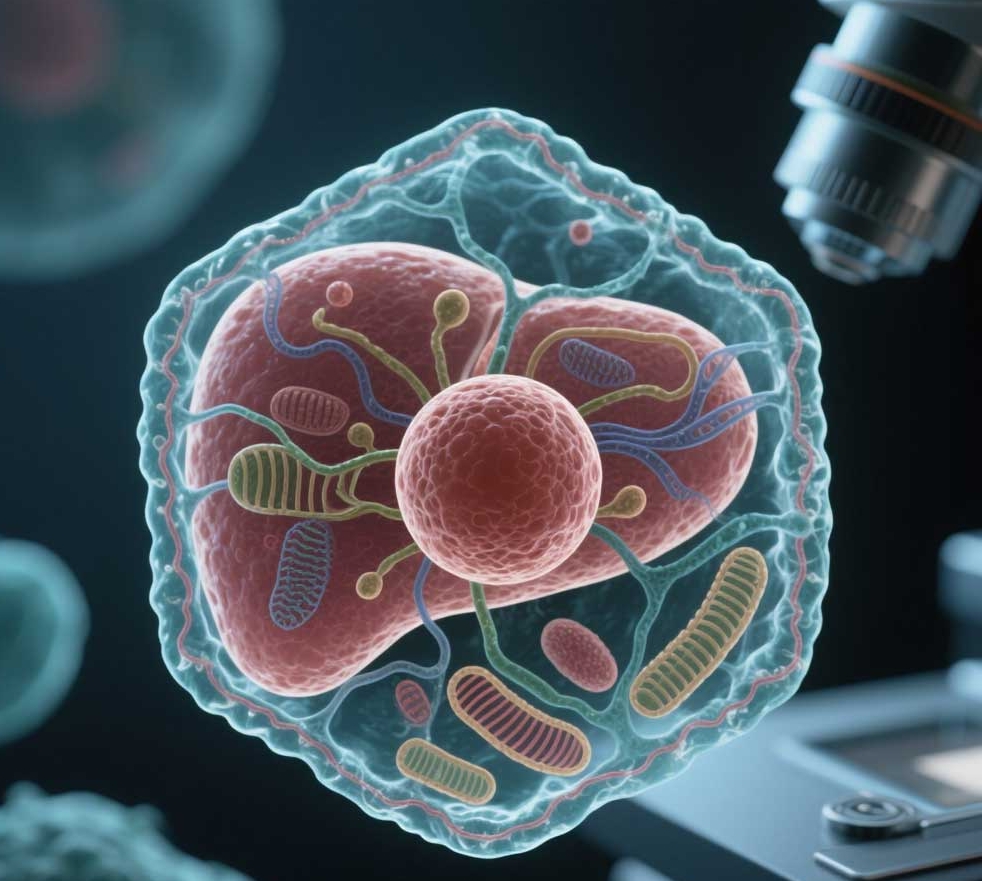
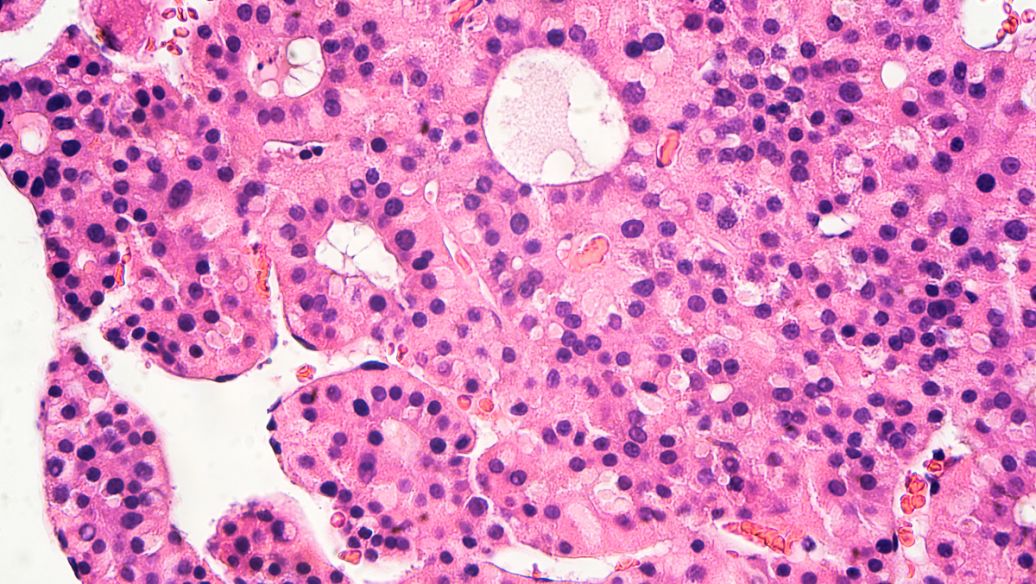
rat hepatocytes
Genetic and Molecular Variations
Understanding rat hepatocytes’ genetics is key for liver research and disease models. This part explores genetic profiling, gene expression, and what makes rat hepatocytes special.
Genetic Profiling of Rat Hepatocytes
Genetic profiling of rat hepatocytes gives us important insights. It shows what makes them tick. Techniques like RNA sequencing help us see how their genes work. This helps us compare them to other rodents.
Comparison of Gene Expression Between Species
Comparing gene expression in rats and other rodents shows big differences. Studies find unique ways genes react to drugs or changes. These differences affect how well the liver works, especially in drug metabolism.
Impact of Genetics on Functionality
Genetics play a big role in how well rat hepatocytes work. Changes in gene expression affect their metabolic processes. Knowing this helps us see how rat hepatocytes can model human liver functions.
Rat Hepatocytes in Disease Models
Rat hepatocytes are key in studying liver and metabolic diseases. They help create detailed models of liver diseases. This aids researchers in finding new treatments for various conditions.
Use in Liver Disease Research
Rat hepatocytes are crucial for liver disease models. They help study diseases like hepatitis, fibrosis, and cirrhosis. These models offer deep insights into liver diseases and how to treat them.
Modeling Metabolic Disorders
Rat hepatocytes are also used in metabolic disorder research. They mimic human liver functions, helping researchers understand diabetes and obesity. This study can lead to new treatments for these diseases.
Applications in Cancer Research
Rat hepatocytes are vital in cancer research, especially for liver cancer. They help researchers understand tumor biology better. This knowledge leads to new treatments and strategies for cancer.
Advantages of Rat Hepatocytes Over Other Rodent Models
Rat hepatocytes have special benefits for studying human health. They closely match human liver cells, making them great for research. This helps scientists understand liver diseases and treatments better.
Physiological Relevance in Human Health
Rat hepatocytes mimic human liver functions well. This is key for studying human diseases. They help in understanding how drugs work and their safety in humans.
Similarities with Human Hepatocytes
Studies show rat and human liver cells share many traits. They have similar enzymes and react to drugs in the same way. This makes rat models reliable for finding new treatments.
Regulatory Adherence in Research
Rat hepatocytes follow strict research rules. This is important for drug development and safety checks. Following these rules helps get approval from bodies like the FDA. It makes research findings trustworthy.
Future Perspectives for Rat Hepatocyte Research
Research on rat hepatocytes is leading to new uses in science and medicine. The future of liver studies depends on new methods that use rat hepatocytes’ special traits. We’re looking at exciting times ahead, with new techniques changing how we see these important cells.
Advances in Hepatocyte Studies
New studies show big steps forward in understanding rat hepatocytes. They show how precision medicine can use these findings. This progress helps us learn more about liver function and diseases.
Novel Technologies in Cell Analysis
New technologies like high-throughput sequencing and CRISPR-Cas9 are key in studying rat hepatocytes. These tools help researchers study cells in new ways. They let us see how cells work in detail, helping us understand rat hepatocytes better.
Implications for Human Medicine
Research on rat hepatocytes has big implications for human medicine. It helps in making new drugs and treatments. The study of rat hepatocytes is leading to new treatments and better care for patients. The future of liver research looks bright, with new discoveries helping us in the clinic.
Conclusion: Significance of Rat Hepatocytes in Biomedical Research
In our discussion, we’ve shown how rat hepatocytes are special in biomedical research. Their unique features help us understand liver function and diseases. This makes them a key tool for scientists.
These cells are crucial for studying liver diseases and how drugs work. They help connect lab findings to real-world treatments. This shows their value in research.
We believe more research on rat hepatocytes is needed. It’s important for improving human health. By studying them, we can make medical science better. Join this important field and see the benefits of rat hepatocyte research.
References and further readings:
1.Guillouzo, A. (1998).
Liver cell models in in vitro toxicology.
Environmental Health Perspectives, 106(Suppl 2), 511–532.
2.Boess, F., et al. (2003).
Gene expression in two hepatic cell lines, cultured primary hepatocytes, and liver slices compared to the in vivo liver gene expression in rats.
Toxicological Sciences, 73(2), 386–402.
3. Serras, A. S., et al. (2021).
A critical perspective on 3D liver models for drug metabolism and toxicology studies.
Frontiers in Cell and Developmental Biology, 9, 626805.
FAQ
How do rat hepatocytes differ from other rodent liver cells?
Rat hepatocytes have unique traits that set them apart from other rodents. They differ in shape, function, and how they process drugs. These differences are key for certain research needs.
What are the key functions of hepatocytes?
Hepatocytes play a crucial role in the liver. They make proteins, clean toxins, and help with fat and sugar metabolism. They also make bile, keeping the liver healthy.
Why is it important to study rat hepatocytes?
Studying rat hepatocytes helps us understand human liver diseases better. It’s vital for finding new treatments and improving liver health research.
What is the cellular structure of rat hepatocytes?
Rat hepatocytes have a complex structure. They have organelles like the endoplasmic reticulum, mitochondria, and lysosomes. These parts help them work properly.
How does drug metabolism in rat hepatocytes compare to other rodents?
Rat hepatocytes have unique ways of breaking down drugs. This is different from other rodents. It affects how drugs work in the body.
What challenges are faced when culturing rat hepatocytes?
Culturing rat hepatocytes is tough. They lose function over time and it’s hard to keep their genes stable. This makes it hard to get reliable results.
How are rat hepatocytes used in toxicology studies?
Rat hepatocytes are key in toxicology studies. They help find out if substances harm the liver. This is important for drug safety.
What genetic factors influence the functionality of rat hepatocytes?
Genetic differences in rat hepatocytes affect their work. This impacts liver studies and how they react to things outside.
In what ways do rat hepatocytes contribute to disease modeling?
Rat hepatocytes help create models for liver diseases. They aid in studying hepatitis, fibrosis, and cirrhosis. This gives insights into liver health and treatments.
What is the regulatory importance of rat hepatocytes in pharmaceutical testing?
Rat hepatocytes must follow strict rules in pharmaceutical testing. This ensures research is done right. It’s crucial for both early and late stages of drug testing.
What are future perspectives for research involving rat hepatocytes?
Research on rat hepatocytes is growing. New technologies like CRISPR-Cas9 will help us learn more. This will improve our understanding of liver function and diseases.
Leo Bios
Hello, I’m Leo Bios. As an assistant lecturer, I teach cellular and
molecular biology to undergraduates at a regional US Midwest university. I started as a research tech in
a biotech startup over a decade ago, working on molecular diagnostic tools. This practical experience
fuels my teaching and writing, keeping me engaged in biology’s evolution.




Leave a Comment
Your email address will not be published. Required fields are marked *