


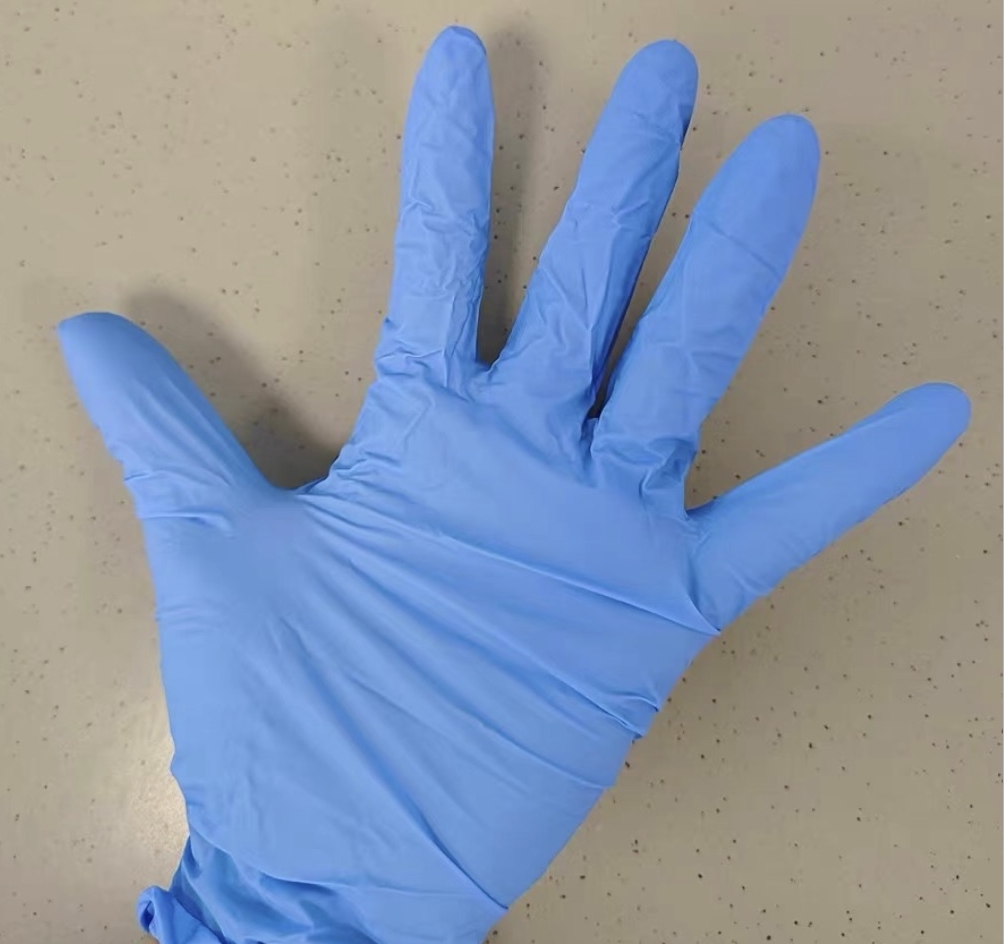
When working in a biological laboratory, hand protection is crucial for preventing contamination and exposure to hazardous materials. We offer high-quality molecular biology products trusted by researchers worldwide, and we understand the importance of selecting the right gloves for your research needs.
There are various types of laboratory gloves available, each with its unique properties and applications. The most common types include nitrile and latex gloves, which provide excellent protection against chemicals and biological agents.
Choosing the right glove material depends on several factors, including chemical resistance, tactile sensitivity, and durability. By understanding the different types of laboratory gloves available, you can make informed decisions about which ones best suit your specific research requirements.
Key Takeaways
- Understanding the different types of laboratory gloves is crucial for selecting the right protection.
- Nitrile and latex gloves are the most common types used in biological laboratories.
- Glove material selection depends on factors like chemical resistance and tactile sensitivity.
- Proper hand protection prevents contamination and exposure to hazardous materials.
- Choosing the right gloves ensures the integrity of your research.
Understanding Laboratory Science Gloves
The importance of laboratory science gloves cannot be overstated, as they provide a critical barrier against harmful substances. Laboratory professionals rely on these gloves to protect their hands while working with various chemicals and biological agents.
The Importance of Proper Hand Protection in Labs
Proper hand protection is essential in laboratory settings, where workers are exposed to a range of hazards. Laboratory science gloves serve as the primary defense against chemical splashes, biological contaminants, and other risks. By wearing the right gloves, laboratory professionals can minimize the risk of exposure and ensure a safe working environment.
Key Properties of Science Gloves
Effective science gloves possess certain key properties, including chemical resistance, puncture resistance, and tactile sensitivity. The variety of materials used in glove construction, such as nitrile, latex, and chloroprene, offers different levels of protection against various hazards. Understanding these properties is crucial for selecting the right gloves for specific laboratory tasks.
| Glove Material | Chemical Resistance | Puncture Resistance | Tactile Sensitivity |
|---|---|---|---|
| Nitrile | High | Medium | High |
| Latex | Medium | Low | High |
| Chloroprene | High | High | Medium |
By considering factors such as thickness and material composition, laboratory professionals can choose the most suitable gloves for their specific needs. Regular assessment of glove integrity during use is also essential to ensure continued protection.
Nitrile Gloves: The Laboratory Standard
Laboratory GlovesThe laboratory standard for hand protection has become nitrile gloves, thanks to their outstanding durability and chemical resistance. We understand the importance of reliable protection in laboratory environments, which is why nitrile gloves are the preferred choice among researchers.
Properties and Benefits of Nitrile Gloves
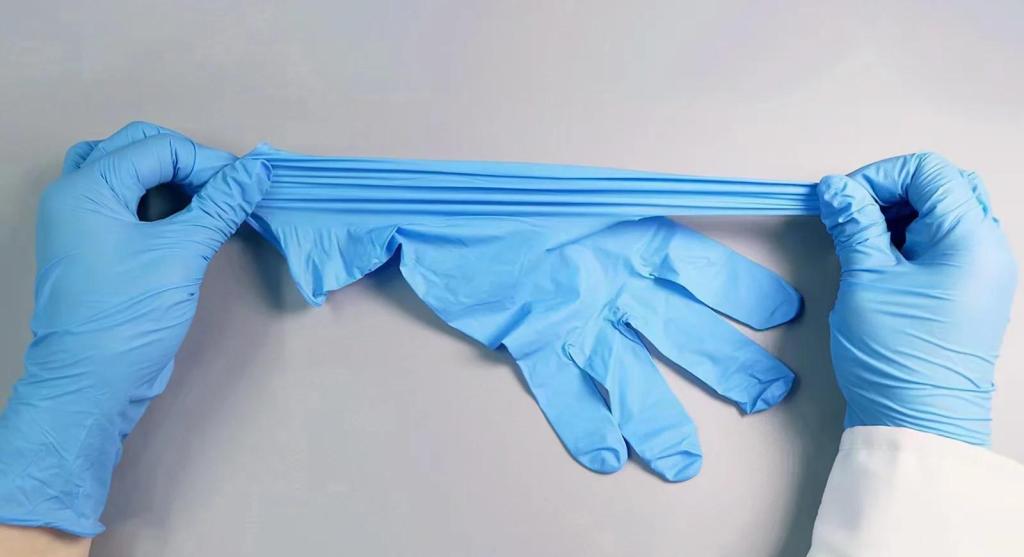
Nitrile gloves offer exceptional resistance to oils, fats, and various laboratory chemicals. Their synthetic rubber composition provides superior puncture resistance compared to natural rubber alternatives. Modern nitrile gloves are designed to maintain tactile sensitivity while ensuring protection.
Applications in Biological Research
In biological research settings, disposable nitrile gloves are preferred for their broad spectrum of protection against biological agents and hazardous chemicals. They are ideal for procedures involving sharps or abrasive materials.
Advanced Nitrile Technologies: Layer4 RapidDon
Advanced nitrile technologies, such as Layer4 RapidDon, feature enhanced polymer coatings that repel moisture and provide excellent grip under wet conditions. These gloves are designed for comfort and ease of use, even on damp hands.
Latex Gloves in Scientific Applications
Latex gloves are a traditional choice in labs, offering excellent dexterity and barrier protection. Natural rubber latex provides a unique combination of comfort, elasticity, and tactile sensitivity, making these gloves ideal for precise scientific work.
Nitrile Gloves
Natural Rubber Latex Properties
Natural rubber latex gloves are known for their exceptional elasticity and comfort. The manufacturing process results in a highly elastic material that conforms well to the hand, providing excellent dexterity for detailed laboratory procedures. The unique properties of natural rubber latex also offer a strong barrier against biological contaminants.
Advantages and Limitations in Lab Settings
Latex gloves offer good resistance to many water-based solutions and biological materials. However, they have limited protection against organic solvents and certain chemicals. Despite their advantages, latex gloves can cause allergic reactions among laboratory personnel, leading some facilities to adopt latex-free policies. For labs where latex allergies are not a concern, these gloves remain a preferred choice for applications requiring maximum tactile sensitivity.
Specialty Science Gloves for Laboratory Use
The use of specialty science gloves in laboratories has become essential for ensuring the safety of personnel handling dangerous chemicals and biological agents. These gloves are designed to provide enhanced protection beyond what standard exam gloves can offer.

Life Science Gloves
Chloroprene Gloves: Features and Applications
Chloroprene gloves are an excellent alternative for laboratories that require latex-like elasticity and comfort without the allergen concerns. They provide good resistance to a wide variety of chemicals and biological agents, making them suitable for handling hazardous materials.
Extended Cuff Gloves for Additional Protection
Extended cuff gloves feature longer designs that protect not only the hand but also the wrist and forearm. They are ideal for applications where splashes or extended reach into hazardous materials is required, providing comprehensive hand protection.
Chemical-Resistant Glove Options
Chemical-resistant gloves are manufactured using specialized materials engineered to withstand specific chemical families. Thickness variations are available to balance protection levels with necessary tactile sensitivity, ensuring that laboratory personnel can work safely and efficiently.
When selecting specialty gloves, it’s crucial to integrate their use into a comprehensive hand protection program. This includes regular assessment of glove integrity and appropriate disposal protocols to minimize environmental waste. Laboratories should also consider the variety of sizes and designs available to ensure a proper fit for optimal protection and dexterity during complex procedures.
Selecting the Right Science Gloves for Your Laboratory
Choosing the right gloves for your laboratory is a critical decision that affects both safety and performance. We recommend a systematic approach to glove selection, beginning with a comprehensive risk assessment of laboratory procedures to identify potential hazards.
Nitrile gloves are versatile and offer broad chemical resistance, particularly against oils and fats. Consider factors such as thickness specifications, proper sizing, and the implementation of a glove testing program to ensure optimal protection.
Maintaining a variety of glove options and using color-coding can improve laboratory safety protocols. We also recommend considering the environmental impact and cost factors, including recycling programs for certain disposable nitrile glove types.
References and further readings:
1.Sawyer, J. O., & Bennett, A. (2006). Comparing the level of dexterity offered by latex and nitrile SafeSkin gloves. Annals of Occupational Hygiene, 50(3), 289–296.
https://academic.oup.com/annweh/article/50/3/289/1699442.Phalen, R. N., & Maibach, H. (2022). Protective Gloves for Occupational Use. CRC Press.
https://books.google.co.jp/books?id=uFuKEAAAQBAJ&redir_esc=y3.Tahir, S., Chowdhury, D., Legge, M., & Hu, H. (2019). Transmission of Staphylococcus aureus from dry surface biofilm via different types of gloves. Infection Control & Hospital Epidemiology, 40(6), 670–676.
https://www.cambridge.org/core/journals/infection-control-and-hospital-epidemiology/article/ice-volume-40-issue-4-cover-and-front-matter/92BCBCE48FC2EE47AD478C53B31B2FF54.Vogelsberg, C., Latham, K. E., & Cale, C. M. (2016). Transfer DNA on laboratory gloves: A potential complicating factor in forensic DNA typing. Journal of Forensic Identification, 66(3), 231–244.
https://search.ebscohost.com/login.aspx?direct=true&profile=ehost&scope=site&authtype=crawler&jrnl=0895173X&AN=118144567
FAQ
What materials are commonly used to manufacture laboratory gloves?
We use a variety of materials, including nitrile, natural rubber latex, and other synthetic materials to produce gloves that meet the demands of laboratory work.
How do I choose the right size of gloves for laboratory use?
To ensure a proper fit, we recommend measuring your hand circumference and referring to our size chart. A well-fitting glove is essential for maintaining dexterity and preventing pinholes.
Are nitrile gloves resistant to chemicals and oils?
Yes, nitrile gloves are known for their resistance to a wide range of chemicals, including oils and fats. However, the level of resistance may vary depending on the specific formulation and thickness of the glove.
Can I reuse laboratory gloves?
We generally advise against reusing laboratory gloves, as this can compromise their integrity and increase the risk of cross-contamination. Instead, we recommend using a new pair of gloves for each task or experiment.
How are laboratory gloves tested for quality and integrity?
Our laboratory gloves undergo rigorous testing, including pinhole testing, to ensure they meet the highest standards of quality and integrity. We also comply with relevant industry regulations and guidelines.
What are the benefits of using latex gloves in laboratory settings?
Latex gloves offer excellent tactile sensitivity and flexibility, making them suitable for delicate laboratory work. However, they may not be suitable for individuals with latex allergies or sensitivities.
How do I properly dispose of used laboratory gloves?
Used laboratory gloves should be disposed of in accordance with your laboratory’s waste management policies and procedures. This may involve disposing of them in designated biohazard or chemical waste containers.
Leo Bios
Hello, I’m Leo Bios. As an assistant lecturer, I teach cellular and
molecular biology to undergraduates at a regional US Midwest university. I started as a research tech in
a biotech startup over a decade ago, working on molecular diagnostic tools. This practical experience
fuels my teaching and writing, keeping me engaged in biology’s evolution.


Leave a Comment
Your email address will not be published. Required fields are marked *