



Microbial detection is a critical process in various industries, including dairy product testing, clinical diagnostics, and environmental monitoring. Bacteriological pipettes play a vital role in this process, providing precise measurement and transfer of microbial samples. We rely on these specialized instruments to ensure accurate detection and analysis.
The use of sterile disposable borosilicate glass pipets that meet APHA requirements is essential in maintaining sample integrity and preventing cross-contamination. You need to select the right pipets for your laboratory to ensure reliable results and compliance with regulatory requirements.
Key Takeaways
- Precise measurement and transfer of microbial samples are crucial for accurate detection and analysis.
- Bacteriological pipettes are designed to meet strict industry standards for reliable results.
- Proper pipette selection directly impacts test validity and laboratory efficiency.
- Sterile disposable borosilicate glass pipets prevent cross-contamination during microbial detection.
- Compliance with regulatory requirements is essential in microbial testing environments.
Understanding Bacteriological Pipettes
To understand the role of bacteriological pipettes, we first need to define what they are and their basic components.
Definition and Basic Components
Bacteriological pipettes are precision instruments used for measuring and handling samples in microbial detection. They are typically made of glass or plastic materials.
Types of Bacteriological Pipettes
There are several types of bacteriological pipettes available, including Bacteriological/Milk Pipets, Open End Serological Pipets, and Plastic Pasteur Pipets. Each type has specific advantages for different testing protocols.
- The market offers several types of bacteriological pipettes, including disposable glass pipets, reusable glass options, and modern plastic alternatives.
- Milk pipettes are specialized variants designed for dairy product testing, featuring precise calibration for standardized milk sample volumes.
- Open-end serological pipettes provide faster flow rates for viscous samples or those containing particulates.
The selection of the appropriate pipette type depends on the specific microbial detection protocol, sample characteristics, and laboratory workflow requirements for each testing item.
Precision in Microbial Sample Handling
Precision in handling microbial samples is a cornerstone of effective detection processes. We rely on bacteriological pipettes to deliver accurate and sterile sample handling.
Volume Accuracy Requirements
Accurate volume measurements are critical in microbial detection. Individually wrapped pipettes ensure that each measurement is precise and free from contamination.
Sterility Considerations
Maintaining sterility is paramount to prevent contamination. Our pipets are supplied sterile, gamma-irradiated, and packaged in sterile bags or bulk packed, ensuring the highest level of sterility assurance, especially when handling sensitive samples like milk.
The use of individually wrapped pipettes allows for the removal of a single pipet without compromising the sterility of the remaining inventory, thus maintaining testing integrity.
Bacteriological Pipettes in Standard Methods Examination
Bacteriological pipettes play a crucial role in standard methods examination, particularly in dairy product testing. We rely on these pipettes to deliver accurate results.

bacteriologic pipette
APHA Requirements for Dairy Product Testing
The American Public Health Association (APHA) sets rigorous standards for dairy product testing, including the use of bacteriological pipettes. You must ensure that your laboratory equipment meets these standards.
Compliance with ASTM E1043-00 Standards
Bacteriological/Milk Pipets are manufactured to meet ASTM E1043-00(2010) Standard Specification for Pipets, Milk and Cream Examination. We ensure that our pipettes comply with these standards, covering aspects from dimensional requirements to performance characteristics.
- Comprehensive Standards: ASTM E1043-00 provides detailed specifications for pipettes used in milk and cream examination.
- Consistency Across Laboratories: These standards ensure that methods examination procedures remain consistent, creating reliable results.
- Rigorous Quality Control: Compliance requires manufacturers to implement regular calibration verification and material testing.
Key Applications in Microbial Detection
We utilize bacteriological pipettes in multiple settings for accurate microbial detection. These pipettes are crucial in various laboratory procedures, ensuring precise handling of microbial samples.
Dairy Product Analysis
In dairy product analysis, bacteriological pipettes are used to handle milk and other dairy products. Individually wrapped, sterile pipets are particularly useful in preventing cross-contamination during testing.
Environmental and Clinical Sample Processing
For environmental and clinical samples, specialized bacteriological pipettes are employed. These pipettes feature wide-bore tips and open ends, ideal for handling viscous or particulate-containing samples.
The table below summarizes the key features of bacteriological pipettes used in different applications:
| Application | Pipette Feature | Benefit |
|---|---|---|
| Dairy Product Analysis | Individually wrapped, sterile pipets | Prevents cross-contamination |
| Environmental Sample Processing | Wide-bore tips and open ends | Handles viscous or particulate samples |
| Clinical Sample Processing | Sterile, precise volume delivery | Ensures accurate microbial detection |
By selecting the appropriate bacteriological pipette for your specific application, you can ensure accurate and reliable microbial detection results.
Features That Enhance Detection Accuracy
Accurate microbial detection is contingent upon the quality and features of bacteriological pipettes used. We will explore the key features that make a difference in your laboratory work.
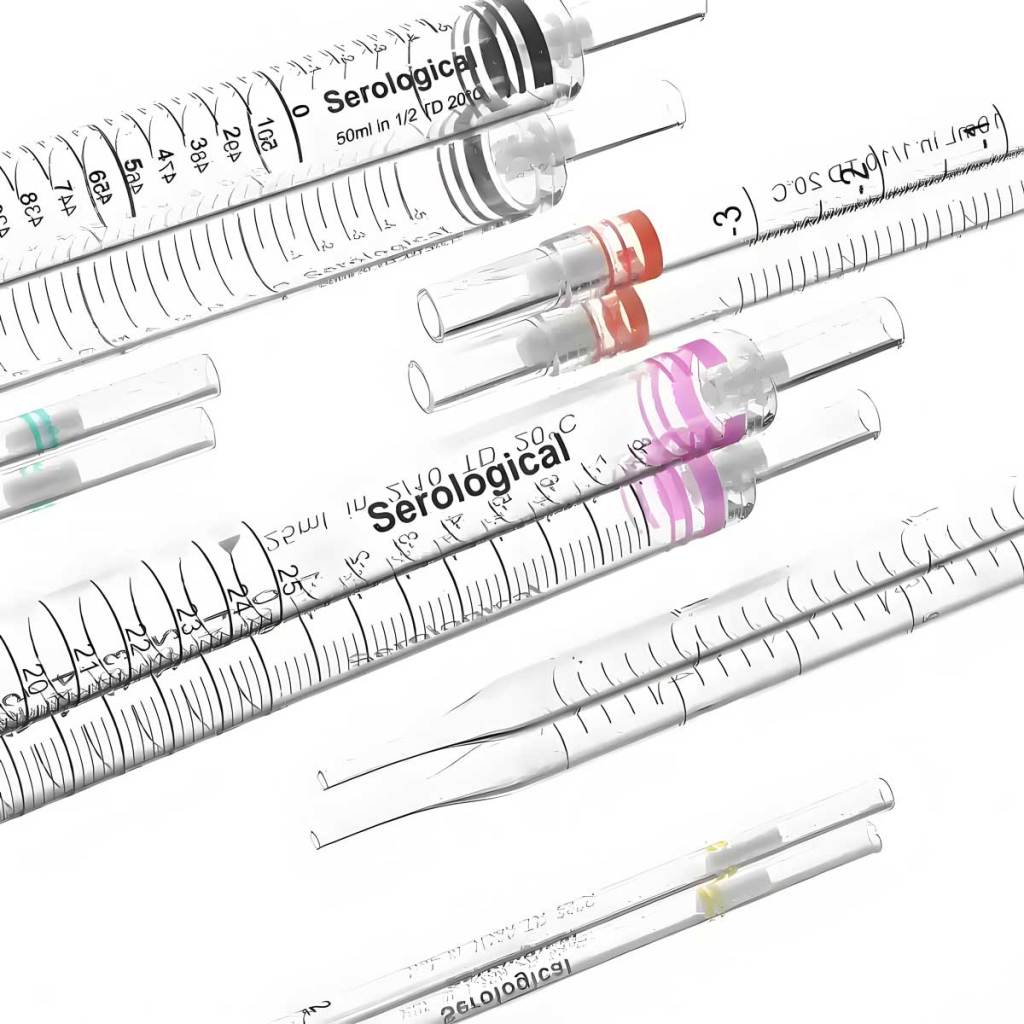
bacteriological pipette function
Individually Wrapped Sterile Options
Individually wrapped sterile pipette options are crucial for preventing cross-contamination. PYREX borosilicate glass pipets are available in sterile formats, ensuring the highest level of cleanliness for sensitive applications.
Material and Design Considerations
Material selection significantly impacts bacteriological pipette performance. For instance, borosilicate glass pipets offer excellent chemical resistance and transparency, while plastic options provide durability and reduced breakage risk. The tip design is also critical, with features like anti-drip tips enhancing dispensing precision.
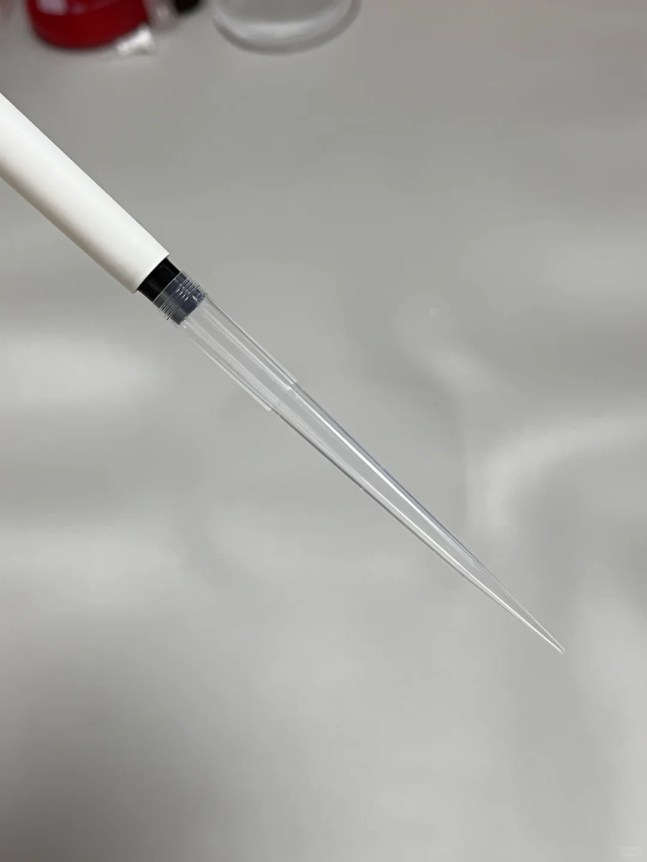
The tip configuration varies across different pipette models, with some featuring narrow tips for precise delivery and others offering wide-bore designs for handling particulate-containing samples without clogging. Ergonomic design considerations are increasingly important, reducing hand fatigue during repetitive pipetting tasks.
When selecting pipettes for your laboratory cart, consider factors like chemical compatibility, autoclavability, and integration with existing equipment to ensure optimal performance.
Conclusion: Selecting the Right Bacteriological Pipette for Your Lab
Selecting an appropriate bacteriological pipette is crucial for accurate microbial detection. We recommend considering your laboratory’s specific testing applications, sample types, and regulatory requirements. For dairy product testing, compliance with APHA and ASTM standards is essential.
Key considerations include evaluating pipette options based on precision, sample compatibility, and laboratory safety. You should also balance initial costs with long-term factors like durability and potential retesting costs. Consulting with specialists and implementing proper training and regular calibration verification will ensure your pipets meet your laboratory’s needs.
References and further readings:
1.Sanders, E. R. (2012).
Aseptic laboratory techniques: volume transfers with serological pipettes and micropipettors.
Journal of Visualized Experiments, (63), e2754.
https://pmc.ncbi.nlm.nih.gov/articles/PMC3941987/2.Yousef, A. E., & Carlstrom, C. (2003).
Food Microbiology: A Laboratory Manual.
CRC Press.
https://books.google.com/books?id=aYORXplZq0wC3.Riggio, M. P., Dempsey, K. E., Lennon, A., et al. (2007).
Identification of bacteria on the surface of clinically infected and non-infected prosthetic hip joints using 16S rRNA gene analysis.
Arthritis Research & Therapy, 9(1), R46.
https://link.springer.com/article/10.1186/ar2201
FAQ
What are the benefits of using individually wrapped sterile pipets in microbial detection?
Individually wrapped sterile pipets provide a contamination-free solution for handling microbial samples, ensuring the integrity of your results.
How do I ensure the accuracy of my pipets for dairy product analysis?
To ensure accuracy, we recommend calibrating your pipets regularly and following the guidelines set by the American Public Health Association (APHA) for dairy product testing.
What type of pipet is suitable for environmental and clinical sample processing?
For environmental and clinical sample processing, we recommend using pipets made from high-quality, durable materials that can withstand the rigors of laboratory use.
Are our pipets compliant with industry standards for microbial detection?
Yes, our pipets are designed to meet the requirements of ASTM E1043-00 standards, ensuring compliance with industry regulations.
Can I trust the sterility of our pipets for critical applications?
Absolutely, our pipets are sterilized using validated processes to ensure they meet the highest standards of sterility for critical applications.
How do the material and design of pipets impact their performance in microbial detection?
The material and design of pipets play a crucial role in their performance, with factors such as tip design and plastic quality affecting accuracy and reliability.
What is the significance of precise volume control in microbial sample handling?
Precise volume control is essential in microbial sample handling to ensure accurate results and prevent contamination or sample loss.
Leo Bios
Hello, I’m Leo Bios. As an assistant lecturer, I teach cellular and
molecular biology to undergraduates at a regional US Midwest university. I started as a research tech in
a biotech startup over a decade ago, working on molecular diagnostic tools. This practical experience
fuels my teaching and writing, keeping me engaged in biology’s evolution.




Leave a Comment
Your email address will not be published. Required fields are marked *