



Human primary hepatocytes are key in drug development. They are crucial for the field’s success. These cells act like the human liver in lab tests, helping to understand how drugs work.
They are used to test drug safety and how well drugs work. By studying PHHs, scientists can make better predictions about drug safety in people. This is important for making drugs safer and more effective.
Key Takeaways
- Human primary hepatocytes are vital for accurate toxicology assessments.
- They provide insights into drug metabolism critical for liver research.
- PHHs enhance predictive models for drug clearance in humans.
- These cells contribute significantly to evaluating drug efficacy.
- They help bridge the gap in preclinical drug development.
Understanding Human Primary Hepatocytes
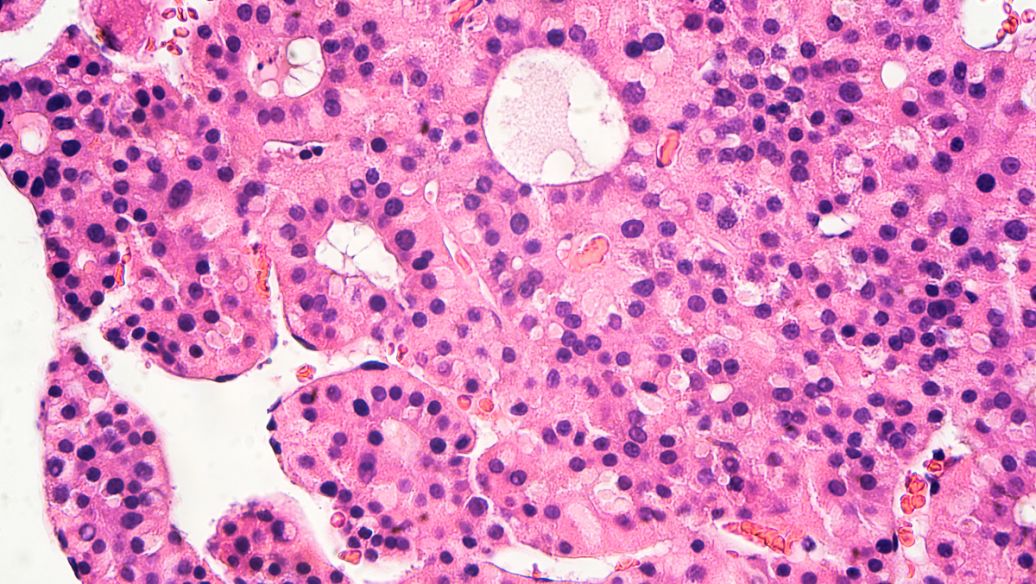
Human primary hepatocytes are key in liver cell studies. They come directly from human liver tissue. These cells are crucial for accurately modeling liver functions in research and drug development.
Definition and Characteristics
Human primary hepatocytes are liver cells vital for metabolism and detox. They work like a real human liver, making them essential for liver cell studies. They can break down drugs and toxins, helping researchers test liver responses in drug development.
Source and Isolation Techniques
These cells come from human liver tissue, often from organ donors. Getting these cells right is crucial. The main methods include:
- Collagenase digestion: This method uses enzymes to release cells from the liver tissue.
- Differential centrifugation: This separates cells by size and density to get more of the right cells.
These methods help keep the cells working well for longer. This is important for reliable research results in liver studies.
| Isolation Technique | Advantages | Limitations |
|---|---|---|
| Collagenase digestion | High yield of viable hepatocytes | Can be sensitive to enzyme concentration |
| Differential centrifugation | Effective separation of cells | May require multiple steps for purity |
Importance of Human Primary Hepatocytes in Drug Development
Human primary hepatocytes (PHHs) are key in drug development. They help in testing for toxicity and studying how drugs are broken down in the body. Their special features make them essential for checking how drugs affect human health.
Role in Toxicity Testing
PHHs are vital for checking if drugs can harm the liver. They keep their metabolic functions, which is important for testing liver damage. This is crucial in toxicology to ensure new drugs are safe.
Using PHHs in liver assays gives researchers a better look at how the liver reacts to different substances. This helps predict potential harm from drugs more accurately.
Contribution to Metabolism Studies
In drug metabolism, PHHs have enzymes that help break down drugs. This is important for studying how drugs are processed in the body. It helps predict how drugs will be cleared and if they might interact with other drugs.
This knowledge is vital for making drugs that are both safe and effective. It helps researchers understand how drugs will act in the human body.
Applications in Pharmaceutical Research
Human primary hepatocytes (PHHs) are key in pharmaceutical research. They help in liver disease modeling and drug screening. Their function closely matches human liver, making them crucial for studying diseases and testing new drugs.
Liver Disease Models
PHHs are vital for liver disease modeling. They help create accurate models for diseases like NAFLD and cirrhosis. By studying these models, researchers gain insights for testing new treatments. This helps in developing effective treatments.
Drug Screening and Efficacy Testing
In drug screening, PHHs provide a strong platform. They help identify the best candidate molecules. This ensures that only the most promising drugs move to clinical trials.
This method also makes efficacy testing more efficient. It helps in optimizing drug development by checking how treatments affect hepatocyte function.
The use of low attachment cell culture plates improves PHH growth in 3D environments. This innovation boosts pharmaceutical research. It helps in creating more accurate disease models and drug screening processes.
Advantages Over Other Cell Lines
Human primary hepatocytes (PHHs) have many benefits over immortalized cell lines. They are key in drug development and testing. Their unique biological relevance and function greatly impact research results.
Biological Relevance
PHHs are more biologically relevant than lines like HepG2 and Huh7. They keep the natural traits of human liver cells. This is vital for studying drug interactions and metabolic responses.
The metabolic activities of PHHs give scientists more accurate data. This makes preclinical studies more predictive. It helps in making drug development decisions.
Studies show PHHs reveal complex responses not seen in immortalized lines. For detailed information, check this source.
Physiological Functionality
PHHs have intact metabolic pathways, making them closer to human liver biology. This is key for translating research to clinical use. Drug metabolism in PHHs closely mimics the human body.
The interactions between glucose, fatty acids, and other metabolites in PHHs are crucial. They are vital for studying liver disease models and treatment effectiveness. Choosing the right model is essential for research needs.
Challenges in Using Human Primary Hepatocytes
Human primary hepatocytes (PHHs) are crucial in drug development. Yet, they face several challenges. These include managing donor variability and ensuring cells stay alive in culture.
Variability in Donor Samples
Genetic and metabolic differences among donors cause big issues. These differences make it hard to get consistent results. To fix this, researchers carefully pick donor samples.
Things like the donor’s age, health, and lifestyle matter a lot. They can affect how well the cells work. This can lead to different results when testing drugs.
Limited Availability and Longevity
Fresh human tissue is hard to find, and PHHs don’t last long in culture. Scientists work hard to keep cells alive and working well. They use new techniques to help.
But, these methods still face big challenges. Keeping cells healthy for a long time is key. It makes sure drug tests are reliable. For more details, check out this in-depth article.
Innovations and Solutions in Hepatocyte Research
Recent progress in hepatocyte research has brought big cell culture advancements and genetic engineering breakthroughs. These changes are changing how we study liver cells and improve drug testing. By improving cell culture and genetic methods, scientists can make more accurate models to study liver health and diseases.
Advances in Cell Culture Techniques
New methods like 3D culture systems and organ-on-a-chip technologies are changing liver cell research. These models work better and more closely mimic real liver conditions. Using these hepatocyte research innovations, scientists can better understand how drugs work and their side effects.
Genetic Engineering Approaches
Tools like CRISPR/Cas9 are making big changes by allowing precise genetic changes in liver cell models. This helps scientists understand diseases better and test treatments. With these biotechnological solutions, scientists can target specific genes, advancing our research.
Case Studies Highlighting Key Applications
Recent years have seen a rise in the use of human primary hepatocytes (PHHs) in drug development. This is especially true in oncology and viral infections. These studies show how PHHs improve preclinical testing, leading to better drug results.
Many successful drugs in oncology and antiviral treatments owe their success to PHHs. These studies help in understanding how drugs work in the liver. They also improve drug safety and effectiveness.
Comparing PHHs with other models like immortalized cell lines shows PHHs’ superiority. While other models are easier to use, PHHs are more accurate in predicting drug effects. This makes PHHs crucial for drug development.
- Oncology drug development cases strongly benefited from PHH integration.
- Specific antiviral drugs’ efficacy showcased enhanced safety and metabolism profiles.
- Comparative advantages of PHHs in predicting human-specific responses were evident.
- Significant hepatocyte research successes validate their importance in toxicological assessments.
Future Trends in Hepatocyte Research
The future of hepatocyte research is bright, thanks to new technologies. These advancements will change how we develop drugs and use regenerative medicine. They will help us understand and use human primary hepatocytes better.
Emerging Technologies in Drug Development
Artificial intelligence and machine learning are changing hepatocyte research. These tools make drug screening better, helping us find the best treatments. They analyze complex data quickly, predicting how drugs will work.
These technologies will make it easier to move from lab tests to real-world treatments. This means better care for patients.
Potential for Regenerative Medicine
Regenerative medicine is full of promise. It includes using hepatocyte transplantation and stem cells to fix liver problems. These methods could cure liver diseases by fixing liver function.
Combining these new methods with old ones opens up new ways to treat liver failure. This shows the growing interest in how regenerative medicine can help.

Isolation-of-primary-mouse-hepatocytes
Conclusion: The Value of Human Primary Hepatocytes
Human primary hepatocytes (PHHs) are key in drug development and research. They are used for testing toxicity, studying metabolism, and modeling diseases. This makes them very important in the pharmaceutical world.
PHHs accurately mimic how the human liver reacts to drugs. This is crucial for checking if drugs are safe and work well. Their role in ensuring drug safety and effectiveness cannot be overstated.
As we look to the future, we see more uses for PHHs in personalized medicine. New methods could make drugs safer and more effective for each person. This will make PHHs even more vital in finding new treatments.
References and further readings:
1.Gómez-Lechón, M. J., Donato, M. T., Castell, J. V. (2008). An update on metabolism studies using human hepatocytes in primary culture. Expert Opinion on Drug Metabolism & Toxicology, 4(7), 837–854.
https://www.tandfonline.com/doi/full/10.1517/17425255.4.7.8372.Li, A. P. (2007). Human hepatocytes: isolation, cryopreservation and applications in drug development. Chemico-Biological Interactions, 168(1), 16–29.
https://www.sciencedirect.com/science/article/abs/pii/S0009279707000099?via%3Dihub3.Gebhardt, R. et al. (2003). New hepatocyte in vitro systems for drug metabolism. Drug Metabolism Reviews, 35(2–3), 145–213.
https://www.tandfonline.com/doi/full/10.1081/DMR-120023684
FAQ
What are the key applications of human primary hepatocytes in drug development?
Human primary hepatocytes (PHHs) are key for testing drug safety and how well they work. They help make models that predict how drugs will act in people.
What are the characteristics of human primary hepatocytes?
PHHs are liver cells taken from humans. They are important for breaking down toxins and metabolizing drugs.
How are human primary hepatocytes isolated?
PHHs are isolated using methods like collagenase digestion. This keeps them alive and working well for longer periods.
Why are human primary hepatocytes important for toxicity testing?
PHHs are crucial for testing drug safety. They help predict liver damage caused by drugs.
How do human primary hepatocytes contribute to metabolism studies?
PHHs have enzymes that help break down drugs. This is important for understanding how drugs are processed in the body.
What role do human primary hepatocytes play in liver disease modeling?
PHHs help create models for liver diseases. This lets researchers study and test treatments for these conditions.
How is drug screening conducted using human primary hepatocytes?
PHHs are used to screen new drugs. This helps find drugs that are likely to work well in people.
What advantages do human primary hepatocytes have over immortalized cell lines?
PHHs are more like real liver cells. They give more accurate results in drug tests than immortalized cell lines.
What challenges are associated with using human primary hepatocytes?
Using PHHs can be tricky. Different donors can affect how well the cells work. Also, getting fresh tissue can be hard.
What innovations are improving hepatocyte research?
New methods like 3D cultures and organ-on-a-chip tech are making PHHs work better. They mimic real liver conditions.
How do genetic engineering approaches impact hepatocyte models?
Genetic tools like CRISPR/Cas9 let researchers make special PHH models. This helps study specific diseases and treatments.
Can you provide examples of successful drug development involving human primary hepatocytes?
PHHs have helped make many drugs, especially for cancer and viruses. They are key in finding new treatments.
How do human primary hepatocytes compare with other liver models?
PHHs are better at predicting drug effects than other models. They are especially good for studying drug safety and metabolism.
What emerging technologies are being integrated into hepatocyte research?
New tech like AI and machine learning is being used. It helps improve drug screening and predict how drugs will interact.
What potential does cell therapy offer for liver disorders?
Cell therapy, like transplanting hepatocytes, offers new hope for liver diseases. It shows progress in treating liver failure and other conditions.
What are the future directions for human primary hepatocyte research?
Future research will focus on personalized medicine. This aims to make treatments more effective and safe for each patient.
Leo Bios
Hello, I’m Leo Bios. As an assistant lecturer, I teach cellular and
molecular biology to undergraduates at a regional US Midwest university. I started as a research tech in
a biotech startup over a decade ago, working on molecular diagnostic tools. This practical experience
fuels my teaching and writing, keeping me engaged in biology’s evolution.




Leave a Comment
Your email address will not be published. Required fields are marked *