



In the precision-driven world of scientific research, understanding what does a pipette do is crucial for maintaining experimental integrity. A laboratory pipette function represents a critical instrument that enables researchers to transfer liquid volumes with exceptional accuracy across multiple scientific disciplines.
Pipettes serve as fundamental tools in scientific laboratories, allowing researchers to measure and transfer microscopic liquid volumes with remarkable precision. These instruments are essential for conducting experiments where even minute volume variations can significantly impact research outcomes.
The core purpose of a pipette extends beyond simple liquid transfer. Scientists rely on these instruments to ensure consistent and reproducible results in molecular biology, clinical research, drug development, and numerous other scientific fields.
Key Takeaways
- Pipettes enable precise liquid volume transfer in scientific research
- Critical for maintaining experimental accuracy
- Used across multiple scientific disciplines
- Volume ranges span from 0.5 μL to 1000 μL
- Essential for consistent and reproducible scientific results
Understanding the Function of a Pipette
Scientific research relies on precise liquid handling, with pipettes serving as critical tools for measuring liquid with pipette techniques across various laboratory settings. These intricate instruments enable researchers to transfer minute volumes of liquids with exceptional accuracy and reproducibility.
Pipettes represent sophisticated scientific instruments designed to measure, transfer, and dispense specific liquid volumes with remarkable precision. Their fundamental purpose extends beyond simple liquid movement, encompassing critical roles in multiple scientific disciplines.
Definition of a Pipette
A pipette is a specialized laboratory tool engineered to extract and transfer precise liquid volumes. These devices come in various designs, each tailored to specific scientific requirements:
- Manual pipettes for standard laboratory procedures
- Electronic pipettes with advanced digital controls
- Adjustable volume pipettes for flexible research needs
Importance in Laboratory Settings
Pipette usage in science demands exceptional accuracy. Researchers depend on these instruments for critical tasks such as:
| Scientific Discipline | Pipette Application |
|---|---|
| Molecular Biology | DNA/RNA sample preparation |
| Pharmaceutical Research | Drug compound testing |
| Environmental Science | Chemical concentration analysis |
Understanding pipette functionality helps researchers maintain experimental integrity, ensuring consistent and reliable scientific outcomes across diverse research domains.
Types of Pipettes Used in Laboratories
Laboratories rely on various types of pipettes for precise pipette liquid transfer across different scientific disciplines. Understanding the diverse range of pipettes helps researchers select the most appropriate tool for their specific research needs.
Scientists utilize multiple types of pipettes, each designed for specific liquid handling requirements. The primary categories include:
- Manual pipettes
- Electronic pipettes
- Specialized pipettes
Manual Pipettes: Traditional Liquid Handling
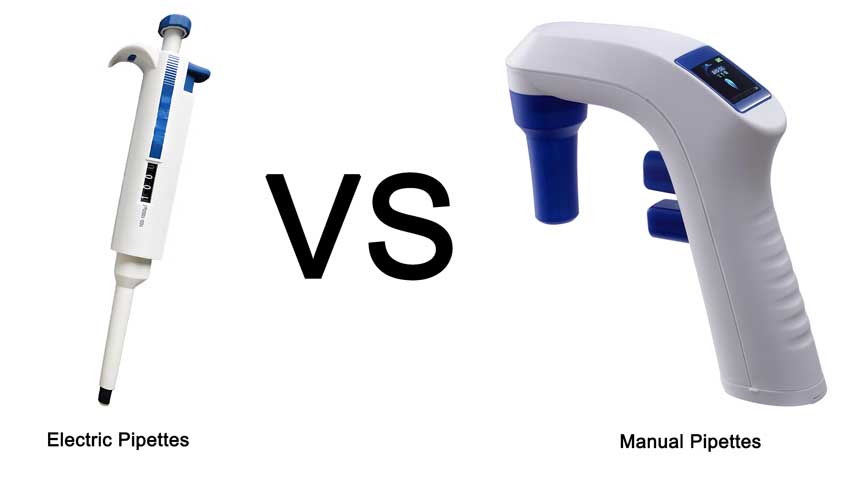
Manual pipettes remain fundamental in laboratory settings. These hand-operated devices allow researchers to transfer precise volumes of liquids with consistent accuracy. They are cost-effective and suitable for routine laboratory tasks.
Electronic Pipettes: Precision and Efficiency
Electronic pipettes represent advanced technology in liquid transfer. These sophisticated instruments minimize human error and reduce physical strain during repetitive pipetting tasks. They offer enhanced volume control and digital precision for complex scientific procedures.
| Pipette Type | Key Features | Best Applications |
|---|---|---|
| Manual Pipettes | Cost-effective, simple operation | Standard laboratory procedures |
| Electronic Pipettes | Digital precision, reduced fatigue | Complex research, high-volume work |
| Specialized Pipettes | Customized for specific liquids | Unique scientific research |
Specialized Pipettes: Tailored Solutions
Specialized pipettes address unique laboratory requirements. Micropipettes, volumetric pipettes, and serological pipettes provide targeted solutions for specific scientific disciplines, ensuring accurate types of pipettes for diverse research needs.
The Role of Pipettes in Liquid Handling
Precision is the cornerstone of scientific research, and micropipette accuracy plays a critical role in ensuring reliable experimental results. Laboratory professionals rely on pipettes as essential tools for accurate liquid handling across various scientific disciplines.
Understanding how to use a pipette correctly involves mastering several key techniques that directly impact experimental outcomes. Researchers must pay close attention to multiple factors that influence liquid measurement and transfer.
Precision in Volume Measurement
Accurate volume measurement requires careful attention to several critical elements:
- Selecting the appropriate pipette for specific volume ranges
- Maintaining consistent pipetting technique
- Choosing high-quality pipette tips
- Calibrating equipment regularly
Key Factors Affecting Pipette Performance
The accuracy of liquid handling depends on multiple variables:
- Operator skill and technique
- Environmental conditions
- Equipment maintenance
- Pipette calibration frequency
Professional laboratories implement rigorous protocols to ensure micropipette accuracy. Researchers must develop consistent techniques, including proper tip selection, correct angle of pipetting, and smooth plunger movement to minimize potential errors in volume measurement.
By mastering how to use a pipette with exceptional precision, scientists can significantly enhance the reliability and reproducibility of their experimental results across various research fields.
Application Scenarios for Pipettes
Pipettes are critical instruments that enable precise liquid handling across multiple scientific disciplines. Their laboratory pipette function spans diverse research environments, supporting critical scientific work with exceptional accuracy and reliability.
Professionals rely on pipettes for numerous critical tasks that demand microscopic liquid manipulation. The versatility of these instruments makes them indispensable in various scientific settings.
Research and Development
In research and development, pipette usage in science plays a pivotal role in:
- Molecular biology experiments
- Gene sequencing procedures
- Protein analysis techniques
- Drug discovery processes
Medical Laboratories
Medical professionals utilize pipettes for precise liquid handling in:
- Diagnostic blood testing
- Pathology sample preparation
- Genetic screening
- Quality control protocols
Educational Institutions
Academic settings leverage pipettes to teach fundamental scientific skills, introducing students to:
- Practical laboratory techniques
- Measurement precision
- Scientific methodology
- Research fundamentals
Each application scenario demonstrates the critical role of pipettes in advancing scientific knowledge and maintaining experimental integrity.
Comparing Different Types of Pipettes
Selecting the right pipette is crucial for accurate pipette liquid transfer in laboratory settings. Different types of pipettes offer unique advantages that can significantly impact research precision and efficiency.
Scientists and researchers must carefully evaluate the characteristics of various types of pipettes to optimize their laboratory workflows. The two primary categories—manual and electronic pipettes—each present distinct benefits and limitations.
Pros and Cons of Manual Pipettes
- Cost-effective solution for routine liquid transfer
- Simple mechanical design with minimal technical complexity
- Lightweight and portable
- Potential drawbacks include:
- User-dependent accuracy
- Risk of repetitive strain injuries
- Limited precision for complex protocols
Pros and Cons of Electronic Pipettes
- Enhanced precision in pipette liquid transfer
- Programmable settings for complex experiments
- Reduced user fatigue during extended research
- Potential limitations include:
- Higher initial investment
- Potential electronic malfunctions
- More complex maintenance requirements
When choosing between types of pipettes, researchers should consider factors such as budget, experimental complexity, volume range, and frequency of use. Each laboratory’s unique requirements will ultimately determine the most suitable pipette selection.
Choosing the Right Pipette for Your Needs
Selecting the perfect pipette is crucial for ensuring precise scientific research and accurate liquid handling. The right micropipette can significantly impact your laboratory’s efficiency and experimental outcomes.

Electronic pipettes
When learning how to use a pipette effectively, several critical factors must be considered. Your choice depends on specific research requirements and laboratory conditions.
Essential Factors in Pipette Selection
- Research application specifics
- Liquid volume requirements
- Chemical compatibility
- Ergonomic design
- Budget constraints
Volume Range and Measurement Accuracy
Micropipette accuracy stands as a paramount consideration when selecting laboratory equipment. Different research scenarios demand varying precision levels.
| Pipette Type | Volume Range | Accuracy | Recommended Use |
|---|---|---|---|
| Single-Channel | 0.1-10 µL | ±1-2% | Precise microvolume work |
| Multi-Channel | 10-200 µL | ±0.5-1% | High-throughput screening |
| Electronic | 0.5-5000 µL | ±0.3-0.5% | Complex liquid handling |
Carefully evaluating these parameters ensures you select a pipette that meets your specific scientific requirements, guaranteeing reliable and reproducible results.
Maintenance and Care of Pipettes
Proper maintenance is crucial for ensuring the long-term performance and accuracy of laboratory pipettes. Implementing a comprehensive care strategy helps prevent errors and extends the life of your precision instruments.
Pipette calibration is a critical process that guarantees the reliability of liquid handling in scientific research. Regular maintenance involves several key steps to keep your pipettes functioning at their best.
Essential Cleaning Procedures
How to use a pipette effectively starts with proper cleaning techniques. Laboratory professionals should follow these critical maintenance steps:
- Clean exterior surfaces with 70% alcohol solution
- Use specialized pipette cleaning wipes for thorough decontamination
- Remove and inspect pipette tips for any damage
- Store pipettes in upright position to prevent contamination
Calibration Best Practices
Precise pipette calibration requires meticulous attention to detail. Scientific laboratories recommend the following calibration guidelines:
| Calibration Frequency | Recommended Action |
|---|---|
| Every 3-6 months | Full precision and accuracy check |
| After significant impact | Immediate recalibration |
| Before critical experiments | Detailed performance verification |
Troubleshooting Common Issues
Identifying and resolving pipette problems quickly prevents experimental errors. Watch for these warning signs:
- Inconsistent volume delivery
- Difficulty in plunger movement
- Visible wear on pipette components
- Liquid retention or leakage
By following these maintenance guidelines, researchers can maximize the performance and reliability of their pipettes, ensuring accurate and reproducible scientific results.
Innovations in Pipette Technology
The landscape of laboratory pipette function has undergone remarkable transformations, pushing the boundaries of scientific precision and efficiency. Modern pipette usage in science continues to evolve, driven by technological breakthroughs that address complex research challenges.
Technological Milestones in Liquid Handling
Pipette technology has experienced significant advancements that revolutionize scientific research. The journey from manual glass tubes to sophisticated electronic devices represents a quantum leap in laboratory capabilities.
- Electronic volume control systems
- Advanced data logging capabilities
- Integration with laboratory management systems
- Enhanced ergonomic designs
Future Trends in Scientific Liquid Handling
Emerging technologies are reshaping laboratory pipette function with groundbreaking innovations. Scientists can now anticipate cutting-edge developments that promise unprecedented accuracy and efficiency.
Key emerging trends include:
- Automation of liquid handling processes
- Miniaturization of pipetting equipment
- Artificial intelligence integration
- Enhanced precision measurement technologies
These innovations are poised to dramatically impact various scientific domains, from high-throughput screening to personalized medicine research. The continuous evolution of pipette technology demonstrates the relentless pursuit of scientific excellence.
Best Practices for Using Pipettes
Mastering how to use a pipette is crucial for accurate scientific research. Laboratory professionals rely on precise liquid handling techniques to ensure reproducible results. Understanding the fundamental skills of measuring liquid with pipette can significantly improve experimental outcomes.
Proper pipette usage requires careful attention to multiple technical details. Researchers must develop consistent techniques that minimize variability and maximize precision during liquid transfer.
Proper Technique for Aspiration
When aspiring liquids, follow these critical steps:
- Hold the pipette vertically at a 90-degree angle
- Immerse the tip slightly below the liquid surface
- Release the plunger smoothly to prevent air bubbles
- Maintain a consistent tip immersion depth
Dispensing Techniques
Effective dispensing requires strategic approaches:
- Use gentle, controlled plunger pressure
- Employ touch-off methods for complete liquid transfer
- Consider reverse pipetting for viscous solutions
- Clean tips between different liquid transfers
Ergonomic considerations are equally important to prevent user fatigue and potential repetitive strain injuries during extended pipetting sessions.
Training and Safety Protocols
Mastering how to use a pipette requires comprehensive training and strict safety protocols. Laboratories depend on precise liquid handling techniques to ensure accurate research outcomes and maintain a safe working environment.
Effective pipette training involves multiple critical components that protect both researchers and experimental integrity. Understanding the laboratory pipette function goes beyond simple technique – it encompasses a holistic approach to scientific methodology.
Essential Training Components
- Proper pipette handling techniques
- Calibration and maintenance procedures
- Ergonomic best practices
- Contamination prevention strategies
Safety Considerations
Safety in laboratory settings requires meticulous attention to detail. Researchers must understand potential risks associated with liquid handling and implement protective measures.
- Wear appropriate personal protective equipment
- Follow standard operating procedures
- Regularly inspect pipette equipment
- Practice proper disposal techniques
Ongoing Skill Development
Continuous learning is crucial for maintaining high-quality laboratory practices. Regular training sessions and skill assessments help researchers stay current with emerging technologies and best practices in pipette usage.
By investing in robust training programs, laboratories can minimize experimental errors, protect researcher health, and maintain the highest standards of scientific research.
Common Mistakes When Using Pipettes
Precision is critical in laboratory work, and pipettes play a crucial role in achieving accurate results. Understanding common mistakes during pipette calibration and usage can significantly improve experimental outcomes.
When learning how to use a pipette, researchers often encounter several challenges that can compromise experimental integrity. These errors range from subtle technique issues to more significant calibration problems.
Miscalibrations: Silent Performance Killers
Pipette miscalibrations can dramatically impact scientific research. Key issues include:
- Inaccurate volume settings
- Mechanical wear and tear
- Temperature-induced volume variations
- Inconsistent plunger pressure
Improper Technique: Avoiding Common Pitfalls
Mastering proper pipette technique requires attention to several critical details:
- Tip Immersion Depth: Incorrect immersion can lead to volume inaccuracies
- Pre-wetting tips for improved liquid transfer
- Maintaining consistent angle and speed during aspiration
- Selecting appropriate pipette for specific liquid viscosities
Regular pipette calibration and technique training can minimize these errors, ensuring reliable and reproducible scientific results.
Conclusion: The Essential Role of Pipettes in Science
Pipette usage in science represents a critical technological advancement that continues to drive research and precision across multiple disciplines. These sophisticated instruments have transformed laboratory pipette function from simple liquid transfer tools to sophisticated measurement devices that enable breakthrough scientific discoveries.
Modern scientific research demands exceptional accuracy, and pipettes stand at the forefront of meeting these rigorous standards. Laboratories worldwide rely on these precision instruments to conduct experiments with unparalleled reliability. From medical research to environmental studies, pipettes provide researchers with the ability to handle microscopic liquid volumes with extraordinary consistency.
Key Scientific Contributions
The ongoing evolution of pipette technology reflects the dynamic nature of scientific research. Cutting-edge developments in automation, digital integration, and enhanced ergonomic design are expanding the capabilities of these essential laboratory tools. Scientists can now perform more complex procedures with increased efficiency and reduced human error.
Future Perspectives
As research environments become increasingly sophisticated, pipettes will continue to play a pivotal role in advancing scientific knowledge. The future of laboratory pipette function lies in smart technologies that offer greater precision, reduced physical strain, and seamless data management. Researchers can anticipate continued innovations that will further streamline experimental processes and enhance overall scientific productivity.
References and further readings:
1.Mishra, P. K., & Wiedenheft, B. (2017). Critical Considerations for Accurate Pipetting in the Molecular Biology Laboratory. Journal of Visualized Experiments, 119, e55214.https://app.jove.com/t/55214/murine-echocardiography-of-left-atrium-aorta-and-pulmonary-artery
2.Niemelä, R. (2002). Ergonomics and Best Practices for Manual Pipetting. American Laboratory, 34(18), 20–24.
https://www.mt.com/us/en/home/library/white-papers/lab-analytical-instruments.html3.Burd, E. M. (2010). Techniques for Accurate Pipetting and Measurement in Clinical Microbiology. Clinical Microbiology Newsletter, 32(24), 191–196.
https://www.sciencedirect.com/science/article/abs/pii/S019643991000053X?via%3Dihub
FAQ
What is a pipette and what does it do?
A pipette is a precision laboratory instrument used for accurately measuring, transferring, and dispensing small volumes of liquids. It plays a crucial role in scientific research by enabling precise liquid handling across various disciplines, including molecular biology, chemistry, and medical research.
What are the main types of pipettes?
There are three primary types of pipettes: manual pipettes (traditional hand-operated devices), electronic pipettes (with digital volume control), and specialized pipettes designed for specific laboratory tasks or unique liquid handling requirements.
How do I choose the right pipette for my laboratory work?
Selecting the right pipette depends on several factors, including the nature of your experiments, types of liquids being handled, required precision, volume range, chemical compatibility, and your specific laboratory needs. Consider factors like budget, frequency of use, and the level of accuracy required for your scientific procedures.
How often should I calibrate my pipette?
Professional laboratories typically recommend calibrating pipettes annually or every 6-12 months, depending on frequency of use and manufacturer guidelines. Regular calibration ensures continued accuracy and reliability in liquid handling, which is critical for maintaining experimental reproducibility.
What are common mistakes to avoid when using a pipette?
Common pipetting mistakes include inconsistent plunger pressure, incorrect tip immersion depth, failing to pre-wet tips for viscous liquids, using the wrong pipette type, and neglecting regular maintenance and calibration. Proper training and adherence to best practices can help minimize these errors.
How do I maintain my pipette?
Proper pipette maintenance involves regular cleaning, careful handling, annual calibration, storing at appropriate temperatures, avoiding exposure to harsh chemicals, and following manufacturer-recommended maintenance procedures. Always use manufacturer-approved cleaning solutions and handle the instrument with care.
What are the key differences between manual and electronic pipettes?
Manual pipettes are cost-effective and simple to use but rely more on user technique. Electronic pipettes offer enhanced precision, programmability, and reduced user fatigue but are typically more expensive. The choice depends on your specific laboratory requirements, budget, and frequency of use.
Can pipettes be used across different scientific disciplines?
Yes, pipettes are versatile tools used across numerous scientific fields, including molecular biology, medical research, pharmaceutical development, forensic science, environmental testing, and educational laboratories. Different pipette types can be adapted to various specialized applications.
What safety considerations are important when using pipettes?
Key safety considerations include preventing contamination, using appropriate personal protective equipment, handling hazardous materials carefully, maintaining proper ergonomics to prevent repetitive strain injuries, and following standard operating procedures (SOPs) for your specific laboratory environment.
What are the latest innovations in pipette technology?
Recent innovations include electronic volume control, data logging capabilities, integration with laboratory information management systems, improved ergonomic designs, increased automation, and emerging technologies like AI-assisted liquid handling and miniaturized precision instruments.
Leo Bios
Hello, I’m Leo Bios. As an assistant lecturer, I teach cellular and
molecular biology to undergraduates at a regional US Midwest university. I started as a research tech in
a biotech startup over a decade ago, working on molecular diagnostic tools. This practical experience
fuels my teaching and writing, keeping me engaged in biology’s evolution.





Leave a Comment
Your email address will not be published. Required fields are marked *