


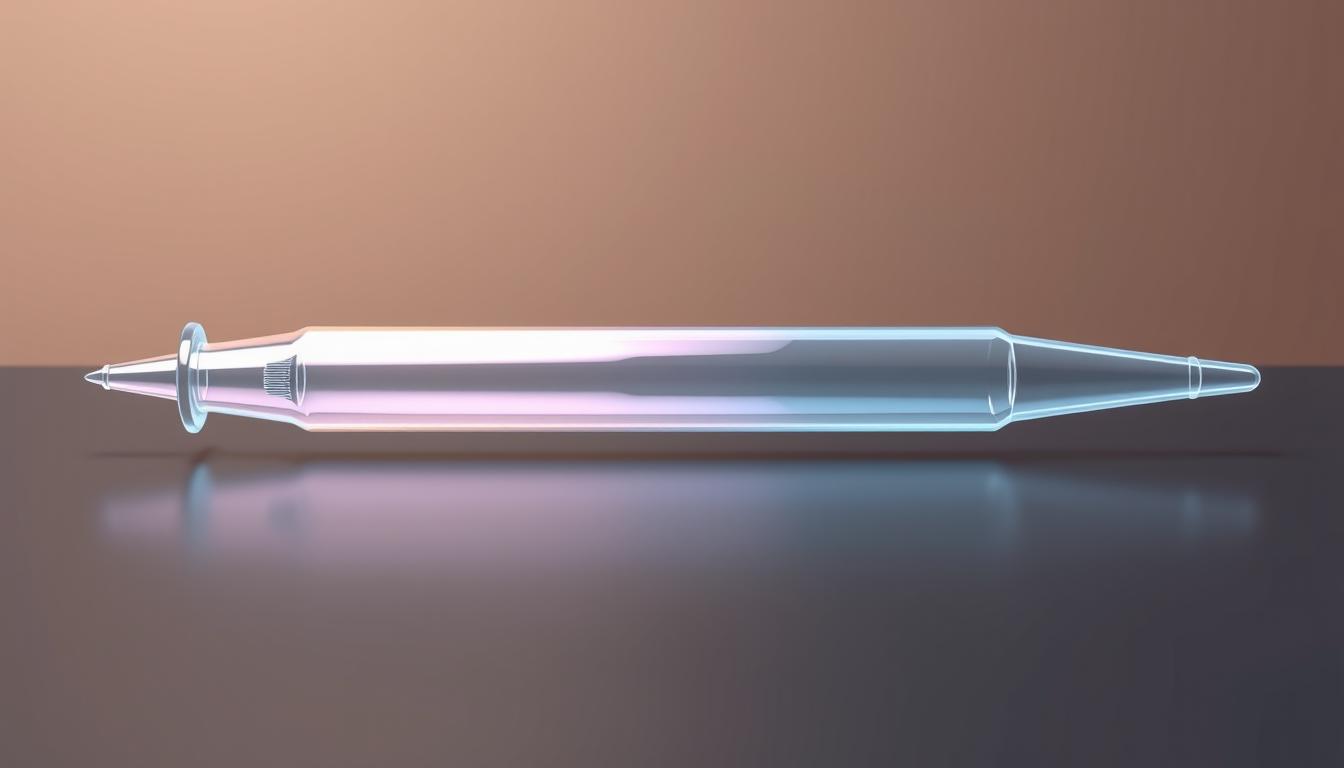
Imagine a tool that changes the game in science with just a tiny bit of liquid. The 1 ml serological pipette is that tool. It’s key to making science more precise, letting researchers move tiny amounts of liquid with great care.
Laboratory pipettes are more than just tools for measuring. They are crucial for groundbreaking research in many fields, like molecular biology and microbiology. The 1 ml serological pipette is special because it meets the high standards of research.
Scientists rely on these pipettes for reliable liquid transfers in complex experiments. They have markings from 0.01 to 0.1 mL. This gives scientists the control they need to do detailed work with confidence.
Key Takeaways
- 1 ml serological pipettes enable precise liquid measurements in scientific research
- Designed for multiple applications including cell culture and molecular biology
- Manufactured from high-quality USP Class VI polystyrene
- Essential for maintaining experimental accuracy and reproducibility
- Individually wrapped to minimize contamination risks
Overview of 1 ml Serological Pipettes
Serological pipettes are key tools in labs, used for precise liquid handling. They are crucial in cell culture, molecular biology, and microbiology. These tools help scientists get accurate results.
Knowing what these tools do is important. It helps scientists pick the right ones for their work.
Definition and Purpose
A 1 ml serological pipette is made for moving small amounts of liquid with great care. They are usually made of clear polystyrene. These pipettes have important features:
- They measure volumes from 0.1 ml to 10 ml with precision.
- They have both negative and positive graduation marks.
- They are sterile and don’t cause fever.
- They work with many pipette controllers.
Types of Serological Pipettes
There are many types of serological pipettes for different lab needs:
- Individual sterile pipettes
- Packaged sets of 25 sterile pipettes
- Volumes from 1 ml to 50 ml
- They come in different colors for easy recognition
Applications in Laboratory Settings
“Precision is the essence of scientific discovery.” – Laboratory Research Principle
Scientists use 1 ml serological pipettes in many fields. They are used for:
- Mixing cell suspensions
- Transferring cell colonies
- Creating density gradients
- Doing molecular biology experiments
- Handling samples in microbiology
These pipettes are accurate to within ± 5%. They help get reliable and consistent results.
Importance of Precision in Measurements
Precision is key in scientific research, especially with precision pipettes in labs. The accuracy of liquid handling is crucial. Even small errors can ruin entire projects.
Calibrated pipettes are vital for reliable experiments. A 5% pipetting error can lead to a 2 ng difference in DNA during qPCR. This highlights the need for careful measurement.
Critical Factors in Measurement Precision
Researchers must follow strict standards with serological pipettes. Important points include:
- Acceptable accuracy within ±1% of the measured amount
- Regular calibration checks every three months for frequently used pipettes
- Annual verification for less frequently used equipment
“Precision in liquid handling is the silent guardian of scientific integrity.” – Laboratory Research Protocols
Factors Affecting Pipette Accuracy
| Factor | Impact on Measurement |
|---|---|
| Temperature | Affects liquid density and volume |
| Pipetting Technique | Directly influences measurement reliability |
| Equipment Calibration | Ensures consistent and accurate measurements |
The right precision pipettes are essential for good results. Choosing the right pipette for specific volumes is vital for accuracy. Labs should invest in quality pipettes and follow strict maintenance to ensure the best performance.
Manufacturing Materials and Design
Serological pipettes are key in lab work, thanks to their materials and design. These elements are crucial for precise liquid handling in experiments.
The best disposable pipettes come from careful material and design choices. Labs need these to keep experiments safe and clean.
Common Materials Used in Pipette Construction
- USP Class VI polystyrene for superior chemical resistance
- Transparent material allowing clear volume visualization
- Medical-grade polymers ensuring zero pyrogen contamination
- Sterile glass pipettes for specialized research applications
Features of a Quality Serological Pipette
Top-notch glass and disposable pipettes have certain features:
- Precise graduated markings in milliliters
- Consistent wall thickness for accurate volume measurements
- Ergonomic design supporting comfortable handling
- Sterilization through advanced irradiation techniques
“Precision in material selection determines the reliability of scientific measurements.” – Laboratory Research Standards
The making of serological pipettes involves strict quality checks. This ensures each one meets high scientific standards. Features like positive and negative graduations help researchers collect better samples.
Researchers can trust in both disposable and glass pipettes. Modern making focuses on accuracy, safety, and doing well.
Utilizing 1 ml Serological Pipettes Effectively
Laboratory experts need precise liquid handling for accurate results. The 1 ml serological pipette is key for consistent measurements in many fields.
Using micropipettes well requires focus and skill. Scientists must learn the right way to move liquids to keep experiments reliable.
Proper Handling Techniques
Here are important steps for using a 1 ml serological pipette:
- Check the pipette for damage before starting
- Hold it straight up for accurate volume
- Keep the angle and speed steady when moving liquids
- Move gently to avoid air bubbles
Best Practices for Liquid Transfer
Follow these key tips for working with serological pipettes:
- Make sure the liquid is above the mark you need
- Let all liquid drain from the tip
- Use a pipette controller for better precision
- Clean and sterilize pipettes between samples
Pro tip: Always calibrate micropipettes annually to maintain accuracy within ± 5% of specified performance.
Precision in liquid transfer is not just a technique—it’s a scientific imperative.
Comparison with Other Pipetting Tools
Laboratory professionals use many tools for precise liquid measurements. Serological pipettes are unique in biological research. They offer advantages over other methods.
Knowing the differences between serological pipettes and other tools helps researchers choose the right one. This is crucial for their experiments.
Distinctive Features of Serological Pipettes
Serological pipettes have special features that make them stand out:
- They have a single-piece design, without solder joints
- They offer better liquid transfer accuracy
- They have faster release and filling rates
- They work with many pipette controllers
When to Choose Serological Pipettes
Researchers should pick serological pipettes for certain tasks in:
- Cell culture research
- Molecular biology experiments
- Microbiology investigations
- Precise volume transfers between 1-10 ml
“Precision is the essence of scientific measurement.” – Laboratory Research Principle
Serological pipettes are great for biological labs, especially for volumes between 1-10 ml. Their design ensures accuracy and consistent results in various experiments.
Compatibility and Versatility
Serological pipettes work well with standard pipette controllers. They are compatible with MACROMAN® and other systems. This makes them adaptable for liquid handling in research.
Sterilization and Reusability Factors
Laboratory professionals have to make important choices between disposable and reusable pipettes. These choices affect the quality of research, cost, and how efficiently experiments are done.
Researchers need to think about how to sterilize and reuse serological pipettes. This is key to getting the best results in scientific studies.
Cleaning Procedures for Serological Pipettes
There are important steps to clean reusable serological pipettes:
- Rinse them right away with the right solvent
- Use special cleaning solutions for deep cleaning
- Autoclave them for safe sterilization
- Check for damage or wear before using them again
Disposable vs. Reusable Pipettes
Each lab setting has its own needs for pipettes. Disposable pipettes have special benefits in some research areas.
| Characteristic | Disposable Pipettes | Reusable Pipettes |
|---|---|---|
| Contamination Risk | Minimal | Higher if not properly sterilized |
| Initial Cost | Lower | Higher |
| Environmental Impact | More plastic waste | More sustainable |
| Accuracy | Consistent for single use | High with proper maintenance |
For critical research, precision pipettes must be very clean. Disposable pipettes, sterilized with gamma rays, are safe and reliable.
Choosing the right pipette is not just about measuring. It’s about keeping scientific research trustworthy.
When picking between disposable and reusable pipettes, labs must think about their needs. Things like the volume needed, how often they’ll be used, and the risk of contamination are important.
Common Errors and Troubleshooting
Getting precise with liquid handling is key for good research. Scientists often face problems with volumetric pipettes that can mess up their work. Knowing how to fix these issues is very important in labs.
Lab workers need to spot common mistakes that can mess up pipetting. These mistakes can affect how liquids are moved around.
Potential Mistakes in Pipette Usage
- Incorrect pipette angle during liquid transfer
- Inconsistent pipetting technique
- Improper volume calibration
- Contamination risks
- Inadequate maintenance of equipment
Solutions to Common Liquid Handling Issues
Fixing these problems needs a careful plan for managing volumetric pipettes. The polyester fiber plug is key in stopping too much liquid and keeping things clean.
| Error Type | Potential Consequence | Recommended Solution |
|---|---|---|
| Incorrect Pipetting Angle | Volume inaccuracy | Maintain 45-degree vertical alignment |
| Contamination | Experimental data corruption | Use sterile techniques and disposable tips |
| Calibration Drift | Measurement errors | Annual professional calibration |
Good quality control is essential for reliable liquid handling. Regular training and following best practices help avoid mistakes in science.
Innovative Technologies in Serological Pipette Design
Laboratory research keeps getting better, leading to big steps forward in precision pipettes and micropipettes. Today’s scientific tools aim for better automation and smart design. This meets the needs of today’s complex research settings.
The world of lab equipment is changing fast with new tech that boosts accuracy and speed. Precision pipettes now come with advanced features that make science work easier.
Advances in Automation
Automation in micropipettes has changed how we handle liquids in labs. Some key improvements include:
- Integrated digital calibration systems
- Programmable volume settings
- Electronic volume adjustment mechanisms
- Smart error detection technologies
Future Trends in Lab Equipment
New trends in serological pipettes show a big leap in technology. Scientists now have access to tools with:
- Enhanced ergonomic designs
- Wireless connectivity capabilities
- Advanced material compositions
- Improved contamination prevention features
Cutting-edge precision pipettes are designed to deliver exceptional performance across various scientific disciplines. The use of advanced sensors and smart software is changing lab work. It makes complex research easier.
Scientific innovation continues to push the boundaries of what’s possible in laboratory equipment design.
Regulatory Standards and Compliance
The world of biological research needs strict rules for laboratory pipettes. These rules make sure experiments are reliable and safe. They protect both the scientists and the results of their work.
Calibrated pipettes are key for keeping research precise and controlled. Labs must follow many rules to ensure their work is accurate and safe.
Overview of Industry Regulations
There are many important rules for laboratory pipettes:
- Manufacturing quality control processes
- Sterilization protocols
- Material safety certifications
- Performance validation requirements
Importance of Compliance in Lab Settings
Following these rules is crucial for scientific research. It keeps the results valid and keeps scientists safe. Using sterile, individually wrapped pipettes helps prevent contamination.
| Regulatory Body | Key Focus Areas | Compliance Requirements |
|---|---|---|
| FDA | Medical Device Regulations | Quality Management Systems |
| ISO | International Standards | Performance Specifications |
| CLIA | Laboratory Testing Standards | Precision Measurement Protocols |
Research places must always keep up with new rules. Proactive compliance strategies help avoid risks from lab equipment.
Environmental Considerations
Laboratories around the world are now focusing more on being green. This includes using tools like disposable and glass pipettes in a more eco-friendly way. The impact of scientific tools on the environment is a big deal for research places and hospitals.
Modern lab tools are made with sustainable materials. Serological pipettes are mostly made from USP Class VI polystyrene. This material is good for the environment because it:
- Reduces chemical contamination
- Is easier to recycle than old materials
- Has a lower impact on the environment
Sustainable Material Selection
Choosing the right disposable pipettes can help the planet. Glass pipettes are a great choice because they:
- Can be reused and handle tough chemicals
- Can handle high temperatures
- Make less waste than plastic ones
Proper Disposal Practices
Good waste management is key to being green. Labs need to follow strict rules for throwing away used pipettes:
- Sort out dirty and clean pipettes
- Use the right waste bins
- Follow rules for biohazard disposal
- Look into recycling for clean materials
By following these green practices, labs can lessen their harm to the planet. They can still keep their science work at a high level.
Training and Education for Laboratory Personnel
Using serological pipettes well needs a lot of training and practice. Lab workers must learn to handle liquids carefully. This is to get accurate results and keep science honest.
- Understanding how pipettes work and their design
- Learning how to measure liquids correctly
- Keeping everything clean and sterile
- Checking the quality of work done
Essential Skills for Effective Usage
Lab workers need more than just knowing how to use the pipettes. Being accurate and consistent is crucial when using 1 ml serological pipettes in labs.
| Skill Category | Key Competencies |
|---|---|
| Technical Proficiency | Calibration techniques, volume adjustment |
| Procedural Knowledge | Sterilization, contamination prevention |
| Safety Awareness | Proper protective equipment, risk management |
Resources for Ongoing Learning
Lab workers can get better at using serological pipettes through many ways:
- Professional workshops and certification programs
- Online training modules
- Technical resources from the makers
- Scientific papers reviewed by peers
Keeping up with new tech and methods helps improve lab work. It makes research better and leads to better results.
Conclusion
The 1 ml serological pipette is a key tool in today’s science. It shows precision and reliability in handling liquids. Laboratory pipettes are vital for moving forward in biological research. They help scientists accurately move small amounts of liquid.
Technology keeps improving serological pipettes. Now, they are made with better materials and sterilized more effectively. This means they work better in sensitive labs. The ongoing updates show a dedication to better science methods.
The future of lab pipettes looks bright. There will be more focus on precision, ease of use, and being green. Scientists will get tools that are more accurate and make their work easier. These improvements will help make research more efficient and accurate in many fields.
Moving Forward in Scientific Research
The 1 ml serological pipette is still very important in science. It helps keep experiments precise and reliable. The story of lab pipettes shows the ongoing drive for better science.
FAQ
What is a 1 ml serological pipette?
A 1 ml serological pipette is a precise tool for labs. It’s made from high-quality polystyrene. It’s used in cell culture and molecular biology.
These pipettes have clear lines for measuring. They help you get accurate amounts with little mistake.
How do serological pipettes differ from other types of pipettes?
Serological pipettes are more precise than transfer pipettes. They have graduated markings for accurate handling. They can handle a wide range of volumes and work with different controllers.
Are serological pipettes disposable or reusable?
Serological pipettes come in disposable and reusable types. Disposable ones are pre-sterilized and used once. Reusable ones need cleaning and sterilizing but are good for many uses.
What materials are used in manufacturing serological pipettes?
Most are made from USP Class VI polystyrene. This ensures they are clean and safe for labs. It also makes them clear and resistant to chemicals.
How do I ensure accurate measurements with a serological pipette?
To get accurate measurements, read the lines at eye level. Avoid air bubbles and keep the angle steady. Use the right controllers and calibrate your pipettes often.
What are the key applications of 1 ml serological pipettes?
1 ml serological pipettes are key in cell culture and molecular biology. They’re used for transferring cells, making reagents, and diluting samples. They’re essential for precise work in labs.
How are serological pipettes sterilized?
Serological pipettes are sterilized by gamma radiation. This kills all bacteria while keeping the pipette intact. Many are also RNase/DNase-free to prevent contamination.
What common errors should I watch out for when using serological pipettes?
Watch out for wrong volume readings, contamination, and bad handling. Use fiber plugs, handle carefully, and work in a clean space. This helps avoid mistakes.
Are there environmental considerations for serological pipettes?
Many makers focus on being green by using recyclable materials. You can help by choosing recyclable pipettes and following proper disposal. This reduces waste.






Leave a Comment
Your email address will not be published. Required fields are marked *