


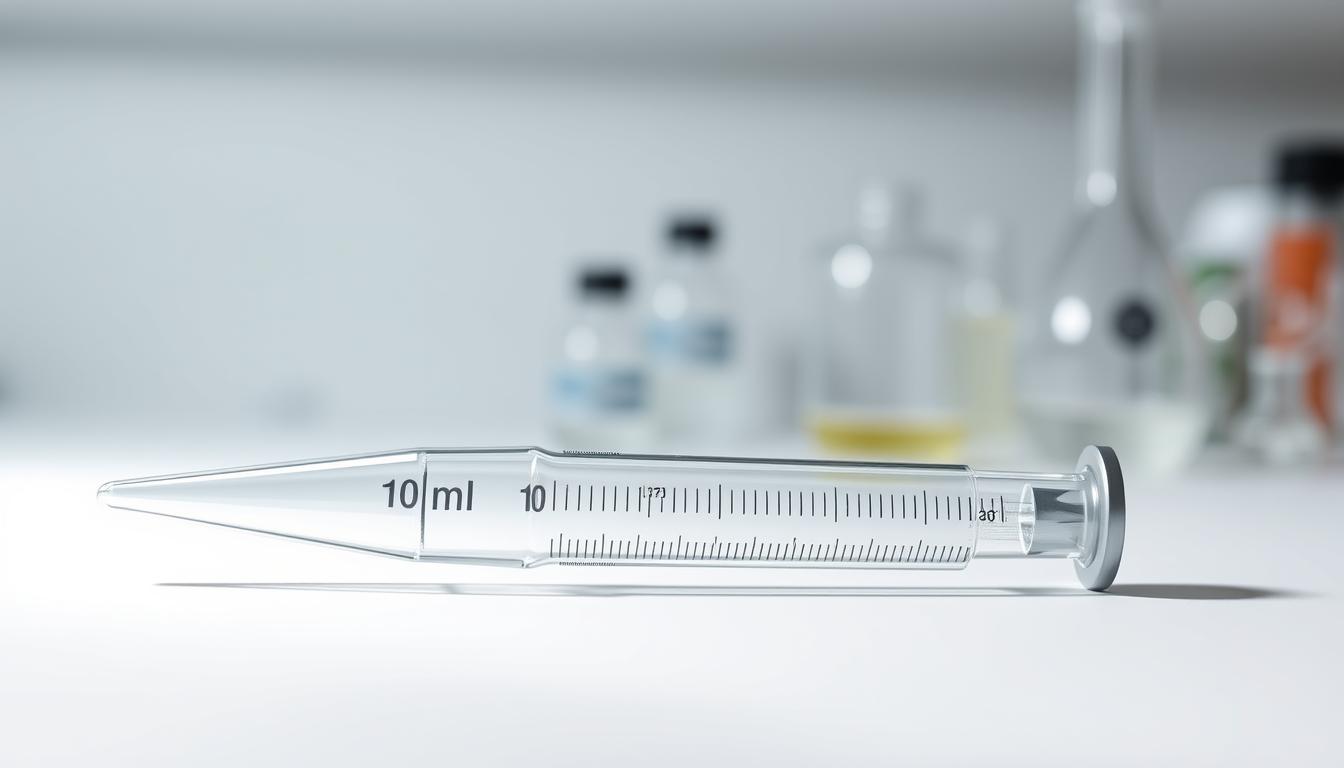
Ever wondered how scientists get so precise with tiny liquid samples in labs? The 10 ml serological pipette is key. It turns scientific precision into real action.
Serological pipettes are advanced tools for exact liquid moves in many fields. They can handle 10 ml of liquid with great care. This makes them vital in studying cells, molecules, and microbes.
Scientists use these tools to keep their work reliable and consistent. The 10 ml pipettes help measure liquids with great detail. They have marks from 0.1 mL to 1 mL, giving scientists full control in their work.
Key Takeaways
- 10 ml serological pipettes offer precise liquid transfer capabilities
- Graduation marks range from 0.1 mL to 1 mL for enhanced accuracy
- Versatile applications in molecular biology and cell culture research
- Critical for maintaining experimental reproducibility
- Designed for contamination-free liquid handling
Understanding the 10 ml Serological Pipette
Serological pipettes are key tools in labs. They help scientists handle liquids with great care. This is important in many scientific fields.
These pipettes are vital for handling liquids in complex research. They are a must-have in labs.
Definition and Core Characteristics
A serological pipette is a tool for precise liquid transfers. It has:
- Nominal volume of 10 mL
- Graduations from 0.1 mL to 1 mL
- USP Class VI polystyrene made
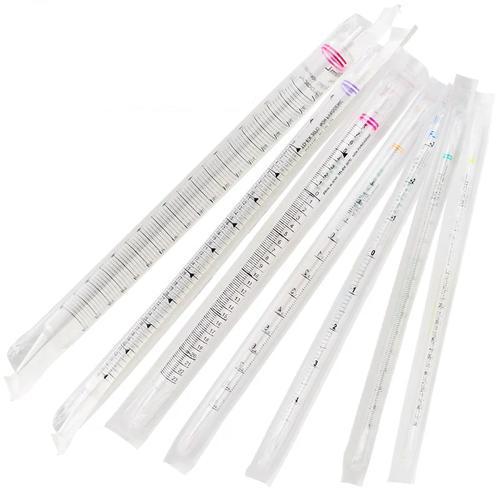
- Gamma-sterilized to prevent contamination
Components and Design Features
The design of serological pipettes is advanced. It includes:
| Component | Specification |
|---|---|
| Tip Opening Inner Diameter | 1.57 mm (0.13 inches) |
| Total Length | 15.94 inches (405 mm) |
| Sterilization Method | Gamma-sterilized |
Importance in Laboratory Settings
Serological pipette capacity is key for precise experiments. They are used in:
- Cell culture studies
- Molecular biology research
- Microbiology investigations
“Accurate liquid handling is the cornerstone of reliable scientific research.” – Scientific Research Methodology
Scientists pick serological pipettes for their reliability. They offer consistent results and low contamination risk. They also fit many research needs.
Volume Range Specifications
Laboratory professionals need precise tools for accurate research. Serological pipettes are key for maintaining accuracy and precision in various experiments.
Knowing the volume range is vital for lab work. These tools are made for consistent and reliable measurements in different research areas.
Standard Volume Range Parameters
The 10 ml serological pipette is known for its performance. It has specific volume features:
- Nominal Volume: 10 mL
- Volume Range: Precisely 10 mL
- Graduations: Detailed markings between 0.1 mL and 1 mL
- Tip Opening: 1.57 mm inner diameter
Graduation Marks and Measurement Precision
Graduation marks are key for precise pipetting. They help researchers make extremely accurate liquid transfers.
| Specification | Measurement Details |
|---|---|
| Accuracy | ±1% of total capacity |
| Precision | ±0.1 mL volume variance |
| Graduation Scale | Ascending and descending markings |
“Precision in measurement is the hallmark of scientific excellence.” – Laboratory Research Principles
Researchers must carefully read and interpret these graduation marks. This ensures the highest standards of experimental accuracy. The clear tube with black graduations makes it easy to check volume measurements.
Calibration and Accuracy
Precision is key in scientific tools, especially serological pipettes. The accuracy of pipettes is crucial for reliable research in many fields.
Calibration is a vital process that keeps scientific measurements true. Researchers need precise volume control for consistent results.
Importance of Calibration
Calibration keeps scientific tools working well. It offers many benefits:
- Maintaining measurement precision
- Reducing experimental variability
- Extending instrument lifespan
- Complying with laboratory standards
Calibration Techniques
Serological pipettes need careful calibration for best performance. Experts suggest several methods:
| Calibration Method | Accuracy Range | Frequency |
|---|---|---|
| Gravimetric Method | ±1% for 5-50 mL volumes | Every 6-12 months |
| Volume Verification | ±2% for 1-2 mL volumes | Quarterly |
| Visual Inspection | ±3% overall accuracy | Before each use |
Using strict calibration methods is essential for pipette accuracy. Regular upkeep ensures reliable and consistent results.
Types of Serological Pipettes
Choosing the right serological pipette is key for accurate lab work. Pipettes come in various types, each for specific research needs. Scientists must pick the right one for precise liquid handling in their experiments.
Modern labs use different pipette types for different research needs. The choice between disposable and reusable pipettes can greatly affect results.
Disposable vs. Reusable Pipettes
Researchers have to decide between disposable and reusable pipettes:
- Disposable Pipettes:
- Single-use design cuts down on cross-contamination
- Sterile packaging lowers biological risks
- No need for cleaning or maintenance
- Reusable Pipettes:
- Cost-effective for long-term use
- Needs thorough cleaning and sterilization
- Good for extended lab use
Material Composition and Performance
The material of lab consumables is key to pipette performance. Most serological pipettes are made from high-quality polystyrene. This offers several benefits:
- Chemical resistance
- Transparent for easy liquid viewing
- Lightweight yet durable
“The right pipette can make the difference between reliable and unreliable scientific results.” – Laboratory Research Quarterly
Researchers should think about their specific needs when picking pipettes. This ensures the best performance in molecular biology, cell culture, and microbiology research.
Best Practices for Using a Serological Pipette
Liquid handling in labs needs precision and careful technique. Serological pipettes are key tools that require specific preparation and handling. This ensures accurate results in scientific research.
Researchers must follow systematic approaches when working with these sensitive tools. Understanding the proper techniques can significantly improve experimental outcomes and maintain data integrity.
Preparation Before Use
Effective preparation is crucial for successful liquid handling. Key steps include:
- Inspect the pipette for any visible damage
- Verify the pipette’s calibration status
- Ensure the working environment is clean
- Check that all equipment is sterile
Proper Pipetting Techniques
Mastering serological pipette techniques involves several critical considerations:
- Hold the pipette vertically at a consistent angle
- Aspirate liquids smoothly without creating air bubbles
- Dispense liquid slowly and consistently
- Use gentle, controlled movements
The accuracy of liquid handling depends on maintaining precise technique. Calibration accuracy is certified at ±2% at full volume, making careful handling essential.
| Technique | Key Considerations |
|---|---|
| Angle | Maintain 90-degree vertical position |
| Speed | Consistent, controlled movements |
| Contamination Prevention | Use sterile techniques, avoid contact with non-sterile surfaces |
By following these best practices, researchers can maximize the performance of their serological pipettes. This ensures experimental reliability.
Common Applications
Serological pipettes are key tools in many labs. They help with precise liquid handling. This is crucial for accurate and reliable research.

Biological Research Applications
In biological research, serological pipettes are vital. They are used for:
- Cell culture maintenance and expansion
- Molecular biology experiments
- Precise sample preparation
- Gene expression studies
Clinical Laboratory Uses
Clinical labs use these pipettes for important tests:
- Blood sample handling
- Diagnostic testing preparation
- Serum and plasma separation
- Medical research analysis
Educational Institution Applications
Serological pipettes help teach science in schools:
- Introducing proper liquid handling methods
- Demonstrating precision measurement techniques
- Conducting student research experiments
- Training future scientific professionals
| Application Area | Key Uses | Typical Volume Range |
|---|---|---|
| Biological Research | Cell culture, molecular analysis | 1-10 mL |
| Clinical Laboratories | Diagnostic testing, sample preparation | 5-25 mL |
| Educational Institutions | Scientific training, experimental procedures | 0.1-10 mL |
These tools help researchers and students achieve precision. They are essential in many scientific fields.
Maintenance and Care
Keeping scientific instruments in good shape is key for accurate lab results. 10 ml serological pipettes need special care to stay precise and last longer.
Cleaning Procedures
Cleaning lab items right is important. Here are some steps to follow:
- Rinse pipettes right after use with the right cleaning solutions
- Use distilled water for a deep rinse to avoid chemical buildup
- Stay away from harsh chemicals that could harm the pipette
- Dry pipettes well before putting them away
Storage Recommendations
Storing scientific tools correctly keeps them working well. Researchers should:
- Put pipettes upright to avoid damage
- Keep a steady temperature and humidity
- Use protective cases for each pipette
- Avoid direct sunlight and extreme temperatures
Using sterile, individually wrapped pipettes can greatly lower contamination risks in labs. By sticking to detailed care routines, labs can ensure their pipettes work reliably for a long time.
Troubleshooting Common Issues
Laboratory experts often face problems with pipette accuracy and precision. These issues can affect the reliability of research and experimental results. Knowing how to solve these problems is key.
Addressing Inaccurate Volume Measurement
Pipette accuracy relies on several factors. These can lead to errors in experiments. Some common issues include:
- Incorrect pipetting technique
- Worn or damaged pipette tips
- Environmental temperature variations
- Liquid viscosity differences
“Precision in pipetting is not just about technique, but understanding potential sources of error.” – Laboratory Research Handbook
Resolving Liquid Retention Problems
Liquid retention can greatly affect pipette precision. Researchers should look for:
- Contaminated pipette tips
- Improper tip attachment
- Surface tension variations
- Pipette calibration status
The polyester fiber plug in serological pipettes helps prevent over-pipetting and contamination. Regular maintenance and careful handling are crucial. They help avoid common problems and ensure reliable results in scientific research.
Innovations in Pipetting Technology
Scientific tools have seen big changes lately, especially in how we handle liquids. Scientists and lab workers are seeing huge improvements. These changes are making research more precise and efficient.

The world of liquid handling tools has changed a lot. New technologies are making research better. Modern pipettes now have features that solve old problems in labs.
Emerging Technological Advancements
There are many important new things in liquid handling:
- Designs that are easier on the body
- Better ways to calibrate
- New materials
- Things that can connect to computers
Impact on Research Methodologies
These new technologies are changing research a lot. They make it more precise and reliable. This helps with complex studies.
| Innovation Area | Research Benefit |
|---|---|
| Micro-volume Accuracy | Allows for deeper studies of cells and molecules |
| Digital Tracking | Makes it easier to keep track of experiments |
| Smart Calibration | Reduces mistakes in measurements |
New liquid handling tech is opening up new possibilities for science. It’s making labs around the world more exciting places for discovery.
Guidelines for Safety and Compliance
Scientific tools like serological pipettes need strict safety rules. This is to keep researchers safe and ensure research is honest. In labs, being precise and avoiding contamination is key. These tools require careful use and a deep understanding of rules.
Keeping lab equipment safe involves many important steps. Researchers must wear the right protective gear when working with sensitive stuff. Serological pipettes, which are sterilized and free of harmful enzymes, need special care to avoid contamination and get accurate results.
It’s vital to dispose of hazardous materials properly in labs. Experts should follow set rules for cleaning up and getting rid of waste. Learning how to use tools like serological pipettes correctly is essential. It keeps the lab safe and prevents dangers from biological or chemical samples.
Regulatory Standards Implementation
Research places must follow safety rules from around the world. These rules cover how to handle, sterilize, store, and throw away sensitive tools. Keeping detailed records and doing regular safety checks helps follow these rules. It also lowers the chance of risks in research areas.
FAQ
What is the typical volume range for a 10 ml serological pipette?
A standard 10 ml serological pipette can measure from 0.1 ml to 10 ml. It has precise graduation marks for accurate measurements. This makes it reliable in lab settings.
What are the key differences between disposable and reusable serological pipettes?
Disposable pipettes are made of polystyrene and are used once to avoid contamination. Reusable ones are glass and need cleaning and sterilization. Disposable ones are easier and safer, while reusable ones save money over time.
How often should serological pipettes be calibrated?
Calibration depends on how often the pipette is used and the manufacturer’s advice. Usually, they need calibrating once a year or when they’re not accurate anymore. Labs doing precise work might calibrate every six months or after many uses.
What are the most common applications for 10 ml serological pipettes?
These pipettes are used in many areas like biological research, cell culture, and molecular biology. They’re also used in clinical diagnostics, microbiology, and education. They help with precise liquid transfers and measurements in various lab procedures.
What are the best practices for maintaining serological pipettes?
Keep them clean after each use and store them in a dry place. Avoid extreme temperatures and handle them carefully. For reusable ones, follow specific sterilization steps. Always wear protective gear and handle them gently to avoid damage.
How can researchers prevent common pipetting errors?
To avoid errors, use the right pipette for the job and follow proper technique. Use the correct angle and speed when taking and dispensing liquids. Keep your work area clean and follow manufacturer guidelines for training. This will help reduce mistakes.
What safety considerations are important when using serological pipettes?
Always wear gloves and safety glasses. Handle hazardous materials carefully and use filters when needed. Dispose of contaminated pipettes safely. Follow lab safety rules and guidelines to stay protected.
How do material compositions affect serological pipette performance?
Different materials affect how well the pipette works and its chemical resistance. Polystyrene is clear and good for most uses. Glass is better for experiments with harsh chemicals because it’s more resistant.




Leave a Comment
Your email address will not be published. Required fields are marked *