



Have you ever thought about the hidden heroes in science labs? 15ml centrifuge tubes are key players in research. They help scientists sort and study complex biological samples with great care.
These tubes are more than just containers. They are made to handle tough conditions and keep samples safe. Made from top-notch polypropylene, they are crucial for many scientific studies.
These tubes are vital for moving science forward. They are strong, clean, and work well for all sorts of experiments. This includes studying cells and analyzing molecules.
Key Takeaways
- 15ml centrifuge tubes are critical tools in scientific research
- Designed for high-performance laboratory applications
- Engineered to maintain sample integrity under extreme conditions
- Support diverse scientific investigations
- Essential for precise biological and medical research
Importance of 15ml Centrifuge Tubes in Biological Research
15ml centrifuge tubes are key sample containers in modern life science. They are vital tools for researchers in many fields. These tubes help scientists conduct precise studies.
Biological research relies on these tubes for important tasks. Researchers use 15ml centrifuge tubes for:
- Cell culture preservation
- Genetic material storage
- Sample preparation techniques
- Biological specimen separation
The design of these containers supports detailed lab work. They have features like clear polypropylene and precise markings. This ensures reliable experiments and keeps samples safe.
These microcentrifuge tubes have great performance. They can handle:
- Temperature range from -80°C to 120°C
- Maximum centrifugal force of 12,000 xg
- Sterile and RNase-/DNase-free configuration
- Single-use design preventing cross-contamination
Scientists in molecular biology, microbiology, and biotechnology use these tubes. Their flexibility makes them crucial for detailed scientific work.
Types of 15ml Centrifuge Tubes Available
Laboratory researchers use conical tubes for precise sample management. Disposable labware, like 15ml centrifuge tubes, meets various bioprocessing needs.
These tools are key for scientific research. They offer great functionality and versatility. Each tube type has its own benefits for different experiments.
Standard 15ml Centrifuge Tubes
Standard centrifuge tubes are the go-to for most labs. They have:
- Uniform cylindrical design
- Consistent volume capacity
- Works with many centrifugation protocols
- Made from high-quality polypropylene
Graduated 15ml Centrifuge Tubes
Graduated tubes are great for those who need exact volume measurements. Marked with clear interval graduations, they offer:
- Precise volume markings at 0.5 ml intervals
- Improved sample tracking
- Less chance of measurement errors
- Clear visual confirmation of liquid volumes
| Tube Type | Graduation Precision | Primary Use |
|---|---|---|
| Standard Tubes | Basic volume indication | General laboratory work |
| Graduated Tubes | 0.5 ml intervals | Precise volume measurements |
Choosing the right centrifuge tube depends on your research needs. Both standard and graduated tubes are vital for accuracy and efficiency in labs.
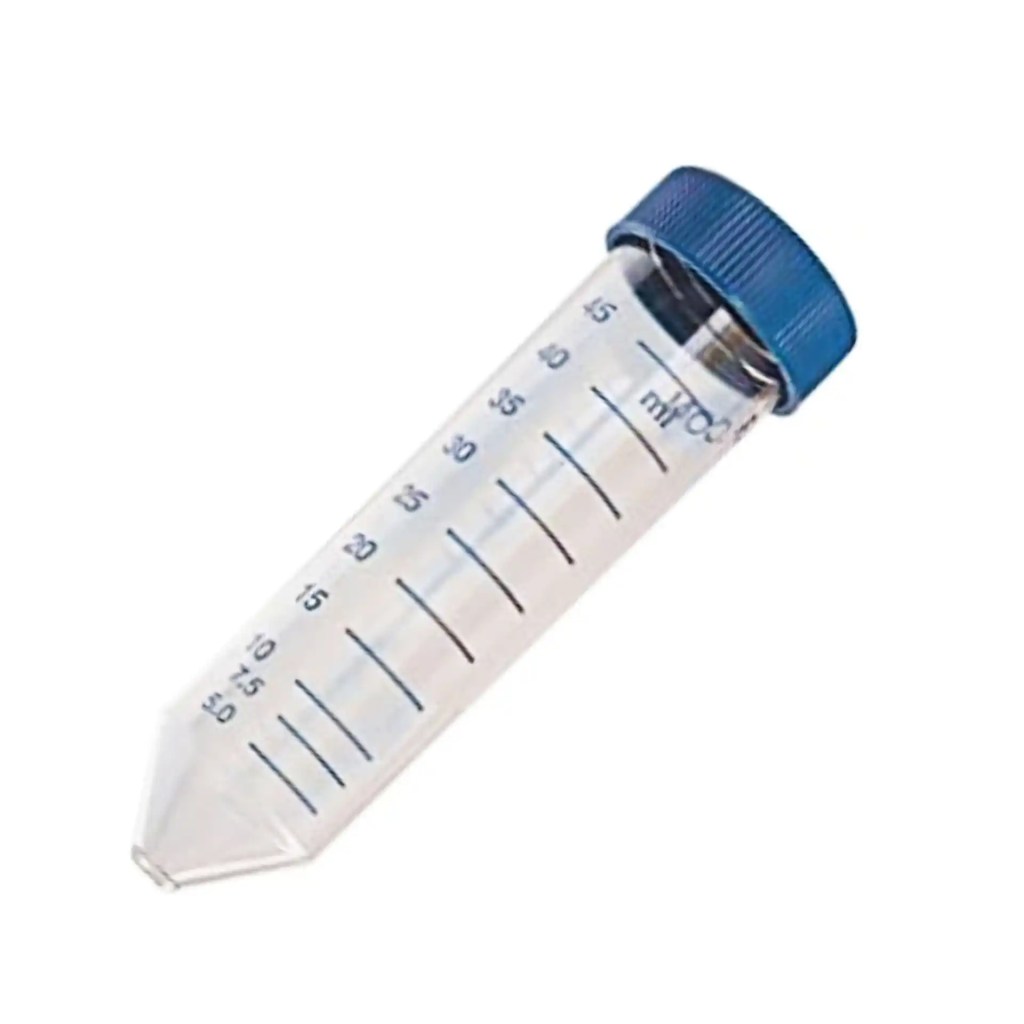
15ml Centrifuge Tubes price
Material Composition of 15ml Centrifuge Tubes
Laboratory plasticware is key in scientific research. Polypropylene tubes are at the top of biomedical consumables. The material of centrifuge tubes affects their performance and reliability in labs.
Researchers need materials that can handle extreme conditions and keep samples safe. Medical-grade polypropylene is the best choice for 15ml centrifuge tubes. It has great qualities that meet strict scientific standards.
Polypropylene vs. Polystyrene: A Comparative Analysis
- Polypropylene advantages:
- Works from -80°C to +121°C
- Can handle up to 18,000*g RCF
- Resists chemicals well
- Polystyrene limitations:
- Not as strong in extreme temperatures
- Less resistant to chemicals
- Can’t handle as much centrifugation
Sterility and Chemical Resistance
The best polypropylene tubes meet tough research needs. They are made to high standards, including:
- US FDA 21 CFR compliance
- ISO 11137 sterility validation
- Sterility Assurance Level (SAL) of 10^-6
- RNase-/DNase-free certification
- Free from natural rubber and heavy metals
These polypropylene tubes’ special properties let researchers do experiments safely. They work in many fields, from molecular biology to microbiology.
Applications of 15ml Centrifuge Tubes in Laboratories
15ml centrifuge tubes are key in life science and bioprocessing. They are vital for many lab tasks. Scientists in different fields use them for research and analysis.
These tubes are crucial in biological research. They help handle delicate samples with care. This is important for complex experiments.
Cell Culture Applications
In cell culture, 15ml tubes offer reliable solutions. They are used for:
- Cell harvesting and separation
- Media preparation and storage
- Centrifugation of cell suspensions
- Preservation of cell lines
Sample Preparation Techniques
These tubes are vital for sample preparation. They help with precise handling of biological materials. This supports detailed experimental protocols.
- Protein purification processes
- Nucleic acid extraction
- PCR reaction setup
- Chemical and biochemical analysis
Storing Biological Samples
Storing biological samples needs precision. 15ml tubes offer reliable storage. They have features like:
- Temperature resistance
- Leak-proof design
- Chemical compatibility
- Sterility options
These containers are crucial for life science research. They help scientists conduct complex experiments with confidence.
How to Choose the Right 15ml Centrifuge Tube
Choosing the right microcentrifuge tubes for lab research is important. The right choice can greatly affect your results and keep samples safe.
When picking disposable labware, consider several key factors. These factors are important for your specific scientific needs.
Considerations for Chemical Compatibility
Chemical compatibility is key when picking a centrifuge tube. Different research needs require specific materials to keep samples safe and accurate.
- Check if the tube material resists chemicals
- Make sure it can handle different temperatures
- Ensure it’s durable for your experiment’s conditions
Sterile vs. Non-Sterile Options
Choosing between sterile and non-sterile tubes depends on your research needs.
| Sterile Tubes | Non-Sterile Tubes |
|---|---|
| Ideal for cell culture | Suitable for general lab work |
| Guaranteed contamination-free | Cost-effective option |
| Individually packaged | Bulk packaging available |
Key selection criteria include:
- Research application specifics
- Sample sensitivity
- Budget constraints
- Potential contamination risks
Pro tip: Always match tube specifications with your centrifugation requirements to ensure optimal performance and sample preservation.
Proper Handling and Usage of 15ml Centrifuge Tubes
Laboratory experts need to handle biomedical supplies carefully to keep research honest. Conical tubes are key in science, needing careful use and preparation.
Those using laboratory plasticware must know how to manage tubes safely and well.
Pre-Centrifugation Preparation
Good steps before centrifugation help keep samples safe. Important steps include:
- Check tubes for damage
- Make sure the sample volume is right (75% of tube capacity)
- Make sure the tube fits the centrifuge
- Balance tubes carefully to avoid damage
Safety Protocols in Handling Tubes
Following strict safety rules keeps samples and people safe. Important safety tips are:
- Wear the right protective gear
- Use tubes made for certain speeds
- Check the tube’s max RCF rating
- Avoid filling tubes too much or too little
| Tube Feature | Specification |
|---|---|
| Material | High-quality polypropylene |
| Temperature Range | Freezer safe to -86°C |
| Maximum Speed | Up to 20,000xg |
| Sterilization | E-beam sterilized options available |
Handling conical tubes right is key for accurate results and safety in complex science labs.
Centrifugation Techniques for Optimal Results
Researchers using microcentrifuge tubes and bioprocessing supplies need to know how to centrifuge well. This is key for getting top-notch results in life science. The right centrifugation keeps samples safe and ensures accurate results.
Getting good centrifugation results depends on a few important things. Researchers must think about these carefully:
- Selecting the right speed settings
- Figuring out the best centrifugation time
- Ensuring the centrifuge is balanced
- Knowing the maximum relative centrifugal force (RCF) ratings
Speed and Time Settings
Different samples need different centrifugation settings. Researchers must look at their experiment’s needs to pick the best speed and time. Wrong settings can damage the sample or not separate it fully.
Balancing Centrifuge Loads
It’s important to balance the centrifuge load right. Unbalanced loads can shake the centrifuge too much, harming it and the samples. To avoid this, researchers should:
- Use tubes of the same size
- Place tubes opposite each other
- Use counterweights for odd numbers of tubes
- Check if the total load is evenly distributed
By managing speed, time, and load balance well, researchers can get the most out of their centrifugation. This is crucial for successful biological and scientific studies.
Cleaning and Sterilizing 15ml Centrifuge Tubes
Keeping things sterile is key in lab work. Scientists must stick to strict cleaning and sterilizing steps. This keeps their tools safe from contamination and helps get accurate results.
Recommended Cleaning Solutions
Choosing the right cleaning solution is important. Lab workers should pick gentle yet strong cleaners that don’t damage the tubes.
- Use mild, non-alkaline detergent solutions
- Avoid strongly alkaline cleaning agents
- Limit soaking time to 10 minutes maximum
- Rinse thoroughly with purified water
Sterilization Procedures
How you sterilize tubes depends on the material and your research needs. It’s important to know the limits of your lab tools.
- Autoclaving: Perform at 121°C for 30 minutes
- Use 15 psig pressure for no more than 20 minutes
- Always autoclave tubes upside-down in a tube rack
- Avoid autoclaving sealed or capped tubes
Materials react differently to chemicals. Polypropylene tubes work well with weak acids and alcohols. This makes them useful for many lab tasks.
Troubleshooting Common Issues with 15ml Centrifuge Tubes
Researchers often face problems with sample containers and conical tubes. These issues can affect the reliability of their work. It’s important to know how to solve these problems.
Centrifuge tubes are key in labs, but they can cause problems. Researchers need to be careful to avoid these issues.
Preventing Leakage
Leakage can happen for many reasons. To avoid it, researchers should:
- Make sure caps are tight
- Check the tubes for damage before use
- Not fill tubes too full
- Use gentle spinning techniques
Addressing Sample Contamination
Contamination can ruin research. To keep samples clean, researchers should:
- Follow strict clean techniques
- Use certified clean tubes
- Wear the right protective gear
- Clean equipment regularly
Knowing how to manage conical tubes well helps avoid mistakes. This keeps samples safe and reliable in life science products.
Innovations in 15ml Centrifuge Tube Design
The world of laboratory plasticware is always changing. It brings new ideas to polypropylene tubes, making bioprocessing supplies better. Now, scientists have tools that help them work more precisely and efficiently.
New technologies in centrifuge tubes have made them much more powerful. They use better materials and designs. This lets scientists do more complex research with the help of advanced lab tools.
Advancements in Materials
There have been big changes in the materials used for polypropylene tubes:
- Ultra-clear polyethylene for better visibility
- Increased chemical resistance
- Improved durability and stability
- Enhanced thermal performance
Features Enhancing Usability
Ergonomic design is key in making lab tools better. Now, researchers have tubes with:
- Easy-to-grip caps
- Secure sealing mechanisms
- Precise graduation markings
- Integrated RFID tracking capabilities
Smart sensors and 3D printing are set to change centrifuge tubes even more in the future.
Conclusion on the Role of 15ml Centrifuge Tubes in Research
15ml centrifuge tubes are key in life science products, bringing precision and efficiency to research. They help separate, store, and analyze complex biological samples with great accuracy. This makes them essential in scientific studies.
These tubes are vital in many fields, from molecular biology to clinical diagnostics. They can handle moderate centrifugal forces and various sample volumes. This makes them crucial in today’s research labs. Researchers rely on them to keep samples intact during important separation steps.
Choosing the right centrifuge tube is important. It depends on the material, sterility, and specific research needs. By knowing the details of these tubes, scientists can improve their experiments. This leads to reliable results. Advances in tube design also help scientists do more, showing how important 15ml centrifuge tubes are.
In the end, these tubes are more than just lab tools. They are precise instruments that help scientists make new discoveries. They support the quest to understand life’s complex mechanisms.
References and further readings:
1.Dagur, P. K., & McCoy, J. P. Jr. (2015). Collection, Storage, and Preparation of Human Blood Cells. Current Protocols in Cytometry, 73(1), 5.1.1–5.1.16.
https://pmc.ncbi.nlm.nih.gov/articles/PMC4524540/pdf/nihms-707543.pdf2.Tanner, M., Kent, N., & Smith, B. (2008). Stability of Common Biochemical Analytes in Serum Gel Tubes Subjected to Various Storage Temperatures and Times Pre-Centrifugation. Annals of Clinical Biochemistry, 45(4), 375–379.
https://journals.sagepub.com/doi/pdf/10.1258/acb.2007.0071833.Hoang, T., Moskwa, N., & Halvorsen, K. (2018). A ‘Smart’ Tube Holder Enables Real-Time Sample Monitoring in a Standard Lab Centrifuge. PLOS ONE, 13(4), e0195907.
https://journals.plos.org/plosone/article/file?id=10.1371/journal.pone.0195907&type=printable
FAQ
What are 15ml centrifuge tubes primarily used for in biological research?
15ml centrifuge tubes are key tools in labs. They help with cell culture, preparing samples, and storing biological materials. They also aid in experiments that need careful handling and separation of samples.
What materials are typically used to manufacture centrifuge tubes?
These tubes are made from polypropylene and polystyrene. Each material has its own benefits, like being chemical-resistant and durable. The choice depends on the experiment and the sample’s needs.
How do I choose between sterile and non-sterile centrifuge tubes?
It depends on your research needs. Sterile tubes are needed for cell culture and microbiology to avoid contamination. Non-sterile tubes are okay for less sensitive work.
What factors should I consider when selecting a 15ml centrifuge tube?
Consider chemical compatibility, sterility, and the tube’s RCF rating. Also, think about transparency, graduation markings, and your experiment’s needs. Choosing the right tube is key for good results.
How can I prevent sample contamination when using centrifuge tubes?
Use sterile techniques and seal tubes properly. Keep everything clean and choose the right materials. Sterilize equipment and manage samples carefully to avoid contamination.
What are some best practices for centrifugation with 15ml tubes?
Balance centrifuge loads and pick the right speed and time. Use tubes rated for your RCF needs. Make sure samples are evenly distributed and avoid overloading to keep samples and equipment safe.
Can 15ml centrifuge tubes be reused?
No, most 15ml tubes are meant to be thrown away after use. Reusing them can cause contamination and mess up your results.
What recent innovations have improved 15ml centrifuge tube design?
New designs include better materials for resistance, clearer tubes for seeing samples, and ergonomic shapes. There are also leak-proof caps and advanced manufacturing for better tubes.
How should I clean and sterilize centrifuge tubes?
Cleaning methods depend on the tube’s material and use. Use the right cleaning solutions and autoclave for sterilization. Follow the manufacturer’s guidelines and make sure to remove all contaminants without harming the tube.
Are there different types of 15ml centrifuge tubes available?
Yes, there are standard and graduated tubes. Graduated tubes help measure volumes accurately, while standard tubes just hold samples. Choose based on your experiment’s needs and how precise you need measurements to be.
Leo Bios
Hello, I’m Leo Bios. As an assistant lecturer, I teach cellular and
molecular biology to undergraduates at a regional US Midwest university. I started as a research tech in
a biotech startup over a decade ago, working on molecular diagnostic tools. This practical experience
fuels my teaching and writing, keeping me engaged in biology’s evolution.






Leave a Comment
Your email address will not be published. Required fields are marked *