


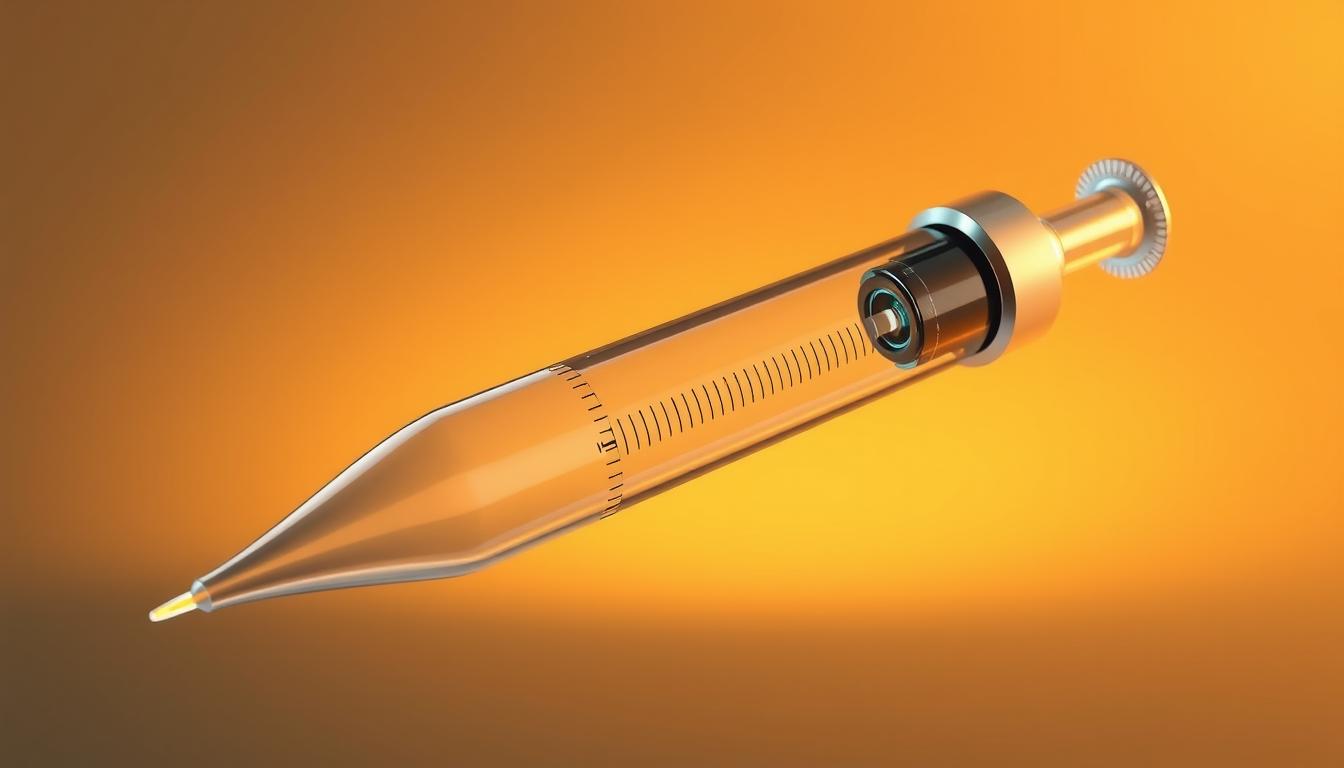
Ever wondered how scientists measure liquids with such precision? It’s thanks to tools like the 25 ml pipette. This tool is key in labs, helping researchers in many fields.
In science, being accurate is not just nice—it’s necessary. The 25 ml pipette is a prime example of precision. It lets scientists move liquids with great consistency. These pipettes are crucial in labs, with accuracy over 99% and errors less than 1%.
Today’s pipettes are made to meet strict scientific standards. They have features that cut down on mistakes and boost experiment reliability. Every move of liquid is done with high precision.
Key Takeaways
- 25 ml pipettes offer exceptional accuracy rates over 99%
- Critical for precise liquid measurements in scientific research
- Used extensively across pharmaceutical, clinical, and environmental laboratories
- Engineered to minimize measurement errors
- Essential for maintaining research integrity
Introduction to the 25 ml Pipette
Scientific labs need precise tools to get accurate results. The 25 ml pipette is key for transferring exact amounts reliably.
Getting the right measurements is crucial in science. These tools are made to give consistent results in many fields.
Definition and Purpose
A 25 ml pipette is a tool for precise liquid transfers. It helps with:
- Measuring exact liquid amounts
- Ensuring consistent volume transfers
- Supporting critical lab procedures
Importance in Laboratory Settings
Researchers use 25 ml pipettes for many important tasks. These tools are vital in:
- Biological research
- Chemical analysis
- Pharmaceutical development
“Precision is the essence of scientific discovery” – Laboratory Research Principles
Getting the right volume is key in science. These pipettes are set to be accurate to four significant digits. This makes them essential in precise settings.
| Specification | Details |
|---|---|
| Nominal Volume | 25 mL |
| Graduations | 0.25 mL – 1 mL |
| Color Code | Magenta |
| Sterilization Method | Gamma-sterilized |
The 25 ml pipette is a top example of liquid handling technology. It combines precision engineering with scientific discovery.
Features of a 25 ml Pipette
Precision measuring tools are key in biological research. Volumetric pipettes are vital for accurate measurements. The 25 ml pipette is a standout, designed for the toughest scientific needs.
Researchers depend on these tools for top-notch lab work. The 25 ml pipettes are crucial for precise scientific tasks.
Material Composition
High-quality 25 ml pipettes are made from top materials. They ensure durability and reliability:
- Borosilicate glass for top chemical resistance
- High-grade polymers for better structure
- Corrosion-resistant metal parts
Accuracy and Precision
The 25 ml pipette is built for exceptional accuracy. It offers:
- Accuracy within ±0.04 ml
- Consistent volume dispensing
- Low error margins
Design Considerations
Lab supplies like 25 ml pipettes have advanced designs. They aim to boost performance:
- Autoclavable materials for sterilization
- Thermal shock resistance
- Ergonomic design for less user fatigue
Scientific precision starts with the right tools.
The 25 ml pipette’s exceptional materials, accuracy, and design make it essential in research and labs.
Types of 25 ml Pipettes
Laboratory pipettes are key tools in research. They come in various designs to fit different needs. Scientists use different types of glassware to measure liquids accurately in many experiments.
There are many 25 ml pipettes to choose from. Each has special features for different scientific needs.
Graduated Pipettes
Graduated pipettes help measure volumes precisely. They have clear markings for easy reading. Key features include:
- Graduations from 0.25 mL to 1 mL
- Color-coded for easy identification
- Accurate within ±2% tolerance
Serological Pipettes
Serological pipettes are for biological and medical studies. They have special features:
- Made from USP Class VI polystyrene
- Certified RNase/DNase free
- Available in sizes from 1 to 50 mL
Disposable vs. Reusable Options
Scientists can pick between disposable and reusable pipettes. It depends on their research needs:
- Disposable Pipettes
- Used once to avoid contamination
- Wrapped individually for cleanliness
- Gamma-sterilized
- Reusable Pipettes
- Need cleaning after each use
- Cost-effective for long-term studies
- Good for controlled labs
Choosing the right 25 ml pipette depends on the experiment, risk of contamination, and budget.
Applications in the Biological Field
The 25 ml pipette is key in modern science, used in many biological fields. It’s precise and versatile, making it essential for lab work. Researchers rely on it for detailed tasks.
Scientists use these pipettes for many important tasks. They need to be accurate and reliable. The 25 ml pipette helps avoid mistakes and contamination.
Use in Cell Culture
Cell culture needs careful liquid handling. The 25 ml pipette is great for this. It’s used for:
- Transferring growth media
- Preparing precise cell suspensions
- Conducting volume-sensitive experiments
Role in Chemical Analysis
Chemical analysis needs high precision. The 25 ml pipette is crucial here. It has permanent markings and works smoothly, ensuring accurate transfers.
| Analysis Type | Pipette Application |
|---|---|
| Protein Quantification | Precise reagent dispensing |
| Enzyme Kinetics | Consistent volume measurements |
| Spectrophotometric Studies | Accurate sample preparation |
Applications in Microbiology
Microbiology uses the 25 ml pipette for intricate liquid handling tasks. It’s used for preparing bacterial cultures and managing viral samples. This precision helps make new discoveries.
- DNA extraction procedures
- Media preparation for microbial growth
- Pathogen identification protocols
Handling and Usage Guidelines
Using volumetric pipettes well needs careful technique and focus. Tools like the 25 ml pipette need special handling to get accurate lab results.
Getting good at pipette volume starts with knowing the basics. These basics keep your measurements right.
Proper Techniques for Handling
- Hold the pipette vertically when taking liquids
- Put the tip 3-4 mm into the liquid
- Let go of the plunger slowly to avoid air bubbles
- Wait 1 second after pressing the plunger to feel resistance
- Use a new tip for each different liquid
Calibration Procedures
Keeping your tools precise means regular checks. Class A volumetric pipettes need to meet strict standards from ASTM E969. Labs should:
- Calibrate pipettes at a steady temperature (20°C)
- Check for calibration error thresholds
- Recalibrate if error is over 5%
- Keep a record of calibration results
Avoiding Common Errors
Scientists can avoid mistakes by knowing common issues. Big errors come from wrong tip choice, uneven technique, and skipping maintenance.
Precision is not an accident, but a result of consistent, careful technique.
By sticking to these tips, scientists can make their pipette volume measurements reliable. This leads to better experimental results.
Maintenance Best Practices
Keeping laboratory pipettes in good shape is key for precise results in science. Volumetric glassware needs careful handling to stay accurate and effective.
Researchers must have a solid plan for maintaining their lab tools. This ensures they work well and last a long time.
Cleaning Procedures
Cleaning lab pipettes right involves a few important steps:
- Use the right cleaning solutions for the pipette material
- Do gentle cleaning on the outside and inside
- Stay away from harsh chemicals that can harm the pipette
- Rinse well with purified water
- Let it dry completely before putting it away
Storage Recommendations
Storing pipettes correctly is vital. Keep them upright, away from extreme temperatures and humidity. Use special stands or cases to protect them from damage and contamination.
Regular Inspection Protocols
Regular checks help avoid mistakes in scientific measurements. Researchers should:
- Check pipettes weekly
- Test them at different volume settings
- Make sure they match the maker’s specs
- Fix or replace worn-out parts quickly
By sticking to these maintenance tips, labs can keep their pipettes in top shape. This makes them reliable and ready for important scientific tasks.
Safety Considerations
Working with liquid handling equipment in biological labs needs careful safety steps. Tools like 25 ml pipettes require detailed safety measures. This is to protect researchers and keep experiments safe.
Personal Protective Equipment (PPE)
Wearing the right personal protective equipment is key in labs. Researchers should put on:
- Lab coat with long sleeves
- Chemical-resistant gloves
- Safety goggles or face shield
- Closed-toe shoes
Safe Handling Practices
Safe pipette use involves several important steps:
- Always check pipettes for damage before use
- Use the right pipette tips for each task
- Keep your work area clean
- Use proper technique to avoid contamination
Waste Disposal Guidelines
Managing biological waste is vital for lab safety. Proper disposal stops contamination and protects the environment. Here are key steps:
- Put biological waste in the right containers
- Use autoclave bags for dirty materials
- Disinfect pipette tips before throwing them away
- Follow your lab’s biohazard waste rules
By following these safety tips, researchers can work safely with 25 ml pipettes in labs.
Comparison with Other Pipette Sizes
Choosing the right pipette size is key for precise lab work. The 25 ml pipette is a versatile tool in science. It has benefits over other sizes.
Volumetric pipettes come in many sizes for different uses. Knowing the differences helps scientists improve their work.
Advantages of 25 ml Pipettes
- Ideal for medium-volume liquid transfers
- Provides exceptional accuracy up to 4 significant figures
- Bridges the gap between smaller and larger pipette sizes
Selecting the Right Pipette Size
Choosing a pipette size depends on several factors:
- Sample volume requirements
- Experimental precision needs
- Specific research protocol demands
“The right pipette size can significantly impact experimental accuracy and reproducibility.” – Laboratory Research Standards
When to Use Larger or Smaller Pipettes
The 25 ml pipette is very versatile. But, researchers must think about their needs. For example, 10 ml pipettes are great for small amounts, and 50 ml pipettes are for more.
Volumetric pipettes are best for precise measurements. The 25 ml size is especially useful in biology and chemistry.
Choosing the Right 25 ml Pipette for Your Needs
Choosing the right laboratory pipettes is important. They are key in scientific research. A 25 ml pipette is crucial for getting accurate results.
When picking lab supplies for measuring volumes, researchers need to know what to look for. This ensures the tools work well and reliably.
Essential Factors to Consider
When picking a 25 ml pipette, consider a few things:
- How accurate you need it for your research
- How often you’ll use it in the lab
- If it fits with your lab’s equipment
- If it’s made to last and won’t react with chemicals
Determining Quality and Reliability
Checking the quality of laboratory pipettes is more than just looking at them. You should look at:
- The calibration certifications from the maker
- How precise it is
- If it meets certain standards
- What independent tests say about it
Selecting Reliable Suppliers
When looking for precision tools, find suppliers that offer:
- Full technical details
- Strong quality checks
- Good customer service
- Pipettes wrapped individually to stay clean
By looking at these points, researchers can find 25 ml pipettes that fit their needs. This ensures their results are accurate and reliable.
Innovations in Pipetting Technology
The world of scientific tools is changing fast, especially in liquid handling. Tools for biological research are getting smarter, aiming for better accuracy and speed.
Today’s pipetting tech is changing what labs can do. Digital tools are making liquid handling easier for scientists.
Advances in Design and Functionality
New pipette designs aim to make life easier for users and improve results. Some big changes include:
- Ergonomic handles to cut down on hand strain
- Smart calibration systems
- Electronic pipettes with digital controls
- Better ways to attach tips
Integration of Digital Solutions
Digital tech is changing lab tools. Now, we have automated systems that are super precise:
- 16 and 24-channel pipettes for quick plate filling
- SOFTattach tech makes attaching tips 40% easier
- Electronic pipettes track volume in real-time
Future Trends in Pipetting
The future of pipetting tech is exciting. Trends include:
- Better ergonomic designs
- More automation
- AI and machine learning integration
- Smaller liquid handling tools
Expect more precise, efficient, and easy-to-use pipetting tools in the future.
Conclusion
Laboratory research heavily relies on tools like the 25 ml pipette. Volumetric glassware is key in scientific studies. It’s where accuracy can make or break experiments.
Even small measurement errors can greatly affect results in biology and chemistry. This shows how important precision is.
The calibration of a 25 ml pipette needs careful attention. Scientists must check measurements at least three times. This ensures accuracy within ±0.03 mL.
These tools need regular upkeep. It’s suggested to calibrate them every 3-6 months. A pipette is trusted when it’s accurate to 99-101%.
Today’s labs value advanced pipetting skills. Calibration checks involve measuring water to the nearest 0.1 mg. This accounts for temperature changes that can affect volume.
Researchers must know how temperature and humidity affect measurements. By following strict calibration and staying updated, scientists can achieve top results.
Key Takeaways for Laboratory Excellence
The 25 ml pipette is vital in scientific research. It’s essential for delivering precise volumes, crucial in biology and chemistry. By focusing on proper technique, regular calibration, and understanding measurement principles, researchers can get reliable results.
FAQ
What is a 25 ml pipette and why is it important in laboratory work?
A 25 ml pipette is a tool for precise liquid handling. It’s used in labs for accurate volume transfers. This is key for detailed research that needs exact measurements.
What materials are typically used to manufacture 25 ml pipettes?
Most 25 ml pipettes are made of borosilicate glass. This material is durable and resistant to heat and chemicals. It’s perfect for labs because it lasts long and works well.
How do I choose between disposable and reusable 25 ml pipettes?
Choosing depends on your lab needs. Disposable pipettes prevent contamination and save time. Reusable ones are cheaper and better for the environment if kept clean.
What safety precautions should be taken when using a 25 ml pipette?
Always wear protective gear like lab coats and gloves. Use safe handling techniques to avoid spills. Follow strict protocols to prevent contamination.
How often should 25 ml pipettes be calibrated?
Calibration frequency varies based on use. But, pipettes should be checked at least once a year. This keeps them accurate for precise work.
What are the most common applications for 25 ml pipettes in biological research?
25 ml pipettes are used in many lab tasks. They help with cell culture, chemical analysis, and DNA work. They’re great for precise liquid transfers in research.
How should I clean and maintain my 25 ml pipette?
Clean pipettes right after use with the right solutions. Use soft cloths and avoid harsh chemicals. Store them upright in a clean, dry place. Check for damage regularly.
What are the key differences between graduated and serological pipettes?
Graduated pipettes have marks for partial measurements. Serological pipettes have one mark for full transfers. They’re used in different lab settings for different needs.
Are electronic pipettes replacing traditional 25 ml pipettes?
Electronic pipettes are popular for their precision. But, traditional glass pipettes are still needed in many labs. It depends on the research, budget, and lab needs.
What should I consider when purchasing a 25 ml pipette?
Think about accuracy, how often you’ll use it, and compatibility. Check for certifications and standards. Choose one that meets your research needs.






Leave a Comment
Your email address will not be published. Required fields are marked *