



Ever wondered how scientists move liquids with such precision? It’s thanks to serological pipettes, especially the 25 ml ones. They change the game in scientific research.
Serological pipettes are key in today’s labs. They help scientists move liquids with great accuracy. This is crucial in fields like microbiology and biochemistry. The 25 ml pipettes are vital for keeping experiments reliable.
Lab experts trust these pipettes for their consistent results. The 25 ml size is perfect for many experiments. It lets scientists work with confidence and precision.
Key Takeaways
- 25 ml serological pipettes are essential precision instruments in scientific research
- These pipettes offer exceptional liquid transfer accuracy
- Used across multiple scientific disciplines
- Critical for maintaining experimental integrity
- Designed for consistent and reliable performance
- Support complex research protocols
- Manufactured to meet rigorous scientific standards
Introduction to Serological Pipettes
Serological pipettes are key tools in science and labs. They help measure and move liquids accurately. This is crucial in many scientific areas.
Labs use volumetric pipettes for their exactness and dependability. These tools help scientists handle liquids carefully. This reduces the chance of contamination.
Understanding Serological Pipettes
Serological pipettes have special features that set them apart:
- They have precise volume markings from 0.25 mL to 1 mL.
- They are made from USP Class VI polystyrene.
- They come in sizes from 1 to 50 mL.
- They are gamma-sterilized to prevent contamination.
Critical Role in Scientific Research
These tools are vital in many scientific fields, including:
- Cell culture research
- Molecular biology experiments
- Microbiology studies
- Clinical diagnostics
| Characteristic | Specification |
|---|---|
| Nominal Volume | 25 mL |
| Tip Opening Diameter | 2.36 mm |
| Sterilization Method | Gamma-sterilized |
| Shelf Life | 3 years |
The precision of graduated pipettes is unmatched. It ensures experiments are reliable. Scientists can trust these tools for exceptional accuracy and to keep variables low.
Features of 25 ml Serological Pipettes
Laboratory experts need precise and reliable tools for their work. 25 ml serological pipettes are key, offering top-notch performance. They are designed with care and made from advanced materials.
Plastic pipettes have changed how we handle liquids in labs. They give researchers consistent and reliable measurements. These tools are made to meet high scientific standards.
Material Composition
Serological pipettes are mostly made from high-quality polystyrene (PS). This plastic is chosen for its special qualities:
- Exceptional clarity for precise visual measurements
- Lightweight and durable construction
- Chemical resistance to various laboratory solutions
- Uniform wall thickness for consistent performance
Calibration and Accuracy
Calibrated pipettes offer unmatched precision in liquid transfer. The making process includes strict quality control. This ensures accurate measurements within tight limits.
Key accuracy features include:
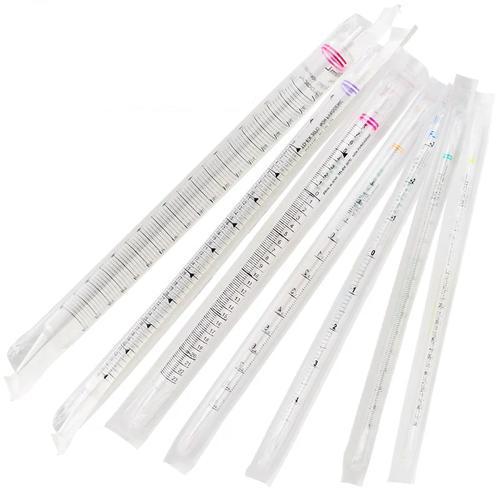
- Color-coded graduations for easy volume identification
- Standardized measurement markings
- Consistent volume dispensing capabilities
- Minimal liquid retention
Scientific research demands exceptional accuracy, and 25 ml serological pipettes deliver reliable performance across diverse experimental protocols.
Applications of 25 ml Serological Pipettes
Liquid transfer pipettes are key in science, with 25 ml serological pipettes being very useful. They are used in many fields. These tools help scientists do precise and reliable work in labs.

Usage in Microbiology
Microbiology needs precise pipettes for important tasks. Researchers use 25 ml serological pipettes for several tasks:
- Bacterial culture media preparation
- Sample dilution and transfer
- Microbial solution handling
- Sterile technique maintenance
Applications in Biochemistry
Biochemistry labs use these pipettes for detailed work. The 25 ml size is very accurate and reliable for complex experiments.
| Research Area | Specific Application |
|---|---|
| Protein Analysis | Enzyme solution preparation |
| Molecular Biology | Reagent mixing and sample preparation |
| Cell Culture | Media exchange and cell handling |
Labs often pick 25 ml serological pipettes for their unparalleled precision and consistent performance. These tools help avoid losing samples and make experiments repeatable in many fields.
Advantages of Using 25 ml Serological Pipettes
In labs, precision and reliability are key. 25 ml serological pipettes are vital for research. They bring many benefits that improve experiment accuracy and keep samples safe.
Lab experts count on sterile pipettes for reliable liquid handling. The design of 25 ml serological pipettes offers several important advantages:
- One-piece construction eliminates potential weld points
- Less than 2% inaccuracy at full volume
- Precise graduated markings for accurate measurements
Precision in Liquid Transfer
Precision pipettes are great at transferring liquids with little error. Their special tip design ensures consistent liquid transfer. Color coding, following ASTM E1380 standards, helps avoid measurement mistakes.
Reduced Risk of Contamination
Modern serological pipettes greatly reduce contamination risks. Gamma irradiation sterilization makes them RNase-free and DNase-free. Most 25 ml serological pipettes come pre-sterilized and wrapped, keeping samples safe during research.
Research teams can trust these precision pipettes for various tasks. They are a top choice for lab liquid handling technology.
Best Practices for Using Serological Pipettes
Laboratory pipettes are key tools in science, needing careful use and upkeep. Liquid transfer pipettes require specific techniques to ensure accuracy and avoid contamination in experiments.
Proper Handling Techniques
Using laboratory pipettes right involves several important steps:
- Always hold the pipette vertically when taking or giving liquids
- Keep a steady angle to avoid uneven liquid spread
- Use soft, controlled moves when moving liquids
- Avoid touching the pipette tip to container sides
Cleaning and Maintenance Tips
Looking after liquid transfer pipettes helps them work better and gives reliable results:
- Check pipettes before each use for any damage
- Clean non-disposable pipettes with the right lab disinfectants
- Put pipettes up when not in use to stop contamination
- Calibrate pipettes often to keep measurements accurate
| Maintenance Aspect | Recommended Frequency |
|---|---|
| Visual Inspection | Before Each Use |
| Cleaning | After Each Experiment |
| Calibration | Every 3-6 Months |
Using the right techniques and keeping them in good shape is crucial for reliable scientific research with serological pipettes.
Differences Between Serological and Other Pipettes
Laboratory professionals use different pipettes for precise liquid handling. Knowing the unique features of each helps pick the right tool for experiments.
Types of Pipettes Explored
Pipettes vary for specific lab tasks. Three main types are crucial in research:
- Serological pipettes: Great for liquid transfer
- Volumetric pipettes: Perfect for precise measurements
- Graduated pipettes: Good for flexible volume checks
Comparative Analysis of Functionality
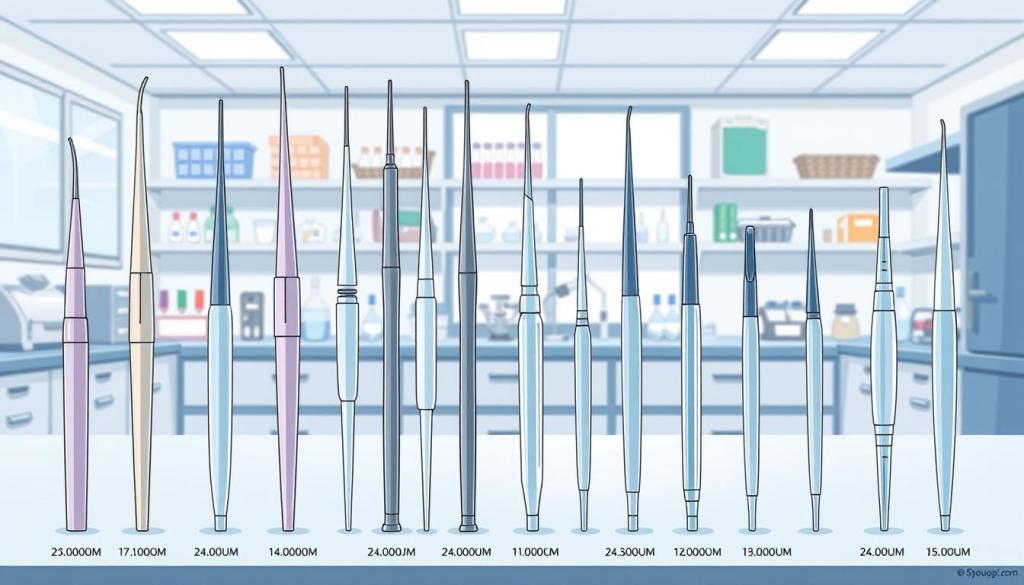
It’s important to know each pipette’s strengths. Serological pipettes handle 1 mL to 50 mL volumes well. They’re very useful in labs.
| Pipette Type | Precision | Volume Range | Primary Applications |
|---|---|---|---|
| Serological Pipettes | High | 1-50 mL | Cell culture, sample dilution |
| Volumetric Pipettes | Highest | 1-100 mL | Precise chemical measurements |
| Graduated Pipettes | Moderate | 1-25 mL | General laboratory transfers |
The main difference is in design and use. Serological pipettes are good for flexible transfers. Volumetric pipettes are for exact measurements.
- Serological pipettes have wider tips
- Volumetric pipettes need strict calibration
- Graduated pipettes offer flexible volume readings
Choosing the right pipette is key for accurate results in experiments.
Safety Considerations with Serological Pipettes
Laboratory pipettes are key in scientific research. But, they must be used safely to protect people and experiments. It’s important to know the risks and how to avoid them.
When you handle lab equipment, safety is crucial. This is especially true with materials that could be harmful.
Personal Protective Equipment (PPE) Recommendations
Keeping lab workers safe is a top priority. Here’s the PPE you should wear with pipettes:
- Chemical-resistant lab coat
- Disposable gloves
- Safety goggles or face shield
- Closed-toe shoes
Hazardous Materials Handling
Working with pipettes and dangerous substances needs careful handling:
- Always use a biological safety cabinet with infectious materials
- Dispose of contaminated pipettes in sharps containers
- Disinfect surfaces before and after use
- Use proper containment for biohazardous substances
These steps help keep workers safe and ensure top-quality research.
Safety is not an option—it is a fundamental requirement in any laboratory setting.
By following these guidelines, researchers can reduce risks. This makes the lab a safer place to work.
Selecting the Right 25 ml Serological Pipettes
Choosing the right disposable pipettes for lab work is important. Researchers and lab managers need to think about several things. They must pick the best ones for their work to be reliable and accurate.
When picking calibrated pipettes, labs should look at a few key things:
- Sterility needs for certain research
- How they are packaged (single or in bulk)
- If they work with the materials in their experiments
- How well they can move liquids
Key Considerations for Laboratories
Lab workers need to think about what their research needs. Important things include:
- Keeping things clean and free from contamination
- Being sure the measurements are right
- Working well with the lab’s current tools
Importance of Quality Assurance
Quality is key when picking disposable pipettes. Researchers should look for pipettes that are:
| Quality Parameter | Recommended Specification |
|---|---|
| Material | USP Class VI polystyrene |
| Sterility | Gamma-sterilized |
| Contamination Protection | RNase/DNase free |
“Precision in scientific research begins with selecting the right tools.” – Laboratory Research Principles
Choosing the right pipettes carefully helps get the same results every time. It keeps the science work trustworthy and solid.
Conclusion and Future Trends
The world of laboratory liquid handling is changing fast. Precision pipettes are key in science and medicine. New plastic pipettes make liquid transfer more accurate and reliable.
The global serological pipettes market is growing fast. From 2025 to 2033, we’ll see big tech advances. Labs in North America are leading the way, making pipettes better and more useful.
This shows how serious scientists are about improving their work. They want the best tools to help them discover more.
Innovations in Serological Pipette Design
New tech is changing pipettes, making them better at handling chemicals. They’re also designed to avoid contamination. Soon, pipettes will be even more precise and easy to use.
Expect to see pipettes with advanced sensors and digital features. These will make labs more efficient and accurate. It’s a big step forward for science.
The Future of Laboratory Liquid Handling
The future of pipettes looks bright. They’ll have advanced sensors and digital tracking. This will change how scientists do their work, making it more precise and efficient.
These new pipettes will be a game-changer. They’ll help scientists in many fields do their work better than ever before.
FAQ
What are serological pipettes, and how are they different from other types of pipettes?
Serological pipettes are special tools for moving and measuring liquids in labs. They have marks all along, unlike other pipettes. This lets you measure liquids in small steps. They’re made of clear plastic and are key for precise science work.
Why are 25 ml serological pipettes particularly useful in laboratory settings?
25 ml serological pipettes are great for many lab tasks. They’re good for handling medium amounts of liquid. This makes them perfect for tasks in microbiology, biochemistry, and more. They help scientists do precise work with less mistake.
Are serological pipettes reusable or disposable?
Most serological pipettes are meant to be thrown away after use. They’re made from sterile plastic to keep things clean. Some can be washed and used again, but most labs prefer to use them once to avoid contamination.
How do I ensure accurate measurements when using a serological pipette?
For accurate measurements, follow these steps: use the right technique, keep the pipette straight, and don’t touch the marks. Move the liquid slowly and always check the level at eye height. This way, you get the right amount every time.
What personal protective equipment (PPE) should be used when handling serological pipettes?
Always wear safety gear when using pipettes. This includes gloves, a lab coat, safety glasses, and closed shoes. You might also need a face mask if you’re working with dangerous stuff.
Can serological pipettes be used with different types of liquids?
Yes, serological pipettes work with many liquids. This includes water, cell cultures, and more. Just make sure the pipette is safe for the liquid you’re using and handle it carefully.
How are serological pipettes calibrated to ensure accuracy?
Pipettes are made with care to be precise. They’re tested at the right temperature and checked for accuracy. They’re classified as Class A or B, meeting strict standards for measuring liquids.
What are the primary applications of 25 ml serological pipettes?
25 ml pipettes are used in many ways. They’re key for making media in microbiology, diluting samples in biochemistry, and more. They’re also used in cell culture, diagnostics, and research in chemistry and the environment.
How should serological pipettes be stored to maintain their quality?
Keep pipettes in a clean, dry place away from sunlight and extreme temperatures. Store them in their packaging until you use them. This keeps them safe from dust and contamination. For sterile ones, use them right away after opening.
What innovations are emerging in serological pipette design?
New pipettes are made with better materials and designs. They have more precise marks and are easier to hold. There’s also talk of adding digital features to track your work. These changes aim to make pipettes more accurate and user-friendly.




Leave a Comment
Your email address will not be published. Required fields are marked *