


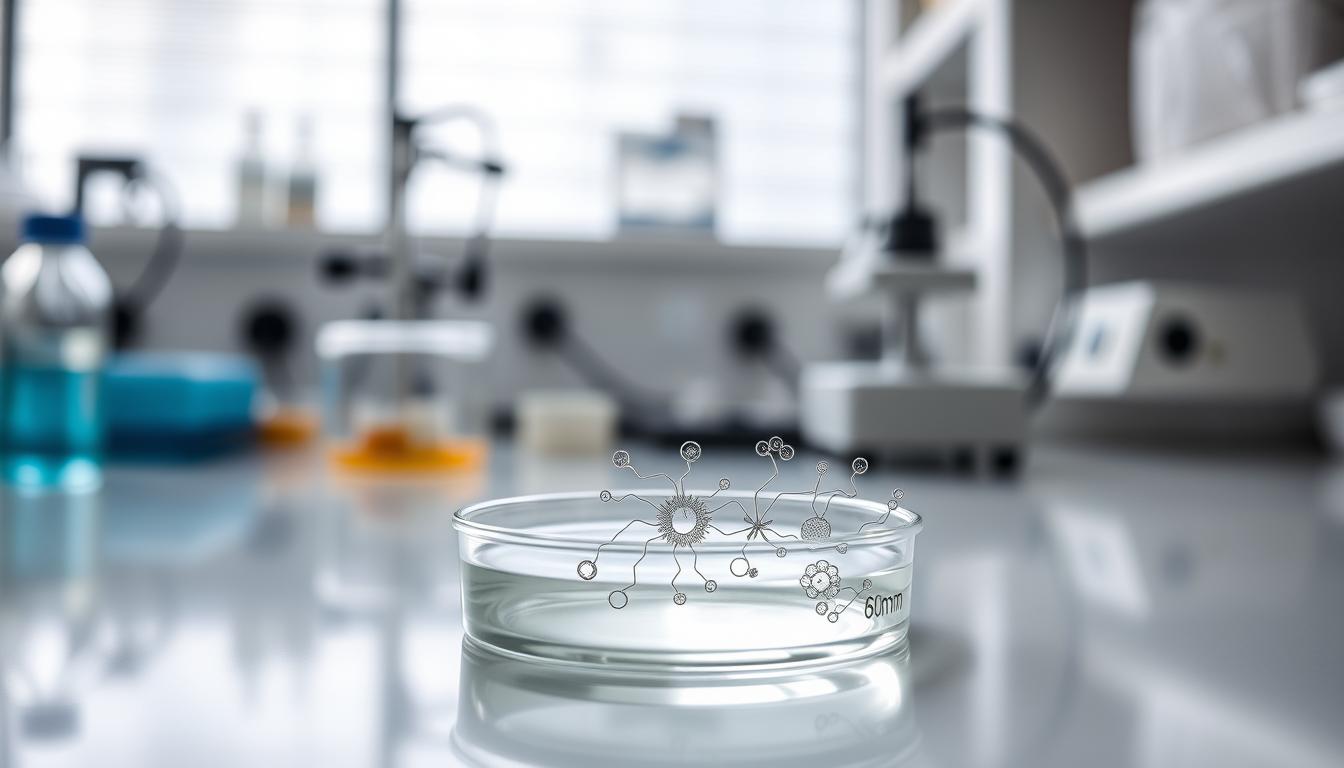
Could a simple plastic dish revolutionize how scientists understand cellular behavior and disease mechanisms? The 60mm cell culture dish represents a critical tool in modern biological research, enabling researchers to explore microscopic worlds with unprecedented precision.
These specialized tissue culture dishes provide researchers with a controlled environment for growing and studying various cell types. Crafted from optically-clear virgin polystyrene, the 60mm cell culture vessel offers a standardized platform for groundbreaking scientific investigations.
Scientists rely on these meticulously designed cell culture dishes to maintain cellular health, support experimental protocols, and unlock insights into complex biological processes. The precise 60mm diameter and specialized surface treatments ensure optimal cell attachment and growth conditions.
Key Takeaways
- 60mm cell culture dishes are essential research tools
- Manufactured from high-quality polystyrene
- Designed for consistent cellular growth and observation
- Supports various research applications in biological sciences
- Provides standardized experimental conditions
- Enables precise cellular studies and investigations
Overview of the 60mm Cell Culture Dish
Cell culture dishes represent critical tools in modern scientific research, providing essential platforms for cellular studies. The 60mm cell culture dish emerges as a versatile and precisely engineered solution for researchers seeking optimal growth environments for various cell types.
These specialized petri dishes deliver a precise growth surface area of approximately 21 cm², making them ideal for multiple laboratory procedures. Researchers rely on these cell culture consumables for critical scientific investigations.
Key Characteristics
- Diameter: 60 mm standard size
- Height: 15 mm typical configuration
- Material: High-quality polystyrene (PS)
- Surface area: Approximately 22.1 cm²
Primary Applications in Research
Cell culture plates serve multiple scientific purposes, including:
- Cell line expansion
- Toxicity testing
- Drug screening processes
- Cellular behavior observation
The 60mm cell culture dish provides researchers with a standardized, reliable platform for diverse cellular studies.
| Feature | Specification |
|---|---|
| Material | Polystyrene (PS) |
| Sterilization Method | Gamma irradiation |
| Cell Type Compatibility | Suspension and adherent cells |
| Surface Treatment | TC Tested, Non-cytotoxic |
Scientists appreciate these cell culture consumables for their consistent performance, sterile conditions, and ability to support diverse research requirements.
Material Composition of Cell Culture Dishes
Cell culture labware demands precise material selection to support optimal research outcomes. The foundation of effective cell culture equipment lies in understanding the intricate relationship between material composition and cellular performance.
Polystyrene represents the gold standard in cell biology supplies for manufacturing cell culture dishes. This specialized plastic offers unique characteristics that make it ideal for scientific research.
Essential Material Properties
The key attributes of polystyrene that make it superior for cell culture applications include:
- Exceptional optical clarity
- High chemical resistance
- Uniform surface consistency
- Biocompatibility with various cell types
Material Impact on Cellular Growth
Polystyrene’s molecular structure plays a critical role in supporting cell growth and viability. Its surface properties enable:
- Consistent cell attachment
- Optimal nutrient transmission
- Reproducible experimental conditions
| Material Property | Cellular Impact |
|---|---|
| Surface Hydrophobicity | Enhances Cell Adhesion |
| Thermal Stability | Supports Consistent Incubation |
| Chemical Inertness | Prevents Experimental Contamination |
Scientific researchers rely on polystyrene’s predictable performance to ensure experimental reliability and reproducibility.
Importance of Surface Treatment
Surface treatment plays a critical role in the performance of cell culture vessels, particularly for life science products used in advanced research. The specialized coating of tissue culture dishes determines the success of cell growth and experimental outcomes.
Researchers rely on precise surface treatments to create optimal environments for different cell types. These treatments transform the fundamental properties of cell culture dishes, enabling better cell attachment and proliferation.
Types of Surface Treatments
Cell culture vessels undergo specialized surface modification processes to enhance their biological compatibility. The primary surface treatment techniques include:
- Tissue Culture (TC) Treatment
- Vacuum Plasma Treatment
- Hydrophilic Coating
- Electrostatic Surface Modification
Benefits of Specialty Coatings
Specialty coatings provide significant advantages for scientific research. These treatments transform standard polystyrene surfaces into advanced cell culture environments by:
- Improving cell adhesion capabilities
- Preventing contamination
- Enhancing cellular growth potential
- Supporting various cell type requirements
The 60mm cell culture dish represents a pinnacle of surface treatment technology, offering researchers a reliable platform for precise cellular studies.
Sterilization Methods for Cell Culture Dishes
Maintaining sterility is critical in cell culture research. Cell culture consumables require precise sterilization techniques to ensure optimal experimental conditions and prevent contamination. Researchers rely on specialized sterilization methods to protect their valuable cell cultures and maintain research integrity.
Advanced Sterilization Techniques
The primary sterilization method for cell culture labware involves gamma irradiation. This technique effectively eliminates potential contaminants while preserving the structural integrity of cell culture plates.
- Gamma irradiation provides comprehensive microbial elimination
- Ensures complete sterility of cell culture consumables
- Maintains the chemical composition of laboratory dishes
Sterility Verification Standards
Modern cell culture dishes are rigorously tested to confirm their sterile and pyrogen-free status. Researchers can confidently use these specialized labware products with assurance of their quality.
| Sterilization Parameter | Specification |
|---|---|
| Sterilization Method | Gamma Irradiation |
| Pyrogen-Free | Yes |
| Cytotoxicity | Non-Cytotoxic |
Critical Contamination Prevention
Sterile cell culture dishes play a crucial role in preventing unwanted microbial growth. Proper sterilization techniques protect delicate cell populations and ensure the reliability of scientific research across various biological disciplines.
Compatibility with Various Cell Types
Cell culture equipment plays a crucial role in supporting diverse cellular research. The 60mm cell culture dish demonstrates remarkable versatility in accommodating different cell growth patterns and experimental requirements.
Life science products like the 60mm cell culture dish are engineered to support multiple cell types with precision and reliability. Researchers can choose from specialized surface treatments that optimize cell growth and experimental outcomes.
Adherent Cells: Optimal Growth Environments
For adherent cell cultures, these dishes provide exceptional performance. Key features include:
- Nunclon Supra surfaces enhancing cell yield
- Growth area of 22.1 cm² for expansive cellular development
- Multiple surface treatment options
Suspension Cells: Specialized Design
Cell biology supplies now offer dedicated solutions for suspension cell cultures. The green-coded dishes with hydrophobic surfaces enable:
- Xeno-free and low-serum applications
- Volume work capacity up to 5 ml
- Consistent growth across multiple cell lines
Polystyrene construction ensures durability and consistent performance across various research protocols.
Best Practices for Using 60mm Cell Culture Dishes
Successful cell culture experiments rely on precise handling and optimal conditions for tissue culture dishes. Researchers must follow specific guidelines to ensure the best possible outcomes when working with 60mm cell culture vessels.
Proper preparation and setup are critical for maintaining cell health and experimental integrity. When working with these specialized petri dishes, several key practices must be observed:
- Use high clarity polystyrene dishes for optimal cell observation
- Ensure dishes are treated with vacuum plasma TC for excellent cell adherence
- Verify sterilization method (E-Beam sterilization recommended)
- Check surface area specifications (21.5 cm²)
Preparation Guidelines
Before cell seeding, researchers should carefully prepare the tissue culture dishes. The recommended seeding density is 0.8 x 10⁶ cells, with a maximum confluency of 3.2 x 10⁶ cells. Key volume considerations include:
- Versene volume: 3 mL
- Trypsin volume: 3 mL
- Growth medium volume: 5 mL
Handling and Incubation Techniques
Cell culture vessels require careful handling to maintain sterility and cell viability. The stackable design of 60mm dishes facilitates easy storage and organization in laboratory settings. When incubating, pay close attention to:
- Maintain consistent temperature
- Protect dishes from direct light
- Use gentle movements during manipulation
- Check cell growth regularly
The flat transparent surface ensures distortion-free observations, allowing researchers to monitor cell development with exceptional clarity.
Evaluation of Experimental Conditions
Successful cell culture research depends on precise monitoring and control of experimental conditions. Cell culture consumables like 60mm cell culture plates play a critical role in maintaining optimal environments for cellular growth and research integrity.
Researchers must carefully evaluate multiple environmental parameters to ensure reliable results. The following key factors significantly impact cell culture performance:
- Temperature stability
- pH level maintenance
- Nutrient availability
- Gas exchange conditions
- Surface treatment characteristics
Critical Factors Influencing Cell Growth
Cell culture equipment requires meticulous attention to detail. Polystyrene cell culture plates with specialized surface treatments like Nunclon Delta or hydrophobic coatings can dramatically influence cellular behavior and experimental outcomes.
Key monitoring strategies include:
- Regular temperature checks
- Consistent pH tracking
- Nutrient media assessment
- Visual cellular morphology evaluation
Monitoring Environmental Parameters
Effective experimental conditions demand continuous observation. Precise environmental control ensures cell viability, prevents contamination, and maintains research quality. Utilizing advanced cell culture consumables with standardized specifications supports reproducible scientific investigations.
Storage and Shelf Life
Proper storage is critical for maintaining the quality of cell biology supplies and cell culture labware. Researchers rely on pristine life science products to ensure reliable experimental results. The storage conditions of 60mm cell culture dishes directly impact their performance and longevity in laboratory settings.
Effective preservation of cell culture dishes requires careful attention to environmental factors. The following guidelines help protect the integrity of these essential laboratory tools:
- Store dishes in their original sealed packaging
- Maintain consistent room temperature (20-25°C)
- Keep away from direct sunlight
- Avoid areas with high humidity
- Protect from dust and potential contaminants
Recommended Storage Conditions
Manufacturers of cell culture labware typically recommend specific storage protocols to maximize dish performance. Sterile packaging plays a crucial role in maintaining product quality. Most 60mm cell culture dishes can be safely stored for 12-24 months when kept under optimal conditions.
Guidelines for Expiration Dates
Understanding expiration dates is essential for researchers working with sensitive cell biology supplies. Key considerations include:
- Check manufacturer’s printed expiration date
- Inspect packaging for any damage
- Verify sterility before use
- Discard dishes past their recommended shelf life
Researchers should always prioritize the quality of their life science products to ensure reproducible and reliable experimental outcomes.
Environmental Impact Considerations
The scientific community is increasingly focusing on sustainable practices in laboratory research, particularly when it comes to cell culture vessels and tissue culture dishes. Traditional petri dishes have long been manufactured using materials that pose significant environmental challenges.
Laboratories generate substantial plastic waste through the extensive use of cell culture dishes. Polystyrene, the primary material for most cell culture vessels, presents a critical environmental concern due to its non-biodegradable nature.
Biodegradable Options
Researchers are exploring innovative solutions to reduce environmental impact. Several emerging strategies include:
- Developing plant-based biodegradable cell culture dishes
- Creating recyclable tissue culture dishes with reduced carbon footprint
- Implementing advanced material technologies that minimize waste
Reducing Laboratory Waste
Effective waste management strategies can significantly mitigate environmental risks associated with laboratory consumables. Key approaches include:
- Implementing comprehensive recycling programs
- Selecting manufacturers with sustainable production practices
- Optimizing dish usage to minimize unnecessary waste
| Material | Environmental Impact | Sustainability Rating |
|---|---|---|
| Traditional Polystyrene | High Environmental Burden | Low |
| Biodegradable Alternatives | Reduced Environmental Impact | High |
The future of cell culture research lies in balancing scientific precision with environmental responsibility. As technology advances, researchers can expect more sustainable options in tissue culture dishes that maintain experimental integrity while protecting our planet.
Conclusion and Future Trends
The landscape of cell culture plates and cell culture consumables is rapidly transforming with unprecedented technological innovations. Research in biological sciences is experiencing a significant shift, driven by advanced cell culture equipment that promises more sophisticated research capabilities. The global market for 3D cell culture dishes demonstrates remarkable growth potential, projected to expand from USD 1.85 Billion in 2022 to USD 5.12 Billion by 2030.
Emerging trends in cell culture technology highlight critical developments in bioprinting, regenerative medicine, and materials science. Researchers are increasingly focusing on creating more physiologically accurate cell culture environments that better mimic complex biological systems. These advancements will enable more precise drug discovery models and potentially revolutionize medical research approaches.
Key challenges remain in standardizing 3D culture systems and managing production costs. Despite these obstacles, the industry continues to invest heavily in research and development. The integration of artificial intelligence and automation into cell culture processes represents a promising frontier that could dramatically enhance experimental precision and efficiency.
Looking forward, the cell culture consumables market will likely see continued innovation, with a strong emphasis on developing more sophisticated, adaptable research tools. Researchers can anticipate increasingly specialized cell culture equipment that offers improved performance, reduced complexity, and enhanced scientific capabilities in the coming years.
FAQ
What is a 60mm cell culture dish used for?
A 60mm cell culture dish is a critical laboratory tool used for cultivating and maintaining various cell types, supporting important research activities such as cell line expansion, toxicity testing, drug screening, and biological experiments that require sterile and controlled cellular environments.
What material are cell culture dishes typically made from?
Cell culture dishes are primarily manufactured from polystyrene, a material chosen for its exceptional optical clarity, biocompatibility, and ability to support optimal cell growth and viability. The material’s properties make it ideal for various biological research applications.
Why are surface treatments important in cell culture dishes?
Surface treatments are crucial because they enhance cell adhesion, promote cell growth, and provide specialized environments for different cell types. Tissue culture-treated surfaces can significantly improve cellular attachment and proliferation, making them essential for successful experimental outcomes.
How are cell culture dishes sterilized?
Cell culture dishes are typically sterilized using methods such as gamma radiation, ethylene oxide treatment, or autoclaving. These techniques ensure the complete elimination of potential contaminants, which is critical for maintaining the integrity of cell culture experiments.
Can 60mm cell culture dishes support different cell types?
Yes, 60mm cell culture dishes are versatile and can accommodate both adherent and suspension cell cultures. Their design and surface properties can be modified to support various cell growth patterns and research requirements.
What are some best practices for using cell culture dishes?
Best practices include maintaining aseptic techniques, ensuring proper dish preparation, using appropriate handling procedures, maintaining consistent environmental conditions, and carefully monitoring temperature, pH, and nutrient availability throughout the experiment.
How should cell culture dishes be stored?
Cell culture dishes should be stored in a clean, dry environment, typically at room temperature, away from direct sunlight. They should remain in their original packaging until use and be monitored for expiration dates to ensure optimal performance and sterility.
Are there environmentally friendly options for cell culture dishes?
The scientific community is increasingly developing biodegradable and sustainable cell culture dish options. Researchers can minimize environmental impact by selecting products from manufacturers committed to reducing laboratory waste and implementing eco-friendly production methods.
What factors should be monitored during cell culture experiments?
Critical factors include temperature, pH levels, nutrient availability, cell density, oxygen concentration, and humidity. Consistent monitoring and precise control of these parameters are essential for maintaining cell viability and experimental reliability.
How do surface treatments affect cell growth?
Surface treatments can dramatically influence cell attachment, proliferation, and morphology. Specialty coatings can be designed to promote specific cellular behaviors, enhance growth characteristics, and support different research requirements across various cell types.






Leave a Comment
Your email address will not be published. Required fields are marked *