


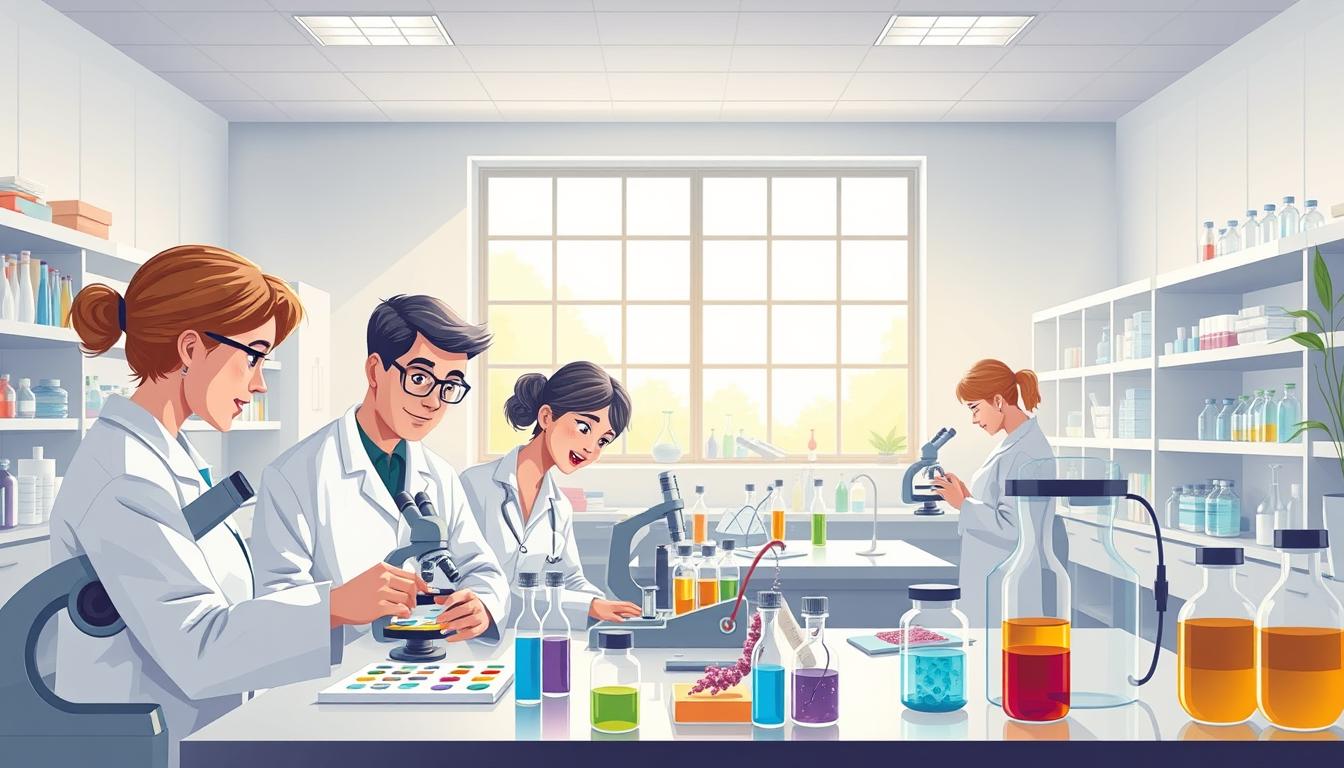
Ever wondered how scientific research is so precise and groundbreaking? It might all come down to understanding primary cells and their key role in biomedical studies.
A primary cell is a basic biological unit taken straight from living tissue. It keeps its original genetic traits and offers a true look at how cells work. Unlike immortalized cell lines, primary cells give scientists a real view of cellular behavior.
Primary cells can only divide a few times, usually between 20 to 60 divisions, before they stop growing. This makes them essential for studying how cells age, diseases progress, and finding new treatments.
Scientists love primary cell cultures because they keep their genetic makeup from living tissue. This makes them better for studying cancer, personalized medicine, and complex body processes than continuous cell lines.
Key Takeaways
- Primary cells are extracted directly from living tissue
- They maintain original genetic characteristics
- Limited cell division capacity provides unique research opportunities
- Crucial for studying cellular aging and disease mechanisms
- More representative of actual tissue behavior than immortalized lines
Understanding Primary Cells
Primary cells are key in storing energy for many devices and uses. They turn chemical energy into electrical energy. This is done through special designs.
A primary cell is a battery made for one-time use. It works by chemical reactions that can’t be reversed. This makes it different from batteries you can recharge.
Core Components of Primary Cell Construction
Primary cells have important parts that work together to make electricity:
- Anode (negative electrode)
- Cathode (positive electrode)
- Electrolyte solution
- Separator membrane
- External casing
Fundamental Electrochemical Principles
The primary cell works through complex chemical reactions. These reactions help move electrons from the anode to the cathode. This movement creates electrical current.
“Primary cells transform chemical potential into electrical energy through precise molecular interactions.” – Energy Research Institute
| Component | Function | Importance |
|---|---|---|
| Anode | Electron source | Initiates chemical reaction |
| Cathode | Electron receiver | Completes electrical circuit |
| Electrolyte | Chemical conductor | Enables ion movement |
Learning about primary cells shows us a complex system. It’s designed to turn chemical energy into electrical power. This is for many different uses in technology.
Types of Primary Cells
Primary cell types are key for storing energy in many areas. They have special features that make them vital in electronics and industry. Knowing about primary cell types helps people and engineers pick the right power source.

Primary cells are made for one-time use, giving reliable energy on the go. The main types are:
- Alkaline Batteries
- Zinc-Carbon Batteries
- Lithium Primary Cells
Alkaline Batteries
Alkaline batteries are very common. They use an alkaline solution and give steady power for many gadgets. They pack more energy than zinc-carbon batteries.
Zinc-Carbon Batteries
Zinc-carbon batteries are a budget-friendly option. They work well for devices that don’t use a lot of power. But, they don’t perform as well as alkaline batteries.
Lithium Primary Cells
Lithium primary cells have high energy density and last a long time. They are perfect for devices that need small, lasting power, like medical tools and space gear.
| Battery Type | Voltage Range | Primary Applications |
|---|---|---|
| Alkaline | 1.5V | Remote controls, toys, flashlights |
| Zinc-Carbon | 1.5V | Low-drain electronic devices |
| Lithium | 3V | Medical implants, military equipment |
Primary cells are essential for portable power, offering special benefits for certain tech needs.
How Primary Cells Work
Primary cell chemistry is a world of amazing electrochemical changes. These energy sources turn chemical energy into electrical power. They do this through complex processes that power many devices around the world.
The main process of primary cells involves chemical reactions that can’t be reversed. These reactions create electrical energy. They happen between two key parts: the anode (negative electrode) and the cathode (positive electrode).
Chemical Reactions in Primary Cells
Primary cell chemistry uses oxidation-reduction processes to make energy. When they discharge, electrons move from the anode to the cathode. This movement creates electrical current through an external circuit.
- Oxidation occurs at the anode, releasing electrons
- Reduction happens at the cathode, accepting electrons
- Electrolyte facilitates ion movement between electrodes
Energy Release Process
The energy release in primary cells depends on several key factors:
| Factor | Impact on Performance |
|---|---|
| Temperature | Affects chemical reaction rates |
| Discharge Rate | Influences total energy output |
| Storage Conditions | Determines battery longevity |
“Primary cells transform chemical potential into electrical energy through intricate electrochemical interactions.”
Understanding primary cell chemistry shows the science behind these energy sources. Each reaction is a precise dance of electrons and ions. This dance powers devices from medical equipment to consumer electronics.
Advantages of Primary Cells
Primary cells have special benefits that make them very useful. They are different from secondary cells in many ways. This makes them stand out in the world of batteries.
Primary cells have many great qualities. They work well and are reliable in many areas:
- Extended operational stability
- No recharging requirements
- High energy density
- Low self-discharge rates
Long Shelf Life
Primary cells keep their charge for a long time. Compared to secondary cells, they stay charged for years. This is great for situations where you need a steady power source.
“Primary cells provide unparalleled reliability in energy storage and delivery.” – Energy Technology Research Institute
No Need for Recharge
Primary cells are made to be used once. You don’t need to worry about charging them. This is especially useful in places far from charging stations, for emergency devices, and in special equipment.
| Primary Cells | Secondary Cells |
|---|---|
| Single-use design | Rechargeable |
| Long shelf life | Limited storage duration |
| No maintenance required | Regular charging needed |
| Consistent performance | Performance degrades over time |
Primary cells are very important in many fields. They are used in medical devices and even in space.
Disadvantages of Primary Cells
Primary cells face big challenges in many areas. They are key in many devices but have big downsides. Users and makers need to think about these carefully.
Environmental Impact
Primary cells harm the environment a lot. They are used once and then thrown away, adding to electronic waste. This waste is huge, with millions tossed out every year.
- Non-recyclable materials pile up in landfills
- Chemicals can pollute soil and water
- They use a lot of natural resources to make
Limited Energy Density
Primary cells can’t hold as much energy as secondary cells. This is a big problem in tech that needs a lot of power.
“Primary cells offer convenience but sacrifice long-term energy efficiency.”
When we compare primary cells to secondary cells, we see big differences:
- Primary cells can’t be charged again
- Their energy drops fast when used
- They have much less power than rechargeable ones
But, new tech keeps pushing to overcome these limits. It’s driving new ideas in battery design and energy storage.
Common Applications of Primary Cells
Primary cells are used in many important fields. They are key in modern technology. These power sources are reliable in many areas, from everyday gadgets to advanced medical and space tech.
Consumer Electronics
Many household items use primary cells for power. They are known for lasting a long time. Some examples include:
- Remote controls
- Wall clocks
- Digital cameras
- Children’s electronic toys
- Wireless computer peripherals
Medical Devices
The medical world counts on primary cells for life-saving gear. They keep devices working well in:
- Cardiac pacemakers
- Hearing aids
- Glucose monitoring devices
- Implantable medical sensors
Aerospace Applications
In aerospace, power sources must be very reliable. Primary cells are used in:
- Satellite communication equipment
- Emergency locator transmitters
- Navigation instruments
- Remote sensing devices
“Primary cells represent the backbone of portable power solutions across multiple technological domains.”
| Industry | Key Primary Cell Applications | Performance Characteristic |
|---|---|---|
| Consumer Electronics | Remote Controls, Toys | Long Shelf Life |
| Medical Devices | Pacemakers, Hearing Aids | Consistent Energy Delivery |
| Aerospace | Satellite Equipment | Extreme Reliability |
Every industry uses primary cells in a special way. They choose them for their unique energy and reliable performance in tough places.
Comparison with Secondary Cells
Knowing the differences between primary and secondary cells is key. They both store electrical energy, but in different ways. This knowledge helps us choose the right power source.
Primary cells are made to be used once, while secondary cells can be recharged. This makes secondary cells more versatile and sustainable.
Definition of Secondary Cells
Secondary cells, or rechargeable batteries, can be charged and discharged many times. They can be filled up again with electricity. This makes them great for long-term use.
Key Differences Between Primary and Secondary Cells
- Rechargeability: Primary cells are non-rechargeable, secondary cells can be recharged multiple times
- Chemical Reaction: Primary cells have irreversible reactions, secondary cells feature reversible chemical processes
- Energy Density: Primary cells typically have higher initial energy density
- Internal Resistance: Primary cells exhibit higher internal resistance compared to secondary cells
| Characteristic | Primary Cell | Secondary Cell |
|---|---|---|
| Reusability | Single-use | Multiple charge cycles |
| Initial Cost | Lower | Higher |
| Environmental Impact | Higher disposal concerns | More sustainable |
| Typical Applications | Portable devices, emergency tools | Electric vehicles, long-term power systems |
Choosing between primary and secondary cells depends on what you need. It’s about the power, cost, and use. Each type has its own benefits for different situations.
Understanding the nuanced differences between primary and secondary cells empowers better technological decision-making.
Safety Considerations
It’s important to handle primary cells safely to protect people and the planet. Knowing how to handle and store them is key. This keeps them working well and safe from harm.
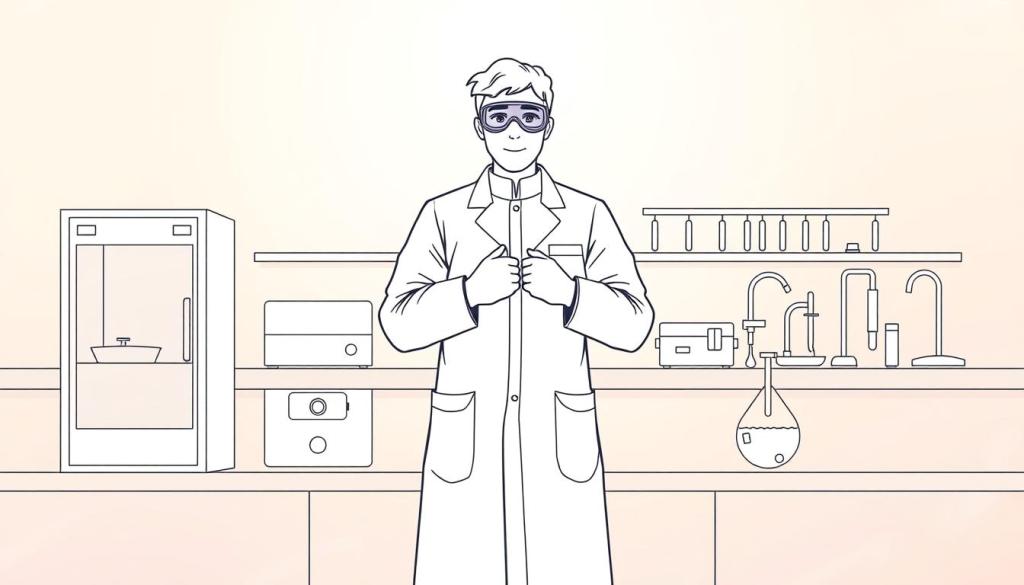
When working with primary cells, safety is a top priority. It’s crucial to follow certain steps to keep both the cells and users safe.
Essential Handling Precautions
- Wear protective gloves when handling primary cells
- Avoid direct contact with cell surfaces
- Use clean, dry tools during manipulation
- Prevent exposure to extreme temperatures
Storage Guidelines
Storing primary cells right is key to keeping them working well. It also helps avoid safety risks.
| Storage Condition | Recommended Practice |
|---|---|
| Temperature | Store between 10-25°C (50-77°F) |
| Humidity | Keep in low-humidity environment |
| Position | Store in upright position |
| Location | Cool, dry place away from direct sunlight |
“Safety in handling primary cells is not just a recommendation, it’s a necessity for protecting both human health and technological integrity.” – Laboratory Safety Expert
Disposal and Environmental Considerations
Getting rid of primary cells the right way is important for the environment. Always follow local rules for throwing away batteries and chemicals. This keeps everyone safe and helps the planet.
- Check local recycling guidelines
- Never dispose of primary cells in regular trash
- Use designated battery recycling centers
- Avoid crushing or puncturing cells
By following these safety tips, users can keep primary cells working well. They also protect themselves and the environment.
Innovations in Primary Cell Technology
The world of primary cell technology is changing fast. Scientists are working hard to make energy solutions better and more sustainable. They’re looking to improve primary cell voltage and capacity.
New developments in primary cell tech are very promising. They could lead to better ways to store and use energy. Researchers are focusing on a few key areas:
- Advanced material design for better performance
- Technologies for more energy density
- Green battery compositions
- Smaller power sources
Emerging Technological Breakthroughs
New research is exploring new ways to make primary cells. Printable batteries and energy systems inspired by nature are getting a lot of attention. These ideas aim to solve current problems with voltage and capacity.
“The future of primary cell technology lies in sustainable, efficient, and adaptable energy solutions.” – Energy Research Consortium
Future Trends in Primary Cell Development
The next step for primary cells will be:
- Less harm to the environment
- More energy storage
- Lighter and more flexible designs
- Better performance and reliability
| Innovation Area | Key Focus | Potential Impact |
|---|---|---|
| Nanotechnology | Enhanced material performance | Improved energy density |
| Bio-inspired Design | Sustainable energy solutions | Reduced environmental footprint |
| Advanced Manufacturing | Precision engineering | More efficient production |
Innovation is key to changing primary cell tech. It tackles current problems and opens up new ways to store and use energy.
Environmental Concerns
The impact of primary cell disposal is a big global problem. As we use more batteries, learning about recycling and rules is key for green tech.
Battery waste is bad for the planet. Household batteries often go to landfills. They can pollute soil and water with harmful stuff.
Recycling Primary Cells
Recycling primary cells needs a few important steps:
- Collecting used batteries at recycling centers
- Sorting batteries by type
- Getting metals like zinc and steel out
- Using safe chemicals to clean up
Regulations and Standards
Rules for handling battery waste are getting stronger. The European Union has big goals:
- 45% of batteries collected by 2023
- 63% by 2027
- 73% by 2030
“Sustainable battery management is not just an environmental necessity, but a technological imperative.” – Environmental Technology Institute
In the EU, about 195 million homes use 23.9 battery-powered devices on average. These rules hope to cut down on trash and support a green economy.
Companies are making eco-friendly primary cell technologies. They want to be green without losing quality for users.
Conclusion: Importance of Primary Cells
Primary cells are a key tool in research, offering deep insights into how cells work and diseases spread. They are a new way to study cells, keeping their genetic makeup intact. This makes them great for studying how cells act in real life.
These cells are used in many areas of science, like medicine and drug making. They help us understand complex systems better. Their ability to stay true to their original form makes studies more accurate.
Key Research Implications
Scientists see primary cells as crucial for moving research to real-world applications. They are better than immortalized cells for studying drug resistance and disease. It’s important to handle these cells carefully to get the most out of them.
Future Research Outlook
The future of primary cell research is bright, thanks to new technologies. These advancements aim to improve culture conditions and keep cells alive longer. As we learn more, primary cells will be even more important in finding new treatments and medicines.
FAQ
What is a primary cell?
A primary cell is a battery that can’t be recharged. It turns chemical energy into electrical energy through reactions. Once used, it’s thrown away because it can’t be used again.
What are the main types of primary cells?
Main types include alkaline, zinc-carbon, and lithium primary cells. Each has its own voltage, energy, and use, from gadgets to medical tools.
How do primary cells work?
They work by chemical reactions between electrodes and an electrolyte. When connected, electrons flow, making electricity.
What are the advantages of primary cells?
They last a long time, don’t need charging, and are reliable. They’re great for things needing steady power for a while.
What are the limitations of primary cells?
They can harm the environment when thrown away. They hold less energy than rechargeable ones and cost more over time. They also can’t handle lots of current for long.
Where are primary cells commonly used?
They’re in gadgets, medical tools, space, emergency gear, and military stuff. They’re good for steady, long-lasting power.
How do primary cells differ from secondary cells?
Primary cells can’t be recharged and are used once. Secondary cells can be charged many times. Secondary cells are cheaper upfront but need charging.
What safety considerations are important for primary cells?
Handle them carefully to avoid short circuits. Store them right and follow disposal rules. This keeps them safe.
Are there environmental concerns with primary cells?
Yes, they can harm the environment. Recycling and using green tech are key to fixing this.
What are the latest innovations in primary cell technology?
New tech aims to make them more efficient, last longer, and be safer. There’s also work on green batteries and new materials.






Leave a Comment
Your email address will not be published. Required fields are marked *