



Ever thought about how scientists count tiny bacteria? In microbiology, there’s a cool method called Colony Forming Units (CFUs). It helps us understand how bacteria grow and stay alive.
CFUs are key in microbiology for counting live bacteria in samples. They help scientists figure out how many bacteria are there. This is more than just looking at them under a microscope.
A CFU is more than a number. It shows a group of bacteria that can grow and multiply. This gives us clues about the health and amount of bacteria in different fields of science.
Key Takeaways
- CFUs measure viable microorganisms in scientific research
- Bacterial colonies reflect potential growth and reproduction
- Counting techniques vary based on research requirements
- CFUs are crucial in fields like food safety and pharmaceutical development
- Accurate CFU measurement requires specialized techniques
Understanding Colony Forming Units (CFUs)
Bacterial enumeration is key in microbiology. It helps scientists count microbial populations. Colony Forming Units (CFUs) are at the center of this. They measure viable microorganisms in samples.
CFU Definition: The Basics of Microbial Counting
A CFU is the number of living bacterial or fungal cells in a sample. One CFU can come from one cell or a group of cells. This makes CFUs a flexible yet accurate way to count bacteria.
Importance in Microbiology
CFUs are vital in understanding microbes. They give insights into:
- Microbial viability and growth potential
- Population density in various environments
- Effectiveness of antimicrobial treatments
- Quality control in research and industry
Relation to Microbial Growth
CFU counting tracks microbial growth. It shows how conditions affect bacterial reproduction. This method lets scientists:
- Estimate the number of living microorganisms
- Monitor population changes
- Assess environmental impacts on microbial survival
“CFUs are not just numbers, they’re a window into the complex world of microbial life.” – Microbiology Research Institute
| CFU Range | Significance |
|---|---|
| 1-10 billion CFUs | Typical range for probiotic supplements |
| 10-100 billion CFUs | High-potency microbial samples |
| Less than 1 billion CFUs | Low microbial concentration |
The Significance of CFUs in Microbial Studies
Microbial research focuses on understanding how many cells are alive and how they behave. Colony Forming Units (CFUs) are key in giving researchers detailed insights into these microorganisms.

CFUs are vital in many scientific fields, especially in clinical microbiology and testing how well cells survive. They help count the living microorganisms in a sample. This is important for many uses.
CFUs in Viability Testing
Viability testing with CFUs lets scientists:
- Count the living microorganisms
- Check the health of microbial populations
- See how well cells survive in different conditions
- Find out if antimicrobial agents work
Applications in Clinical Microbiology
Clinical microbiologists use CFU counting for important diagnostic and research tasks. This method gives them key information about microbial populations in medical settings.
| Clinical Application | Purpose of CFU Counting |
|---|---|
| Infection Diagnosis | Identify pathogen concentration |
| Treatment Monitoring | Track microbial population changes |
| Antimicrobial Research | Evaluate agent effectiveness |
CFUs provide a quantitative approach to understanding microbial dynamics in clinical settings.
By studying viable cell counts, researchers gain valuable insights. This helps them understand how microorganisms behave, develop better treatments, and move medical science forward.
Methodology for CFU Counting
Counting bacteria is key in microbiology. Agar plate counting is a main way to understand how many microbes there are. Scientists use careful methods to count bacterial colonies and check if they are alive.
Common Techniques for CFU Enumeration
Scientists use a few main ways to count colony forming units (CFUs):
- Pour plate method
- Spread plate method
- Membrane filtration technique
Steps in Performing a CFU Count
The CFU counting process has detailed steps for accurate results:
- Sample preparation and dilution
- Inoculation onto nutrient media
- Incubation under controlled conditions
- Colony counting and calculation
A countable number of bacterial colonies is typically defined as between 25 and 250 colonies on a single agar plate.
Recommended Media for CFU Cultivation
Choosing the right growth media is vital for agar plate counting. Each microorganism needs a specific nutrient environment to grow. Researchers must pick media that supports growth and prevents contamination.
The dilution factor is important in CFU quantification. Serial dilutions like 10^-2, 10^-4, 10^-6, and 10^-8 help manage samples with millions of bacteria per milliliter.
By following these steps, microbiologists can reliably count bacteria. This helps them understand microbial populations in research and industry.
Factors Affecting CFU Counts
In microbiology, counting bacteria involves many complex factors. These factors can greatly affect how many bacteria are counted. It’s key for researchers to understand these to get accurate results.

Environmental conditions are very important for getting reliable counts. Researchers must control several key factors to ensure accurate counts.
Critical Environmental Influences
- Temperature impact on bacterial growth
- Nutrient availability and composition
- pH levels of growth medium
- Atmospheric composition
- Incubation duration
Specific Growth Condition Parameters
| Factor | Optimal Range | Potential Impact |
|---|---|---|
| Temperature | 35-37°C | Significant variation in colony development |
| pH | 6.8-7.4 | Affects microbial metabolism |
| Incubation Time | 24-48 hours | Determines colony visibility |
In microbiology, controlling these factors is crucial for reliable counts. Researchers must keep environmental conditions stable to get consistent results.
“Environmental control is the cornerstone of accurate microbiological quantification.”
Experimental protocols need careful attention. Even small changes in growth conditions can greatly affect counts. This can undermine the research’s integrity.
Differences Between CFUs and Other Measurement Units
There are many ways to measure bacteria, each with its own benefits and drawbacks. Knowing the differences between colony forming units (CFUs) and other methods helps scientists pick the best one for their research.
- Colony Forming Units (CFUs)
- Total Viable Counts
- Direct Microscopic Counts
Comparing Measurement Techniques
CFU counting is a common way to measure bacteria. It shows how many live bacteria can grow. But, it might not count all bacteria because some can stick together.
“Not all bacteria that exist can form visible colonies, making CFU counts an imperfect but valuable estimation technique.”
CFUs vs. Direct Microscopic Counts
Direct microscopic counts are different from CFU methods. They count all bacteria, not just the ones that can grow. This is important for getting a clear picture of how many bacteria are present.
| Measurement Method | Viable Cells Counted | Accuracy Level |
|---|---|---|
| CFU Counting | Living, reproducing bacteria | Moderate |
| Direct Microscopic Count | All cells (viable and non-viable) | High visual detail |
Understanding these differences helps scientists choose the right method for their research. This ensures they get accurate and reliable results when counting bacteria.
Enhancing Accuracy in CFU Counting
Getting precise results in microbial culture is key. Scientists must follow strict steps to count colony forming units (CFU) correctly.
Keeping samples clean is crucial. Any contamination can mess up the results and harm the study’s trustworthiness.
Critical Sterility Practices
- Use sterile personal protective equipment
- Perform procedures in laminar flow hoods
- Sterilize all equipment before use
- Minimize exposure time during sample manipulation
Dilution Calibration Strategies
Getting dilutions right is vital for accurate counts. Researchers need to stick to a detailed plan to avoid mistakes.
- Prepare serial dilutions with precise measurements
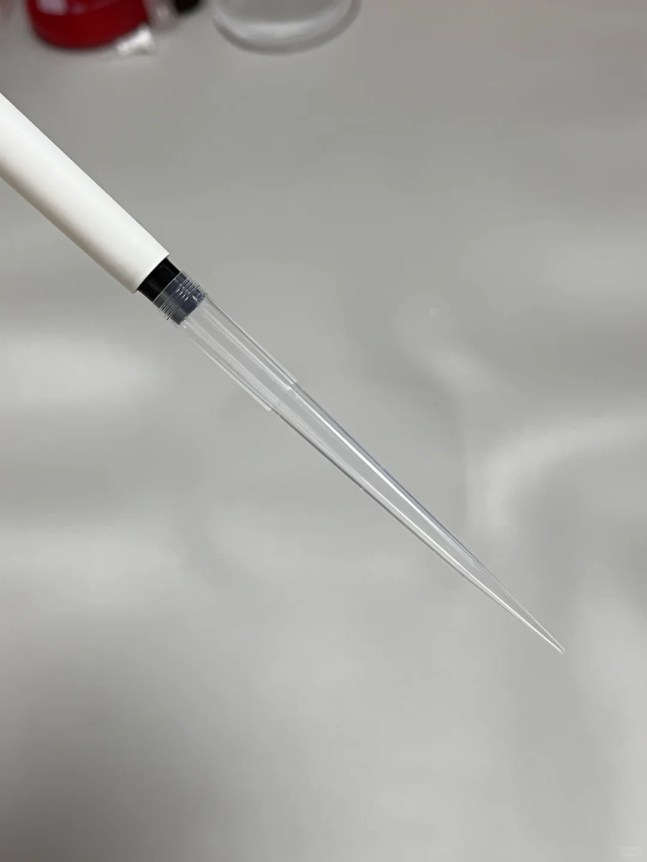
- Use calibrated pipettes
- Verify dilution accuracy through replicate testing
- Select optimal dilution ranges (typically 10^-4 to 10^-7)
Precision in microbial culture techniques requires meticulous attention to detail and consistent methodology.
Today’s labs use new tech to boost CFU counting accuracy. Deep learning techniques like U-Net help a lot. They cut down on mistakes made by humans.
Best Practices for Reliable Results
- Count plates with 30-300 colonies
- Use high-resolution imaging
- Implement multiple independent verifications
- Standardize reporting methods
By following these steps, scientists can make their bacterial counts more reliable and consistent.
CFU Counting in Industrial Applications
Colony forming unit (CFU) counting is key in keeping products safe and of high quality in many industries. It has changed how companies check and control bacteria in their products.
Quality Control Strategies
Quality control in industries depends a lot on CFU counts to keep products safe. Companies use these methods to:
- Find and stop microbial contamination
- Check if products are safe
- Make sure they meet rules and standards
- Check if their making processes work well
Food Microbiology Applications
In food making, CFU counting is very important. It helps find harmful bacteria and checks if food stays fresh.
Getting CFU counts right keeps people safe from food sickness.
| Industry | CFU Application | Key Purpose |
|---|---|---|
| Food Manufacturing | Pathogen Detection | Ensure Product Safety |
| Pharmaceutical | Sterility Verification | Maintain Production Standards |
| Cosmetics | Microbial Limit Testing | Validate Product Quality |
Companies use CFU counting to keep their quality control strict. By following set microbiology tests, they can watch and handle bacteria risks in their products.
Limitations of CFU Methods
Researchers using Colony Forming Unit (CFU) methods face big challenges. The CFU definition is key for microbiological insights. But, these methods have big limitations.

Studies show big differences between real microbial numbers and CFU counts. Key factors include:
- Cultivable microorganisms make up less than 1% of all microorganisms
- Direct microscopic exams show much higher bacterial numbers
- CFU accuracy is affected by environmental conditions
Potential Sources of Error
CFU counting has many error sources that make data less reliable:
- Cell clumping leads to underestimation
- Uneven sample distribution
- Limitations of selective media
- Inconsistent growth conditions
Misinterpretations of CFU Data
Researchers need to be careful with CFU data. Microbial counting methods can give wrong views of bacterial populations.
“The great plate count anomaly highlights significant discrepancies between observed and actual bacterial numbers.”
| Microbiota Type | Cultivability Range | Microscopic vs Plate Count Ratio |
|---|---|---|
| Oceanic Microbiota | 0.01% – 0.1% | Up to 10,000:1 |
| Human Forearm | Approximately 80% | Close to 1:1 |
| Soil Bacteria | Less than 1% | Up to 1000:1 |
Knowing these limitations helps in doing more accurate microbial research. It also stops wrong interpretations of CFU data in different fields.
Advances in CFU Counting Techniques
The world of counting microbes is changing fast. New technologies are making it easier to count bacteria. These changes are big for scientists and microbiologists.
New tech is changing how we count microbes. Here are some key advances:
- Automated colony counting systems
- Advanced image analysis software
- Machine learning algorithms
- Artificial intelligence integration
Technological Breakthroughs in Microbial Counting
Automated counters are making counting bacteria faster and more accurate. They can handle many plates at once. This cuts down on mistakes and makes research go smoother.
| Technology | Key Benefits | Processing Speed |
|---|---|---|
| Automated Colony Counters | High accuracy | 10-500 plates/hour |
| AI-Powered Image Analysis | Precise colony identification | Real-time processing |
| Machine Learning Algorithms | Adaptive recognition | Continuous improvement |
Future Trends in Microbial Enumeration
New tech is changing how we count microbes. Artificial intelligence and machine learning are leading the way. They will help us count microbes in new ways.
“The future of microbial counting lies in intelligent, adaptive technologies that can rapidly process and analyze complex biological data.” – Microbiology Research Institute
These new methods will help us understand bacteria better. They will make counting bacteria more precise and efficient. This will help science in many ways.
Best Practices for Reporting CFU Results
Getting CFU results right needs careful attention. Researchers must document all important details when sharing agar plate counting data. The best results are between 25-250 colonies per plate. Counts under 25 are too low, and over 250 are too many to count.
Reporting CFU results should be thorough. Scientists should list key details like dilution factors and incubation conditions. This makes sure everyone can understand and repeat the results.
Standardization of Reporting Methods
CFU results should be reported the same way in all studies. Use standard dilutions like 1/10 or 1/100. Always say how you did it. Including standard deviation and mean CFU values helps others check and use your findings.
Importance of Contextual Interpretation
CFU results mean more than just numbers. Think about where the sample came from and what kind of microbes are there. Knowing this helps avoid mistakes and makes the data useful for understanding microbial growth.
FAQ
What exactly is a Colony Forming Unit (CFU)?
A Colony Forming Unit (CFU) is a way to measure live microorganisms in a sample. It shows how many cells can grow into a colony on a special medium. This helps scientists understand the number of active microbes in a sample.
How are CFUs different from total cell counts?
CFUs only count live and growing cells, not dead ones. This makes CFU counting more precise than total cell counts. It’s better for tracking active microbial populations in research and quality control.
What industries use CFU counting?
CFU counting is key in many fields. These include food safety, pharmaceuticals, clinical diagnostics, water quality, and scientific research. It helps ensure product safety and monitor contamination levels.
What are the most common methods for CFU counting?
The main methods for CFU counting are the pour plate, spread plate, and membrane filtration. Each method is used based on the sample type and research goals.
What factors can affect CFU counts?
Several things can change CFU counts. These include temperature, humidity, the culture medium, incubation time, pH, and how the sample is handled. Researchers must control these to get accurate results.
How accurate are CFU counting methods?
CFU counting is a common method but has its limits. Errors can come from cell clumping, uneven distribution, and selective growth. Skilled technicians use strict protocols to reduce these errors.
Can CFU counting be automated?
Yes, technology has made CFU counting faster and more accurate. Automated colony counters and image analysis software are now available. They help improve efficiency and reduce mistakes.
What are the emerging trends in CFU counting?
New trends include using artificial intelligence and machine learning for colony counting. There’s also better imaging technology and molecular techniques being explored. These advancements aim to improve CFU counting methods.





Leave a Comment
Your email address will not be published. Required fields are marked *