


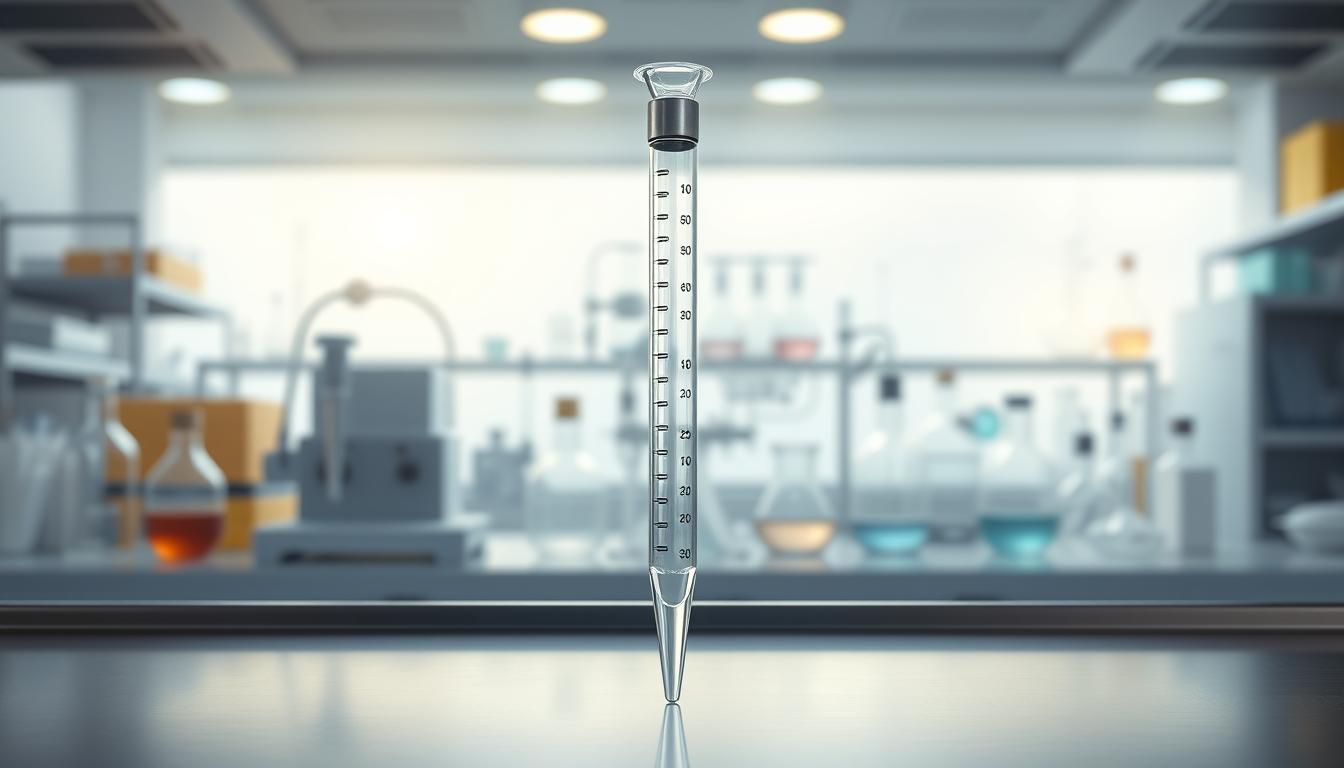
Ever thought about how scientists move tiny amounts of liquid with great care? Serological pipettes are key in this process. They show how technology meets scientific precision in lab tools.
Serological pipettes help move liquid amounts from less than 1 milliliter to 50 milliliters. They are vital in research, medical tests, and chemical studies. These tools let scientists handle liquids with high accuracy.
So, what kind of serological pipette is this? To understand these lab tools, we need to look at their design, how they work, and their use in science.
Key Takeaways
- Serological pipettes measure liquid volumes between 1-50 milliliters
- Critical for precise liquid handling in scientific research
- Available in disposable plastic and reusable glass materials
- Accuracy rates range from ±1% to ±2%
- Used in over 60% of liquid handling tasks in research laboratories
Introduction to Serological Pipettes
Scientific labs need precise tools for measuring volumes. Serological pipettes are key for transferring and measuring liquids accurately.
These tools are vital in many scientific fields. They help researchers handle liquids safely and with little risk of contamination.
Understanding Serological Pipettes
Serological pipettes have special features:
- They measure volumes precisely
- Made from disposable polystyrene plastic
- Meant for single use
- Have graduated markings for accurate transfer
These pipettes are used to move specific liquid amounts with great accuracy. Their design lets researchers measure at the liquid’s surface. This ensures consistent results.
Typical Applications of Serological Pipettes
These tools are used in many areas of research:
- Cell culture techniques
- Microbiology experiments
- Biochemical analysis
- Chemical research procedures
Researchers value serological pipettes for their ability to handle volumes from 1 mL to 50 mL. They are crucial in many labs.
| Research Field | Typical Pipette Application |
|---|---|
| Medical Research | Sample preparation and dilution |
| Biotechnology | Cell culture media transfer |
| Pharmaceutical | Reagent mixing and analysis |
The design of serological pipettes reduces liquid residue and boosts transfer accuracy. They are vital for scientists needing reliable volume measurement.
Different Types of Serological Pipettes
Serological pipettes are key tools in labs for handling liquids. They come in many types, each for different needs in science and medicine.
Lab workers use various pipettes for accurate liquid transfers. Knowing each type’s features helps pick the right one for the job.
Manual vs. Automated Serological Pipettes
Serological pipettes fall into two main types:
- Manual Pipettes: Need human hands to work
- Automated Pipettes: Use machines to dispense liquids
Manual pipettes are flexible, but automated ones are more precise and consistent.
Standard vs. Graduated Serological Pipettes
There are two main designs:
- Standard Pipettes: Can only measure one volume
- Graduated Pipettes: Have marks for different volumes
Graduated pipettes are great for detailed measurements in experiments.
Specialized Pipette Types
There are three main types of serological pipettes:
- Open-end Pipettes: Good for thick liquids
- Bacteriological Pipettes: Used for dairy tests
- Aspirating Pipettes: Perfect for precise mixing and transfer
“Choosing the right pipette is key for reliable results in experiments.”
Each pipette type has special features for lab needs. They ensure accurate handling of liquids in various scientific fields.
Features to Consider in Serological Pipettes
Choosing the right serological pipettes is key for precise and efficient lab work. These pipettes are vital for identifying glassware and accurately transferring liquids. Knowing the important features helps researchers pick the best for their needs.
When picking serological pipettes, researchers need to look at several key points. These points affect how well the pipettes work and how reliable they are.
Material Composition
Polystyrene is now the top choice for serological pipettes. It has great qualities:
- Exceptional optical clarity
- High chemical compatibility
- Lightweight design
- Superior durability
Polystyrene pipettes are better than old glass ones. They are safer and more flexible for handling liquids in many scientific fields.
Sterility and Packaging Options
Sterility is very important in labs. Modern serological pipettes are sterilized in new ways:
- Gamma irradiation sterilization
- Individual thermoformed packaging
- Non-pyrogenic certification
- Single-use design
Keeping samples clean is crucial in science and medicine.
| Sterility Feature | Specification |
|---|---|
| Sterilization Method | Gamma Irradiation |
| Sterility Assurance Level | 10^-6 |
| Packaging Type | Individual Plastic/Paper Wrap |
Researchers should focus on pipettes with strong sterility and good packaging. This keeps samples safe and reliable.
Common Sizes of Serological Pipettes
Serological pipettes are key tools for measuring volumes and handling liquids. They are used in many scientific research areas. These tools help scientists move liquids accurately in different experiments.
There are many sizes of serological pipettes to fit different needs. They range from 1 mL to 50 mL. This range helps scientists choose the right tool for their work.
Overview of Size Measurements
Knowing the sizes of pipettes helps scientists make better choices. The most common sizes are:
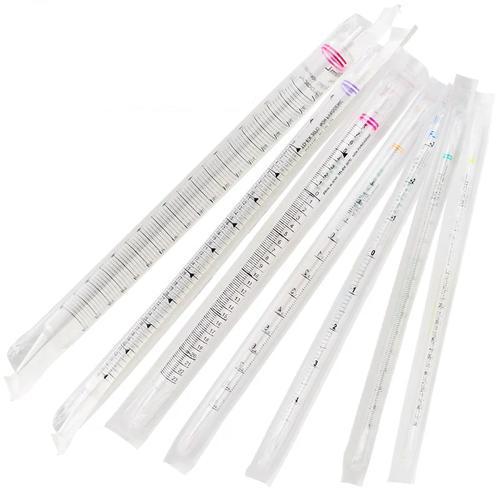
- 1 mL pipettes (color-coded yellow)
- 2 mL pipettes (color-coded green)
- 5 mL pipettes (color-coded blue)
- 10 mL pipettes (color-coded red)
- 25 mL pipettes
- 50 mL pipettes
Choosing the Right Size
Choosing the right serological pipette is important. You need to think about a few things. These include:
- The volume of liquid you need to transfer
- The precision you need for measuring
- The specific requirements of your experiment
- The risk of contamination
It’s best to pick a pipette size that’s close to the volume you need. This ensures you get accurate measurements. The graduations on these pipettes go from 0.01 mL to 1 mL. This helps with precise measurements in various scientific fields.
Precision in volume measurement starts with selecting the right serological pipette size.
Proper Handling and Usage of Serological Pipettes
Scientific tools like serological pipettes are key in labs. They need careful handling for accurate results. Knowing how to use them right can boost research and keep science honest.
Lab workers must follow certain rules to get the most out of serological pipettes. This is true for liquid transfer tasks.
Best Practices for Use
Good pipetting involves a few important steps:
- Hold the pipette vertically at a consistent 90-degree angle during liquid aspiration
- Draw liquid slightly above the desired volume mark to eliminate air bubbles
- Adjust the liquid level precisely by releasing excess liquid back into the original container
- Ensure complete liquid transfer by allowing all contents to drain from the pipette tip
Maintenance and Cleaning Tips
Looking after lab gear makes it last longer and work better. Different pipettes need different care:
| Pipette Type | Cleaning Procedure | Storage Recommendation |
|---|---|---|
| Reusable Glass Pipettes | Clean with specialized laboratory solutions | Sterilize in autoclave, store vertically |
| Disposable Plastic Pipettes | Discard after single use | Follow laboratory waste disposal guidelines |
Regular maintenance and proper cleaning are key. They stop contamination and help measure volumes accurately in science.
The Importance of Calibration in Serological Pipettes
Serological pipettes are key for precise volume measurement in labs. Calibration keeps these tools accurate and reliable over time.
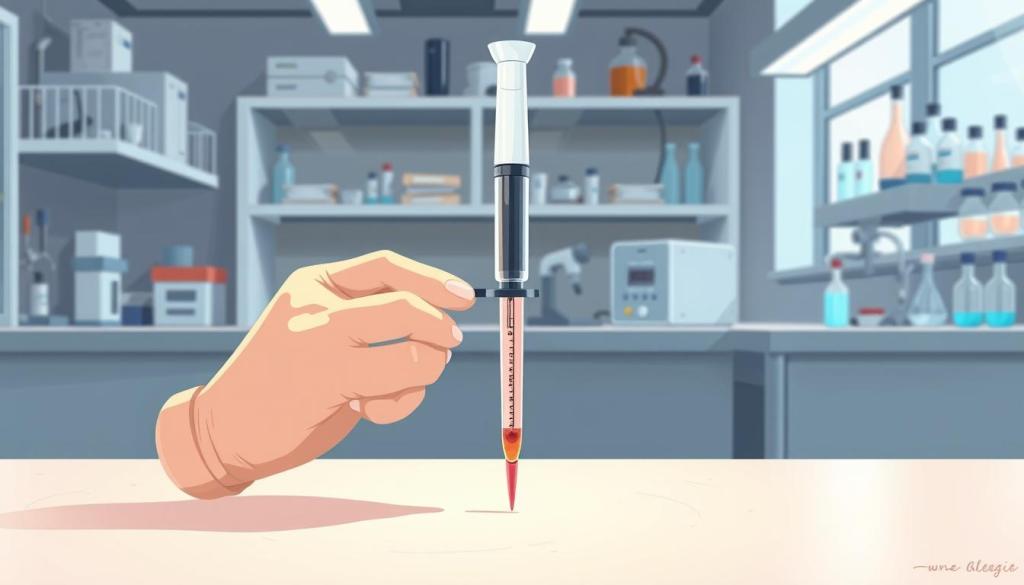
Lab experts know that regular calibration is crucial. It ensures these tools work well in delicate scientific tests.
Understanding Calibration Fundamentals
Calibration is a detailed process to check and adjust serological pipettes. It makes sure they dispense the right amount of liquid. This involves several important steps:
- Measuring actual dispensed volume against specified markings
- Identifying potential mechanical inconsistencies
- Adjusting the pipette to meet strict accuracy standards
- Documenting performance metrics
Recommended Calibration Frequency
Experts say to calibrate these tools every 3-6 months. The exact time depends on a few things:
- How often you use them
- The type of experiments you do
- The lab environment
- The maker’s advice
Using uncalibrated pipettes can lead to big mistakes. It can ruin the trustworthiness of your research and results. Regular checks keep the accuracy within 1% for important lab work.
Methods of Disposing of Used Serological Pipettes
It’s important to dispose of serological pipettes correctly. This keeps the lab safe and efficient. Scientists and researchers need to follow certain steps for safe waste handling.
When getting rid of used pipettes, think about how contaminated they are. Different types of waste need different ways to be thrown away. This keeps everyone safe and the environment clean.
Single-Use Pipette Disposal Protocols
Lab workers must sort pipettes by how contaminated they are. Here are some key rules:
- Keep clean pipettes separate from ones with biohazards
- Use special containers labeled “waste pipettes only”
- Make sure cardboard boxes are for one-time use
- Put the right bags in containers
Recycling Options for Laboratory Pipettes
Recycling is a big part of being green in the lab. Here are some ways to recycle:
- Use 10% bleach to make clean pipettes safe to throw away
- Use an autoclave for pipettes with biohazards
- Talk to Biosafety Officers for special disposal needs
Always check your lab’s waste rules. This makes sure you’re following safety guidelines when getting rid of serological pipettes.
Regulatory Standards for Serological Pipettes
Scientific tools and lab equipment must follow strict rules to ensure accuracy and reliability. Serological pipettes are no different. They have detailed guidelines for their design, performance, and use.
Laboratory experts use specific international standards to keep scientific measurements top-notch. The key regulatory frameworks for these vital tools include:
- ISO 8655 standards for liquid handling devices
- ASTM E934 calibration and accuracy specifications
- Good Laboratory Practice (GLP) regulations
Overview of Relevant Standards
Serological pipettes need to meet strict accuracy standards. These lab equipment standards require:
- Accuracy within ±1% to ±2% of stated volume
- Calibration every 6 months
- Precise volume transfer
Compliance Considerations
Labs must take detailed quality control steps to follow rules. This means regular calibration, correct handling, and keeping records of pipette performance. About 90% of research places follow GLP rules to keep science honest.
Precision in liquid handling is not just a recommendation—it’s a fundamental requirement for reliable scientific research.
Studies show that 60% of pipetting mistakes come from bad technique, not the tools. So, it’s key to know and follow the rules for accurate scientific work.
Innovations in Serological Pipette Technology
The world of precision instruments is changing fast. New technologies are making a big difference in how labs handle liquids. These advancements are changing how scientists do their work.

- They are now easier to hold, reducing hand strain
- They have electronic parts for more accurate measurements
- The materials used are stronger and last longer
- They can self-check and adjust for better results
Emerging Technological Breakthroughs
Today’s liquid handling tech is getting smarter. It uses advanced sensors and computers for better results. Now, pipettes can check themselves and show how well they’re working.
Future Trends in Scientific Instrumentation
The future of serological pipettes is exciting. We might see:
- Pipettes made from eco-friendly materials
- Pipettes that can send data wirelessly
- Pipettes that use AI to adjust volumes
- Smaller pipettes for tiny experiments
Labs are moving towards smarter tools. These tools are more accurate, cut down on mistakes, and make work easier. These changes are a big step forward for science.
Best Practices for Purchasing Serological Pipettes
Choosing the right serological pipettes is key for lab work. These lab supplies are crucial for accurate research and precise glassware identification.
When buying serological pipettes, researchers need to consider several important factors.
Evaluating Supplier Credibility
It’s important to pick a trusted supplier. Look at:
- Quality certifications
- Technical support availability
- Customer feedback and reviews
- Product consistency and reliability
Understanding Technical Specifications
Lab experts should look at key technical details:
- Accuracy and precision of measurement
- Material compatibility
- Sterilization method
- Volume range capabilities
Consider product specs like graduation details, material, and use environments. Match the pipette to your research needs.
For glassware identification, focus on tip diameter, sterilization, and packaging. Make sure they fit your research needs.
Conclusion: Choosing the Right Serological Pipette
Choosing the right serological pipette is key for accurate scientific results. Knowing what each project needs helps pick the best pipette. Volume range, sterility, and material are important in making a good choice.
Lab experts must think about their pipetting needs. This includes cell culture and clinical diagnostics. Serological pipettes come in various sizes, from 1 mL to 50 mL. They have color bands and precise graduations for accurate measurements.
The decision between disposable plastic and reusable glass pipettes depends on the research. Modern labs often choose disposable plastic for its ease and lower risk of contamination. Keeping pipettes well-maintained and calibrated is crucial for good results and user comfort.
Success in liquid handling comes from choosing the right serological pipettes. By understanding the needs of different scientific areas, researchers can improve their work’s accuracy and reliability.
FAQ
What is a serological pipette?
A serological pipette is a precise tool for moving and measuring liquids in labs. It’s made of polystyrene plastic and has clear markings. This design helps scientists measure and dispense liquids accurately in their work.
How do serological pipettes differ from other types of pipettes?
Unlike regular pipettes, serological ones are longer and have a special blow-out design. They’re also made of disposable plastic. These features make them perfect for tasks in cell culture, microbiology, and biochemistry.
What sizes of serological pipettes are available?
Serological pipettes come in sizes from 1 mL to 50 mL. They’re available in increments to fit different needs. This ensures scientists can handle liquids accurately and with minimal waste.
Are serological pipettes sterile?
Yes, many serological pipettes are made to be sterile. This is crucial for sensitive work like cell culture. They’re sterilized through gamma irradiation and packaged individually to stay sterile until use.
How often should serological pipettes be calibrated?
Calibration frequency varies based on how often they’re used and the manufacturer’s advice. Usually, pipettes need calibration once a year or when they start to perform unevenly. Labs with strict quality control might calibrate more often for precise results.
Can serological pipettes be reused?
No, most serological pipettes are meant for one-time use to avoid contamination. Disposable polystyrene pipettes are thrown away after each use. This is especially true in sensitive fields like microbiology and cell culture.
What are the main types of serological pipettes?
The main types include manual and automated pipettes, and standard and graduated designs. There are also specialized pipettes like open-end ones for thick liquids and bacteriological pipettes for certain research.
How should used serological pipettes be disposed of?
Used pipettes should go in biohazard waste containers. Some labs recycle lab plastics, but most disposable pipettes are thrown away as medical waste.
What materials are serological pipettes made from?
Today’s serological pipettes are mostly made from polystyrene plastic. This material is durable, clear, chemically safe, and easy to dispose of. It’s a big improvement over glass pipettes.
What laboratory disciplines commonly use serological pipettes?
Serological pipettes are key in cell culture, microbiology, biochemistry, and more. They’re used in medical research, pharmaceuticals, environmental testing, and clinical labs for precise liquid handling.





Leave a Comment
Your email address will not be published. Required fields are marked *