



Have you ever wondered how scientists get such precise liquid measurements? These measurements are crucial for their research. The 50 ml pipette is key to this precision.
In the world of science, a pipette is more than a tool. It’s a path to new discoveries. The 50 ml pipette is essential for scientists in cell culture, molecular biology, and microbiology. It allows for precise liquid handling, accurate to 0.05 ml.
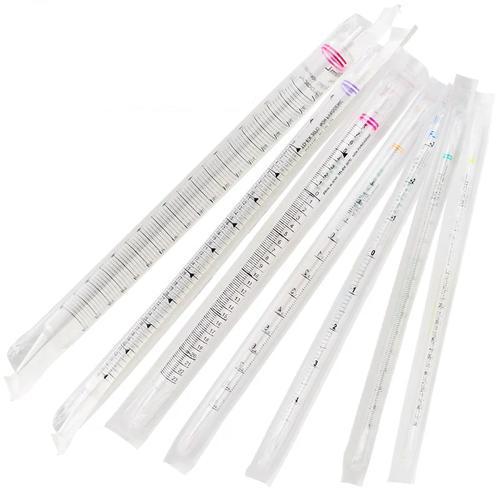
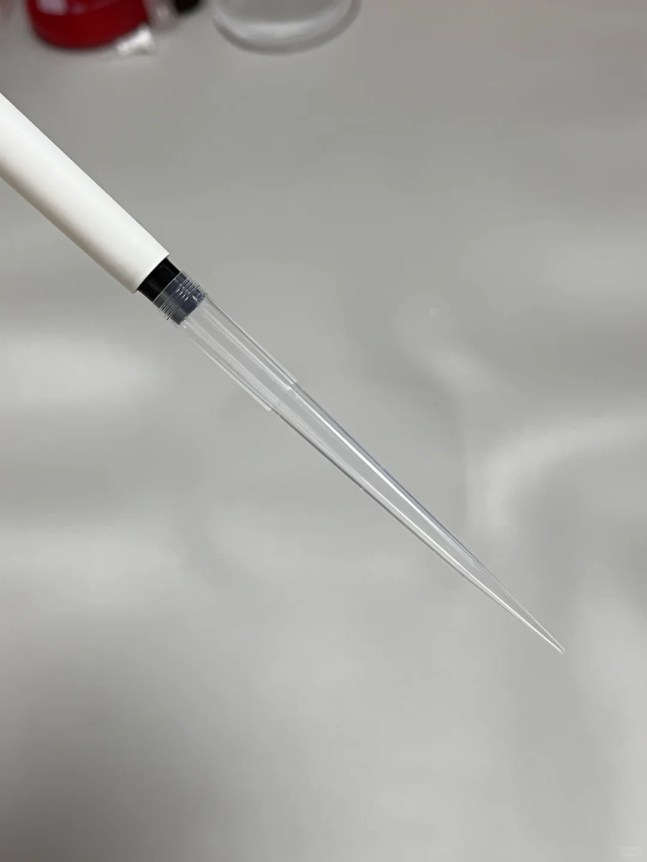
These pipettes are made for professionals who need reliable tools. They come gamma-sterilized and disposable to prevent contamination. With color-coded rings and compatibility with various controllers, they are the top choice for scientific measurements.
Key Takeaways
- 50 ml pipettes provide exceptional accuracy for scientific research
- Gamma-sterilized and disposable options ensure experimental integrity
- Versatile applications in multiple scientific disciplines
- Features include color-coded identification and contamination prevention
- Precision measurements critical for research success
Introduction to 50 ml Pipettes
Volumetric pipettes are key in scientific labs for precise liquid handling. They help researchers move exact amounts of liquid with high accuracy. This is crucial for many scientific fields.
Today’s labs use advanced pipetting tech for reliable results. The 50 ml pipette is at the top for liquid transfer. It meets the toughest scientific needs.
Understanding the Importance of Pipettes in Laboratories
Liquid handling is vital in science, needing high accuracy and trustworthiness. Pipettes help researchers:
- Measure exact liquid amounts
- Reduce contamination risks
- Get consistent results
- Follow complex scientific steps
Key Features of a 50 ml Pipette
50 ml pipettes have key features that make them essential in labs:
| Feature | Specification |
|---|---|
| Nominal Volume | 50 mL |
| Graduations | 1 mL increments |
| Material | USP Class VI Polystyrene |
| Sterilization Method | Gamma-sterilized |
| Accuracy | ±2% |
The 50 ml pipette is top-notch for critical liquid handling tasks in cell culture, molecular biology, and microbiology. It has advanced features like color-coded rings and individual sterile packaging. These help improve performance and lower contamination risks.
Applications of 50 ml Pipettes in the Laboratory
Serological pipettes are key tools in many scientific fields. They help researchers move liquids with great accuracy. These tools are essential for detailed studies in chemistry and biology.
Use in Chemical Analysis
In chemistry, 50 ml pipettes are vital for making standard solutions and precise dilutions. Scientists use them to:
- Make accurate chemical mixes
- Move liquids between containers
- Do detailed volume checks
- Keep experiments consistent
Importance in Biological Research
In biology, pipettes are crucial for many tasks. They are used for:
- Setting up cell cultures
- Distributing samples
- Working with sensitive cell suspensions
- Keeping experiments clean and safe
Role in Pharmaceutical Development
Pharmaceutical scientists use 50 ml pipettes a lot in drug making. Precise liquid handling is key for:
- Mixing drugs
- Testing quality
- Diluting compounds
- Standardizing experiments
| Application Area | Primary Use | Key Characteristics |
|---|---|---|
| Chemical Analysis | Solution Preparation | High Precision Measurements |
| Biological Research | Cell Culture | Sterile Liquid Transfer |
| Pharmaceutical Development | Drug Formulation | Consistent Volume Control |
Types of 50 ml Pipettes Available
Laboratory professionals use different types of transfer pipettes and micropipettes for precise liquid handling. Each 50 ml pipette type has unique features for specific scientific needs.
Scientists have many pipette options to fit their research needs. The main types of 50 ml pipettes are:
- Graduated Pipettes
- Serological Pipettes
- Disposable Pipettes
Graduated Pipettes
Graduated pipettes offer versatile volume measurement. They have clear markings for multiple volume readings. This makes them great for precise measurements in various applications.
Serological Pipettes
Serological micropipettes are perfect for single-volume transfers with high accuracy. They are essential in cell culture, molecular biology, and microbiology research.
| Pipette Type | Key Features | Primary Applications |
|---|---|---|
| Graduated Pipettes | Multiple volume measurements | General laboratory work |
| Serological Pipettes | Precise single-volume transfer | Cell culture research |
| Disposable Pipettes | Prevents cross-contamination | Sterile environments |
Disposable Pipettes
Disposable 50 ml pipettes are a big plus for labs wanting to avoid contamination. Made from USP Class VI polystyrene, these single-use micropipettes are free of RNase/DNase.
Choosing the right pipette depends on specific research requirements and protocol needs.
How to Choose the Right 50 ml Pipette
Choosing the right 50 ml pipette is important for lab work. Scientists need to think about several key points. These points help ensure the best pipetting technique and accurate results.
Critical Factors in Pipette Selection
When picking a 50 ml pipette, consider a few important things:
- What you need for your experiment
- The type of liquid you’ll be working with
- How often you’ll use it
- Your budget
- The lab’s protocols
Material Considerations: Glass vs. Plastic
The choice between glass and plastic pipettes matters a lot. Each has its own benefits for different lab tasks.
| Material | Advantages | Limitations |
|---|---|---|
| Glass Pipettes | Chemical resistance, can be reused | More expensive, might break |
| Plastic Pipettes | Easy to throw away, light | Not good with all chemicals |
Accuracy and Precision Metrics
Getting accurate results is key in science. Serological pipettes usually have an accuracy of ±2%. This helps make sure experiments can be repeated.
Important precision points include:
- How well it fits different volume ranges
- How often it needs to be calibrated
- How consistent its measurements are
- Its design for comfort
Researchers should pick pipettes that reduce errors. This helps make their experiments more reliable.
Proper Handling and Usage of 50 ml Pipettes
Laboratory pipettes are key for precise liquid handling in science. Learning the right techniques is crucial for accurate results and keeping experiments reliable.
Using 50 ml pipettes well needs focus and careful steps. Scientists must learn specific skills to get the most out of these important tools.
Best Practices for Filling and Dispensing
Effective liquid handling includes several important steps:
- Hold the pipette vertically for accurate volume measurement
- Keep plunger pressure steady during dispensing
- Read measurements at the bottom of the liquid meniscus
- Use smooth, controlled movements when aspirating and dispensing
*Precision in pipetting is the cornerstone of reliable scientific research.*
Techniques for Avoiding Contamination
Keeping things clean is vital in labs. Researchers should follow these key practices:
- Always use fresh, sterile pipette tips
- Clean work surfaces before and after use
- Wear the right personal protective equipment
- Avoid touching the pipette tip to any surface
Some interesting facts about pipettes show their importance. Serological pipettes can measure from 0.1 ml to 50 ml, with great accuracy. About 80% of labs use them in cell culture, showing their crucial role in science.
Using the right technique ensures all liquid is transferred. Experts say to blow out the last drop for the best volume precision. By following these tips, researchers can keep their liquid handling at the highest level.
Maintenance and Care for 50 ml Pipettes
Keeping lab equipment, like volumetric pipettes, in good shape is key for accurate science. Labs need well-maintained pipettes for consistent results.
To keep 50 ml pipettes working well, you need a plan for cleaning, storing, and checking them. It’s important to care for these tools to keep them useful.
Essential Cleaning Procedures
Cleaning pipettes regularly is a must. Here’s what experts suggest:
- Daily surface disinfection using 70% ethanol
- Deep cleaning of pipette lower parts every three months
- Use of appropriate disinfectants like sodium hypochlorite (0.5-3% concentration)
- Wear protective gloves during cleaning to prevent contamination
Strategic Storage Guidelines
Storing pipettes right is important for their quality:
- Store pipettes in an upright position
- Keep away from direct sunlight and heat sources
- Maintain consistent temperature environments
- Avoid extreme temperature fluctuations
Lifespan and Replacement Indicators
It’s important to watch how your pipettes are doing. Look out for these signs:
- Annual calibration checks
- Noticeable accuracy deviations
- Visible wear on seals or moving parts
- Manufacturer-recommended service intervals
“Precision in maintenance directly correlates with precision in scientific measurement.” – Laboratory Quality Management Handbook
By following these care tips, your lab equipment will stay in top shape. This helps with reliable and consistent scientific research.
Innovations in Pipette Technology
The world of liquid handling has changed a lot with new micropipette tech. Now, science gets better thanks to tech that makes things more precise, efficient, and comfy in labs.
Labs are seeing big changes in pipette design. Electronic and digital micropipettes are changing the game. They give scientists more control and accuracy than ever before.
Electro-Pneumatic Pipettes: Precision Redefined
Electro-pneumatic pipettes are a big step up in lab tools. They bring many benefits:
- Less tiredness from doing the same thing over and over
- More precise for tiny liquid moves
- Can set volume in advance
- Designed to be easy on your body
“Technology is changing how scientists use lab tools, making it easier to handle liquids precisely.” – Laboratory Technology Insights
Digital vs. Manual Pipettes: A Comparative Overview
Now, scientists have more choices for handling liquids. Digital pipettes have cool features like:
- Exact volume settings
- Can adjust volume with a click
- Tracks data
- Is easier on your body
Manual pipettes are still good for certain tasks. They’re simple and reliable in traditional lab work.
The micropipette tech keeps getting better. It promises even more precision and efficiency for scientists in their work.
Safety Considerations When Using 50 ml Pipettes
Laboratory safety is crucial when using 50 ml pipettes. Researchers need to know the key safety rules. This helps protect them and keeps experiments safe.
Using laboratory pipettes requires careful safety steps. Scientists must follow strict protocols. This helps avoid risks when working with different liquids and chemicals.
Personal Protective Equipment (PPE)
Wearing the right personal protective equipment is key. Researchers should use:
- Protective laboratory gloves
- Safety goggles with side shields
- Lab coat or protective apron
- Closed-toe shoes
Chemical Resistance and Material Selection
Choosing the right lab equipment is important. It depends on chemical resistance and material compatibility. Different pipettes are made for different substances:
- Glass pipettes: Good for most chemical solutions
- Plastic pipettes: Best for corrosive or radioactive materials
- Specialized coatings: Better for aggressive chemicals
Studies show that proper pipette use can cut contamination risks by up to 70%. Labs should follow strict rules for:
- Regular equipment checks
- Proper sterilization
- Accurate calibration
- Safe disposal
Safety in labs starts with knowing and respecting the risks of scientific tools.
Experts working with lab tools must focus on safety. This includes training, keeping equipment in good shape, and following scientific rules.
Cost-effectiveness of Using 50 ml Pipettes
Laboratory research needs precision and to save money. The right pipette choice affects both results and budget. It’s important to think about disposable versus reusable tips.
Scientists know that transfer pipettes are key for accurate experiments. Different pipettes offer ways to save money in labs.
Comparing Disposable and Reusable Pipette Options
- Disposable pipette tips lower cross-contamination risks
- Reusable glass pipettes last a long time
- Plastic serological pipettes are affordable
Long-term Savings in Laboratory Supplies
When choosing pipettes, consider a few things:
- The cost of buying them first
- How much they cost to maintain
- How often you need to replace them
- What sterilization needs they have
Pre-sterilized disposable tips save on cleaning and sterilization costs. Labs doing lots of tests find disposables cheaper.
Precision in handling liquids is linked to research quality and reliability.
Choosing the right pipette tips can save a lot of money over time. Things like how long they last, sterilization needs, and how they fit into your workflow matter.
Conclusion: The Value of 50 ml Pipettes in Scientific Research
Scientific research needs precise liquid handling. The 50 ml pipette is a key tool in today’s labs. It has changed how we do experiments, making sure we get the same results every time.
The 50 ml pipette’s story shows big steps in science tools. These pipettes have made research better by losing less sample and cutting down on contamination by up to 15%.
Key Research Contributions
- Provides consistent volume delivery with 80% user-friendly operation
- Reduces experimental variability through precise pipetting technique
- Supports high-throughput screening in molecular biology
Future Manufacturing Trends
New pipette tech is all about getting better at what it does. Makers are working on 50 ml pipettes that are easier to use, more accurate, and made with better materials.
| Pipette Type | Usage Percentage | Primary Application |
|---|---|---|
| Single Channel Mechanical | 60% | Molecular Biology |
| Multichannel | 25% | High-Throughput Screening |
| Fixed Volume | 40% | Sample Preparation |
The 50 ml pipette is getting even better for science. It’s making research more precise, efficient, and easy for scientists all over the world.
FAQs About 50 ml Pipettes
Scientists and researchers often have questions about serological pipettes. They want to know how to use them best in labs. The 50 ml pipette is key in many fields, like molecular biology and chemical analysis.
They ask about handling these precise tools and common issues. Choosing the right pipette for the job is crucial. Sterile disposable ones are best for cell culture, while glass ones might be better for chemicals.
Getting accurate results means paying attention to a few things. Always draw liquid above the mark and adjust to the exact amount needed. When pouring, make sure all liquid is out of the tip for exact volume transfer.
Lab safety is also important. There are rules for disposing of disposable pipettes and cleaning glass ones. This keeps the work area safe and clean.
Fixing pipette problems means knowing about contamination and mechanical issues. High-quality pipettes have a special plug to prevent contamination. Clear markings on the pipette help avoid mistakes in important scientific work.
FAQ
What is the primary difference between a 50 ml serological pipette and a graduated pipette?
A serological pipette is for precise single-volume transfers. It has a continuous gradient. On the other hand, graduated pipettes measure multiple volumes along their length. Serological pipettes are more accurate and often used in cell culture and precise liquid handling.
How often should 50 ml pipettes be calibrated to maintain accuracy?
Professional labs suggest calibrating 50 ml pipettes annually or semi-annually. This depends on how often they are used and the manufacturer’s guidelines. The frequency can change based on the type of liquids handled and the environment.
What are the key considerations when choosing between glass and plastic 50 ml pipettes?
Glass pipettes are great for most solvents because of their chemical resistance. Plastic pipettes are lighter, easier to use, and less likely to break. Your choice should match your lab’s needs, chemical requirements, and budget.
How can researchers prevent cross-contamination when using 50 ml pipettes?
To avoid cross-contamination, use disposable sterile tips and change them between samples. Keep your work area clean and follow proper lab techniques. Using dedicated pipettes for different samples also helps reduce contamination risks.
What personal protective equipment (PPE) is recommended when working with 50 ml pipettes?
Wear gloves, safety glasses, and a lab coat as basic PPE. For hazardous materials, add chemical-resistant gloves, face shields, or specialized clothing. The specific PPE needed depends on the lab’s protocols and chemical risks.
How do digital pipettes differ from traditional manual 50 ml pipettes?
Digital pipettes offer precise volume control and reduce fatigue. They have electronic settings and better ergonomics. This makes them more consistent and easier to use than manual pipettes.
What are the best practices for storing 50 ml pipettes?
Store pipettes vertically in a clean, dry area away from sunlight and extreme temperatures. Use dedicated stands and avoid corrosive chemicals. Ensure they are dry before storage to prevent damage or contamination.
How can researchers troubleshoot inconsistent volume delivery with 50 ml pipettes?
First, check if the pipette is calibrated correctly. Look for damaged tips and ensure proper technique. If issues continue, consult the manufacturer or seek professional calibration.




Leave a Comment
Your email address will not be published. Required fields are marked *