


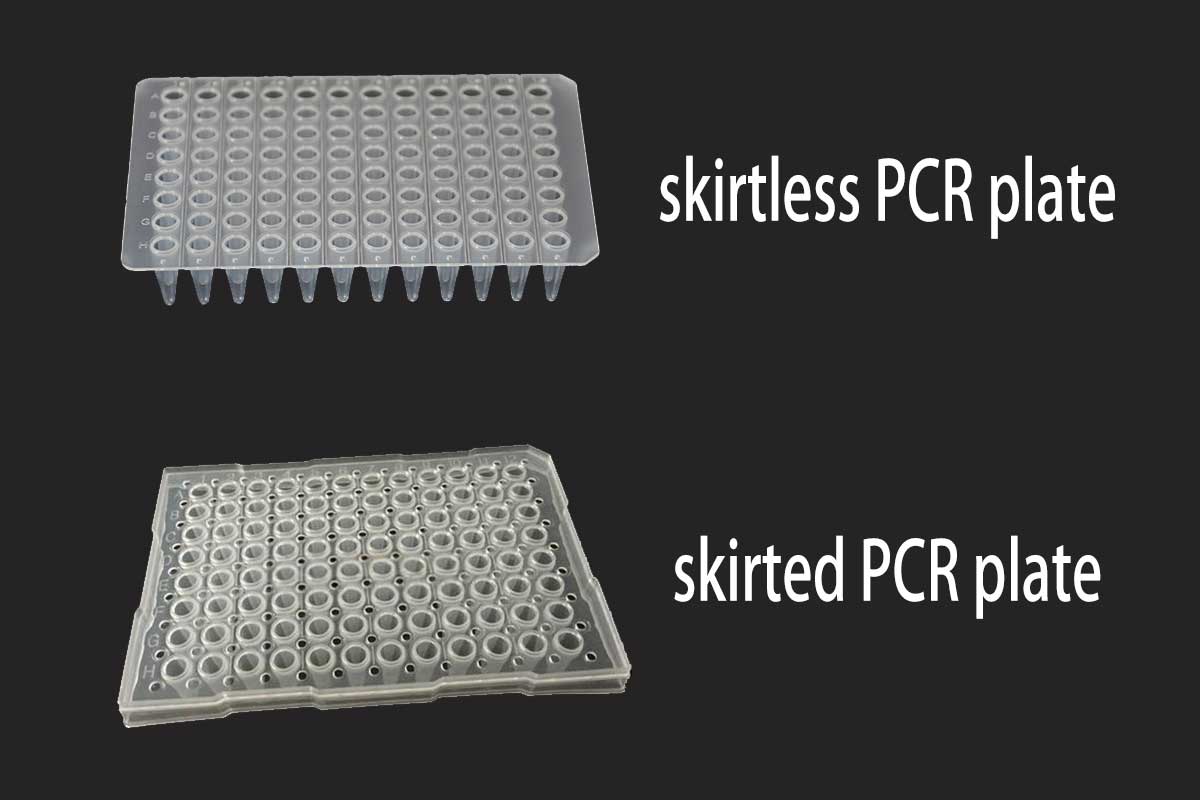
Are you having trouble deciding between skirted and non-skirted PCR plates for your lab work? The world of molecular biology supplies can be overwhelming. With so many PCR plastic options available, it’s hard to make a choice.
Choosing the right PCR plate is key for good genetic analysis and molecular biology experiments. The 96-well format is common in high-throughput research. Skirted and non-skirted PCR plates have their own benefits for different lab setups.
Knowing the differences between skirted and non-skirted PCR plates can greatly affect your results. Each type has its own advantages. These can improve how you handle samples, the performance of thermal cycling, and your overall research efficiency.
Key Takeaways
- PCR plate selection impacts experimental success and efficiency
- Skirted vs non-skirted PCR plates have distinct performance characteristics
- Plate design influences thermal stability and sample handling
- Choosing the right plate depends on specific laboratory requirements
- Consider thermal cycler compatibility when selecting PCR plates
Understanding PCR Plates: Overview of Types
Polymerase chain reaction (PCR) plates are key in molecular biology. They help in DNA amplification. These vessels come in different shapes, each for a specific need.
PCR plates are vital in genetic studies. They help scientists copy and study DNA with great accuracy. Knowing the types of PCR plates is essential for good results.
Defining PCR Plate Characteristics
PCR plates usually have standard sizes, like:
- 96-well configurations
- 384-well configurations
- 1,536-well configurations
There are skirted and non-skirted PCR plates, each with its own benefits. They affect how well the plate works with heat, handling samples, and fitting with instruments.
Critical Selection Considerations
Choosing the right PCR plate involves looking at several things:
- How much sample you need
- The heat cycle settings
- If it fits with your equipment
- How well it keeps samples safe
Researchers need to think about the skirted and non-skirted designs carefully. The right plate can greatly improve your research’s quality and efficiency.
Precision in PCR plate selection is paramount to successful molecular biology research.
Each plate type has its own advantages. Skirted plates are stable, while non-skirted ones are flexible. Knowing these differences helps scientists choose the best plate for their research.
Key Features of Skirted PCR Plates
Skirted PCR plates are a big step forward in molecular biology. They have special designs that make experiments more precise and reliable.
These plates do more than just look good. They help researchers get consistent, high-quality results in their molecular studies.
Design and Structural Integrity
Skirted PCR plates have a strong polycarbonate frame. This makes them very durable. The skirted design offers many benefits, including:
- Enhanced thermal stability during cycling processes
- Reduced risk of sample contamination
- Improved compatibility with automated laboratory systems
- Superior plate rigidity preventing warping
Advantages of Using Skirted Plates
Lab professionals love skirted PCR plates for many reasons. Full skirt designs provide maximum structural support. This is key in busy labs.
Those doing quantitative PCR (qPCR) find skirted plates great. They offer better thermal contact and stability. This leads to more consistent results and less variation between wells.
Skirted PCR plates also work well with automated systems. Their strong frame makes them easy to use with robots. This cuts down on manual mistakes and saves time.
Key Features of Non Skirted PCR Plates
Non-skirted PCR plates are a great choice for labs looking for flexible designs. They are pcr plates without skirt, perfect for many research needs.
The design of non-skirted PCR plates is very adaptable. They work well with many lab tools. Their key features are:
- Lightweight and compact structure
- Maximum compatibility with multiple thermal cyclers
- Enhanced flexibility for specialized experimental setups
Design Characteristics
Non-skirted PCR plates are made with precision. They have a simple design that fits well with different lab tools. Their design helps researchers use their space better.
Benefits of Non Skirted PCR Plates
Labs like non-skirted PCR plates for many reasons:
- They work with more lab tools
- They cost less to make
- They are easy to handle for experts
Teams doing different kinds of research find these plates very useful. They need extra support but are super flexible for complex studies.
Non-skirted PCR plates fit blocks of most thermal cyclers and real-time PCR instruments, making them a preferred choice for versatile laboratory workflows.
Applications and Usage in Laboratories
Choosing the right PCR plate is key for successful molecular biology experiments. The decision between skirted and non skirted PCR plates depends on the lab’s needs and experimental protocols.
Laboratory professionals face various scenarios that need different PCR plate setups. Knowing the unique traits of skirted and non skirted plates is crucial for better research workflows.
Specific Use Cases for Skirted Plates
Skirted PCR plates are great for high-throughput environments. They bring big pcr plate skirt benefits for complex research:
- Automated liquid handling systems
- Genomics research needing precise sample management
- Robotic workflow integration
- Large-scale screening projects
Use Cases for Non Skirted Plates
Non skirted PCR plates are best for certain lab applications needing manual handling and flexibility:
- Small-scale experimental setups
- Manual pipetting techniques
- Limited automation environments
- Individual researcher-driven projects
Labs must carefully consider their needs when picking between skirted and non skirted PCR plates. The right choice can greatly improve experimental efficiency and data quality.
Performance Comparison: Skirted vs Non Skirted
Laboratory experts often compare skirted and non skirted PCR plates. They do this to improve their molecular biology work. Knowing the differences between these plates is key for getting good results.
Choosing the right PCR plate is crucial for success. Each type has its own benefits for thermal performance and handling samples.
Thermal Performance Analysis
Thermal uniformity is vital for PCR plate performance. Skirted PCR plates stand out because of their strong design:
- They transfer heat well
- Keep temperatures even in all wells
- Are strong for use with machines
Sample Handling and Manipulation
Skirted PCR plates shine when it comes to handling samples. Their solid build offers several benefits:
- They help avoid contamination
- Work well with machines
- Seal better
| Plate Type | Thermal Stability | Automation Compatibility | Sample Protection |
|---|---|---|---|
| Skirted PCR Plates | Excellent | High | Superior |
| Non-Skirted PCR Plates | Good | Limited | Moderate |
Researchers must think about their specific needs when picking between skirted and non-skirted PCR plates. The right choice depends on things like the thermal cycler, sample size, and if they need automation.
Compatibility with Laboratory Equipment
Choosing the right PCR plates is key for lab success. The right plate fits with lab equipment, making experiments work well. This choice is very important for scientists.
Skirted and non-skirted PCR plates work differently with lab tools. Each tool, like thermal cyclers and sequencers, needs a specific plate type to work best.
Skirted Plate Compatibility Considerations
Skirted PCR plates have big advantages:
- They stay stable during use
- Work well with automated systems
- Have better space for labels and barcodes
Non-Skirted Plate Compatibility Features
Non-skirted plates have their own benefits:
- They fit well with thermal cycler blocks
- Offer flexible sizes
- Are easy to use in small instruments
| Instrument Type | Skirted Plate Compatibility | Non-Skirted Plate Compatibility |
|---|---|---|
| ABI GeneAmp 9700 | Full compatibility | Excellent support |
| Bio-Rad CFX96 | Limited compatibility | High adaptability |
| Eppendorf Mastercycler | Robust integration | Multiple profile options |
Choosing the right PCR plate is crucial for accurate results and the best use of lab tools.
Scientists need to think about their lab tools when picking PCR plates. Looking at what the makers say and testing plates first can avoid problems in experiments.
Best Practices for Using PCR Plates
Handling and storing PCR plates right is key to good research. It’s important to know the needs of skirted and non-skirted PCR plates. This ensures they work their best.
Essential Handling Techniques
Good PCR results come from careful plate handling. Important steps include:
- Always use clean, sterile techniques when manipulating plates
- Avoid touching the bottom of wells to prevent contamination
- Store plates in protective containers when not in use
- Handle plates with care to prevent warping or damage
Storage Recommendations
How you store PCR plates affects their performance. For both skirted and non-skirted plates, follow these tips:
- Keep plates in a cool, dry environment
- Protect from direct sunlight
- Maintain consistent temperature
- Use dust-free storage containers
Sealing and Sample Loading Protocols
Sealing plates right stops evaporation and contamination. Different plates need different sealing methods:
- Skirted PCR plates: Use pressure-sensitive adhesive seals
- Non-skirted PCR plates: Employ heat-seal methods for secure closure
- Always remove air bubbles before sealing
- Verify seal integrity before thermal cycling
Quality Control Considerations
Quality checks are vital for reliable results. Look for:
- Uniform well depth
- No visible manufacturing defects
- Compatibility with specific laboratory equipment
- Proper material composition
Cost-Effectiveness and Budget Considerations
Laboratories must make smart choices when picking PCR plates. They need to find a balance between cost and performance. This means looking at both skirted and non-skirted PCR plates.
Looking at the cost of skirted PCR plates needs a detailed view. At first, they might seem pricier. But, they can save money in the long run.
Assessing the Value of Skirted Plates
Skirted PCR plates have many benefits for labs:
- They stay stable during fast processing
- They cut down on mistakes in experiments
- They work well with automated systems
- They help keep samples safe during handling
In labs that do lots of tests and repeat them often, skirted plates shine. They can cut down on the amount of chemicals needed by half. This saves a lot of money.
Evaluating Non Skirted Options
Non-skirted PCR plates are cheaper upfront. They might be a good choice for labs watching their budget. Pcr plate skirt drawbacks include issues with automation and more chance of contamination.
Choosing the right plates means looking at a few things:
- How much work you do
- If your equipment fits
- What your research needs
- How efficient you want to be
By picking the right PCR plates, labs can save a lot. They might save up to 70% on each sample’s cost.
Future Trends in PCR Plate Design
The world of PCR plate technology is always changing. New research and lab needs drive these changes. Scientists and makers are exploring skirted vs non skirted PCR plates to solve big problems in molecular science.
- Enhanced thermal conductivity for more precise temperature control
- Advanced materials to reduce sample evaporation
- Improved compatibility with automated laboratory systems
- Optimized well design for better sample integrity
Innovations in Skirted Plates
Skirted PCR plates are getting a lot of tech upgrades. Researchers are working on pcr plate skirt benefits like:
- Nano-engineered skirt materials for better thermal performance
- Modular skirt designs for easier robotic handling
- Integrated sealing mechanisms to stop contamination
Advancements in Non Skirted Technology
Non skirted PCR plates are also seeing big tech leaps. New trends include:
- Precision-molded wells for better sample consistency
- Ultra-thin wall designs for faster heat transfer
- Chemical-resistant polymers for a wider range of uses
“The future of PCR plate design lies in creating more adaptable, efficient, and precise solutions for molecular research,” says Dr. Elena Rodriguez, leading biotechnology researcher.
Labs are asking for better performance and flexibility. So, makers are pouring a lot of money into research. They’re working on the next big thing in PCR plates to meet the toughest scientific needs.
Conclusion: Making the Right Choice
Choosing the right PCR plate is key to success in the lab. It’s important to think about several things when deciding between skirted and non skirted plates. You need to consider what your experiment needs, what equipment you have, and how your workflow works.
Knowing the differences between skirted and non skirted PCR plates can help improve your work. Factors like sample size, temperature control, and keeping samples safe are important. Studies show that picking the right plate can make your work up to 50% faster and cut down on mistakes.
The main goal is to get the best results while keeping things efficient and reliable. High-quality plates that keep temperatures even and protect samples well are essential. Look for plates that prevent evaporation, reduce contamination risks, and fit well with your lab equipment.
By carefully looking at what you need and understanding the differences between plate types, you can choose better PCR supplies. This choice is not just about the tools you use. It’s about making scientific discoveries with the best, most reliable tools available.
FAQ
What is the primary difference between skirted and non-skirted PCR plates?
Skirted PCR plates have a border around the whole plate. This adds stability and works well with automated systems. Non-skirted plates are lighter and fit some thermal cyclers better.
How do I choose between a skirted and non-skirted PCR plate for my experiment?
Choose based on your lab equipment, experiment size, and automation needs. Skirted plates are great for big, automated setups. Non-skirted plates are better for small labs or simple experiments.
Are skirted PCR plates more expensive than non-skirted options?
Yes, skirted plates cost a bit more. But they offer better handling and fit with automated systems. This can be worth the extra cost for many labs.
Can I use skirted and non-skirted PCR plates interchangeably?
Not always. Check if your lab equipment works with both types. Some systems only work with one. Always check the manufacturer’s advice.
What are the primary advantages of skirted PCR plates?
Skirted plates have many benefits. They are stable, reduce contamination, and work well with automated systems. They also transfer heat better and are easier to handle in big labs.
Are there any specific disadvantages to using skirted PCR plates?
Yes, skirted plates have some downsides. They cost more, are heavier, and might not fit older machines. They also need special storage and can lead to more plastic waste.
How do I properly seal skirted and non-skirted PCR plates?
Sealing methods vary. Skirted plates use heat-sealing films or adhesive seals. Non-skirted plates need precise sealing. Always use the right materials and follow the manufacturer’s advice to keep samples safe.
What materials are typically used in manufacturing PCR plates?
PCR plates are made from high-quality plastics like polypropylene. These plastics are good at conducting heat, resisting chemicals, and don’t interfere with light. The exact material can change based on the manufacturer and the plate’s use.
Leo Bios
Hello, I’m Leo Bios. As an assistant lecturer, I teach cellular and
molecular biology to undergraduates at a regional US Midwest university. I started as a research tech in
a biotech startup over a decade ago, working on molecular diagnostic tools. This practical experience
fuels my teaching and writing, keeping me engaged in biology’s evolution.




Leave a Comment
Your email address will not be published. Required fields are marked *