



Have you ever wondered what silent tool revolutionizes precision in biological research without shattering like traditional glass equipment?
Plastic pasteur pipettes are a big deal in lab supplies. They change the game in scientific research. These tools help scientists move liquids with great care in many fields.
Disposable plastic pasteur pipettes are a game-changer in labs. They are light, easy to use, and keep things clean. This is a big plus over old glass tools.
These pipettes are key for cell culture and molecular biology. They help scientists do their work with great care and speed. Their design makes it easier to get accurate results.
Key Takeaways
- Plastic pasteur pipettes provide superior precision in liquid handling
- Disposable design reduces cross-contamination risks
- Lightweight and easy to use in laboratory environments
- Compatible with multiple research applications
- Cost-effective alternative to traditional glass pipettes
Overview of Plastic Pasteur Pipettes
Plastic Pasteur pipettes have changed how we handle liquids in science. They give researchers a reliable tool for moving samples with great care. These disposable pipettes are key in labs, making work easier and more accurate.
Definition and Purpose
A transfer pipette is a special tool for moving small amounts of liquid with high precision. Made of flexible plastic, it helps scientists work with samples smoothly.
- Primary function: Liquid transfer in scientific research
- Material: Low-density polyethylene
- Versatility: Suitable for multiple laboratory applications
Importance in Laboratory Settings
Disposable pipettes do more than just move liquids. They help keep samples safe and prevent contamination.
| Specification | Range/Details |
|---|---|
| Length | 63mm to 230mm |
| Bulb Capacity | 0.9 mL to 10 mL |
| Graduation Intervals | 0.25 mL, 0.5 mL, 1 mL |
| Drop Volume | 18-65 drops/mL |
Scientists love plastic Pasteur pipettes for their flexibility and low chance of breaking. These tools are a big step forward in lab tech. They make research in biology, medicine, and chemistry more precise and efficient.
Types of Plastic Pasteur Pipettes
Plastic Pasteur pipettes are key tools in labs, offering both versatility and precision. They are used for many scientific tasks. Different types of serological pipettes are chosen based on the experiment’s needs.
There are many designs of polystyrene pipettes, each for a specific research purpose. Knowing about these designs helps lab workers pick the right tool for their tasks.
Standard vs. Graduated Pipettes
Plastic Pasteur pipettes have two main designs:
- Standard Pipettes: Have smooth walls without volume marks
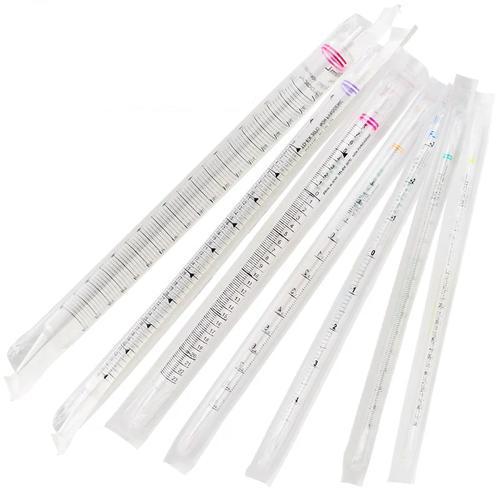
- Graduated Pipettes: Show precise volume measurements on the shaft
Graduated serological pipettes help with accurate volume measurements. They make it easy to read volumes without extra tools.
Disposable vs. Reusable Options
Lab workers have two main pipette choices:
- Disposable Polystyrene Pipettes
- Meant for one-time use
- Less risk of contamination
- Best for delicate experiments
- Reusable Pipettes
- For repeated use
- Need to be cleaned well each time
- Cost-effective for ongoing research
These pipettes can work with aspirating bulbs or vacuum systems. This makes them useful in various lab settings.
Applications in Biological Research
Plastic Pasteur pipettes are key in advanced biological research. They help with precise liquid handling and sample manipulation. Scientists use them in many fields, from molecular biology to cell culture.
Researchers need sterilized pipettes to keep their experiments clean and free from contamination. These tools help transfer liquids accurately, reducing the chance of sample damage.
Use in Cell Culture
Cell culture research needs high precision. A calibrated pipette is crucial for these tasks. It ensures:
- Precise cell suspension transfers
- Accurate media dispensing
- Controlled experimental conditions
- Minimized cellular stress during manipulation
Role in Molecular Biology Experiments
Molecular biology experiments require careful liquid handling. Sterilized pipettes are vital for tasks like:
- DNA and RNA isolation
- PCR sample preparation
- Gel electrophoresis procedures
- Enzyme reaction setup
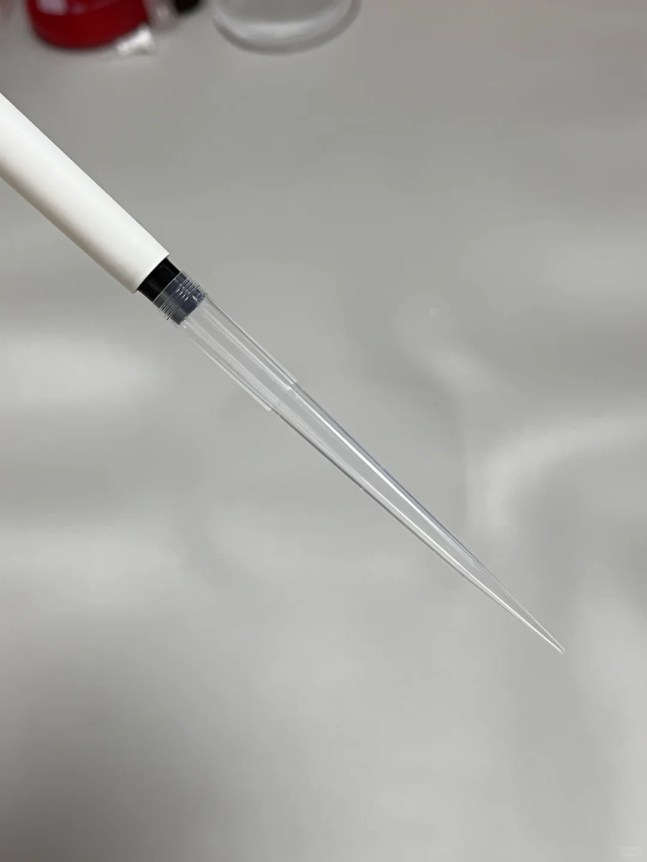
The conical shape of Pasteur pipettes makes accurate dosing of reaction mixture ingredients possible. This is key for controlling amounts and proportions in research.
Advantages of Using Plastic Pasteur Pipettes
Plastic Pasteur pipettes have changed lab work with their design and benefits. They are better than glass pipettes, making lab work easier and more flexible.
Lab workers love plastic Pasteur pipettes for their special features. They are not as fragile as glass pipettes and offer many advantages:
- Lightweight construction reduces hand fatigue during extended use
- Enhanced durability minimizes breakage risks
- Cost-effective disposable option
- Transparent material allows precise liquid visualization
Lightweight and Easy to Handle
Plastic Pasteur pipettes are designed for comfort. They are made of lightweight materials. This makes them easy to use without straining your hands.
Reduced Risk of Breakage
Safety is key in labs, and plastic pipettes help a lot. They are flexible and can handle minor bumps. This makes them safer than glass pipettes.
| Feature | Plastic Pasteur Pipette | Glass Pipette |
|---|---|---|
| Durability | High | Low |
| Weight | Lightweight | Heavier |
| Breakage Risk | Minimal | High |
These pipettes have features like 295 mm total length and 1 ml graduation intervals. They are perfect for everyday lab tasks. They are also affordable and meet international standards, making them essential for research.
Safety Considerations for Laboratory Use
Working with plastic Pasteur pipettes needs careful safety steps in labs. It’s key to know how to handle them right to avoid contamination and get precise results.
Laboratory pipettes need careful handling to keep research safe and accurate. Scientists must follow strict safety rules when using these important tools.
Best Practices for Handling
- Always check plastic Pasteur pipettes for damage before use
- Wear the right personal protective equipment (PPE)
- Use gentle, controlled movements when pipetting
- Avoid too much pressure to prevent breakage
- Clean hands and surfaces before using pipettes
Proper Disposal Methods
It’s important to dispose of plastic Pasteur pipettes correctly. This keeps labs safe and protects the environment.
| Disposal Category | Recommended Method | Safety Considerations |
|---|---|---|
| Uncontaminated Pipettes | Regular laboratory waste | Keep separate from biohazardous materials |
| Contaminated Pipettes | Biohazard container | Use sealed, labeled containers |
| Chemical-exposed Pipettes | Specialized chemical waste disposal | Follow institutional hazardous waste protocols |
Researchers should focus on safety by following strict handling and disposal rules for plastic Pasteur pipettes. Getting proper training and sticking to guidelines is crucial for safety in labs.
Choosing the Right Pasteur Pipette
Choosing the right disposable pipette for lab work is important. Scientists need to think about what they need for their research. They must look at several factors to make sure they can transfer liquids accurately in their experiments.
When picking a transfer pipette, researchers should consider a few key things:
- Volume requirements
- Liquid viscosity
- Sterility needs
- Compatibility with experimental protocols
Essential Specifications to Evaluate
Pasteur pipettes have different features that affect how well they work. Important details include:
- Length: Ranges from 36mm to 300mm for different vessel types
- Drop volume accuracy: Typically ±10% of stated specification
- Transfer capacity: Up to 2.5 milliliters for standard disposable pipettes
Specialized Design Considerations
Lab experts should think about their specific needs. Some disposable pipettes have special features like graduated markings for exact volume measurement. Pipettes made to ISO 13485 and FDA standards are more reliable for important research.
Precision in pipette selection can significantly impact experimental outcomes and data integrity.
High-quality disposable pipettes ensure consistent results in many scientific fields. This lets researchers do their work with confidence, knowing they can handle liquids accurately.
Care and Maintenance of Plastic Pasteur Pipettes
Keeping serological and polystyrene pipettes in good shape is key. Researchers need to follow certain steps to keep these tools working well. This ensures the accuracy and quality of lab work.
Cleaning Guidelines for Laboratory Pipettes
Cleaning methods depend on the liquid and contaminants. Here are some tips for keeping pipettes clean:
- For water solutions: Rinse with distilled water and air dry
- When dealing with acids/alkalis: Clean the tip cone often
- For organic solvents: Soak in detergent, then rinse well
- Radioactive solutions: Use strong detergent and rinse with lots of water
Advanced Decontamination Techniques
Some contaminants need special cleaning:
- To remove DNA: Soak in 3% sodium hypochlorite for 15 minutes
- To get rid of RNase: Clean with detergent, rinse, and soak in hydrogen peroxide
- To destroy DNase: Autoclave at 121°C for 15 minutes
Regular upkeep is crucial for the best performance and accuracy of polystyrene pipettes.
Storage Recommendations
Storing pipettes right is important:
| Storage Condition | Recommended Practice |
|---|---|
| Temperature | Keep at a steady room temperature |
| Humidity | Store in a dry place |
| Position | Store upright to avoid tip damage |
Regular care, like biannual professional checks, keeps pipettes working well and lasts longer.
Environmental Impact of Plastic Pasteur Pipettes
Scientific labs are under pressure to reduce their environmental impact. The use of disposable lab tools, like sterilized pipettes, is a big concern. This has led to worries about sustainability.
The problem of plastic waste in labs is huge. Studies show labs generate a lot of waste, with plastic being a big issue. Here are some key points about the environmental impact of lab equipment:
- Refill systems for pipette tips can cut plastic use by up to 85%
- Traditional polypropylene (PP) racks can’t be recycled well
- Polyethylene Terephthalate (PET) is better for recycling
Sustainability Innovations
Scientists are working on new ways to lessen the environmental harm of calibrated pipettes. They aim to create lab supplies that are better for the planet. These solutions aim to reduce waste while keeping science standards high.
| Material | Plastic Reduction | CO2e Footprint Reduction |
|---|---|---|
| PET-based Racks | 50% Less Plastic | Up to 80% Waste Volume Reduction |
| Reusable Pasteur Pipettes | Significant Plastic Reduction | 10.6x CO2e Footprint Reduction |
Biodegradable Options
The future of lab tools is in biodegradable alternatives. Researchers are looking into materials that can break down at home. These could replace plastic pipettes without losing precision in scientific research.
By adopting these green practices, labs can greatly reduce plastic use. This doesn’t mean they have to sacrifice the quality or accuracy of their work.
Regulatory Standards and Compliance
Laboratories follow strict rules to ensure top quality and safety in their work. It’s key to stick to these guidelines to keep experiments reliable. This includes using volumetric and borosilicate pipettes correctly.
There are many important standards for lab equipment that researchers must follow:
- ISO 9001 Quality Management Systems
- ISO 13485 Medical Device Quality Management
- FDA Regulatory Requirements
- CE Certification for European Standards
Key Compliance Guidelines
Scientific places must follow detailed rules for using lab equipment. These rules help make sure measurements are accurate and materials are handled safely. This is especially true for plastic Pasteur pipettes and other lab tools.
- Annual service and calibration of pipettes
- Strict documentation of equipment performance
- Comprehensive staff training programs
- Regular risk assessments
Risk Management in Laboratory Settings
The risk of problems with pipettes is considered moderate, with a Risk Rating Number (RRN) of 2. This shows there’s a moderate chance of issues. It highlights the need for strict compliance rules.
Labs need strong systems for managing equipment. This includes cleaning, maintaining, and disposing of pipettes properly. Following these rules is not just about obeying rules. It’s about keeping science trustworthy and keeping researchers safe.
Future Trends in Pipette Technology
The world of laboratory pipettes is changing fast. New technologies are making it easier for scientists to handle liquids with precision. Modern plastic pasteur pipettes are getting better, offering more performance, being kinder to the planet, and easier to use.
Digital advancements are a big deal in pipette design. Now, devices like the Gilson Single Channel PIPETMAN M can connect to Bluetooth. This lets researchers track their work more accurately than ever before. The Oxford Benchmate E is another example, making experiments more reliable and reducing mistakes.
There’s a growing focus on making pipettes more eco-friendly. Companies like Starlab International are leading the way. They’re using recycled plastic for some parts and making packaging from recycled materials. This shows they care about the environment without sacrificing quality.
What’s coming next? Pipettes will likely be made from new materials, be easier to hold, and track data better. Scientists will soon have tools that help them work faster and more accurately. This will help them discover new things and make their work more efficient.
FAQ
What are plastic Pasteur pipettes used for in laboratory settings?
Plastic Pasteur pipettes are key in biological research. They help with precise liquid transfer and sample handling. This is crucial in cell culture, molecular biology, and PCR sample prep. They offer a clean way to move small liquid volumes, reducing contamination risk.
What are the main advantages of using plastic Pasteur pipettes over glass pipettes?
Plastic Pasteur pipettes have many benefits. They are less likely to break, lighter, and easier to handle. They also come in disposable forms, which is great for safety and avoiding cleaning needs.
Are plastic Pasteur pipettes suitable for different types of liquids?
Yes, they work well with many liquids. This includes cell cultures, media, buffers, reagents, and biological samples. It’s important to choose the right pipette for your needs based on volume and liquid type.
How do I choose between disposable and reusable plastic Pasteur pipettes?
It depends on your lab’s needs. Disposable pipettes are good for avoiding contamination and saving time. Reusable ones can save money but need cleaning and sterilization. Think about your experiment, budget, and sterility needs.
What safety precautions should be taken when using plastic Pasteur pipettes?
Safety is key. Use sterile techniques, avoid contamination, and handle them carefully. Always wear protective gear and follow disposal guidelines. This prevents spills and exposure to harmful materials.
How can I maintain the accuracy of plastic Pasteur pipettes?
Keep them clean and dry, avoid extreme temperatures, and handle them with care. For reusable ones, follow cleaning and sterilization steps. Always check for wear and damage before use.
Are there environmentally friendly alternatives to traditional plastic Pasteur pipettes?
Yes, there are. Biodegradable and recycled material pipettes are being developed. You can also reduce waste by choosing durable pipettes and recycling.
What regulatory standards apply to plastic Pasteur pipettes?
They must meet ISO, FDA, and EPA standards. These ensure quality, safety, and reliability in labs. Make sure your pipettes meet your field’s requirements.
Can plastic Pasteur pipettes be used in molecular biology experiments?
Absolutely. They are vital for DNA and RNA isolation, PCR, and gel electrophoresis. Sterile, calibrated pipettes ensure accuracy and prevent contamination.
What future innovations are expected in plastic Pasteur pipette technology?
Expect better materials, more precise markings, ergonomic designs, and digital integration. These advancements aim to make lab tools more sustainable, efficient, and user-friendly.




Leave a Comment
Your email address will not be published. Required fields are marked *