


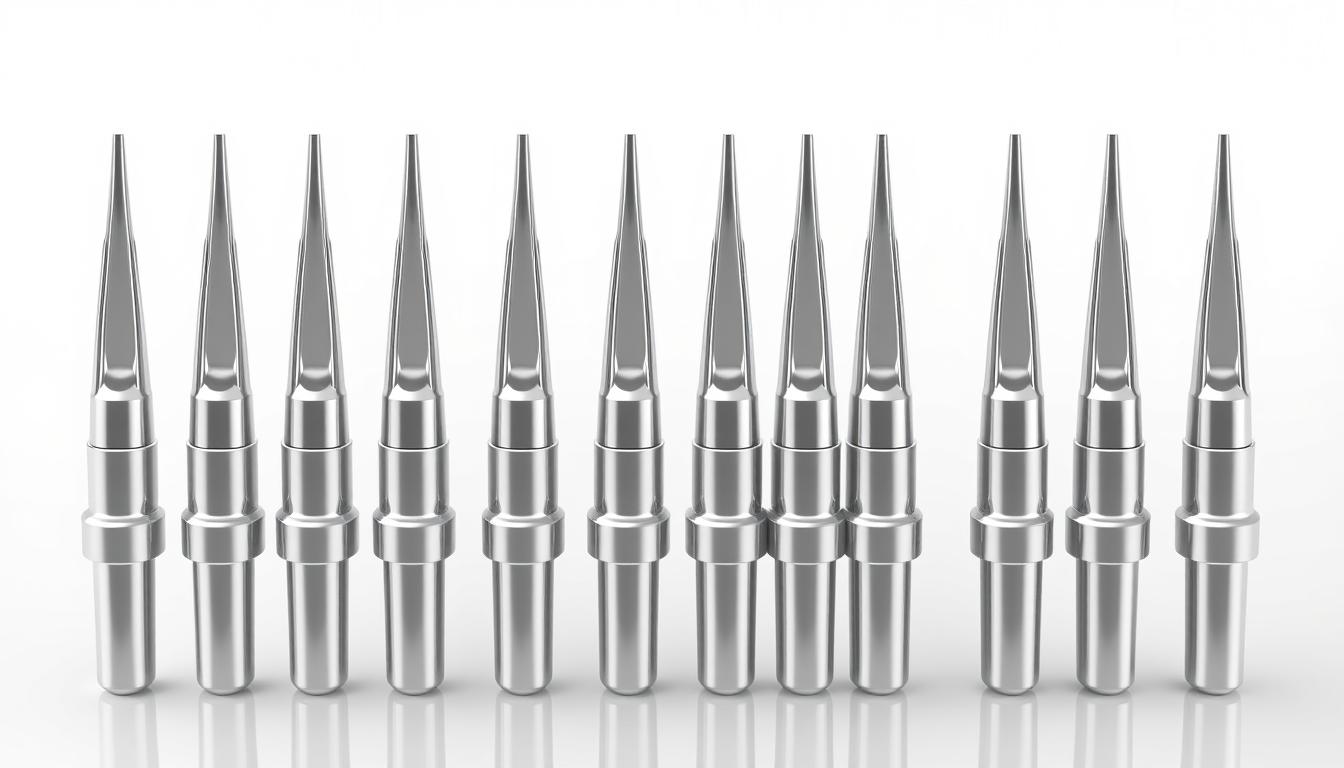
Ever wonder how scientists get such precise results in their research? It’s thanks to 200ul pipette tips.
These tools are key for scientists doing detailed work in labs. They’re used in fields like molecular biology and medical diagnostics. 200ul pipette tips help scientists get accurate results in their experiments.
These specialized pipette tips work with many lab tools. They let scientists move small amounts of liquid with little mistake. This is important for getting the same results in lab work.
Today’s labs need these tools to keep their work precise. So, 200ul pipette tips are vital for research and new discoveries.
Key Takeaways
- 200ul pipette tips are crucial for precise liquid handling
- Universal compatibility across different laboratory equipment
- Essential for maintaining experimental accuracy
- Used in diverse scientific fields
- Critical for reproducible research outcomes
Importance of 200ul Pipette Tips in Laboratories
Laboratory precision is all about the quality of micropipette tips and how we handle liquids. Scientists use these tools to get accurate results in many fields of research.
Handling liquids with precision is key in science. 200ul pipette tips are vital for keeping experiments reliable. They help researchers move small amounts of liquid with great accuracy.
Critical Aspects of Precision
The design of micropipette tips is crucial for research success. Important factors include:
- Consistent volume measurement
- Minimal sample loss
- Reduced cross-contamination risks
- Uniform liquid dispensing
Enhancing Reproducibility in Research
Reproducibility is essential in science. High-quality 200ul pipette tips help a lot. They reduce the chance of different results in experiments.
| Precision Factor | Impact on Research |
|---|---|
| Volume Accuracy | Ensures consistent experimental conditions |
| Material Quality | Prevents sample degradation |
| Tip Geometry | Supports precise liquid transfer |
Choosing the right 200ul pipette tips leads to better results. The best tips make handling liquids a precise science.
Design Features of 200ul Pipette Tips
Laboratory consumables are key in precision pipetting. 200ul pipette tips are a top example of scientific engineering. They are designed to meet the high standards of modern biological research.
High-quality 200ul pipette tips focus on two main areas: material and design. Each part is made with care to ensure the best performance in science.
Material Composition
Medical-grade polypropylene is the main material used. It has many benefits:
- Exceptional chemical resistance
- Low protein binding properties
- High thermal stability
- PCR performance tested
This material keeps samples safe and reduces contamination risks in lab work.
Tip Geometry
Accurate liquid handling needs a precise tip design. Modern 200ul pipette tips have:
- Smooth inner surface thanks to advanced polishing
- Flash-free edges for consistent liquid delivery
- Carefully examined coaxiality
- Optimized volume retention characteristics
These designs help scientists get very accurate results in molecular and microbiological studies.
Innovative design meets scientific rigor in every 200ul pipette tip.
Compatibility with Pipette Models
Choosing the right disposable tips is key for precise scientific research. Labs need pipette tips that fit well with various models. This ensures accurate handling of liquids.
Researchers look for lab supplies that work with many pipette brands. The right tips help avoid contamination and ensure accurate volumes.
Universal Fit Strategies
Universal fit disposable tips are very flexible in labs. They work with many pipette brands, including:
- Eppendorf
- Gilson
- Thermo Scientific
- Hamilton
- VWR
Manufacturer-Specific Considerations
While universal tips are great, some research needs specific tips. These tips are made for certain experiments and work best with them.
| Pipette Brand | Compatibility Range | Tip Volume |
|---|---|---|
| Eppendorf | 0.1-1000 µL | 200 µL |
| Gilson | 0.5-1000 µL | 200 µL |
| Hamilton | 0.1-1250 µL | 200 µL |
Researchers must think about their needs when picking pipette tips. Precision and compatibility are crucial for good experiments.
Applications of 200ul Pipette Tips in the Biotech Industry
The biotech industry needs precise micro-volume transfers for important research and tests. 200ul pipette tips are key in today’s labs. They help with detailed scientific studies in many fields.
Sterile tips are vital for keeping samples safe and clean in sensitive tests. They let researchers work with different liquid amounts accurately.
Molecular Biology Techniques
In molecular biology, 200ul pipette tips are crucial for several important tasks:
- Polymerase Chain Reaction (PCR) setup
- DNA sequencing
- Protein analysis and purification
- Gene expression studies
About 60% of biotech firms use these tips for cell studies. They are key in advanced flow cytometry and live cell research. The tips’ precision helps get reliable and consistent results.
Microbiology Applications
Microbiological research relies on 200ul pipette tips for many essential steps:
- Cell culture work
- Microorganism identification
- Microbial strain development
- Contamination testing
With 40% of labs doing microbiological tests, these tips are a must-have. Their design and volume control help scientists do precise work.
The growing need for better pipetting shows how important 200ul pipette tips are. They help drive scientific progress and research accuracy.
Handling and Disposal of Pipette Tips
Laboratory consumables like disposable tips need careful handling and disposal. This is to keep research integrity and protect the environment. Scientists must follow certain protocols to keep these tools safe and effective.
Understanding the needs of different pipette tips is key. Researchers must know the difference between sterile and non-sterile tips. This helps prevent contamination and keeps experiments precise.
Safe Handling Procedures
Handling disposable tips right requires careful attention:
- Always use clean, undamaged tips
- Handle tips with clean, lint-free gloves
- Store tips in sealed containers to prevent dust accumulation
- Inspect tips for manufacturing defects before use
Environmental Considerations
Being green in the lab is crucial for responsible research. Disposable tips pose challenges for waste management:
- Separate contaminated and uncontaminated tips
- Follow institutional guidelines for biohazardous waste disposal
- Participate in laboratory tip recycling programs
- Choose manufacturers with sustainable packaging solutions
Tip StackPack refill systems can reduce packaging waste by more than 50%. This shows a commitment to environmental care in scientific research.
Quality Standards for 200ul Pipette Tips
Precision pipetting needs strict quality standards for accurate results. Manufacturers of 200ul pipette tips follow detailed quality control steps. These steps go beyond just making the tips.
Laboratory experts count on pipette tips that meet high certification standards. The quality check process includes many tests and verifications. This ensures the tips work perfectly.
ISO Certification
ISO certifications are key to proving pipette tips’ trustworthiness. These global standards make sure:
- Manufacturing is consistent
- Dimensions are precise
- Performance is reliable in various lab settings
Performance Validation
Testing 200ul pipette tips involves detailed protocols. Important tests include:
- Gravimetric measurement for accuracy
- Contamination screening
- Material compatibility checks
Companies like Eppendorf conduct thorough testing. Their pipette tips face extensive quality control. This includes:
- DNase-free certification
- RNase-free verification
- ATP-free guarantees
- Pyrogen-free confirmations
The tips are made of polypropylene. This material keeps them dry and stable in temperatures from -10°C to 90°C. This is crucial for precise pipetting.
Best Practices for Using 200ul Pipette Tips
Precision in liquid handling is key for biological research. Scientists use micropipette tips for accurate results. Learning the right way to use 200ul pipette tips boosts the reliability of their work.
Lab experts need to know how to use pipette tips well. The success of many experiments depends on careful liquid handling. This approach reduces errors and increases reproducibility.
Calibration of Pipettes
Keeping pipettes accurate is crucial. Researchers should follow a detailed process for precise measurements:
- Calibrate pipettes at least once a year
- Use certified calibration weights
- Check accuracy at different volume points
- Keep detailed records of calibration results
Avoiding Common Errors
Staying careful with liquid handling is vital. Mistakes can greatly affect results, especially in cell culture research equipment.
| Common Error | Prevention Strategy |
|---|---|
| Incorrect Tip Attachment | Ensure firm, complete connection with pipette |
| Inconsistent Plunger Pressure | Maintain uniform, gentle pressure during dispensing |
| Cross-Contamination | Use fresh tips for each sample |
“Precision in liquid handling is not just a technique, it’s a scientific discipline.”
Lab staff should spend time learning proper techniques. Continuous training and practice are key to maintaining high accuracy. This helps reduce variability in biological research.
Storage Recommendations for Pipette Tips
Keeping lab supplies in good condition is key. This includes storing pipette tips properly. It helps scientists get the best results from their work.
Storing pipette tips right involves a few important steps. Lab experts know how important it is to keep things clean. This helps avoid contamination and ensures experiments work well.
Optimal Preservation Conditions
Sterile tips need the right storage to work well. Here are some tips:
- Keep the room temperature between 15-25°C.
- Avoid direct sunlight.
- Store in places with low humidity.
- Keep them away from dust and other contaminants.
- Use the original packaging until you need them.
Shelf Life Considerations
Knowing how long pipette tips last is crucial. Different packaging has its own benefits:
- Bulk packaging: Great for big labs.
- Racked tips: Offers organized and clean storage.
- Reloading stacks: Saves space.
Most sterile tips stay good for 12-24 months if stored right. Labs should use a system where the oldest tips are used first. This keeps the tips in the best condition.
Innovations in Pipette Tip Technology
The world of precision pipetting is changing fast, thanks to new 200ul pipette tips. Labs are seeing big changes in how they handle liquids, making science better.
New 200ul pipette tips are making science more precise. They come with features that solve big lab problems.
Breakthrough Design Advances
Modern 200ul pipette tips have amazing new features:
- Low-retention surfaces that minimize sample loss
- Enhanced chemical resistance materials
- Improved transparency for better volume visualization
- Specialized tip geometries for reduced cross-contamination
Impact on Scientific Precision
Advanced pipette tips are changing research a lot. About 25% of labs now use special tips for certain tasks. This shows how much tech has improved in handling liquids.
Precision pipetting is no longer just about transferring liquids, but about minimizing variability and maximizing research outcomes.
More labs want these new pipette tips. Demand has gone up by about 15% in five years. This shows how important these tips are for science today.
Labs keep pushing tech limits, and these new tips are key. They help make experiments more accurate and reliable.
Conclusion: The Role of 200ul Pipette Tips in Scientific Research
Micropipette tips are key in today’s science labs, especially in biology. The 200ul pipette tips are a big step forward. They help scientists work with liquids very accurately. This is important for things like PCR, DNA sequencing, and molecular biology.
The world of lab supplies keeps getting better. Now, pipette tips have cool features like filters and ergonomic designs. These help scientists avoid contamination and meet different research needs.
Future Trends in Pipette Technology
New trends in pipette tech focus on being green, precise, and easy to use. Makers are using eco-friendly materials and improving quality control. They’re also adding smart features and designs that work well with automation.
Summary of Key Benefits
Choosing the right 200ul pipette tips is crucial for good science. They help reduce mistakes, keep samples safe, and make work flow better. As science gets more complex, these tips will keep helping us learn more.
FAQ
What are 200ul pipette tips used for in laboratory settings?
200ul pipette tips are key tools in labs. They help with precise liquid handling in fields like molecular biology and biotechnology. These tips are great for moving small amounts of liquid up to 200 microliters without losing much or getting contaminated.
How do I choose the right pipette tip for my research?
Look at a few things when picking pipette tips. Check if they fit your pipette and if they’re made of medical-grade polypropylene. Also, make sure they’re sterile and meet quality standards like being free from DNase, RNase, and pyrogens.
What makes 200ul pipette tips different from other volume tips?
200ul tips are made for mid-range volume work. They have special designs and smooth surfaces. This helps in precise liquid transfer and reduces sample loss.
How should I store pipette tips to maintain their quality?
Keep tips in their original packaging to protect them from dust and moisture. Store them in a consistent temperature and humidity. Use sealed tips for sterile ones, and choose packaging that fits your lab’s needs.
Are all 200ul pipette tips compatible with multiple pipette brands?
Not all tips fit all pipettes. Some are made for specific brands. Always check if a tip fits your pipette before using it. Universal tips can work with many, but always check the manufacturer’s advice.
What are the key quality standards for 200ul pipette tips?
Good 200ul tips meet ISO standards and undergo strict testing. They should be free from contaminants like DNase, RNase, ATP, and pyrogens. This ensures they work well in sensitive research.
How can I prevent contamination when using pipette tips?
Use sterile tips for sensitive work and avoid reusing them. Handle tips carefully and use filtered tips for extra safety. Always follow aseptic techniques and change tips between samples. Dispose of tips properly to keep your lab clean.
What recent innovations exist in pipette tip technology?
New advancements include tips that lose less sample and are clearer for easier volume checking. They also resist chemicals better and use new materials. These changes help with more accurate liquid handling in labs.






Leave a Comment
Your email address will not be published. Required fields are marked *