


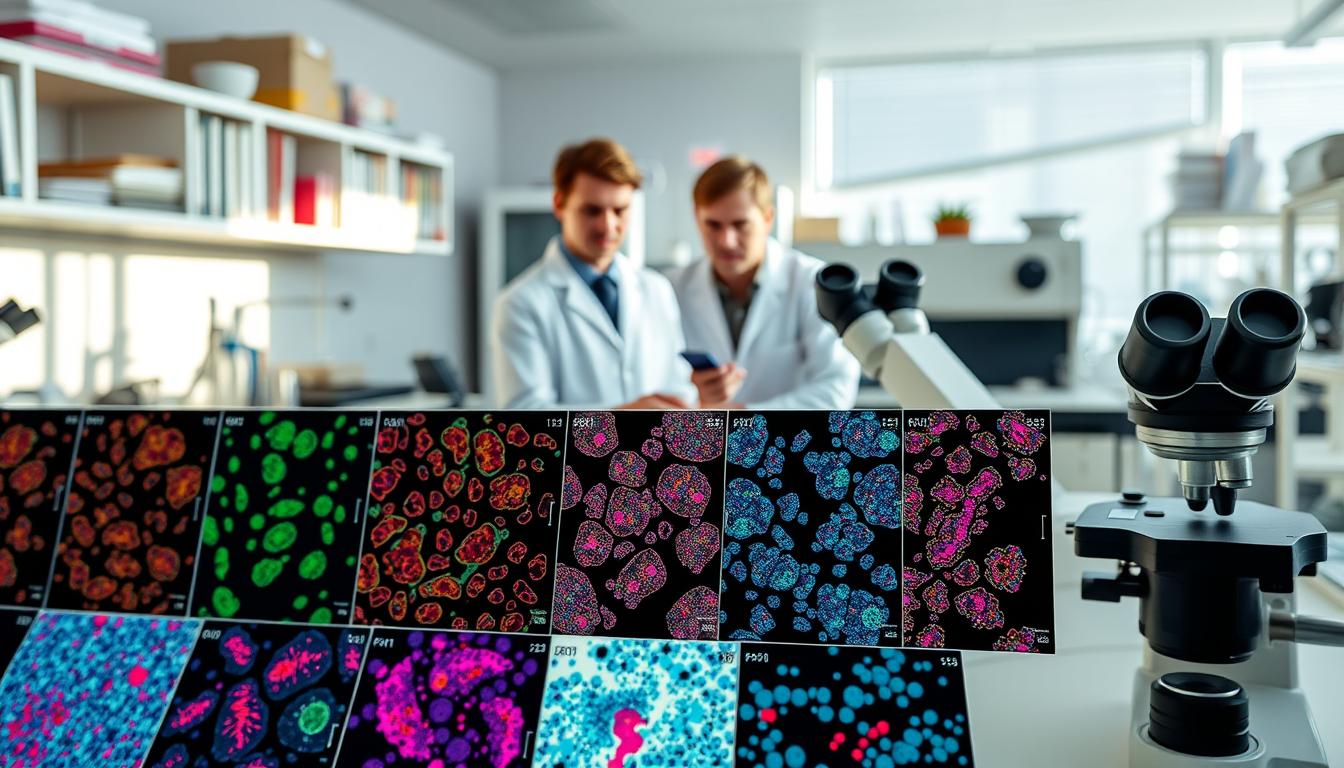
Are you ready to unlock the hidden potential of mononuclear cells? These cells could revolutionize biomedical research. Peripheral blood mononuclear cells (PBMC) are key to understanding complex immunological processes. They help in developing new medical treatments.
Research labs depend on precise PBMC sample processing techniques for quality analysis. These blood components include lymphocytes, monocytes, and other immune system cells. They are powerful tools for studying cellular immunity.
Scientists face many challenges with PBMC samples. They must keep cells alive, avoid contamination, and ensure the best processing conditions. Handling these delicate cells requires careful attention and advanced skills.
Key Takeaways
- PBMC samples are crucial for advanced immunological research
- Proper processing techniques impact cell viability and research outcomes
- Optimal collection and storage methods are essential for reliable results
- Temperature control plays a critical role in PBMC sample preservation
- Researchers must follow strict quality control protocols
Understanding PBMC Samples in Research
Peripheral Blood Mononuclear Cells (PBMCs) are key in immunology studies. They give researchers deep insights into how our immune system works. These cells are vital for isolating and studying different types of white blood cells, leading to new medical discoveries.
PBMCs are a mix of immune cells, each with its own job in our body. They usually include:
- T cells (45-70% of lymphocytes)
- B cells (5-15% of lymphocytes)
- Natural killer (NK) cells (5-10% of lymphocytes)
- Monocytes (10-30% of total sample)
- Dendritic cells (approximately 1%)
What Are PBMC Samples?
A PBMC sample is made up of white blood cells with a single nucleus. These cells are vital for understanding our immune system. Researchers use advanced techniques to separate and study these cells.
PBMCs give us a peek into our immune system, offering deep insights into how cells interact and respond.
Importance of PBMC in Immunology
In immunology, PBMCs are a crucial tool. They help scientists study diseases, create new treatments, and understand how our immune system works. By analyzing these cells, researchers can find new ways to treat diseases.
| Research Application | Key Insights |
|---|---|
| Cancer Research | Analyzing immune cell responses to tumors |
| Vaccine Development | Studying immune system reactions |
| Personalized Medicine | Understanding individual immune profiles |
Common Applications of PBMC Samples
Researchers use PBMC samples in many fields, like drug development and immunotherapy. Their ability to adapt to different studies makes them a vital tool for medical research and finding new treatments.
Collection Techniques for PBMC Samples
Getting high-quality peripheral blood mononuclear cell (PBMC) samples is key. Researchers need to follow specific steps to keep these immune cells alive and healthy.
Isolating PBMCs involves important steps that affect research results. Density gradient centrifugation is a main method for separating blood parts with great accuracy.
Venipuncture Methodology
Starting with careful venipuncture is crucial for PBMC collection. Researchers should:
- Use sterile collection equipment
- Minimize patient discomfort
- Ensure proper blood sample handling
- Maintain consistent collection protocols
Blood Collection Tube Selection
Picking the right blood collection tubes is vital for cell culture. Different tubes have their own benefits for PBMC isolation:
- EDTA tubes: Prevent blood clotting
- Ficoll-paque tubes: Enable density gradient separation
- Heparin tubes: Suitable for certain immunological assays
Sample Handling Best Practices
Good sample management is key for PBMC quality. Important points include:
- Processing blood within 24 hours of collection
- Maintaining consistent temperature
- Using gentle centrifugation techniques
- Minimizing cellular stress during isolation
The best density gradient centrifugation protocol is to dilute whole blood with PBS at a 1:1 ratio. Then, centrifuge at 1000 x g for 20 minutes. This method separates blood parts well, letting researchers get high-quality PBMCs for further use.
Processing PBMC Samples
Biomedical research needs precise cell separation to get high-quality PBMCs. This process requires careful attention and special lab protocols.
When isolating leukocytes, researchers must follow strict steps. This keeps the samples intact and the cells alive. The method used affects the quality of future research.
Density Gradient Centrifugation
Density gradient centrifugation is the top choice for isolating PBMCs. It uses the different densities of blood components to separate leukocytes.
- Recommended centrifugation speed: 800-1000 x g
- Centrifugation duration: 15 minutes
- Processing temperature: 15°C to 30°C
Cryopreservation Techniques
Cryopreservation keeps cells alive for a long time. It’s important to freeze slowly and use the right media.
| Parameter | Specification |
|---|---|
| Maximum processing time | 8 hours from blood collection |
| Blood to saline ratio | 2:1 maximum |
| Washing centrifugation | 300 x g for 10 minutes |
Quality Control Measures
Good quality control is key for consistent and reliable PBMC preparation. Labs should check cell health, purity, and function at every step.
- Aim for over 90% PBMC viability
- Use standardized operating procedures
- Validate sample quality through rigorous testing
By getting better at these methods, researchers can use PBMC samples more effectively in their work.
PBMC Sample Storage and Stability
Keeping mononuclear cells safe is key in biomedical research. The right storage methods keep peripheral blood mononuclear cells (PBMCs) in good shape for science.
Optimal Storage Conditions
For cell culture, storing PBMCs right is crucial. There are two main ways to store them:
- Short-term storage at 4°C
- Long-term cryopreservation in liquid nitrogen
Shelf Life of Cryopreserved PBMC
Cryopreservation helps keep samples safe for longer. Important things to remember include:
| Storage Temperature | Estimated Viability | Recommended Duration |
|---|---|---|
| -135°C (Liquid Nitrogen) | 90-95% | 5-10 years |
| -80°C (Ultralow Freezer) | 80-90% | 1-3 years |
Thawing and Resuspension Procedures
Getting PBMCs back to life needs careful thawing. Rapid warming at 37°C and quick mixing with warm media are key to keeping cells alive.
Here are the main steps for handling PBMCs well:
- Use controlled-rate freezing (1°C/minute)
- Employ cryoprotective agents like DMSO
- Minimize freeze-thaw cycles
- Perform viability checks post-thawing
Proper storage and handling are essential for maintaining the integrity of mononuclear cells in scientific research.
Using PBMC Samples in Clinical Trials
Peripheral blood mononuclear cells (PBMCs) are key in medical research and clinical trials. They help us understand complex biological processes. This is crucial for advancing medical science.
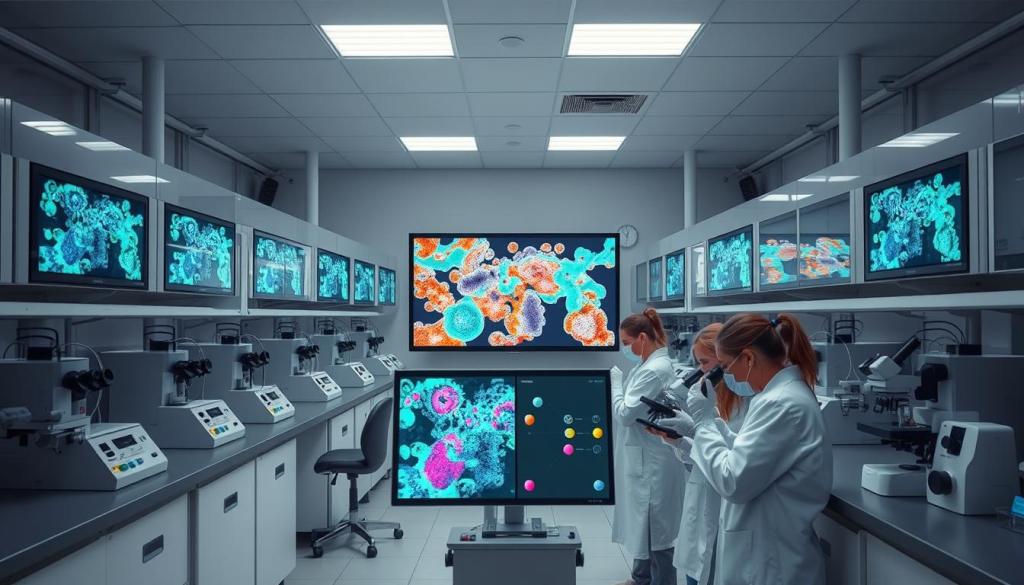
Scientists use special techniques to get PBMCs. This helps them make new vaccines and do important research. They can study the immune system in great detail.
Role in Vaccine Development
PBMCs are vital for checking how well vaccines work. They help in several ways:
- They track how the immune system reacts to vaccines.
- They see how antibodies are made.
- They look at how long-lasting immunity works.
Biomarker Discovery
In clinical trials, PBMCs are great for finding new biomarkers. They help researchers:
- Find markers for disease progression.
- See how well treatments work.
- Find new targets for treatments.
Assessing Immune Responses
Tools like flow cytometry and ELISpot assays help analyze immune responses. This gives scientists important data for medical progress.
Standardized protocols ensure reliable and reproducible results in PBMC research.
Studies using PBMC samples show great promise. For example, a study with 285 blood samples from melanoma vaccine trials showed the need for careful handling and keeping samples at the right temperature during transport.
Ethical Considerations in PBMC Research
Biomedical research with blood components must follow strict ethical rules. This is to protect donors and keep science honest. The process of isolating leukocytes is complex and needs careful ethical guidelines.
Researchers should always be open and respectful. The ethics of PBMC research cover many important areas. These ensure that science is done right and with respect for all involved.
Informed Consent Practices
Getting real informed consent is key to collecting blood samples ethically. Donors need to know:
- What the research is about and what might happen
- How their samples will be used
- The risks and benefits
- They can pull out at any time
Regulations Governing Blood Sample Collection
Many rules help keep blood research safe and fair. These rules differ by place but all aim to protect people and keep data private.
| Regulatory Body | Key Responsibilities |
|---|---|
| IRB (Institutional Review Board) | Checking if research is okay to do |
| FDA | Setting national standards for collecting samples |
| OHRP | Looking out for the rights of research participants |
Ethical Review Board Requirements
Ethical review boards are vital for keeping research honest. They check research plans to make sure:
- Participants are not at too much risk
- The science is sound
- Donors are fully informed
- Data is handled right
Following these ethical rules makes sure PBMC research is done right, openly, and with care for everyone involved.
Analyzing PBMC Samples
Researchers in immunology use advanced methods to study peripheral blood mononuclear cells (PBMCs). These techniques help uncover important details about cells, immune responses, and how molecules interact.
To understand cell culture protocols, researchers need to know many analytical methods. These techniques help study mononuclear cells in depth.
Flow Cytometry Techniques
Flow cytometry is a key tool for studying PBMCs. It lets researchers:
- Identify specific cell subsets with high precision
- Quantify immune cell populations
- Analyze cell surface markers
- Evaluate cellular activation states
ELISA and Immunological Assays
Enzyme-linked immunosorbent assays (ELISA) give insights into cytokine production and immune responses. These methods help researchers:
- Measure soluble protein concentrations
- Detect inflammatory markers
- Quantify immune system interactions
Gene Expression Analysis
Techniques like RT-PCR and RNA sequencing reveal the genetic makeup of PBMCs. Researchers can explore:
- Transcriptional profiles
- Gene regulation mechanisms
- Molecular responses to stimuli
By combining these methods, scientists can deeply understand immune cell functions. This leads to new insights into human health.
Troubleshooting Common Issues with PBMC Samples
Researchers often face challenges when working with peripheral blood mononuclear cells (PBMCs). These issues can affect the quality of their research. It’s important to know about these problems to keep samples and research reliable.
Contamination Challenges in Cell Separation Techniques
Contamination is a big problem in isolating leukocytes. Some common issues include:
- Bacterial infiltration during sample handling
- Fungal contamination in cell culture protocols
- Red blood cell presence in PBMC preparations
Cell Viability Concerns
Keeping cells alive is crucial. Several factors need attention:
| Stage | Viability Challenges | Recommended Actions |
|---|---|---|
| Isolation | Cell damage during separation | Use gentle cell separation techniques |
| Cryopreservation | Potential cell loss during freezing | Optimize freezing rate (-1°C/min) |
| Thawing | Reduced post-thaw recovery | Controlled thawing process |
Strategies for Successful Experiments
To overcome PBMC sample challenges, researchers can try several strategies:
- Process blood samples within 8 hours of collection
- Maintain precise temperature control during processing
- Use standardized cryopreservation solutions
- Validate cell viability before downstream experiments
By focusing on cell separation techniques and quality control, researchers can improve their PBMC-based research. This leads to more reliable and consistent results.
Future Trends in PBMC Research
The field of immunology is changing fast, with PBMCs playing a big role. New discoveries are helping us understand blood components better. This knowledge could lead to new medical treatments.
New breakthroughs are changing medical science. The PBMC market was worth USD 235.68 million in 2022. It’s expected to grow by 10.39% each year until 2028.
Innovations in Cell Therapy
Cell therapy is a big step forward in medicine. Some key advancements include:
- Engineered PBMC treatments for complex diseases
- Advanced cancer immunotherapies
- Targeted approaches for autoimmune conditions
Advances in Precision Medicine
Precision medicine uses PBMCs to tailor treatments. Scientists are working on new ways to understand each patient’s cells.
| Research Area | Key Innovations | Potential Impact |
|---|---|---|
| Single-Cell Sequencing | Detailed Cellular Profiling | Personalized Treatment Design |
| High-Throughput Screening | Rapid Immune Response Analysis | Faster Drug Development |
| Metabolic Modeling | Comprehensive Cellular Pathway Mapping | Enhanced Disease Understanding |
The Role of PBMC in Personalized Immunotherapy
Personalized immunotherapy is a major breakthrough. Clinical trials involving PBMCs have exceeded 972 studies. This shows how powerful these cells are in creating targeted treatments.
The future of PBMC research looks bright. It will bring new ways to improve human health through personalized immunology and precision medicine.
Resources for Further Learning on PBMC Samples
Staying updated in PBMC research is key. It requires ongoing learning and connecting with the scientific world. Researchers focused on immunology can find many educational tools to keep up with new methods and techniques.
Top journals like Nature Immunology and Journal of Immunological Methods share the latest research. Academic sites and online platforms offer webinars and training. These help researchers improve their skills in working with PBMCs.
Organizations like the American Association of Immunologists (AAI) and International Society for Advancement of Cytometry (ISAC) are vital. They host conferences, share research, and create chances to meet other scientists. This helps everyone learn more about how cells fight off diseases.
Students and professionals can learn more through online courses on Coursera and edX. These courses cover advanced immunology topics. They make sure researchers are always up-to-date with the latest in PBMC research.
FAQ
What are Peripheral Blood Mononuclear Cells (PBMCs)?
PBMCs are a group of white blood cells. They include lymphocytes, monocytes, and dendritic cells. These cells are key to our immune system. They are used in many research areas, like studying diseases and developing vaccines.
How are PBMC samples collected?
PBMC samples are collected through a blood draw. This is done using special tubes. It’s important to do it carefully to keep the cells alive and healthy.
What is the primary method for isolating PBMCs?
The main way to get PBMCs is through density gradient centrifugation. This method uses a special medium to separate the cells. It helps keep the cells working well.
How long can PBMC samples be stored?
PBMC samples can be stored for years if frozen right. They need to be frozen slowly and kept in very cold places. This keeps them alive and useful for research.
What are the main applications of PBMC samples in research?
PBMC samples are used in many research fields. They help in making vaccines, finding new treatments, and understanding diseases. They are key for studying how our immune system works.
What analytical techniques are used to study PBMC samples?
Scientists use many ways to study PBMC samples. They use flow cytometry, ELISA, and RT-PCR. These methods help understand the cells and their functions.
What ethical considerations are important when working with PBMC samples?
It’s important to get consent from donors and keep their information private. Researchers must follow rules and get approval. They should also explain how the samples will be used.
What are the common challenges in PBMC sample handling?
Handling PBMC samples can be tricky. It’s hard to avoid contamination and keep the cells alive. But, with the right training and protocols, these challenges can be overcome.
How are PBMCs used in clinical trials?
In clinical trials, PBMC samples help check how well treatments work. They help find new treatments and see how the immune system reacts. This information is crucial for making personalized medicine.
What future trends are emerging in PBMC research?
New trends include better cell therapies and personalized treatments. There’s also more focus on single-cell technologies and treatments for diseases. These advancements aim to make medicine more precise and effective.





Leave a Comment
Your email address will not be published. Required fields are marked *