


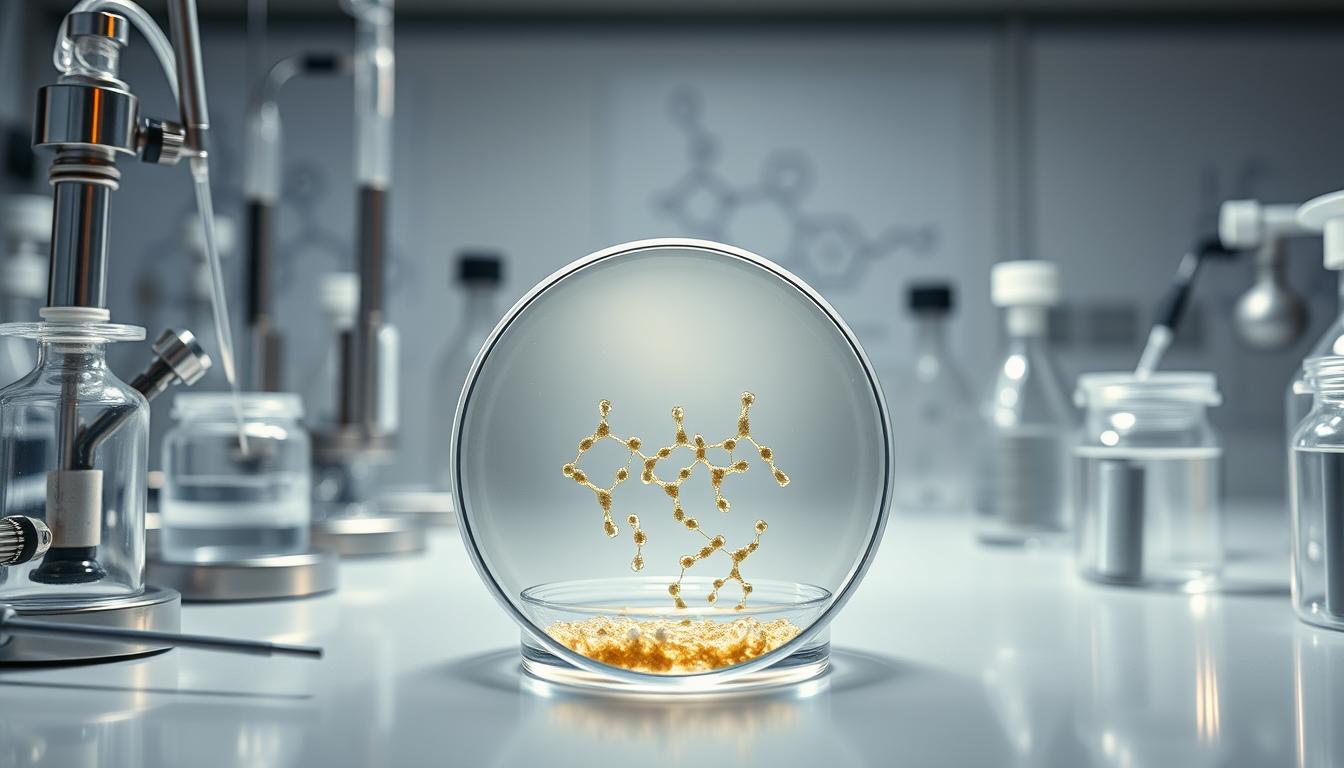
Have you ever wondered what microscopic world thrives in a tiny 35mm cell culture dish? These unassuming laboratory tools are critical gateways to groundbreaking scientific discoveries, serving as precision environments where cellular research transforms our understanding of biology.
Cell culture plates represent more than simple containers. They are sophisticated platforms enabling researchers to cultivate, observe, and manipulate cells with remarkable precision. The 35mm tissue culture dishes provide an optimal space for cell growth, supporting intricate biological experiments across multiple scientific disciplines.
Designed with meticulous engineering, these specialized dishes create controlled environments that mimic natural cellular conditions. Their polystyrene construction and advanced surface treatments ensure researchers can conduct experiments with maximum reliability and reproducibility.
Key Takeaways
- 35mm cell culture dishes are fundamental tools in biological research
- Specialized surface treatments enhance cell adhesion and growth
- Precise design supports multiple scientific applications
- Sterile packaging ensures experimental integrity
- Versatile options accommodate diverse research requirements
Overview of 35mm Cell Culture Dishes
Cell culture research demands precision and reliability, with disposable petri dishes playing a crucial role in scientific investigations. The 35mm cell culture dish represents a standard tool for researchers exploring cellular behaviors and experimental protocols.
Polystyrene dishes have become the preferred material for sterile cell culture supplies due to their exceptional characteristics and versatility. These specialized containers offer researchers a consistent and controlled environment for cell growth and observation.
Dish Specifications
Key specifications of 35mm cell culture dishes include:
- Precise 35mm diameter dimensions
- Constructed from high-quality polystyrene
- Top and bottom stacking rings for convenient handling
- Multiple surface treatment options
Surface Treatment Varieties
Researchers can select from multiple surface treatments to optimize cell attachment and growth:
- Nunclon Delta: Enhanced cell adhesion
- Supra: Improved cellular interactions
- Non-treated surfaces
- UpCell
- BioLite
- Sphera
Packaging and Availability
These versatile dishes come in convenient packaging options:
- Sleeves of 10 or 20 dishes
- Individually packaged sterile options
- Lids with or without gas exchange vents
The 35mm format provides an ideal solution for researchers conducting individual studies or working with limited cell quantities, ensuring consistent and reliable experimental conditions.
Importance of 35mm Cell Culture Dishes in Research
Cell biology research relies critically on specialized cell growth vessels that provide optimal environments for scientific exploration. The 35mm cell culture dishes represent a cornerstone of modern laboratory techniques, enabling researchers to conduct precise and reproducible experiments across multiple disciplines.
These cell propagation containers play a pivotal role in supporting critical research processes by offering unique characteristics that enhance cellular studies:
- Provide ideal surface area for cell attachment
- Enable high-resolution microscopic observations
- Maintain sterile experimental conditions
- Support diverse cell biology consumables
Supporting Cell Growth
The design of 35mm cell culture dishes creates an optimal microenvironment for cellular development. Researchers can observe delicate cellular interactions with unprecedented clarity, thanks to the dishes’ transparent surfaces and precisely engineered dimensions.
Precision in cell culture methodology determines the quality of scientific discoveries.
Facilitating Observations and Measurements
Advanced 35mm dishes offer exceptional features for scientific investigations:
- Optical quality glass with superior UV transmission
- Consistent glass thickness of 0.17 ±0.01 mm
- Low cytotoxicity adhesive surfaces
- Compatible with various cell culture coatings
These cell biology consumables have been instrumental in groundbreaking research, appearing in over 575 scientific publications and demonstrating their critical importance in advancing our understanding of cellular processes.
Types of 35mm Cell Culture Dishes Available
Researchers in life science plasticware have multiple options when selecting 35mm cell culture plates for their experimental needs. These tissue culture dishes come in various configurations designed to support diverse research requirements.
The selection of cell culture dishes involves understanding different specifications and surface treatments that can significantly impact experimental outcomes.
Standard Dishes
Standard 35mm cell culture dishes typically feature key characteristics:
- Constructed from high-clarity polystyrene
- Flat transparent surface for distortion-free microscopic observations
- Numeric markings for precise cell location tracking
- Stackable design for efficient laboratory storage
Dishes with Special Coatings
Advanced tissue culture dishes offer specialized surface treatments to enhance cell growth and experimental precision:
- Nunclon Delta: Improved cell attachment properties
- Supra: Enhanced cellular interaction surfaces
- UpCell: Temperature-responsive coating
- BioLite: Optimized for sensitive cell cultures
These specialized life science plasticware options provide researchers with targeted solutions for specific experimental protocols.
Selecting the appropriate 35mm cell culture dish can dramatically influence research outcomes and cellular behavior.
Material Composition of 35mm Cell Culture Dishes
Cell biology consumables represent a critical component of scientific research, with polystyrene dishes emerging as the gold standard for sterile cell culture supplies. The selection of materials plays a pivotal role in determining experimental success and cell behavior.
Researchers have two primary material options for 35mm cell culture dishes: polystyrene and glass. Each material brings unique characteristics that significantly impact cell interactions and research outcomes.
Polystyrene: The Preferred Choice
Polystyrene dishes dominate the cell culture landscape due to their exceptional properties:
- High transparency for optimal cell observation
- Lightweight and cost-effective
- Multiple surface treatment options
Surface Treatment Variations
Modern polystyrene dishes offer diverse surface treatments to enhance cell adhesion and growth:
- Nunclon Delta: Improved cell attachment
- Supra: Enhanced hydrophilicity
- UpCell: Temperature-responsive coating
- BioLite: Optimized cell performance
Impact on Cell Interaction
The material’s surface characteristics dramatically influence cell behavior. Tissue culture (TC) treated polystyrene dishes provide an optimal environment for cell adherence, proliferation, and experimental reliability.
Selecting the right material is crucial for maintaining cell viability and ensuring reproducible research results.
Sterilization and Safety Standards
Maintaining sterility is crucial in life science plasticware, especially for disposable petri dishes used in critical research environments. The rigorous sterilization processes employed in sterile cell culture supplies ensure optimal safety and performance for scientific investigations.
Laboratory professionals rely on sophisticated sterilization techniques to guarantee the highest quality of cell culture dishes. The most advanced methods include:
- Electron beam (E-Beam) irradiation
- Gamma radiation sterilization
- Ethylene oxide (EO) sterilization
Autoclavable Options and Certification
Professional cell culture dishes undergo extensive quality control to meet stringent international standards. Key certifications include:
- ISO 9001 quality management
- ISO 13485 medical device certification
- USP Class VI material grade
*Precision in sterilization is not just a process—it’s a commitment to scientific excellence.*
Environmental Considerations
Modern manufacturers of disposable petri dishes are increasingly focusing on sustainable practices. The sterilization processes are designed to minimize environmental impact while maintaining the highest standards of product safety and research integrity.
Each 35mm cell culture dish is meticulously tested to ensure:
- Non-pyrogenic certification
- Non-cytotoxic compliance
- Low endotoxin levels (
Researchers can confidently use these sterile cell culture supplies, knowing they meet the most demanding scientific protocols and environmental considerations.
Best Practices for Using 35mm Cell Culture Dishes
Successful cell research depends on meticulous handling of cell culture plates. Researchers must follow strict protocols to maintain the integrity of cell growth vessels and prevent contamination in cell propagation containers.
Proper preparation and handling of 35mm cell culture dishes require careful attention to multiple critical factors. Scientists must implement precise techniques to ensure optimal experimental conditions.
Preparing Dishes for Cell Seeding
Cell seeding demands specialized preparation techniques:
- Clean dishes using sterile techniques
- Use appropriate surface coatings for specific cell types
- Maintain consistent environmental conditions
- Select correct cell density for optimal growth
Handling and Storage Guidelines
Proper management of cell culture plates involves several key practices:
| Practice | Recommendation |
|---|---|
| Sterility | Work in laminar flow hood |
| Contamination Prevention | Use sterile instruments |
| Storage Temperature | 37°C for active cultures |
| Handling | Touch only dish edges |
Researchers must wear gloves and minimize dish exposure to maintain sterile conditions. Careful handling preserves cell viability and experimental integrity.
Precision in cell culture techniques determines research success.
Implementing these best practices ensures reliable results when using 35mm cell culture dishes in laboratory settings.
Comparing 35mm Cell Culture Dishes to Other Sizes
Selecting the right cell culture plates is crucial for successful laboratory research. Different sizes of tissue culture dishes offer unique advantages for various experimental needs. Researchers must carefully consider the specific requirements of their cell biology consumables to optimize experimental outcomes.
Cell culture dishes come in various sizes, each designed to support specific research applications. The versatility of cell culture plates allows scientists to choose the most appropriate format for their experimental protocols.
Advantages of the 35mm Format
The 35mm cell culture dish stands out as an exceptional option for precision research. These compact dishes excel in several key areas:
- Ideal for small-scale experiments
- Perfect for initial cell seeding
- Optimal for viability tests
- Excellent for drug screening
Application Scenarios for Different Sizes
Researchers can select from multiple dish sizes to meet specific experimental requirements:
| Dish Size | Recommended Applications | Cell Capacity |
|---|---|---|
| 35mm | Small-scale experiments, initial screening | Low cell population |
| 60mm | Cell expansion, toxicity testing | Moderate cell population |
| 100mm | Large-scale experiments, protein studies | High cell population |
| 150mm | High-throughput screening | Very high cell population |
Choosing the right dish size depends on multiple factors, including cell type, experimental goals, and available resources.
The key to successful cell culture is selecting the most appropriate dish size for your specific research requirements.
Innovations in Cell Culture Dish Design
The landscape of cell growth vessels continues to evolve, driven by cutting-edge technological advances in life science plasticware. Researchers now have access to sophisticated sterile cell culture supplies that push the boundaries of scientific investigation.
Modern cell culture dishes are engineered with remarkable precision, offering researchers unprecedented capabilities for cellular research. The latest developments focus on creating more specialized and high-performance platforms for scientific exploration.
Performance-Enhancing Features
Innovative cell culture dishes now incorporate advanced design elements that dramatically improve experimental outcomes:
- Integrated glass bottom for superior optical quality
- Single-plane flat bottom with consistent working distance
- Enhanced thermal conductivity for stable imaging
- Subdivided compartments for multiplex analysis
Technological Material Advances
Material science has transformed sterile cell culture supplies, introducing breakthrough technologies in dish construction. The development of high-grade polystyrene has revolutionized cell growth vessels.
| Material Property | Performance Benefit |
|---|---|
| USP Class VI Polystyrene | Biocompatibility and durability |
| Wave-like handling ring | Reduced contamination risk |
| Stackable design | Optimized incubator space |
The future of life science plasticware promises even more sophisticated solutions, with manufacturers continuously refining cell culture dish designs to meet the demanding needs of modern biological research.
Quality Control in Production of Lab Supplies
The precision of sterile cell culture supplies hinges on rigorous quality control processes. Researchers depend on consistent and reliable cell biology consumables to ensure accurate experimental results. Laboratory professionals understand that even minor variations in tissue culture dishes can significantly impact cellular research outcomes.
Quality control measures for laboratory supplies involve multiple critical steps:
- Comprehensive batch testing for cell growth performance
- Ensuring consistent manufacturing standards
- Implementing strict contamination prevention protocols
- Verifying material integrity and surface treatments
Importance of Consistency
Consistency in manufacturing sterile cell culture supplies is paramount. Research laboratories require products that demonstrate reproducible cellular growth conditions. Each production batch undergoes extensive evaluation to maintain uniform quality across cell biology consumables.
Certifications to Look For
When selecting tissue culture dishes, researchers should prioritize products with verified quality certifications. Key standards include:
- ISO 9001 quality management certification
- International laboratory standards compliance
- FDA medical device regulatory approval
- Verified sterility and non-cytotoxicity testing
Choosing scientifically validated cell culture supplies ensures reliable research outcomes and minimizes experimental variability.
35mm Cell Culture Dishes in Various Applications
Cell culture plates play a crucial role in advancing scientific research across multiple biological disciplines. These versatile polystyrene dishes serve as essential tools for researchers investigating complex cellular and microbiological phenomena.
Researchers rely on cell propagation containers to explore intricate biological systems with precision and reliability. The 35mm format provides an optimal platform for conducting detailed scientific investigations.
Molecular Biology Applications
In molecular biology, 35mm cell culture dishes demonstrate remarkable versatility. Scientists utilize these specialized containers for critical research activities:
- Gene expression studies
- Protein interaction analysis
- Transfection experiments
- Cellular signaling pathway investigations
Microbiology Research
Microbiologists leverage these polystyrene dishes for diverse experimental protocols, including:
- Bacterial culture propagation
- Virus isolation techniques
- Microbial growth monitoring
- Antimicrobial resistance testing
| Research Domain | Primary Applications | Key Advantages |
|---|---|---|
| Molecular Biology | Gene Expression | High Precision |
| Microbiology | Bacterial Cultures | Controlled Environment |
| Cell Biology | Cellular Interactions | Optimal Surface Treatment |
The 35mm cell culture dishes continue to be instrumental in pushing the boundaries of scientific understanding across multiple research domains.
Troubleshooting Common Issues
Researchers working with sterile cell culture supplies often encounter challenges that can compromise experimental results. Understanding and addressing these issues is crucial for maintaining successful cell growth vessels and ensuring reliable research outcomes.
Contamination represents a significant threat to cell culture experiments. Multiple factors can introduce unwanted microorganisms into disposable petri dishes, potentially derailing critical research efforts.
Identifying Contamination Sources
- Chemical contaminants from media storage bottles
- Biological agents like bacteria, molds, and mycoplasmas
- Cross-contamination between different cell lines
- Endotoxins from impure water or media sources
Preventing Cell Viability Challenges
Maintaining optimal cell health requires strategic approaches to preservation and handling. Research indicates that proper cryopreservation techniques can significantly impact cell survival rates.
- Use controlled freezing rates (-1°C per minute)
- Store cells in liquid nitrogen vapor phase
- Employ appropriate cryoprotective agents like DMSO
- Maintain recommended cell density during freezing
Researchers should implement rigorous sterile techniques when handling cell culture supplies. Quick thawing and immediate dilution of cryoprotectants can prevent osmotic shock and improve cell attachment in culture dishes.
Vigilance and systematic protocols are key to minimizing contamination risks in cell culture research.
By understanding these critical factors, scientists can enhance the reliability and reproducibility of their cellular experiments, ensuring the highest standards of research integrity.
Future Trends in Cell Culture Supplies
The landscape of life science plasticware is rapidly evolving, with researchers focusing on sustainable and innovative cell biology consumables. Emerging trends in tissue culture dishes are driven by the need for more ethical, cost-effective, and environmentally conscious laboratory solutions. Manufacturers like Thermo Fisher Scientific and Corning are pioneering developments that address critical challenges in cell culture research.
Sustainable practices are becoming paramount in the scientific community. The development of serum-free alternatives such as ClearX9-Stem™ represents a significant breakthrough in reducing environmental impact and ethical concerns. These advanced cell culture solutions aim to minimize reliance on animal-derived components while providing researchers with high-performance materials that support complex cellular research.
Sustainable Practices
Researchers are increasingly adopting cost-effective media solutions that reduce operational expenses in biotech and pharmaceutical sectors. The focus is shifting towards optimizing media formulations for scalability, particularly in bioreactor applications. This approach not only enhances large-scale production capabilities but also supports the growing demands of personalized medicine and advanced biological research.
Evolving Research Needs
The future of cell culture supplies looks promising, with significant growth expected in North America, Europe, and Asia-Pacific regions. Technological advancements continue to drive innovation, addressing key challenges such as contamination risks and high material costs. Strategic collaborations between manufacturers and research institutions are paving the way for more sophisticated, versatile, and sustainable cell culture technologies that will shape the next generation of scientific discovery.
FAQ
What are 35mm cell culture dishes used for in scientific research?
35mm cell culture dishes are essential laboratory supplies used for cultivating, observing, and experimenting with various cell types. They provide a sterile environment for cellular studies across multiple disciplines, including molecular biology, microbiology, and cell biology research.
What materials are typically used to manufacture these cell culture dishes?
Most 35mm cell culture dishes are made from polystyrene, a transparent plastic material that allows for excellent microscopic observation. Some specialized dishes are also available in glass, each offering unique properties for different experimental requirements.
How are 35mm cell culture dishes sterilized?
These dishes are typically sterilized using methods such as gamma irradiation or autoclaving. These processes ensure a contamination-free environment critical for maintaining cell viability and experimental accuracy.
Can 35mm cell culture dishes be used for different types of cells?
Yes, there are various types of 35mm dishes available, including standard dishes and specialized versions with specific coatings designed to support different cell types and experimental conditions.
What makes 35mm dishes unique compared to other sizes?
The 35mm format is particularly suitable for small-scale experiments and limited cell populations. It offers optimal conditions for microscopic observation and provides excellent control over cellular environments.
How should 35mm cell culture dishes be handled to prevent contamination?
Researchers should use aseptic techniques, work in a sterile environment like a biosafety cabinet, use sterile tools, and follow careful handling procedures to maintain dish integrity and prevent potential contamination.
Are there environmentally friendly options for cell culture dishes?
The scientific community is increasingly focusing on sustainable practices, exploring eco-friendly alternatives and recycling initiatives for laboratory consumables, including cell culture dishes.
What innovations are emerging in 35mm cell culture dish design?
Recent innovations include improved surface treatments for better cell adhesion, advanced lid designs for optimal gas exchange, and novel materials that enhance cell growth and experimental reproducibility.
How do researchers choose the right 35mm cell culture dish?
Selection depends on factors such as cell type, experimental requirements, desired surface treatment, and specific research objectives. Researchers should consider material, coating, and intended application when choosing a dish.
What quality standards should be considered when selecting cell culture dishes?
Researchers should look for dishes with appropriate certifications, consistent manufacturing processes, and documentation demonstrating rigorous quality control measures to ensure reliable experimental results.




Leave a Comment
Your email address will not be published. Required fields are marked *