


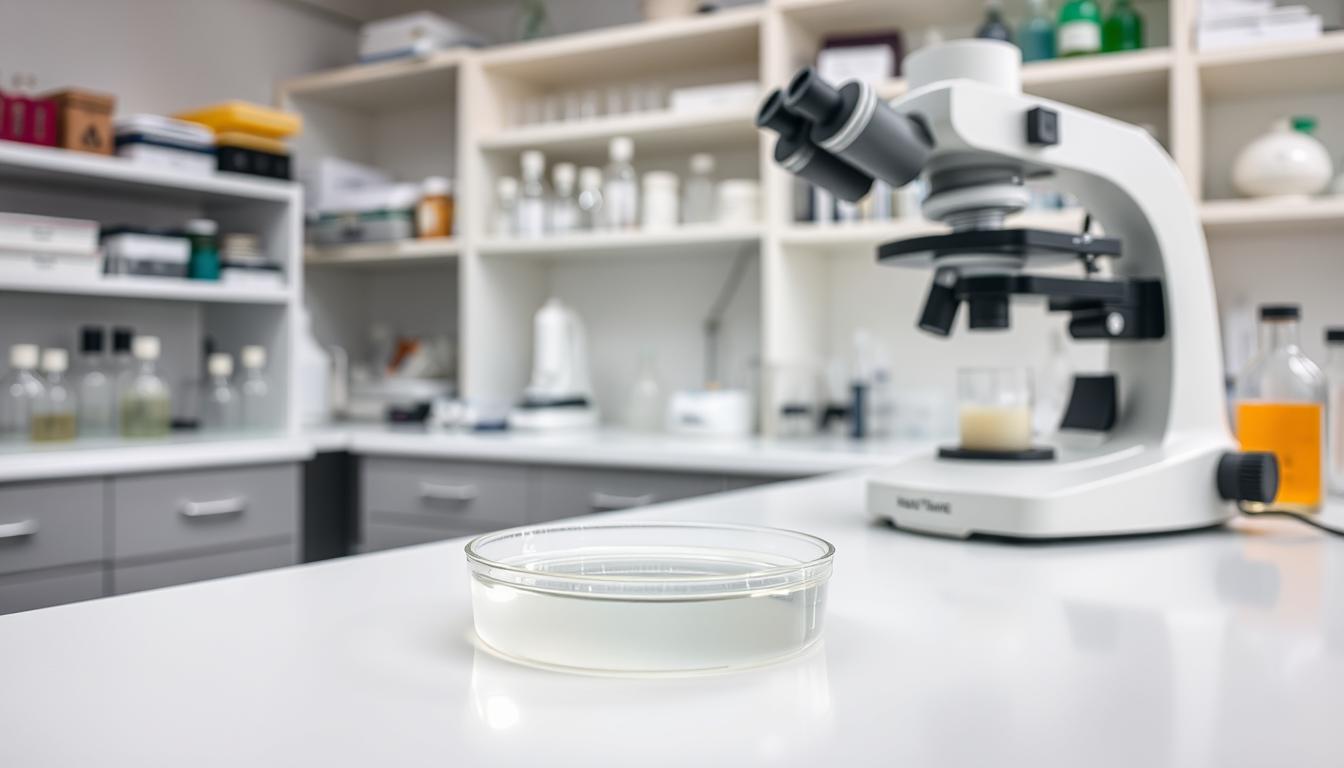
Can a tiny 10cm cell culture dish revolutionize scientific discovery? Researchers worldwide rely on these precision instruments to unlock biological mysteries, transforming complex cellular interactions into breakthrough insights.
Cell culture dishes represent critical tools in modern scientific research, enabling scientists to cultivate and study cellular environments with unprecedented accuracy. The 10cm cell culture dish provides researchers with an optimal platform for observing delicate biological processes, supporting advanced experimental techniques across multiple disciplines.
From molecular biology to pharmaceutical development, these specialized cell culture dishes serve as fundamental instruments in understanding cellular behavior. Researchers leverage their standardized design and precise surface treatments to conduct experiments that push the boundaries of scientific knowledge.
Key Takeaways
- 10cm cell culture dishes are essential for advanced scientific research
- Precise surface treatments enhance cellular growth and observation
- Standardized design supports consistent experimental results
- Versatile applications across multiple scientific disciplines
- Critical for understanding complex cellular interactions
Overview of 10cm Cell Culture Dishes
Cell culture dishes play a critical role in modern biological research, providing researchers with precision tools for cell cultivation and experimentation. These specialized vessels are designed to support optimal cell growth and maintain critical research conditions.
The standard 10cm cell culture dish represents a fundamental instrument in laboratory settings. Manufactured from sterile polystyrene and tissue culture treated, these dishes offer researchers a reliable platform for various cellular studies.
Definition and Purpose
A 10cm cell culture dish is a specialized container engineered to create an ideal environment for cell growth and proliferation. Key characteristics include:
- Precise surface area of 56.7 cm²
- Optimal seeding density of 2.2 x 10⁶ cells
- Maximum cell confluency of 8.8 x 10⁶ cells
- Standardized working volume of 10 mL
Common Applications in Research
Researchers utilize these tissue culture treated dishes across multiple scientific domains, including:
- Mammalian cell line cultivation
- Drug screening protocols
- Cellular behavior studies
- Genetic manipulation experiments
| Feature | Specification |
|---|---|
| Dimensions | 100 x 20 mm (10cm diameter) |
| Material | Sterile polystyrene |
| Surface Treatment | Tissue culture treated |
| Certification | DNase, RNase, DNA, pyrogen free |
These versatile dishes support researchers in conducting precise, reproducible experiments across various biological disciplines.
Materials Used in Manufacturing
Cell culture dishes represent a critical component in scientific research, with material selection playing a pivotal role in experimental success. The manufacturing process involves sophisticated techniques that ensure optimal performance and cell growth compatibility.
Polycarbonate vs. Polystyrene: Material Characteristics
Researchers typically utilize two primary materials for cell culture dishes: polycarbonate and polystyrene. Polystyrene emerges as the preferred choice due to its exceptional properties:
- High-quality USP Class VI certification
- Biocompatible material properties
- Superior surface characteristics for cell adhesion
The treated surface of polystyrene dishes undergoes specialized modifications using ionized gas techniques. These modifications create diverse surface charges that significantly enhance cell attachment and growth potential.
Advanced Sterilization Techniques
Sterilization represents a crucial step in preparing cell culture dishes for research. Manufacturers employ rigorous processes to eliminate potential contaminants:
- Gamma radiation sterilization
- Ethylene oxide treatment
- High-temperature autoclaving
Sophisticated manufacturers integrate vented lid designs to maintain sterility while allowing controlled gas exchange. These advanced manufacturing techniques ensure that cell culture dishes meet the most stringent laboratory requirements.
The surface treatment process involves creating specific molecular modifications, including positive and negative charges, polar groups, and hydrophobic interactions. This precision engineering guarantees consistent cell adhesion and optimal growth conditions.
Features of 10cm Cell Culture Dishes
Cell culture dishes represent critical tools in laboratory research, particularly for adherent cell culture and suspended cell culture applications. These precision-engineered vessels provide researchers with optimal conditions for cellular growth and experimental success.
The design of cell culture dishes involves multiple sophisticated considerations that directly impact research outcomes. Key features ensure consistent performance across various experimental protocols.
Critical Design Elements
- Standardized 100 mm diameter for consistent experimental setup
- Precise 20 mm height for optimal cell growth environment
- SUREGrip design for enhanced handling stability
- 58.8 cm² growth area maximizing cell cultivation space
Surface Treatment Options
Surface treatments play a pivotal role in supporting different cell culture techniques. Researchers can select from various surface modifications to match specific experimental requirements:
| Surface Type | Characteristics | Recommended Use |
|---|---|---|
| Standard Surface | Red color code, optimal for adherent cell culture | Most general cell types |
| Treated Surface | Enhanced cell attachment properties | Challenging cell lines |
| Non-Treated Surface | Prevents cell adhesion | Suspended cell culture |
Advanced manufacturing techniques ensure each dish meets rigorous scientific standards, including gamma irradiation sterilization, pyrogen-free certification, and non-cytotoxic materials.
Best Practices for Cell Culture
Maintaining optimal conditions in bioprocessing and stem cell research requires meticulous attention to detail. Cell culture techniques demand precision and careful protocol management to ensure successful experimental outcomes.
Successful cell culture depends on implementing rigorous sterile techniques and proper handling protocols. Researchers must create an environment that protects cellular integrity and prevents potential contamination.
Critical Sterile Technique Considerations
Sterile technique forms the foundation of successful cell culture practices. Key strategies include:
- Using personal protective equipment like gloves and lab coats
- Working in a certified biosafety cabinet
- Regularly disinfecting work surfaces
- Utilizing sterile consumables
Proper Handling Protocols
Effective stem cell research requires precise handling of cell culture dishes. Critical protocols involve:
- Maintaining consistent temperature during manipulation
- Minimizing exposure to external contaminants
- Using appropriate cell detachment techniques
- Monitoring cell density and growth characteristics
*Precision in cell culture is not just a technique—it’s a scientific discipline.*
Understanding the nuanced requirements of bioprocessing ensures researchers can maintain high-quality cellular environments, ultimately supporting breakthrough scientific discoveries.
Advantages of Using 10cm Cell Culture Dishes
Scientific research demands precision and optimal conditions for cell cultivation. The 10cm cell culture dish emerges as a critical tool that offers researchers significant advantages in laboratory settings. These tissue culture treated dishes provide an ideal environment for cell growth and observation.
Researchers benefit from several key advantages when utilizing 10cm cell culture dishes:
- Expansive surface area of approximately 5671 mm² for robust cell growth
- Enhanced visibility for microscopic examination
- Optimal growth space supporting multiple experimental protocols
- Consistent cell distribution across the dish
Enhanced Visibility for Observation
The 10cm cell culture dish provides exceptional optical clarity, enabling researchers to monitor cell morphology and development with remarkable precision. Optical quality surfaces minimize imaging distortions, allowing detailed cellular analysis.
Optimal Growth Space for Cells
With a carefully designed surface area, these dishes support diverse cell types and densities. The tissue culture treated surface ensures:
- High cell attachment rates
- Reduced background fluorescence
- Improved cell survival percentages
Researchers can select from multiple coating options like Poly-D-Lysine or Collagen to further optimize cell growth conditions, making the 10cm cell culture dish an indispensable research instrument.
Compatibility with Laboratory Equipment
Cell culture research demands precision and seamless integration of equipment. Sterile polystyrene dishes play a critical role in ensuring smooth workflows across various laboratory instruments. Researchers rely on standardized design to maintain experimental consistency and optimize scientific processes.
Modern cell culture dishes with treated surface technologies are engineered to meet rigorous laboratory equipment standards. These specialized containers provide researchers with versatile solutions for multiple experimental setups.
Compatibility with Incubators
Incubator integration represents a crucial aspect of cell culture dish design. Researchers benefit from dishes specifically crafted to:
- Maintain consistent temperature control
- Enable uniform gas exchange
- Maximize stacking capabilities
- Prevent contamination risks
Liquid Handling System Optimization
Advanced liquid handling systems require precise dish specifications. The 10cm cell culture dishes demonstrate exceptional compatibility through:
- Standardized dimensions
- Consistent material properties
- Smooth surface treatments
- Reliable volume management
| Equipment Type | Compatibility Features | Performance Impact |
|---|---|---|
| Automated Incubators | Precise Dimensions | Enhanced Research Efficiency |
| Liquid Handling Robots | Treated Surface | Improved Sample Manipulation |
| Microscopy Systems | Optical Clarity | Refined Observation Capabilities |
The strategic design of sterile polystyrene cell culture dishes ensures researchers can confidently integrate their equipment, minimizing potential experimental variables and maximizing research outcomes.
Storage and Maintenance Guidelines
Proper storage of cell culture dishes is crucial for maintaining their integrity and performance in adherent cell culture research. Researchers must follow specific guidelines to preserve the quality of these precision laboratory tools.
The storage environment plays a critical role in protecting the delicate surfaces of cell culture dishes. Polystyrene dishes require careful handling and strategic preservation to ensure optimal research outcomes.
Shelf Life Considerations
Cell culture dishes have specific storage requirements that directly impact their usability and sterility. Key shelf life factors include:
- Packaging remains sealed until immediate use
- Store in clean, dry conditions
- Maintain consistent temperature between 15-25°C
- Protect from direct sunlight
- Avoid humidity and extreme temperature fluctuations
Ideal Storage Conditions
When storing dishes with a vented lid, researchers should prioritize maintaining sterility and preventing surface contamination. Recommended storage practices include:
- Keep dishes in original gamma-sterilized packaging
- Store in sealed sleeves to minimize waste
- Use within recommended expiration timeframe
- Inspect packaging for any damage before use
Each dish is typically packaged in groups of 10, ensuring convenient and sterile storage. The non-cytotoxic polystyrene material provides durability while maintaining the sensitive surface treatment necessary for successful cell culture experiments.
Environmental Impact of Cell Culture Dishes
The biological research community is increasingly focusing on sustainable practices in bioprocessing and suspended cell culture. Environmental responsibility has become a critical consideration in laboratory settings, driving innovations in waste management and materials design.
Scientists are developing groundbreaking approaches to reduce the ecological footprint of laboratory research. The shift towards more environmentally conscious practices involves multiple strategic initiatives.
Biodegradable Options
Researchers are exploring advanced biodegradable materials for cell culture dishes that maintain scientific integrity while minimizing environmental impact. Key developments include:
- Plant-based polymer alternatives
- Compostable synthetic materials
- Recycled plastic formulations
Waste Management Practices
Implementing comprehensive waste reduction strategies has become paramount in modern bioprocessing laboratories. Effective approaches include:
- Implementing strict recycling protocols
- Utilizing specialized disposal systems
- Reducing single-use plastics in suspended cell culture environments
*Sustainable innovation drives scientific progress while protecting our planet’s ecosystem.*
The future of laboratory research depends on balancing technological advancement with environmental stewardship. By investing in eco-friendly solutions, scientists can significantly reduce the carbon footprint associated with cell culture methodologies.
Conclusion and Future Trends in Cell Culture Dishes
The landscape of stem cell research continues to evolve, with 10cm cell culture dishes playing a pivotal role in advancing scientific understanding. Researchers are witnessing unprecedented progress in cell culture technologies that promise to revolutionize biological investigations. The integration of sophisticated materials and innovative design approaches has transformed these essential laboratory tools.
Emerging trends in material science are reshaping the potential of 10cm cell culture dishes. Advanced surface treatments and optimized medium compositions are enabling more precise cell growth environments. Scientists can now achieve more reliable results by leveraging cutting-edge techniques that improve cell attachment, viability, and experimental reproducibility.
Future laboratory research practices will likely focus on addressing current challenges such as fibroblast overgrowth and limited cell culture lifespans. The development of specialized dishes with enhanced customization options suggests a promising trajectory for stem cell research. Researchers anticipate continued improvements in dish design that will support more complex and nuanced cellular studies.
The ongoing technological advancements demonstrate the dynamic nature of biological research. As scientific understanding deepens, 10cm cell culture dishes will remain critical instruments for exploring cellular mechanisms, supporting groundbreaking discoveries that push the boundaries of medical and scientific knowledge.
FAQ
What are 10cm cell culture dishes used for in laboratory research?
10cm cell culture dishes are essential tools in biological research, providing an optimal environment for growing and studying various cell types. They are widely used for cultivating adherent cell lines, conducting drug screening assays, and performing detailed cell behavior studies in bioprocessing and stem cell research applications.
What materials are typically used to manufacture cell culture dishes?
Cell culture dishes are primarily manufactured using sterile polystyrene or polycarbonate. These materials are chosen for their optical clarity, durability, and ability to be treated with specialized surface coatings that enhance cell adhesion or prevent attachment depending on experimental requirements.
How do surface treatments impact cell culture performance?
Surface treatments are crucial in cell culture dishes, with tissue culture treated surfaces designed to modify the dish’s properties. These treatments can promote cell adhesion for adherent cell cultures or create non-adhesive surfaces for suspended cell culture techniques, significantly improving cell growth and experimental outcomes.
What are the key considerations for maintaining sterile cell culture conditions?
Maintaining sterile conditions involves using vented lids, following strict aseptic techniques, working in laminar flow hoods, using sterile equipment, and preventing contamination through careful handling. Proper technique is critical for ensuring experimental reproducibility and cell culture integrity.
How should 10cm cell culture dishes be stored?
Cell culture dishes should be stored in their original packaging in a clean, dry environment away from direct sunlight. They should be kept at room temperature, protected from extreme temperatures, and used before their expiration date to maintain sterility and optimal performance.
Are there environmentally friendly options for cell culture dishes?
Research is ongoing into biodegradable cell culture dish alternatives. Manufacturers are developing more sustainable options that maintain the high performance required for scientific research while reducing environmental impact through improved materials and waste management practices.
What makes 10cm cell culture dishes compatible with laboratory equipment?
10cm cell culture dishes are designed with standardized dimensions to ensure seamless integration with standard laboratory equipment such as incubators, microscopes, and liquid handling systems. Their consistent size and material properties allow for efficient workflows and reliable experimental procedures.
Can these dishes be used for different types of cell cultures?
Yes, 10cm cell culture dishes are versatile and can accommodate both adherent and suspended cell cultures. By selecting appropriately treated surfaces and following specific protocols, researchers can use these dishes for a wide range of cell types and experimental applications.




Leave a Comment
Your email address will not be published. Required fields are marked *