



Precision is paramount when working with serological pipettes, especially with viscous liquids. Scientists and laboratory professionals rely on accurate measurements to ensure experimental integrity. The serological pipette reading technique requires specialized skills that go beyond standard liquid handling methods.
Understanding how to read a serological pipette involves mastering specific techniques that account for liquid properties, environmental conditions, and measurement accuracy. Viscous solutions present unique challenges that demand careful attention and technical expertise.
Laboratory professionals must develop a systematic approach to pipetting that minimizes errors and maximizes reproducibility. Our comprehensive guide will walk you through the essential strategies for managing viscous liquid measurements with confidence and precision.
Key Takeaways
- Precise pipette reading is critical for scientific research
- Viscous liquids require specialized handling techniques
- Proper technique reduces measurement errors
- Environmental factors impact serological pipette accuracy
- Consistent practice improves pipetting skills
Understanding Serological Pipettes
Serological pipettes are critical tools in laboratory settings, designed to support precise liquid transfer and pipette measurement accuracy. These specialized instruments play a crucial role in scientific research, medical diagnostics, and various laboratory pipetting skills.
Scientific professionals rely on serological pipettes for their unique capabilities in handling liquid samples with exceptional precision. Unlike standard measuring tools, these pipettes offer remarkable versatility across multiple research domains.
Definition and Purpose
A serological pipette is a graduated measuring instrument primarily used for transferring liquid volumes ranging from a few milliliters to 100 milliliters. Typically constructed from polystyrene or glass, these pipettes are essential in:
- Cell culture applications
- Microbiology research
- Clinical diagnostics
- Chemical analysis
Components of a Serological Pipette
Understanding the anatomy of a serological pipette is crucial for maintaining optimal laboratory pipetting skills. Key components include:
- Graduated markings: Precise volume indicators
- Pipette tip: Allows controlled liquid transfer
- Bulb or electronic controller: Enables smooth liquid aspiration
Differences Between Serological and Other Pipettes
Serological pipettes distinguish themselves through unique design features that enhance pipette measurement accuracy. Unlike micropipettes or volumetric pipettes, they offer:
- Wider volume range
- Better handling of viscous liquids
- More flexible application in research settings
Researchers value serological pipettes for their exceptional precision and adaptability in complex scientific environments.
Importance of Proper Reading Techniques
Scientific research demands precision at every step. Proper pipette volume reading stands as a critical foundation for accurate experimental results. Researchers across various disciplines rely on scientific pipetting methods to ensure the reliability and reproducibility of their work.
Accurate measurements play a pivotal role in multiple scientific domains. The implications of precise volume reading extend far beyond simple liquid transfer.
Accurate Measurements for Research
Researchers must understand the profound impact of precise measurements on experimental outcomes. Small variations can lead to significant discrepancies in scientific findings.
- Reduces experimental error rates
- Enhances data consistency
- Supports reproducible scientific research
Impact on Experiment Results
Incorrect volume readings can compromise entire research projects. Precision is not just a recommendation—it’s a fundamental requirement in scientific investigations.
- Potential for false research conclusions
- Risk of invalidating experimental data
- Decreased research credibility
Applications in Clinical Settings
Clinical laboratories depend on exact scientific pipetting methods for critical diagnostics and medical research. From blood testing to pharmaceutical development, proper pipette volume reading ensures patient safety and accurate medical insights.
By mastering proper volume reading techniques, researchers and clinicians can significantly improve the quality and reliability of their work across diverse scientific disciplines.
Steps to Read a Serological Pipette
Mastering the serological pipette reading technique is crucial for precise liquid handling in labs. Accurate measurements depend on proper pipette use and careful observation. Scientists and researchers must follow specific steps to ensure reliable results in their experiments.
Professional liquid handling requires attention to detail and systematic approach. The following steps will guide you through the process of reading a serological pipette with maximum accuracy.
Aligning the Pipette Horizontally
Proper alignment is the foundation of accurate measurement. When reading a serological pipette, you must:
- Hold the pipette at eye level
- Ensure the pipette is perfectly horizontal
- Maintain a steady hand to prevent parallax errors
Identifying the Meniscus
The meniscus is the curved liquid surface that determines precise volume measurements. Careful observation of the meniscus bottom is critical for accurate readings.
| Meniscus Type | Liquid Behavior | Reading Technique |
|---|---|---|
| Concave Meniscus | Water-like liquids | Read from bottom curve |
| Convex Meniscus | Mercury or viscous liquids | Read from top curve |
Reading the Scale Effectively
Interpreting the graduated scale requires precision in liquid handling in labs. Follow these guidelines:
- Align your eye directly with the meniscus
- Read the measurement at the liquid’s lowest point
- Account for liquid viscosity when determining volume
Practice and careful technique are essential for developing expertise in serological pipette reading. Each measurement contributes to the overall accuracy of scientific research.
Special Considerations for Viscous Liquids
Laboratory professionals understand that pipette measurement accuracy becomes significantly challenging when working with viscous liquids. Different liquid properties can dramatically impact the precision of scientific measurements, requiring specialized techniques and careful approach.
Viscosity presents unique challenges in laboratory pipetting skills. Liquids like glycerol, dimethyl sulfoxide (DMSO), and Tween 20 demonstrate complex behavioral characteristics that demand advanced handling strategies.
How Viscosity Influences Measurement Precision
Viscous liquids interact differently with pipette surfaces due to their high resistance to flow. Key factors affecting measurement include:
- Enhanced surface tension
- Increased liquid adhesion
- Slower liquid movement
- Potential volume retention
Techniques for Accurate Viscous Liquid Transfers
Professionals can optimize pipette measurement accuracy through specialized techniques:
- Utilize reverse pipetting method
- Select wide-bore pipette tips
- Maintain consistent pipetting angle
- Allow additional settling time
| Liquid Type | Viscosity Level | Recommended Technique |
|---|---|---|
| Glycerol | High | Reverse Pipetting |
| DMSO | Medium | Wide-Bore Tip |
| Tween 20 | Low-Medium | Standard Technique |
Adapting Reading Methods for Different Viscosities
Successful laboratory pipetting skills require adaptability. Understanding liquid behavior helps researchers develop precise measurement strategies that compensate for viscosity variations.
Common Mistakes When Using Serological Pipettes
Mastering proper pipette volume reading requires understanding the most frequent errors that can compromise scientific pipetting methods. Laboratory professionals often encounter challenges that can significantly impact experimental accuracy.
Precision in pipetting demands careful attention to multiple critical factors. Scientific researchers frequently make errors that can undermine their experimental results.
Misreading the Scale: A Critical Error
Scale misinterpretation represents a fundamental challenge in proper pipette volume reading. Researchers should:
- Always read the pipette at eye level
- Check the bottom of the liquid meniscus
- Use consistent lighting conditions
- Practice reading different volume graduations
Improper Handling Techniques
Incorrect handling can dramatically reduce measurement precision. Key mistakes include:
- Inconsistent plunger pressure
- Incorrect angle during pipetting
- Failing to pre-wet pipette tips
- Rapid or jerky liquid dispensing
Ignoring Liquid Properties
Scientific pipetting methods require understanding liquid characteristics. Viscosity dramatically impacts volume transfer accuracy. Different liquids demand specialized techniques to ensure reliable measurements.
By recognizing and addressing these common mistakes, researchers can significantly improve their pipetting accuracy and experimental reliability.
Maintenance of Serological Pipettes
Proper maintenance of serological pipettes is crucial for achieving precise laboratory pipetting skills and ensuring accurate scientific results. Laboratory professionals must implement a comprehensive care strategy to protect these sensitive instruments from damage and maintain their optimal performance.

Serological pipette capacity
Effective maintenance involves several critical components that directly impact the instrument’s reliability and longevity.
Cleaning and Disinfection Protocols
Serological pipette calibration begins with rigorous cleaning procedures. Professionals should follow these key steps:
- Use appropriate cleaning solutions specific to pipette materials
- Rinse thoroughly with distilled water
- Dry completely using lint-free laboratory wipes
- Avoid harsh chemicals that might damage pipette surfaces
Proper Storage Practices
Correct storage prevents contamination and maintains pipette integrity. Consider these recommendations:
- Store pipettes vertically in designated racks
- Keep in clean, dust-free environments
- Maintain consistent temperature and humidity
- Protect from direct sunlight and extreme conditions
Calibration Importance
Regular calibration ensures precision in volume measurements. Laboratory teams should establish a systematic calibration schedule.
| Frequency | Calibration Type | Recommended Action |
|---|---|---|
| Every 3-6 months | Standard Calibration | Perform comprehensive volume verification |
| Annually | Advanced Calibration | Complete professional recalibration service |
| After significant impact | Emergency Calibration | Immediate precision testing |
Investing time in systematic maintenance protects your scientific investments and guarantees reproducible experimental results.
Comparison of Pipette Types
Selecting the right pipette is crucial for successful scientific pipetting methods and effective liquid handling in labs. Different pipette types offer unique capabilities that can significantly impact research precision and experimental outcomes.
Laboratories rely on various pipette technologies to meet diverse research requirements. Understanding the strengths and limitations of each pipette type helps researchers make informed decisions about their scientific equipment.
Serological vs. Micropipettes: Key Differences
- Serological pipettes excel in handling larger volume transfers
- Micropipettes provide superior precision for smaller volumes
- Volume ranges distinguish these two primary pipette types
Choosing the Right Pipette for Specific Tasks
Selecting an appropriate pipette depends on several critical factors:
- Liquid viscosity
- Required measurement precision
- Sample volume
- Experimental protocol specifications
Cost and Performance Considerations
Researchers must balance budget constraints with performance requirements when selecting pipettes. While micropipettes can be more expensive, they offer higher precision for smaller volume liquid handling in labs.
Your choice of pipette can directly impact experimental reliability and reproducibility. Careful evaluation of your laboratory’s specific needs will guide you to the most suitable pipetting solution.
Case Studies in Laboratory Settings
Scientific research demands precision, especially when working with complex laboratory pipetting skills. Our exploration of real-world case studies reveals the critical importance of scientific pipetting methods in various research environments.
Successful Use of Serological Pipettes in Advanced Research
Researchers at leading molecular biology laboratories have demonstrated exceptional outcomes by implementing rigorous pipetting techniques. Precision becomes the cornerstone of breakthrough discoveries.
- Biochemistry research projects requiring ultra-precise liquid transfer
- Cell culture experiments demanding minimal volume variations
- Genetic sequencing protocols with microscopic sample volumes
Lessons Learned from Measurement Errors
Common measurement errors can significantly impact research outcomes. Understanding these pitfalls helps scientists develop more robust laboratory pipetting skills.
- Recognizing parallax errors during volume readings
- Identifying viscosity-related measurement challenges
- Implementing calibration protocols
Implications for Quality Control
Scientific pipetting methods directly influence experimental reproducibility. Quality control measures ensure that every research team maintains the highest standards of accuracy and reliability.
By embracing meticulous techniques and continuous learning, researchers can minimize errors and maximize the potential of their scientific investigations.
Visual Guides and Resources
Mastering serological pipette reading technique requires more than just theoretical knowledge. Visual resources play a crucial role in helping laboratory professionals understand and implement proper pipette volume reading strategies.
Effective learning happens through multiple channels. We’ve curated comprehensive visual guides to support your understanding of serological pipette usage and measurement precision.
Comprehensive Pipette Diagram
A detailed diagram helps researchers understand the intricate components of a serological pipette. Key elements to focus on include:
- Calibration markings
- Volume measurement scales
- Tip connection points
- Graduation intervals
Instructional Video Resources
Professional video tutorials offer dynamic demonstrations of proper serological pipette reading technique. These resources provide step-by-step visual guidance for:
- Correct pipette handling
- Reading meniscus accurately
- Managing viscous liquid transfers
- Minimizing measurement errors
Downloadable Reference Materials
Our carefully designed reference charts help laboratory professionals quickly access critical information about proper pipette volume reading. These downloadable resources include:
- Quick conversion guides
- Viscosity adjustment tables
- Measurement error prevention checklist
- Pipette maintenance quick reference
Industry Standards and Best Practices
Maintaining precise scientific pipetting methods is crucial for laboratory research integrity. Professional guidelines and regulatory compliance form the backbone of accurate scientific measurements, especially when working with complex liquid transfers.
Laboratories rely on comprehensive standards to ensure consistent and reliable results. These guidelines encompass multiple aspects of laboratory pipetting skills, from equipment selection to measurement techniques.
Professional Guidelines for Measurements
Effective scientific pipetting methods require adherence to specific professional standards. Key guidelines include:
- Calibration of pipettes at regular intervals
- Proper technique for liquid handling
- Understanding instrument limitations
- Documentation of measurement procedures
Regulatory Compliance Overview
Different research sectors have unique regulatory requirements. Critical areas of focus include:
- Pharmaceutical research protocols
- Clinical diagnostic standards
- Environmental testing regulations
- Quality control benchmarks
Institutional Protocols for Accuracy
Research institutions implement rigorous protocols to maintain measurement precision. Standardized training programs and continuous skill assessment are essential components of maintaining high-quality laboratory pipetting skills.
By embracing these industry standards, laboratories can ensure reproducible results and advance scientific knowledge with confidence.
Troubleshooting Common Issues
Serological pipettes are critical tools in laboratory settings, but researchers often encounter challenges that can compromise pipette measurement accuracy. Understanding these potential issues helps maintain precise liquid handling in labs and ensures reliable experimental results.
When working with complex liquid samples, several common problems can arise that impact measurement precision and sample integrity.
Inconsistent Volume Readings
Inconsistent volume readings typically stem from multiple factors affecting pipette performance. Key causes include:
- Temperature variations in the laboratory environment
- Incorrect pipetting technique
- Wear and tear on pipette components
- Calibration drift over time
Handling Sticky or Adhesive Liquids
Viscous liquids present unique challenges for accurate liquid handling. Researchers can mitigate these issues through strategic techniques:
- Pre-wet pipette tips to reduce liquid adhesion
- Use specialized pipette tips designed for viscous substances
- Adjust pipetting speed to minimize bubble formation
- Perform multiple dispensing cycles for complete transfer
Recognizing Equipment Malfunctions
Detecting potential equipment problems is crucial for maintaining pipette measurement accuracy. Look for these warning signs:
| Malfunction Indicator | Potential Cause | Recommended Action |
|---|---|---|
| Inconsistent liquid volume | Worn seals or piston damage | Replace seals or recalibrate equipment |
| Difficulty pipetting | Internal mechanical issues | Professional equipment inspection |
| Visible damage | Physical wear or mishandling | Immediate equipment replacement |
By implementing these troubleshooting strategies, laboratory professionals can maintain high standards of precision in liquid handling and ensure reliable experimental outcomes.
Final Thoughts on Efficient Measurement
Mastering scientific pipetting methods requires continuous dedication and practice. Laboratories rely on precise techniques to ensure research integrity and consistent results. The journey of improving laboratory pipetting skills is ongoing, demanding both technical knowledge and practical experience.
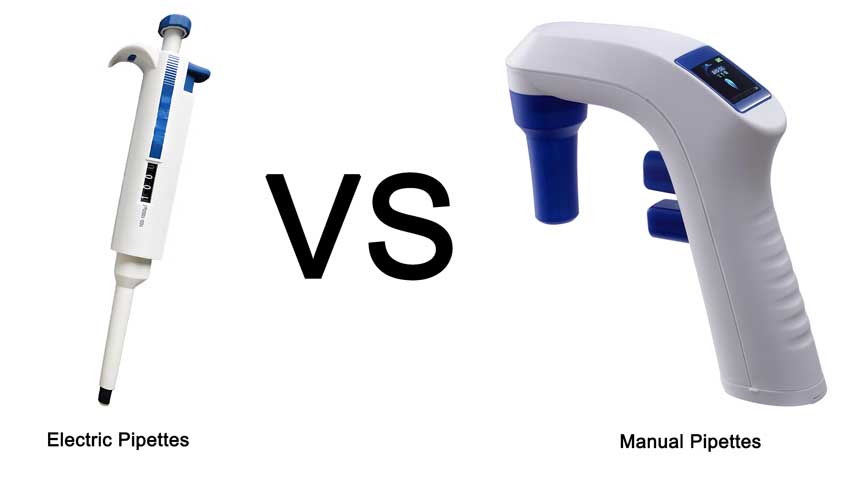
Emerging technologies are transforming liquid handling capabilities. Electronic pipettes and automated systems represent significant advancements in precision measurement. Researchers can now achieve unprecedented accuracy when working with complex viscous liquids, reducing human error and increasing experimental reliability.
Advancing Your Laboratory Skills
Professional development in scientific techniques never stops. Staying updated with current research, attending workshops, and exploring new technological innovations will help researchers enhance their pipetting capabilities. Universities and research institutions increasingly emphasize advanced training programs to support scientists in developing sophisticated laboratory skills.
Future of Precision Measurement
The future of laboratory equipment looks promising. Innovations in material science and digital technologies continue to push boundaries of measurement precision. Researchers should remain curious, adaptable, and committed to learning cutting-edge scientific pipetting methods that can dramatically improve experimental outcomes and research quality.
References and further readings:
1.Sanders, E. R. (2012). Aseptic laboratory techniques: volume transfers with serological pipettes and micropipettors. Journal of Visualized Experiments (JoVE), 63, e2754.
https://pmc.ncbi.nlm.nih.gov/articles/PMC3941987/pdf/jove-63-2754.pdf2.Davis, T., & Zanella, A. (2015). Volume measurement. In Current Protocols Essential Laboratory Techniques (Unit 1.1). Wiley.
https://currentprotocols.onlinelibrary.wiley.com/doi/abs/10.1002/9780470089941.et0101s103.Joy, P. P., Surya, S., & Aswathy, C. (2015). Laboratory Manual of Biochemistry. Kerala Agricultural University.
http://www.kau.edu/sites/default/files/documents/prsvkm_laboratory_manual_of_biochemistry.pdf
FAQ
What is a serological pipette and how does it differ from other pipettes?
A serological pipette is a specialized laboratory tool designed for precise liquid transfers, typically with graduated markings along its length. Unlike micropipettes, serological pipettes are particularly useful for handling larger volumes and viscous liquids, with a longer design that allows for more accurate measurement of various liquid types.
How do I read a serological pipette accurately?
To read a serological pipette accurately, hold it horizontally at eye level to avoid parallax errors. Focus on the bottom of the liquid meniscus, which is the curved surface of the liquid. Ensure you’re at eye level with the graduation marks and read the volume at the lowest point of the liquid’s curved surface for the most precise measurement.
What special techniques are needed for pipetting viscous liquids?
When working with viscous liquids, use reverse pipetting techniques and consider using wide-bore tips. Allow extra time for the liquid to settle, adjust for slower flow rates, and use gentle plunger pressure. Consider the liquid’s surface tension and potential adhesion to pipette walls to ensure accurate volume transfer.
How often should I calibrate my serological pipette?
Calibration frequency depends on usage, but generally, serological pipettes should be calibrated every 3-6 months or immediately after any suspected damage. Laboratories working with critical or sensitive measurements may want to calibrate more frequently, especially when working with viscous or challenging liquids.
What are the most common mistakes when using serological pipettes?
Common mistakes include misreading the scale, using inconsistent plunger pressure, incorrect pipette angle, and failing to account for liquid properties like viscosity. Always ensure proper eye-level alignment, read from the bottom of the meniscus, and adapt your technique to the specific liquid you’re handling.
How do I clean and maintain my serological pipette?
Clean your serological pipette immediately after use with appropriate laboratory detergents or disinfectants. Pay special attention to removing viscous residues, use gentle cleaning methods, and avoid harsh chemicals that might damage the pipette. Store in a clean, dry place and protect from extreme temperatures and direct sunlight.
Can I use the same pipetting technique for all types of liquids?
No, different liquids require different pipetting techniques. Viscous liquids need special consideration, including slower dispensing, potential reverse pipetting, and adjustments for surface tension and flow rate. Always adapt your technique to the specific liquid’s properties to ensure accurate measurements.
What should I do if I’m experiencing inconsistent volume readings?
Check for potential issues such as tip contamination, pipette damage, or improper technique. Verify the pipette’s calibration, ensure consistent plunger pressure, and examine the pipette for any signs of wear. If problems persist, consult with the manufacturer or consider professional calibration.
Leo Bios
Hello, I’m Leo Bios. As an assistant lecturer, I teach cellular and
molecular biology to undergraduates at a regional US Midwest university. I started as a research tech in
a biotech startup over a decade ago, working on molecular diagnostic tools. This practical experience
fuels my teaching and writing, keeping me engaged in biology’s evolution.





Leave a Comment
Your email address will not be published. Required fields are marked *