


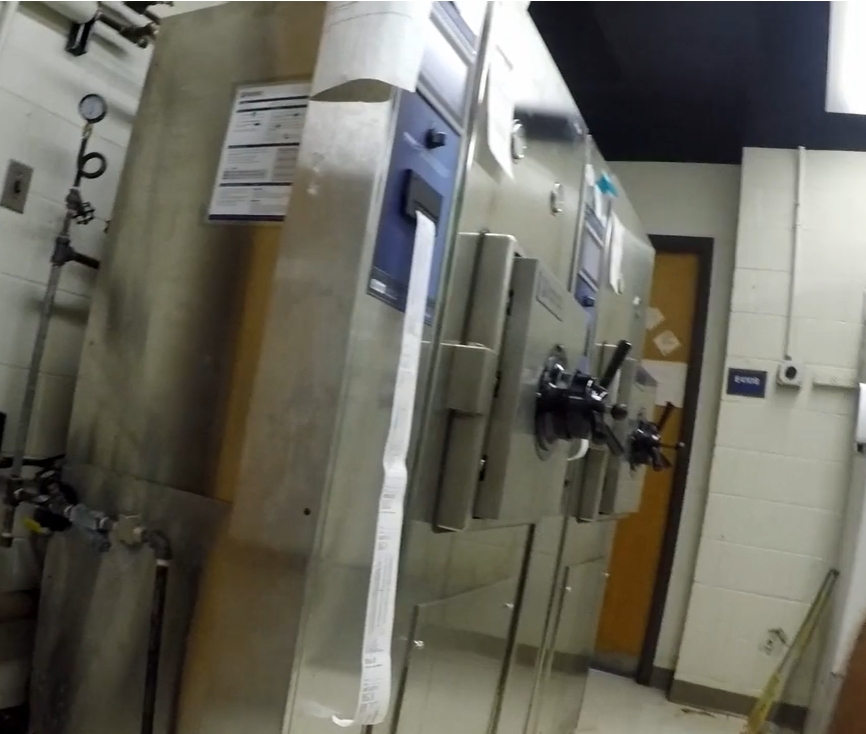
Sterilizing laboratory equipment is a critical process that ensures scientific accuracy and safety. Autoclaving pipette tips represents a fundamental technique for maintaining pristine laboratory conditions. Researchers across multiple disciplines rely on precise sterilization methods to prevent cross-contamination and guarantee experimental integrity.
Understanding how to autoclave pipette tips involves more than simply applying heat. The process requires careful preparation, specific temperature controls, and meticulous attention to detail. Professional laboratories recognize that proper sterilization of pipette tips is not optional—it’s an essential protocol that protects research outcomes and personnel.
Effective sterilization of laboratory equipment minimizes potential risks associated with biological samples. By implementing rigorous autoclaving techniques, scientists can eliminate harmful microorganisms and create a controlled research environment that supports reliable scientific investigation.
Key Takeaways
- Autoclaving is crucial for maintaining laboratory safety and experimental accuracy
- Proper sterilization prevents cross-contamination of scientific samples
- Pipette tips require specific preparation before autoclaving
- Temperature and pressure settings are critical for effective sterilization
- Regular equipment sterilization supports research integrity
Understanding Pipette Tips and Their Importance
Pipette tips are critical tools in scientific research and laboratory settings, serving as precision instruments for liquid handling and transfer. These small but essential components play a crucial role in ensuring accuracy and reproducibility in experimental procedures.
Laboratory professionals rely on pipette tips for various critical applications across multiple scientific disciplines. Understanding their characteristics and functionality is key to maintaining high-quality research standards.
What Are Pipette Tips?
Pipette tips are specialized plastic attachments designed to fit precisely onto pipetting devices. They are typically manufactured from polypropylene, a material that supports multiple uses and can withstand autoclave temperature for pipette tips. Reusable pipette tips offer significant advantages in laboratory settings, providing cost-effective and environmentally conscious solutions.
Types of Pipette Tips
- Standard disposable tips
- Filtered tips for contamination prevention
- Extended length tips for deep well plates
- Low-retention tips for viscous liquids
- Reusable pipette tips with sterilization capabilities
Applications of Pipette Tips in Laboratories
Scientists utilize pipette tips across diverse research domains, including:
- Molecular biology
- Genetic research
- Clinical diagnostics
- Pharmaceutical development
- Environmental testing
Selecting appropriate pipette tips requires careful consideration of experimental requirements, liquid properties, and potential sterilization needs. Researchers must evaluate factors such as material compatibility, volume accuracy, and potential contamination risks when choosing between disposable and reusable pipette tips.
Reasons to Autoclave Pipette Tips
Laboratory safety and research integrity depend on meticulous sterilization techniques. Pipette tips represent critical tools that require careful handling and thorough decontamination to maintain experimental precision and prevent potential contamination risks.
Understanding the essential reasons for implementing laboratory autoclaving procedures helps researchers protect their work and maintain high scientific standards.
Sterilization for Safety
Proper autoclave cycle eliminates dangerous microorganisms that can compromise research outcomes. Sterilization protects laboratory personnel from potential biological hazards by destroying:
- Bacterial colonies
- Fungal spores
- Viral particles
- Potential infectious agents
Preventing Cross-Contamination
Unsterilized pipette tips can introduce significant errors in scientific experiments. Cross-contamination occurs when microbes transfer between samples, potentially skewing research results.
| Contamination Source | Potential Research Impact |
|---|---|
| Bacterial Transfer | Inaccurate biological measurements |
| Fungal Spores | Compromised cell culture experiments |
| Viral Particles | Unreliable genetic research outcomes |
Compliance with Laboratory Standards
Rigorous sterilization practices ensure compliance with professional research guidelines. Laboratories must adhere to strict protocols that mandate thorough decontamination of scientific equipment.
By consistently applying proper laboratory autoclaving procedures, researchers demonstrate commitment to scientific excellence and maintain the highest standards of experimental integrity.
Preparing Pipette Tips for Autoclaving
Laboratory professionals know that proper preparation is crucial for effective sterilization of pipette tips. Successful autoclaving requires careful attention to detail and understanding of specific sterilization protocols.
Before autoclaving, several critical steps ensure the best results for heat-resistant pipette tips:
- Thoroughly clean reusable tips with distilled water
- Remove any chemical residues
- Inspect tips for potential damage
- Select appropriate autoclave bags
Selecting the Right Autoclave Bags
Choosing compatible autoclave bags is essential for maintaining the integrity of your pipette tips. Heat-resistant pipette tips require specialized packaging that can withstand high temperatures and autoclave pressure settings.
Properly Arranging Pipette Tips
Correct arrangement maximizes steam penetration during sterilization. Avoid overcrowding the autoclave bags, which can prevent uniform heat distribution and compromise the sterilization process.
Checking Compatibility with Autoclave Conditions
Not all pipette tips are created equal. Verify the temperature and pressure tolerance of your specific tips before autoclaving. Different materials respond differently to autoclave pressure settings.
By following these meticulous preparation steps, you can ensure effective sterilization and maintain the highest standards of laboratory hygiene.

The Autoclaving Process
Laboratory sterilization techniques require precise and careful execution, especially when working with delicate scientific equipment like pipette tips. The autoclaving process plays a crucial role in ensuring complete sterilization and maintaining the integrity of laboratory tools.
Understanding the nuanced steps of autoclaving pipette tips can significantly improve your laboratory’s safety and experimental reliability. Successful sterilization depends on several critical factors that must be carefully managed.
Setting Up the Autoclave
Proper preparation is key to effective sterilization. Before beginning the autoclave process, you should:
- Inspect the autoclave chamber for any debris or damage
- Check the water reservoir levels
- Verify the door gasket is clean and intact
- Ensure proper electrical connections
Temperature and Pressure Settings
Autoclave temperature for pipette tips requires specific parameters to achieve complete sterilization. The optimal conditions typically involve:
| Parameter | Recommended Setting |
|---|---|
| Temperature | 121°C (252°F) |
| Pressure | 1 bar (15 PSI) |
| Sterilization Cycle | Gravity displacement |
Duration of the Autoclaving Cycle
The sterilization cycle requires precise timing. Most laboratory sterilization techniques recommend a holding time of at least 20 minutes at the specified temperature. This duration ensures complete elimination of potential contaminants while protecting the structural integrity of pipette tips.
By following these guidelines, researchers can maintain the highest standards of laboratory hygiene and experimental accuracy.
Post-Autoclaving Procedures
After completing laboratory autoclaving procedures, proper handling of reusable pipette tips becomes critical for maintaining sterility and ensuring optimal performance. The steps you take immediately following the sterilization process can significantly impact the quality and reliability of your scientific equipment.
Autoclave processSuccessful post-autoclaving management involves several key considerations:
- Cooling and depressurization of sterilized equipment
- Safe handling techniques
- Appropriate storage methods
- Quality assessment of reusable pipette tips
Allowing Tips to Cool
Patience is essential when removing reusable pipette tips from the autoclave. Allowing sufficient cooling time prevents potential thermal damage and ensures structural integrity. Wait until the temperature stabilizes and pressure drops to zero before opening the autoclave door.
Proper Storage of Sterilized Tips
Maintaining sterility requires meticulous storage practices. Store autoclaved pipette tips in sealed, clean containers away from potential contaminants. Ideal storage locations include dust-free cabinets with controlled humidity and temperature.
Identifying Signs of Damage or Contamination
Careful inspection of reusable pipette tips after laboratory autoclaving procedures is crucial. Look for:
- Visible cracks or deformations
- Discoloration
- Irregular surface texture
- Signs of potential chemical degradation
Discard any tips showing signs of compromise to prevent potential cross-contamination or experimental errors.
Comparing Autoclaving and Other Sterilization Methods
Sterilizing laboratory equipment requires careful consideration of various techniques. Each method offers unique advantages and challenges for ensuring complete microbial elimination. Understanding the nuanced approaches to laboratory sterilization techniques helps researchers select the most appropriate method for their specific needs.

Autoclave controller
Advantages of Autoclaving
Autoclaving stands out as a premier method for sterilizing laboratory equipment due to its comprehensive effectiveness. The process utilizes high-pressure steam to achieve near-perfect sterilization across multiple material types.
- Eliminates 99.9% of microorganisms
- Works effectively on heat-resistant materials
- Provides rapid and reliable sterilization
- Cost-effective compared to alternative methods
Limitations of Alternative Methods
While autoclaving remains powerful, alternative sterilization techniques have specific scenarios where they excel. Chemical disinfection and UV irradiation offer unique benefits for heat-sensitive materials.
| Method | Effectiveness | Material Compatibility |
|---|---|---|
| Autoclaving | High | Heat-resistant materials |
| Chemical Disinfection | Moderate | Sensitive instruments |
| UV Irradiation | Limited | Surface sterilization |
When to Choose Other Sterilization Techniques
Selecting the right sterilization method depends on multiple factors. Researchers must evaluate material composition, contamination level, and specific laboratory requirements when determining the most suitable approach for sterilizing laboratory equipment.
Different scenarios demand tailored sterilization strategies. Heat-sensitive plastics, delicate electronic components, and specialized research materials might require alternative laboratory sterilization techniques beyond traditional autoclaving.
Best Practices for Autoclaving Pipette Tips
Maintaining high-quality sterilization protocols is crucial for laboratory success. When working with heat-resistant pipette tips, implementing a consistent and reliable autoclave cycle becomes essential for ensuring accurate research outcomes.
Effective sterilization requires a strategic approach that goes beyond simple cleaning procedures. Laboratory professionals must develop comprehensive strategies to protect their research integrity and equipment quality.
Frequency of Sterilization
Determining the right sterilization frequency depends on several critical factors:
- Experiment type and sensitivity
- Frequency of pipette tip usage
- Potential contamination risks
- Specific research protocols
Monitoring Autoclave Performance
A proper autoclave cycle demands rigorous performance monitoring. Laboratories should implement multiple verification methods:
- Use chemical indicators like type 4 or type 5 strips
- Conduct mechanical gauge observations
- Perform regular calibration checks
- Track temperature and pressure consistently
Documentation and Record Keeping
Maintaining detailed records of your heat-resistant pipette tips sterilization process helps ensure reproducibility and compliance. Key documentation should include:
- Sterilization date and time
- Autoclave cycle parameters
- Batch-specific tracking information
- Indicator test results
By following these best practices, laboratories can maximize the reliability of their pipette tip sterilization protocols and maintain the highest standards of research precision.
Frequently Asked Questions About Autoclaving
Laboratory professionals often encounter challenges when sterilizing pipette tips. Our comprehensive guide addresses the most critical questions about how to autoclave pipette tips effectively and safely.
Can All Pipette Tips Be Autoclaved?
Not every pipette tip is suitable for autoclaving. Different materials react differently to high-pressure and high-temperature sterilization. Understanding autoclave pressure settings is crucial for successful sterilization.
- Polypropylene tips: Typically autoclavable
- Filtered tips: Often require special handling
- Specialty plastic tips: Check manufacturer recommendations
What to Do If Tips Are Contaminated?
Contaminated pipette tips demand careful handling to prevent potential laboratory hazards. Follow these essential steps:
- Isolate contaminated tips immediately
- Use appropriate personal protective equipment
- Decontaminate using recommended chemical solutions
- Dispose of tips in designated biohazard containers
How to Ensure Effective Sterilization?
Achieving proper sterilization requires attention to critical autoclave parameters:
| Parameter | Recommended Setting |
|---|---|
| Temperature | 121°C (250°F) |
| Pressure | 15-20 PSI |
| Sterilization Time | 15-20 minutes |
Implementing these guidelines ensures your pipette tips remain sterile and contamination-free during critical laboratory procedures.
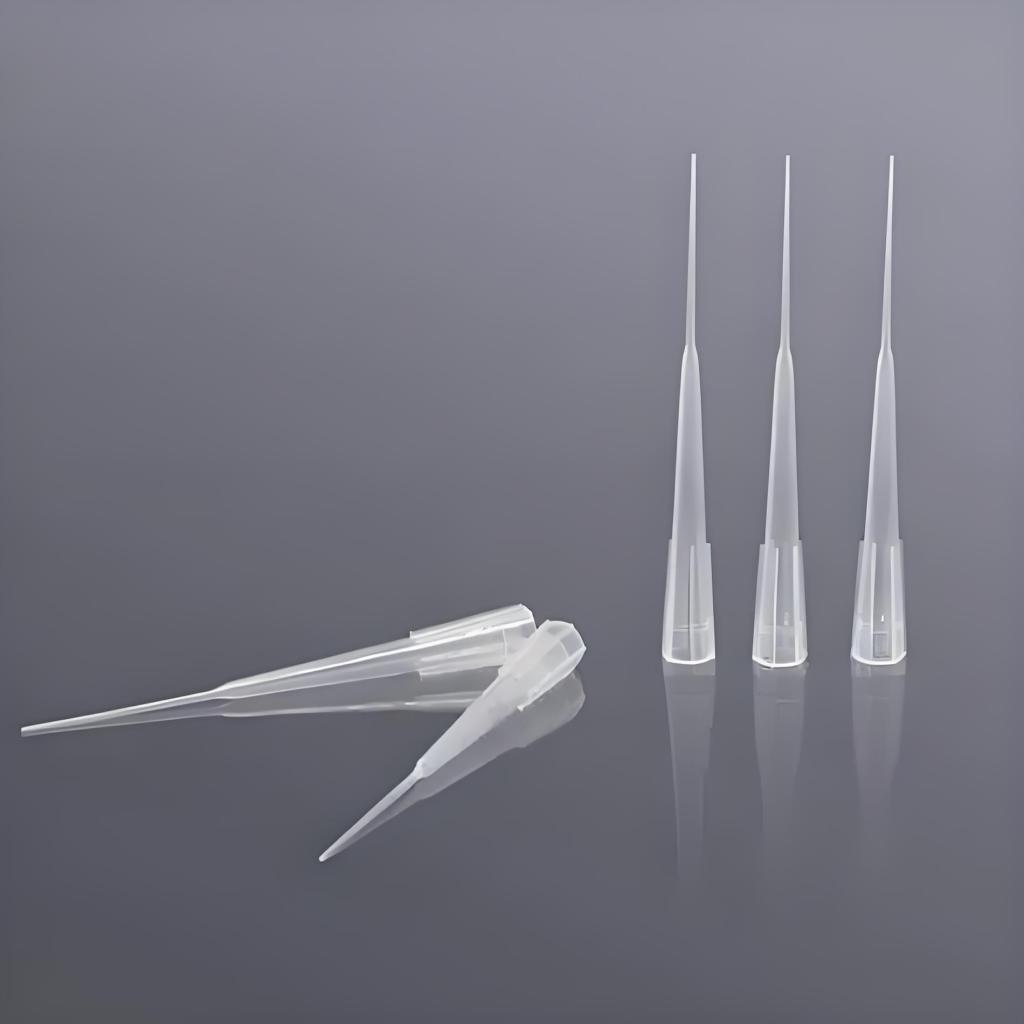
Pipette tips
Common Mistakes in Autoclaving Pipette Tips
Laboratory professionals often encounter challenges when sterilizing pipette tips through autoclaving. Understanding these common mistakes can significantly improve the laboratory autoclaving procedures and ensure consistent, high-quality results.
Precise sterilization requires careful attention to detail and adherence to best practices. Researchers must be vigilant about potential errors that can compromise the effectiveness of their autoclave temperature for pipette tips.
Overloading the Autoclave: A Critical Error
Overloading represents one of the most significant mistakes in pipette tip sterilization. When too many tips are packed into the autoclave chamber, steam circulation becomes restricted, leading to:
- Uneven sterilization
- Potential contamination
- Reduced overall effectiveness
Temperature Setting Challenges
Incorrect temperature settings can render the entire sterilization process ineffective. Laboratories must carefully calibrate their autoclave to maintain the optimal temperature range.
| Temperature Range | Sterilization Effectiveness |
|---|---|
| Below 121°C | Insufficient sterilization |
| 121-134°C | Optimal sterilization |
| Above 134°C | Potential tip damage |
Safety Protocol Negligence
Ignoring essential safety protocols can lead to significant risks. Proper personal protective equipment and careful handling are non-negotiable in laboratory environments.
By addressing these common mistakes, laboratory professionals can ensure more reliable and effective sterilization of pipette tips, maintaining the highest standards of scientific research and safety.
Innovations in Pipette Tip Sterilization
The landscape of sterilizing laboratory equipment continues to evolve rapidly, with groundbreaking innovations transforming laboratory sterilization techniques. Researchers and manufacturers are developing cutting-edge solutions to enhance the efficiency and reliability of pipette tip sterilization processes.
Advances in Tip Materials
Modern pipette tips are experiencing significant material innovations that improve their performance during sterilization. Key developments include:
- Heat-resistant polymer composites
- Nano-engineered surface treatments
- Enhanced chemical-resistant materials
New Methods of Sterilization
Emerging sterilization techniques are challenging traditional autoclaving methods. These innovative approaches focus on precision and reduced environmental impact.
| Sterilization Method | Key Advantages | Typical Application |
|---|---|---|
| Plasma Sterilization | Low temperature, chemical-free | Sensitive laboratory equipment |
| UV-C Radiation | Rapid process, no chemical residue | Surface and small instrument sterilization |
| Electron Beam Treatment | Penetrative sterilization | Complex medical and research instruments |
Future Trends in Laboratory Sterilization
The future of laboratory sterilization techniques points toward smart, integrated systems. Artificial intelligence and automation are expected to play crucial roles in developing more efficient sterilization protocols.
- AI-driven sterilization monitoring
- Real-time contamination detection
- Automated validation processes
These innovations promise to revolutionize how laboratories approach equipment sterilization, making processes more reliable, efficient, and environmentally sustainable.
Conclusion: Best Practices for Autoclaving Pipette Tips
Sterilizing pipette tips represents a critical protocol in laboratory safety and research precision. The comprehensive process of how to autoclave pipette tips ensures experimental integrity and minimizes potential contamination risks across scientific disciplines.
Understanding the nuanced techniques of pipette tips sterilization can dramatically improve research outcomes. Laboratory professionals must recognize that proper autoclaving goes beyond simple cleaning – it is a fundamental step in maintaining experimental reliability and protecting scientific data quality.
Strategic implementation of sterilization protocols involves multiple critical considerations. From selecting appropriate autoclave bags to monitoring temperature settings, each step contributes to effective pipette tips preparation. Research facilities should develop robust standard operating procedures that emphasize consistent, methodical sterilization techniques.
By prioritizing meticulous sterilization practices, scientific teams can significantly reduce contamination risks and enhance overall laboratory performance. Investing time in learning precise autoclaving methods will ultimately support more accurate, reproducible research across medical, biological, and clinical research environments.
References and further readings:
1.Sanders, E. R. (2012). Aseptic laboratory techniques: Volume transfers with serological pipettes and micropipettors. Journal of Visualized Experiments (JoVE), 63, e2754.
https://pmc.ncbi.nlm.nih.gov/articles/PMC3941987/pdf/jove-63-2754.pdf2.Veyssi, A., Samineni, L., & Mohanty, R. P. (2025). Bio-contaminated plastic micropipette tip sterilization stations: Environmentally, economically, and energetically viable solution. Waste Management.
https://www.sciencedirect.com/science/article/abs/pii/S0956053X250005343.Mazur, S., Holbrook, M. R., Burdette, T., et al. (2016). Safety precautions and operating procedures in an (A) BSL-4 laboratory: 2. General practices. Journal of Visualized Experiments (JoVE), 116, e53600.
https://pmc.ncbi.nlm.nih.gov/articles/PMC5092168/pdf/jove-116-53600.pdf
FAQ
Can all pipette tips be autoclaved?
Not all pipette tips are suitable for autoclaving. Reusable pipette tips made from heat-resistant materials like polypropylene can typically withstand autoclave temperatures. Disposable tips should be specifically labeled as autoclavable. Always check the manufacturer’s specifications for heat and pressure tolerance before attempting to sterilize.
What temperature and pressure settings are recommended for autoclaving pipette tips?
Standard autoclave settings for pipette tips typically involve 121°C (250°F) at 15 pounds per square inch (PSI) for 15-20 minutes. However, specific settings may vary depending on the tip material and manufacturer recommendations. Always consult the product specifications to ensure proper sterilization without damaging the tips.
How often should pipette tips be autoclaved?
The frequency of autoclaving depends on laboratory usage and experimental requirements. Reusable tips should be sterilized between each use or experiment. Disposable tips are typically used only once. Regular monitoring and adherence to your laboratory’s specific protocols are crucial for maintaining sterility and preventing cross-contamination.
What are the risks of not properly sterilizing pipette tips?
Improper sterilization can lead to several significant risks, including:
– Cross-contamination between samples
– Introduction of unwanted microorganisms
– Potential compromise of experimental results
– Potential transmission of biological contaminants
– Violation of laboratory safety standards
How can I tell if pipette tips are properly sterilized?
To verify proper sterilization, use:
– Biological indicators that change color after successful sterilization
– Chemical indicator strips
– Regular autoclave performance testing
– Maintaining consistent autoclave cycle parameters
– Professional laboratory validation procedures
Can chemical sterilization be used instead of autoclaving?
While chemical sterilization can be an alternative, autoclaving remains the most reliable method for comprehensive microbial elimination. Chemical methods may not effectively destroy all microorganisms, particularly bacterial spores. Autoclaving provides more consistent and thorough sterilization for most laboratory pipette tips.
What should I do if pipette tips become contaminated?
For contaminated pipette tips:
– Immediately isolate the potentially contaminated materials
– Follow laboratory biosafety protocols
– Use appropriate personal protective equipment
– Decontaminate or dispose of tips according to institutional guidelines
– Document the incident for future reference and potential investigation
How should autoclaved pipette tips be stored?
Properly store autoclaved pipette tips by:
– Using sealed, sterile containers – Keeping storage areas clean and dry
– Avoiding direct sunlight
– Maintaining consistent temperature
– Protecting from potential recontamination
– Using within a reasonable time frame after sterilization
Leo Bios
Hello, I’m Leo Bios. As an assistant lecturer, I teach cellular and
molecular biology to undergraduates at a regional US Midwest university. I started as a research tech in
a biotech startup over a decade ago, working on molecular diagnostic tools. This practical experience
fuels my teaching and writing, keeping me engaged in biology’s evolution.





Leave a Comment
Your email address will not be published. Required fields are marked *