


Table of Contents
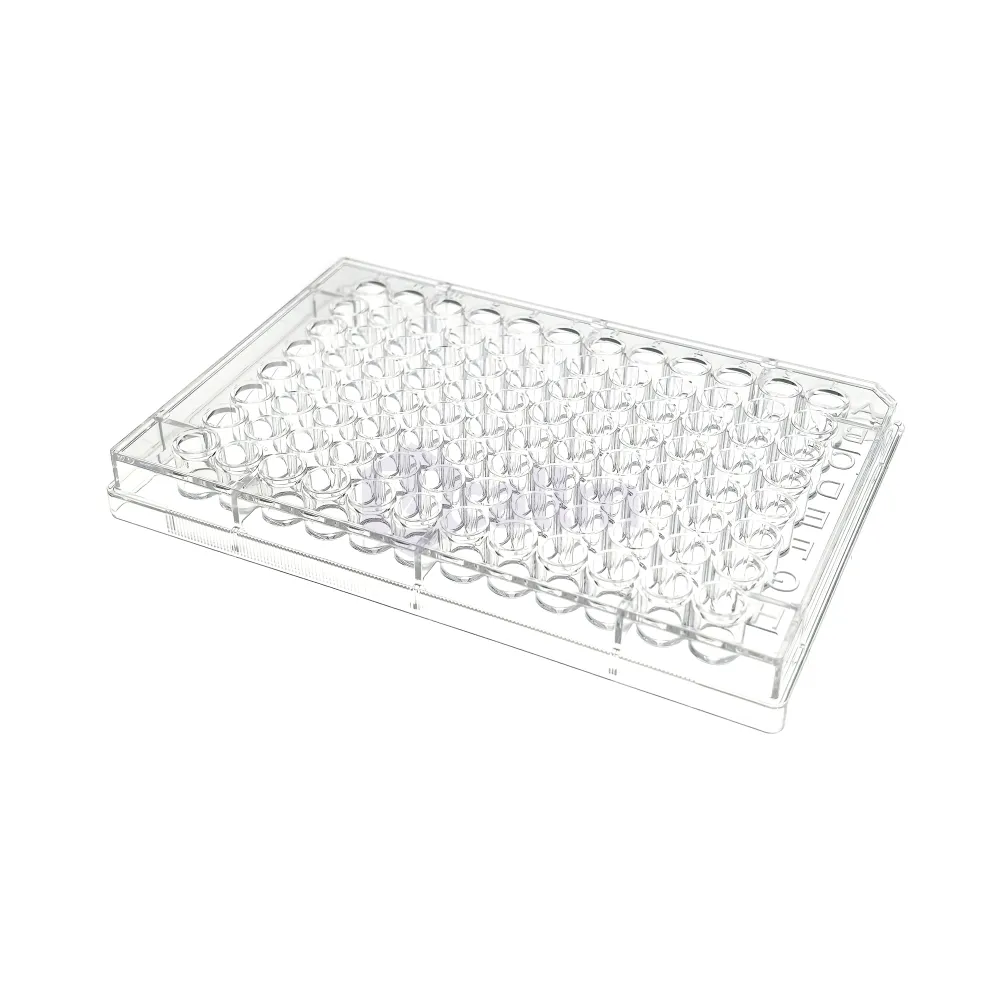
In today’s fast world of biotechnology and research, labs need better ways to store and manage samples. The 96 deep well plate is a key tool that has changed how scientists work. These plates help labs work more efficiently by storing samples well and working with advanced systems.
96 deep well plates from top brands like NEST Scientific are made with care. They have clear walls for easy tracking of samples. Their design also prevents liquid from getting stuck, saving samples and reducing waste.
These plates come in many types to fit different lab needs. You can find them in various sizes and shapes, like square and round wells. They are available in sterile and non-sterile versions, and more. This makes them a great fit for any lab looking to improve its work.
In short, 96 deep well plates are a must-have for scientists in biotechnology and life science labs. They are safe for many chemicals, handle liquids well, and work with different lab tools. This makes them perfect for many experiments.
These options let researchers pick the right 96 deep well microplates for their needs. This ensures their work runs smoothly and efficiently in the lab.
96 deep well microplates are vital in labs. They help with screening and storing samples. These tools help researchers work better and reach their goals.
By focusing on quality control and certification, makers of 96 deep well assay plates and deep well sample storage ensure reliability. This lets researchers and scientists trust these vital lab tools.
The KingFisher DW 96 plates keep samples safe and prevent contamination. They protect against evaporation and condensation. Tests have shown their sealing is effective.
96 deep well plates offer many sealing choices. This gives lab workers the flexibility and security they need. It helps keep samples in top condition.
Key Takeaways:
- Comprehensive storage solutions for high-throughput research and biotechnology applications
- Compatibility with leading liquid handling systems from Beckman, Hamilton, and Tecan
- Unique radius-well design to eliminate “well-creep” and facilitate complete liquid removal
- Available in a wide range of configurations, including sterile and non-sterile options
- Exceptional sample visibility and tracking capabilities with crystal-clear well walls
Understanding Deep Well Plates Technology and Innovation
The world of lab storage has seen a big change with deep well plates. These tools are now key for managing samples and speeding up research. They are made with care and new ideas, making them vital in labs.Evolution of Laboratory Storage Solutions
Deep well plates have changed a lot. They’re no longer just for storing things. New materials and making methods have made them better, faster, and more reliable.Key Components and Design Features
The heart of these plates is the shared-wall tech. It lets them hold more and mix better. The big wells make it easy to handle samples. The U and V shapes help with magnetic bead work and save space.Modern Manufacturing Standards
These plates are made in clean places, following top standards. This makes them perfect for sensitive work. It means scientists can rely on their samples and results. Deep well plates lead the way in lab storage. They mix new tech with useful features. This helps science move forward.| Product | Well Capacity | Well Shape | Certifications |
|---|---|---|---|
| CAPP 96 Deep Well Plates | 1.1 mL and 2.2 mL | Round-bottom and V-bottom | ANSI standards |
| Eppendorf Deepwell Plates | 200, 500, 1000, and 2000 µL | 96- and 384-well formats | PCR clean and Sterile purity grades |
Benefits of 96 Deep Well Plates in Laboratory Settings
96 deep well plates are a big help for scientists in biotechnology and life science labs. They are great for collecting, storing, and processing samples. This makes them key tools in many experiments. These plates can handle many chemicals, solvents, and alcohols. This is important for work in combinatorial chemistry and library applications. It keeps samples safe from contamination or damage. The plates’ round-bottom design helps mix liquids better. It also makes it easier to move samples around without losing any. This is good for automated tests and high-throughput work. Also, 96 deep well plates are great for storing compounds, samples, or biomolecules. This makes lab work more efficient and organized. It helps scientists do their jobs better.| Feature | Benefit |
|---|---|
| Chemical Resistance | Suitable for a wide range of chemicals, solvents, and alcohols used in combinatorial chemistry |
| Round-Bottom Well Design | Enhances liquid mixing and reduces sample retention, ideal for automated workflows |
| Collection Plate Compatibility | Serves as an excellent storage solution for compounds, samples, or biomolecules |
Material Composition and Durability Features
High-quality 96 deep well plates are key in labs. Their material and durability are crucial. They are made from medical-grade polypropylene, a strong and flexible plastic.Medical Grade Polypropylene Properties
The 96 deep well plates are made from top-grade polypropylene. This meets strict USP and USP standards. It means the plates are clean and safe for many lab uses.Chemical Resistance Specifications
These plates stand out for their chemical resistance. They can handle tough lab chemicals and solvents. This is great for combinatorial chemistry and other lab needs.Quality Certification Standards
96 deep well plates go through tough tests and certifications. They are checked to be free from harmful substances. This makes them safe for sensitive lab work. – Dr. Sarah Winters, Lead Researcher, Molecular Biology DepartmentWell Design Options and Configurations
The 96 deep well microplates from Southern Labware offer various designs and configurations. They are made with precision for handling and processing samples efficiently. This is crucial for high-throughput screening tasks. They come with square wells and V-shaped bottoms. These V-bottom wells help in keeping the sample volume low and recovering more sample. On the other hand, round wells and bottoms are also available. They are great for storing and processing samples in general.| Well Design | Well Volume | Key Benefits |
|---|---|---|
| U-shaped wells | 1.2 mL | Enhanced compatibility with magnetic bead extraction |
| V-shaped wells | 2.2 mL | Low dead volume and high sample recovery |
| U-shaped wells | 2.2 mL | Versatile for sample storage and processing |
Storage Capacity and Volume Specifications
Deep well assay plates are key in labs for storing samples. They come in various sizes to fit different needs. This makes them perfect for biotech and research fields.Working Volume Guidelines
These plates can hold from 50 microliters to 1,900 microliters per well. This range helps labs pick the right plate for their experiments. It ensures the plates can handle the sample sizes needed.Maximum Capacity Considerations
Some plates can hold up to 2.2 milliliters per well. This high capacity is important for storing large samples safely. It prevents spills and keeps samples clean. Choosing the right deep well assay plates is crucial. Labs should look at both the working volume and maximum capacity. This ensures they get the best plates for their needs. It boosts the efficiency of their research.Applications in Biotechnology and Research
96 deep well plates are key in biotechnology and research. They are used in many areas, from storing samples to finding new drugs. They help in preparing genomic libraries too. In combinatorial chemistry, these plates store huge chemical libraries. This helps find new drugs. They also help grow bacteria and yeast for study. These plates are also used in next-generation sequencing and genomic library prep. They keep DNA and RNA safe and organized. This is crucial for research and analysis. In biobanking, they store biological samples like tissues and cells. They keep samples stable and prevent contamination. This is vital for researchers and doctors. They are also used in preparing samples for PCR and qPCR. Their design works well with automated systems and pipettes. This makes processing samples fast and reliable. 96 deep well plates are essential in biotechnology and research. They help streamline work, keep samples safe, and advance science.| Application | Description |
|---|---|
| Sample Collection and Storage | Ideal for collecting, storing, and managing various biological samples, including DNA, RNA, proteins, and cell cultures. |
| Combinatorial Chemistry and Drug Discovery | Utilized for storing and screening large chemical libraries to identify potential drug candidates. |
| Bacterial and Yeast Growth | Provide a controlled environment for the cultivation and analysis of microorganisms. |
| NGS and Genomic Library Preparation | Offer a secure and organized platform for the storage and processing of DNA and RNA samples. |
| Biobanking | Essential for the long-term storage and preservation of biological samples, such as tissue samples, cell lines, and patient-derived specimens. |
| Sample Preparation for PCR and qPCR | Adaptable to automated liquid handling systems and compatible with multi-channel pipettes for high-throughput sample processing and analysis. |
Compatibility with Automated Systems
The 96 deep well plates fit perfectly with many automated lab systems. They follow the ANSI format, making them work well with lots of automated tools. This includes ALPS5000, ALPS3000, and ALPS50V Heat Sealers, and even the Multidrop Combi and centrifuges.Integration with Liquid Handling Platforms
These plates are great for liquid handling platforms. They help manage samples efficiently and accurately. They work well with KingFisher™ platforms, known for their advanced sample prep. Using these plates with these systems makes workflows smoother. It reduces the chance of human mistakes and improves data quality.Robotic System Requirements
- Precise volume dispensing capabilities
- Accurate liquid aspiration and dispense functions
- Reliable plate handling and positioning mechanisms
- Compatibility with the ANSI-compliant format of 96 deep well plates
| Automated System | Compatibility |
|---|---|
| ALPS5000 Heat Sealer | Yes |
| ALPS3000 Heat Sealer | Yes |
| ALPS50V Heat Sealer | Yes |
| Multidrop Combi Reagent Dispenser | Yes |
| KingFisher™ Platforms | Recommended |
Sample Management and Processing Features
96 deep well microplates are key in modern labs. They help manage and process samples efficiently. These plates are perfect for storing and handling samples, making workflows better and data more reliable. These plates are great for storing many samples at once. They are flat and sealed well, keeping samples safe and preventing contamination. You can choose from different seals to fit your needs. They also come with barcoding and labeling options. This makes tracking samples easy, especially in busy labs. It helps in quickly finding and analyzing samples.| Product Details | Price Range |
|---|---|
| Case of 50 round, sterile 1300 μL plates | $605.50 |
| Case of 50 round, non-sterile 1300 μL plates | $534.00 |
| Case of 60 round, sterile 2000 μL plates | $896.00 |
| Case of 60 round, non-sterile 2000 μL plates | $738.50 |
| Case of 50 square, conical bottom (V-well), non-sterile 2000 μL plates | $580.50 |
| Case of 50 square, conical bottom (V-well), sterile 2000 μL plates | $665.00 |
Quality Control and Certification Standards
In critical lab settings, the quality of 96 deep well assay plates is key. These storage solutions go through strict quality checks. They meet top certification standards, making them perfect for biotech and research.RNase and DNase-Free Certification
96 deep well assay plates are certified RNase and DNase-free. This is crucial for keeping biological samples safe. It ensures the plates won’t harm RNA or DNA, vital for genomic and proteomic studies.Sterility Assurance Levels
Many 96 deep well assay plates are sterile. This makes them ready for PCR and free from contaminants. Made in cleanrooms, these plates meet high sterility standards. This gives researchers peace of mind, knowing their samples are safe.| Certification | Specification |
|---|---|
| RNase and DNase-Free | Ensures the preservation of RNA and DNA integrity |
| Sterility Assurance Levels | Manufactured in cleanrooms to meet stringent sterility standards |
| Pyrogen-Free | Eliminates the risk of endotoxin contamination |
| Non-Cytotoxic | Safeguards cellular and biological samples |
Sealing Options and Storage Security
Keeping samples safe in cell culture plates is key. The right seal is essential. 96 deep well plates have many sealing options to keep samples secure. These options include adhesive seals, heat seals, and silicone mats. The plates’ flat design ensures a tight seal. Some plates work with heat sealers like ALPS5000, ALPS3000, and ALPS50V. This makes sealing fast and reliable.| Sealing Parameter | Recommended Setting | Effectiveness |
|---|---|---|
| Sealing Temperature | 170°C | Plates sealed under these conditions and stored at -20°C did not exhibit significant weight change during six weeks of storage, and no leakage from well to well was detected. |
| Sealing Duration | 2 seconds | Sealing at higher temperatures up to +40°C for two weeks kept the seal intact, and the seals did not affect the purification process or the integrity of DNA. |
| Sealing Tapes | Thermo-Seal, Easy Peel | Plates sealed with these tapes remained leak-free during international shipments via ground transport or air mail. |
Environmental and Storage Considerations
96 deep well plates are great for storing samples in labs. They work well in many conditions. This makes them perfect for keeping samples safe for a long time. These plates can be autoclaved, which means they can be sterilized thoroughly. They also handle high centrifugal forces up to 2000 g. This helps in preparing and processing samples without losing their quality. The plates are made of polypropylene, which is very resistant to chemicals. This means they can handle many solvents and chemicals used in labs. This keeps the samples safe and unchanged over time. 96 deep well plates are also good for storing samples in ultralow freezers. Their design and sealing prevent dehydration and evaporation. This is very useful for keeping samples in cold storage. When picking 96 deep well plates, think about the volume, depth, and if they fit with your lab’s equipment. Choosing the right plates helps manage and store samples better. This makes handling samples more efficient and reliable. In short, 96 deep well plates are great for labs because they are durable and versatile. Knowing how they work and what they can do helps scientists and researchers. This improves how they manage and store samples.Conclusion
96 deep well plates are key tools in today’s labs. They offer a lot of storage and work well with automated systems. They also stand up to chemicals and harsh conditions. These plates are used for storing samples, processing them, and in genomic research. Their design and materials make them reliable for scientists. Companies like Chrom Tech make sure they meet high standards. Deep well plates are vital for many lab tasks. They help in genomic studies, drug discovery, and sample storage. They are durable and ensure quality results. As science advances, these plates will be even more important. They help researchers do their work better. They are essential for pushing science forward.References and further readings: 1.Chen, J., et al. (2008). 96-well deep well plate-based sample preparation method for proteomic analysis of human serum. Electrophoresis, 29(20), 4215–4223. https://analyticalsciencejournals.onlinelibrary.wiley.com/doi/10.1002/elps.200800210 2.Bernhardt, D., et al. (2012). A 96-deep well plate format for microbial biofilm cultivation and testing. BMC Microbiology, 12, 164. https://bmcmicrobiol.biomedcentral.com/articles/10.1186/1471-2180-12-164
FAQ
What are 96 deep well plates used for?
96 deep well plates are key for labs doing next-gen sequencing and large assays. They work with liquid handling systems. They have clear walls, a special well design, and various setups for lab needs.
What are the key components and design features of deep well plates?
Deep well plates have shared walls for better storage. They have large wells for mixing and U-shaped wells for bead extraction. The V-shaped bottoms help with sample recovery.
What are the benefits of 96 deep well plates in laboratory settings?
96 deep well plates are great for collecting, storing, and using in chemistry and library work. They can handle many chemicals and solvents used in labs.
What is the material composition and durability of 96 deep well plates?
These plates are made from medical-grade polypropylene. They are durable and resistant to chemicals. They meet USP standards, ensuring they are safe for use.
What well design options are available for 96 deep well plates?
You can choose from square wells with V-bottoms, round wells, and U-shaped wells. Each design fits different lab needs.
What are the storage capacity and volume specifications of 96 deep well plates?
They have working volumes from 50-1000 μL/well and up to 2.2mL. It’s important to pick the right size for your needs.
What are the applications of 96 deep well plates in biotechnology and research?
They’re used for many things like storing samples, doing chemistry, and preparing for sequencing. They’re also good for biobanking and drug research.
How are 96 deep well plates compatible with automated systems?
They fit with automated systems because they follow ANSI standards. They work with various equipment, including KingFisher™.
What sample management and processing features do 96 deep well plates offer?
They’re perfect for storing many samples at once. Their design ensures a tight seal, keeping samples safe. They also work with different sealing methods.
What quality control and certification standards do 96 deep well plates meet?
They’re tested to be free of harmful substances. They’re also available in sterile versions, ready for PCR. They’re made in cleanrooms, ensuring they’re safe and pure.
What sealing options are available for 96 deep well plates?
You can seal them with adhesive, heat, or silicone mats. Their flat design helps seal them tightly. Some are compatible with specific heat sealers.
What are the environmental and storage considerations for 96 deep well plates?
They can be autoclaved and handle high centrifugal forces. They’re safe for ultralow freezers, making them great for long storage. They resist many chemicals and conditions.
Leo Bios Hello, I’m Leo Bios. As an assistant lecturer, I teach cellular and molecular biology to undergraduates at a regional US Midwest university. I started as a research tech in a biotech startup over a decade ago, working on molecular diagnostic tools. This practical experience fuels my teaching and writing, keeping me engaged in biology’s evolution.





Pingback: Understanding Black 96 Well Plates - Ucallmlabs
Pingback: Components of PCR Reaction: Essential Elements Guide
Pingback: DNA Extraction Using Spin Column DNA Purification
Pingback: PCR Strip Tubes with Attached Caps for Lab Research
Pingback: Different Types of Polymerase Chain Reaction - PCR Guide
Pingback: Optical Genetics with Optical Fibers in 96 Well Plate
Pingback: Quality 96 Well PCR Plate for Laboratory Research