


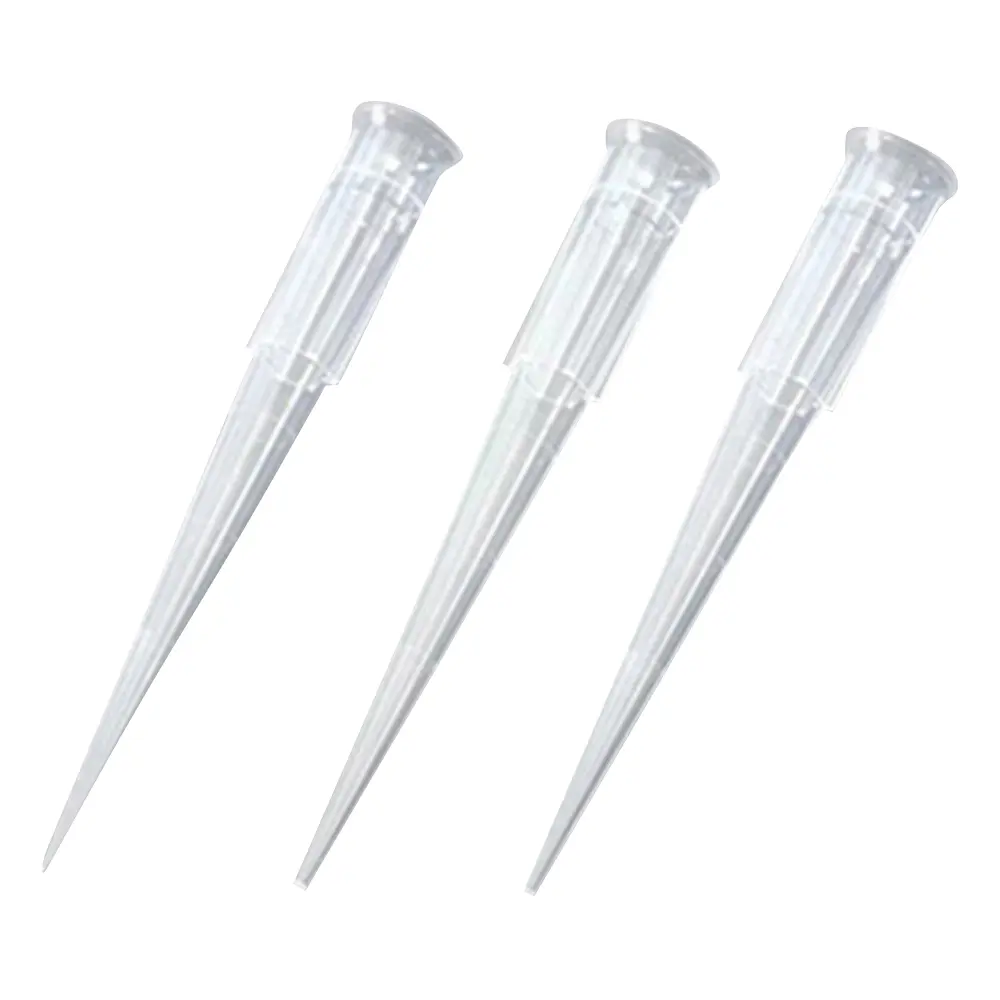
The viewpoint that budget filtered tips cannot maintain laboratory standards is fundamentally flawed. As a matter of fact, modern manufacturing processes enable production of high-quality barrier protection at competitive prices. This breakthrough primarily reflects advances in sustainable production methods and material engineering.
We understand laboratory professionals face constant pressure balancing cost constraints with performance requirements. You need reliable contamination prevention without exceeding budget allocations. Today’s cost-effective barrier tips deliver the same protective features as premium alternatives.
Modern laboratory consumables utilize virgin polypropylene construction with hydrophobic polyethylene barriers. These materials provide 5-20μm pore filtration for blocking aerosols, vapors, and hazardous samples. The manufacturing process ensures consistent sample dispensing with optimal accuracy and precision.
You can achieve significant cost savings while maintaining rigorous performance standards. We examine evidence-based strategies for optimizing consumable budgets without sacrificing sample integrity or contamination prevention protocols.
Key Takeaways
- Modern manufacturing enables affordable laboratory consumables without quality compromise
- Virgin polypropylene construction provides reliable contamination barriers at competitive prices
- Hydrophobic polyethylene barriers offer 5-20μm pore filtration for comprehensive protection
- Cost-effective solutions maintain accuracy and precision standards required for laboratory work
- Budget optimization strategies can reduce consumable costs by up to 30% without performance loss
- Sustainable production methods contribute to both affordability and environmental responsibility
Understanding Cost Drivers
The pricing structure of filtered pipette tips involves multiple interconnected factors that directly impact your laboratory budget. We analyze these fundamental cost components to help you identify where expenses originate and how they affect final pricing. Understanding these drivers enables you to make strategic purchasing decisions for economical filter tips without compromising essential quality standards.
Four primary categories influence the total cost structure. Each component contributes differently to the final price you pay. Smart procurement teams evaluate these factors to optimize their purchasing strategies.
Raw Material Costs
Virgin polypropylene represents the largest expense category in tip manufacturing. This high-grade plastic accounts for 40-60% of total production costs across all manufacturers. The specialized hydrophobic polyethylene filter adds another significant expense layer.
Contaminant-free virgin resin commands premium pricing due to strict purity requirements. Market fluctuations in petroleum-based raw materials directly affect tip pricing. Suppliers who secure long-term resin contracts often offer more stable pricing for value pipette tips.
Filter media costs vary based on pore size and filtration efficiency specifications. Higher-grade filters increase material expenses but provide superior contamination protection. Budget-conscious laboratories can balance filter quality with cost requirements through careful specification analysis.
Manufacturing Processes
ISO Class 5 clean room operations require substantial infrastructure investments. These state-of-the-art production facilities maintain sterile conditions throughout the manufacturing process. Clean room maintenance, air filtration systems, and specialized equipment drive operational costs higher.
Quality control protocols add processing time and labor expenses. Each production batch undergoes multiple testing phases to ensure consistency. Automated manufacturing systems reduce labor costs but require significant capital investment.
Production efficiency standards directly correlate with final pricing. High-volume manufacturers achieve better economies of scale. Smaller production runs typically result in higher per-unit costs for specialized applications.
Certification Expenses
DNA/DNase/RNase-free validation requires extensive laboratory testing. These certifications involve third-party verification and ongoing quality assurance programs. Sterility testing adds another layer of expense but ensures product reliability.
Regulatory compliance costs vary by target markets and applications. FDA registration, CE marking, and other certifications require substantial documentation and testing investments. These expenses are distributed across production volumes, affecting unit pricing.
Ongoing certification maintenance includes regular audits and testing protocols. Manufacturers must budget for continuous compliance monitoring. These recurring expenses contribute to the premium pricing of certified products.
Packaging and Distribution
Specialized sterile packaging requirements increase material and processing costs. Individual tip packaging, rack systems, and bulk containers each have different cost implications. Sterile packaging materials cost significantly more than standard alternatives.
Cold chain maintenance during shipping adds logistical complexity and expense. Temperature-controlled transportation ensures product integrity but increases distribution costs. Regional distribution networks help minimize these expenses through optimized routing.
The following table breaks down typical cost distribution across major expense categories:
| Cost Category | Percentage Range | Primary Factors | Cost Control Opportunities |
|---|---|---|---|
| Raw Materials | 40-60% | Virgin polypropylene, filter media | Volume contracts, material optimization |
| Manufacturing | 20-30% | Clean room operations, quality control | Production efficiency, automation |
| Certification | 8-15% | Testing, regulatory compliance | Batch optimization, shared certifications |
| Packaging/Distribution | 10-20% | Sterile packaging, logistics | Bulk ordering, regional suppliers |
Understanding these cost drivers helps you evaluate supplier pricing structures more effectively. You can identify which factors most significantly impact your specific requirements. This knowledge enables better negotiation strategies and more informed purchasing decisions for your laboratory needs.
Budget-Friendly Options Review
Smart purchasing decisions begin with understanding the diverse range of budget-friendly filtered tip options available in today’s market. We provide comprehensive evaluation frameworks that help you identify optimal value propositions while maintaining essential laboratory standards. The key lies in balancing cost reduction with performance reliability.
Modern laboratories can achieve substantial savings through strategic sourcing approaches. Cost-effective alternatives typically deliver 20-40% savings compared to premium options without compromising critical functionality. This significant reduction allows you to allocate resources more efficiently across your laboratory operations.
Generic vs Brand Name
Generic filtered tips present compelling advantages for cost-conscious laboratories. These products undergo identical manufacturing processes and quality testing as branded alternatives. The primary difference lies in marketing expenses and brand recognition rather than actual performance capabilities.
Generic options deliver substantial cost benefits through simplified packaging, reduced advertising costs, and direct-to-consumer distribution models. Many generic manufacturers operate with lower overhead structures, passing these savings directly to customers.
Quality specifications remain consistent across generic and branded products. Both categories must meet identical regulatory standards and performance benchmarks. Your laboratory receives the same filtration efficiency, tip retention, and contamination prevention regardless of brand selection.
Import Options Assessment
International suppliers offer attractive pricing opportunities for laboratories seeking maximum cost reduction. Established overseas manufacturers can provide discount laboratory tips with savings ranging from 30-50% compared to domestic alternatives. These manufacturers often operate in regions with lower production costs while maintaining rigorous quality standards.
However, import considerations extend beyond initial pricing. You must evaluate shipping timeframes, minimum order quantities, and regulatory compliance requirements. Successful import strategies require careful planning to ensure consistent supply chain management.
Currency fluctuations and international shipping costs can impact total landed costs. We recommend establishing relationships with multiple international suppliers to maintain pricing flexibility and supply security.
Bulk Purchase Programs
Volume purchasing represents one of the most effective cost reduction strategies available to laboratories. Bulk filtered tips programs offer tiered pricing structures with discounts ranging from 10-25% based on order quantities. These programs prove particularly valuable for high-throughput facilities with predictable consumption patterns.
Annual consumption analysis helps determine optimal bulk purchasing levels. Laboratories processing consistent sample volumes can leverage bulk programs to achieve significant yearly savings. Strategic bulk purchasing reduces per-unit costs while ensuring adequate inventory levels.
Storage considerations become important with bulk programs. You need adequate space for larger shipments and proper environmental controls to maintain tip quality. Many suppliers offer flexible delivery schedules to help manage storage requirements while preserving bulk pricing advantages.
Payment terms often improve with bulk commitments. Suppliers frequently extend favorable credit terms and payment schedules for volume customers, improving your laboratory’s cash flow management.
Quality Standards to Maintain
Laboratory professionals must establish non-negotiable quality parameters before pursuing cost-effective filtration solutions. When evaluating wholesale filter tips, we cannot compromise on essential quality benchmarks that ensure experimental accuracy and reliability. These standards serve as the foundation for making informed purchasing decisions that balance cost efficiency with performance requirements.
Quality assurance becomes particularly critical when laboratories seek competitive pricing tips without sacrificing research integrity. We must maintain rigorous evaluation criteria that protect both your investment and experimental outcomes.
Essential Certifications
Certified contamination-free status represents the most fundamental requirement for laboratory filtration products. Tips must demonstrate RNase and DNase-free validation through independent testing protocols that verify the absence of nucleic acid degrading enzymes.
Pyrogen testing certification ensures that endotoxin levels remain below detectable thresholds. This certification becomes crucial for cell culture applications and sensitive biological assays where contamination can invalidate entire experimental series.
PCR inhibitor screening provides additional assurance for molecular biology applications. When sourcing wholesale filter tips, verify that suppliers provide documentation confirming the absence of substances that could interfere with polymerase chain reactions.
Minimum Performance Specs
Filtration efficiency ratings must exceed 99.9% for particles measuring 0.1 microns or larger. This specification ensures effective barrier protection against aerosol contamination during pipetting operations.
Leak-proof sealing under standard operating pressures prevents sample loss and cross-contamination. Tips should maintain integrity under pressures up to 2 bar without compromising seal performance.
Dimensional accuracy within ±2% tolerances guarantees consistent volume delivery and proper fit with pipette systems. These specifications become particularly important when implementing competitive pricing tips strategies that involve multiple supplier sources.
| Quality Parameter | Minimum Standard | Testing Method | Critical Applications |
|---|---|---|---|
| Filtration Efficiency | ≥99.9% (0.1μm particles) | Particle challenge test | PCR, cell culture |
| Pressure Resistance | 2 bar minimum | Hydrostatic testing | High-volume pipetting |
| Dimensional Tolerance | ±2% accuracy | Coordinate measurement | Precision applications |
| Sterility Assurance | 10⁻⁶ sterility level | E-beam validation | Sterile procedures |
Critical Quality Parameters
Filter integrity testing validates the physical structure and barrier properties of each tip design. This testing involves challenge protocols that simulate real-world usage conditions and stress factors.
Tip-to-pipette compatibility verification ensures proper fit across multiple instrument brands and models. Universal compatibility reduces inventory complexity while maintaining performance standards.
Sterility assurance through validated sterilization processes provides confidence in contamination control. E-beam irradiation offers superior penetration and effectiveness compared to alternative sterilization methods. When evaluating wholesale filter tips, prioritize suppliers who utilize validated sterilization protocols.
Non-Negotiable Features
Universal fit compatibility ensures seamless integration with popular pipette models from major manufacturers. Enhanced cone geometry accommodates variations in pipette shaft dimensions while maintaining secure connections.
Graduated volume markings provide visual confirmation of sample volumes and enable accuracy verification during critical procedures. These markings must remain legible throughout the product lifecycle.
Hydrophobic filter construction prevents sample carryover while maintaining optimal flow rates. This feature becomes essential when implementing competitive pricing tips strategies that require consistent performance across different supplier sources.
Metal-free certification eliminates potential interference with sensitive analytical methods. This specification proves particularly important for trace metal analysis and specialized research applications where even minimal contamination can affect results.
Cost-Saving Strategies
Smart procurement strategies transform how laboratories approach lab budget optimization without sacrificing essential quality standards. We outline proven methods that deliver substantial savings while ensuring you maintain access to quality affordable tips for all research applications.
These strategic approaches enable significant cost reductions through intelligent purchasing decisions. Each method offers unique advantages that can be combined for maximum financial benefit.

Annual Contracts
Annual agreements provide budget predictability while securing substantial price reductions. These contracts typically deliver 15-25% savings through guaranteed volume commitments.
Contract benefits extend beyond pricing. Simplified procurement processes reduce administrative overhead. Fixed pricing protects against market fluctuations throughout the contract period.
Most suppliers require minimum annual volumes to qualify. However, the lab budget optimization achieved often justifies these commitments for active research facilities.
Group Purchasing
Group purchasing organizations leverage collective buying power to achieve wholesale pricing. This approach often results in 20-40% cost savings compared to individual purchases.
Participating laboratories combine their purchasing volume to meet large-scale distributor thresholds. The collective approach provides access to quality affordable tips at prices typically reserved for major institutions.
Many professional associations and regional laboratory networks facilitate these purchasing groups. Membership requirements vary, but the savings potential makes participation attractive for most facilities.
Mix-and-Match Ordering
Strategic order combination allows laboratories to achieve volume thresholds across different product lines. This approach optimizes inventory management while reducing per-unit costs.
You can combine various tip sizes and configurations within single orders. This flexibility enables lab budget optimization across your entire consumable portfolio.
The strategy works particularly well for laboratories using multiple pipette tip sizes. Combining 10μL, 200μL, and 1000μL tips in one order often qualifies for higher discount tiers than separate purchases would achieve.
Supplier Evaluation
Selecting the right supplier requires a systematic evaluation process that balances cost reduction strategies with quality assurance. We recommend implementing a comprehensive assessment framework that examines multiple factors beyond initial pricing. This approach ensures you make informed decisions that support both your budget constraints and laboratory performance requirements.
Effective supplier evaluation involves analyzing four critical components. Each element contributes to your overall procurement success and long-term cost management.
Price Comparison Tools
Modern price comparison tools streamline your supplier evaluation process significantly. These platforms calculate total cost of ownership rather than focusing solely on unit prices. You should factor in shipping costs, handling fees, and potential productivity impacts from quality variations.
Digital procurement platforms offer real-time pricing updates from multiple suppliers. This transparency helps you identify the most competitive offers for generic filtered tips without compromising essential quality standards. We suggest using tools that integrate with your existing procurement systems for seamless workflow management.
Quality Testing Results
Quality testing results provide objective evidence of product performance across production batches. Statistical validation of filtration efficiency, dimensional accuracy, and contamination-free status forms the foundation of reliable supplier assessment. You need consistent performance data to make confident purchasing decisions.
Batch testing protocols should demonstrate compatibility with popular pipette models. Certification requirements vary by application, but every supplier should provide comprehensive testing documentation. This data supports your laboratory’s quality assurance protocols and regulatory compliance needs.
Customer Reviews
Peer laboratory reviews offer valuable insights into real-world supplier performance. These testimonials reveal reliability issues and supplier responsiveness that technical specifications cannot capture. You gain practical knowledge about product consistency and customer service quality.
Professional networks and industry forums provide authentic feedback from similar laboratory environments. This information helps you understand potential challenges before committing to large orders or long-term contracts.
Warranty Coverage
Comprehensive warranty coverage protects your investment and minimizes operational disruptions. Defect replacement policies, performance guarantees, and quality issue resolution procedures directly impact your laboratory’s productivity. Strong warranty terms indicate supplier confidence in their products.
Warranty evaluation should encompass response times for quality issues and replacement product availability. Suppliers committed to resolving problems promptly help maintain your experimental schedules and research timelines.
| Evaluation Criteria | Weight Factor | Assessment Method | Key Metrics |
|---|---|---|---|
| Price Competitiveness | 25% | Total cost analysis | Cost per unit, shipping, handling |
| Quality Performance | 35% | Batch testing results | Filtration efficiency, accuracy |
| Customer Satisfaction | 20% | Review analysis | Rating scores, repeat customers |
| Warranty Support | 20% | Policy comparison | Coverage terms, response time |
Hidden Cost Analysis
The true cost of filtered pipette tips includes several factors that suppliers rarely highlight upfront. We examine these often-overlooked expenses that can significantly impact your total ownership costs. Understanding these hidden elements helps you make more informed purchasing decisions and avoid budget surprises.
Smart laboratories conduct comprehensive cost analysis before committing to suppliers. This approach reveals the complete financial picture beyond initial pricing quotes.
Shipping and Handling
Transportation costs vary dramatically based on supplier location and order frequency. Domestic suppliers typically charge 5-15% of order value for standard shipping. However, import filter tips from overseas manufacturers can add 15-25% to your base costs.
Expedited delivery options increase expenses substantially. Rush orders often double shipping charges while adding customs processing delays for international shipments. We recommend factoring these variables into your budget planning.
Packaging requirements also influence shipping costs. Climate-controlled transport for sensitive products adds premium charges that many buyers overlook initially.
Minimum Orders
Supplier minimum order requirements force inventory investments that tie up working capital. Small laboratories face particular challenges when vendors require large quantity commitments. These minimums can range from $500 to $5,000 depending on the supplier.
Cash flow impact becomes significant when you must purchase six months of inventory upfront. OEM alternative tips often have lower minimum orders compared to major brand requirements.
Storage space limitations compound this issue. Many labs lack adequate room for bulk inventory, leading to additional warehousing costs or product deterioration.
Storage Requirements
Maintaining sterility requires specific environmental conditions that add operational complexity. Clean room storage, climate control, and specialized shelving systems increase your facility costs. Temperature fluctuations can compromise product integrity and void warranties.
Inventory rotation protocols demand staff time and training. Proper storage management prevents contamination but requires systematic approaches that impact labor costs. When choosing the right pipette tips, consider your facility’s storage capabilities.
Security measures for valuable inventory add another cost layer. Locked storage areas and access controls protect your investment but require additional infrastructure.
Shelf Life Considerations
Product expiration dates create direct financial risks for laboratories with variable usage patterns. Expired inventory represents complete financial loss plus potential experimental delays. Most filtered tips have 2-5 year shelf lives under proper storage conditions.
Usage forecasting becomes critical for cost control. Overestimating needs leads to waste, while underestimating creates emergency purchase situations with premium pricing. Import filter tips may have shorter effective shelf lives due to extended shipping times.
Inventory turnover rates directly impact your return on investment. Fast-moving products justify bulk purchases, while slow-moving items require careful quantity management to minimize waste.
ROI Calculation
Smart laboratories measure filtered pipette tip value through systematic analysis of cost-effectiveness and operational efficiency. We establish comprehensive methodologies that quantify both immediate expenses and long-term benefits to justify your consumable purchasing decisions.
Effective ROI assessment requires examining multiple performance dimensions beyond unit pricing. Your laboratory gains measurable advantages when you implement structured evaluation frameworks that capture true operational value.
Cost per Experiment
Calculate your actual experimental costs by incorporating all related expenses into each research activity. Direct consumable costs represent only the starting point for comprehensive financial analysis.
Include labor time for tip handling, sample preparation efficiency, and potential rework expenses from contamination events. Accurate cost accounting reveals that premium filtered tips often deliver lower per-experiment expenses through reduced failure rates.
Factor in calibration time, equipment maintenance, and quality control procedures. These indirect costs significantly impact your total experimental budget and influence long-term laboratory profitability.
Productivity Factors
Measure time savings from consistent tip performance and reliable sample dispensing accuracy. High-quality filtered tips reduce experimental repetition and minimize calibration requirements across your research protocols.
Evaluate the price-performance ratio by comparing throughput improvements against initial investment costs. Superior tip design delivers enhanced pipetting precision through optimized conical openings that minimize sample loss.
Document reduced training time for laboratory personnel and decreased supervision requirements. Consistent performance characteristics enable faster protocol execution and improved experimental reproducibility.
Risk Assessment
Quantify potential financial losses from cross-contamination events and sample degradation incidents. Contamination risks can result in complete experimental failure, requiring costly sample replacement and protocol repetition.
Assess regulatory compliance implications that could delay project timelines or require additional validation studies. Poor-quality consumables may compromise data integrity and jeopardize research funding opportunities.
Calculate insurance costs and liability exposure from experimental failures. Quality filtered tips provide essential protection against these significant financial risks.
Long-term Savings
Project cumulative benefits from consistent experimental success rates and enhanced laboratory reputation. Reliable performance leads to increased funding opportunities and valuable research partnerships over time.
Consider reduced waste generation and improved resource utilization across multiple research projects. The superior price-performance ratio becomes evident when you evaluate extended operational periods and multiple experimental cycles.
Factor in equipment longevity improvements from reduced contamination exposure and consistent sample handling. Quality consumables protect your capital investments while delivering sustained operational efficiency.
Smart Purchasing Guide
Optimizing your procurement process requires strategic planning and tactical execution. We provide comprehensive guidance to help you secure the best value while maintaining quality standards for your laboratory operations.
Effective Negotiation Strategies
Leverage competitive pricing tips by conducting thorough market analysis before entering negotiations. Present volume commitments and long-term partnership potential to suppliers. Document alternative supplier quotes to strengthen your negotiating position. Focus on total cost of ownership rather than unit price alone.
Optimized Payment Structures
Negotiate early payment discounts that can reduce costs by 2-3%. Request extended payment terms to improve cash flow management. Consider performance-based pricing tied to quality metrics and delivery schedules.
Risk-Free Evaluation Programs
Utilize sample programs to validate performance claims before large purchases. Request wholesale filter tips samples from multiple suppliers for direct comparison testing. Evaluate compatibility with your existing pipette models and laboratory protocols.
Comprehensive Trial Assessments
Implement trial periods to assess real-world performance under your specific conditions. Test universal fit with enhanced cone geometry across different pipette brands. Monitor contamination prevention, liquid retention, and overall reliability during extended use periods. Document performance metrics to support future purchasing decisions and supplier evaluations.
References and further readings:
1.Guan XL, Chang DPS, Mok ZX, Lee B. Assessing variations in manual pipetting: An under-investigated requirement of good laboratory practice. J Mass Spectrom Adv Clin Lab. 2023;30:25-29. doi:10.1016/j.jmsacl.2023.09.001. https://www.sciencedirect.com/science/article/pii/S2667145X23000317
2.Bodle KB, Pernat MR, Kirkland CM. Pharmaceutical sorption to lab materials may overestimate rates of removal in lab-scale bioreactors. Water Air Soil Pollut. 2022 Dec;233(12):416. doi:10.1007/s11270-022-05974-2. https://pubmed.ncbi.nlm.nih.gov/36504545/
3.Vásquez Bonilla MM, Guerrero-Freire MS, Ledesma Y, Laglaguano JC, de Waard JH. A rapid and inexpensive 96-well DNA-extraction method from blood using silicon dioxide powder (Glassmilk). Biol Methods Protoc. 2024;9(1):bpae079. doi:10.1093/biomethods/bpae079. https://pubmed.ncbi.nlm.nih.gov/39659671/
FAQ
What percentage of filtered pipette tip costs come from raw materials?
Raw material costs represent the largest component of filtered pipette tip pricing, accounting for 40-60% of total production expenses. Virgin polypropylene and specialized filter media are the primary cost drivers in this category.
How much can I save by choosing generic filtered tips over brand name options?
Generic options present significant cost advantages, often delivering identical performance specifications at reduced prices through streamlined manufacturing and marketing approaches. Top value manufacturers typically offer 20-40% cost savings compared to premium alternatives while maintaining essential quality standards.
What are the essential certifications I should never compromise on when buying budget filtered tips?
Essential certifications include RNase/DNase-free validation, pyrogen testing, and PCR inhibitor screening, which are fundamental for molecular biology applications. These non-negotiable quality benchmarks must be maintained regardless of cost considerations.
What volume discounts can I expect when purchasing filtered tips in bulk?
Volume discount tiers typically begin at 500-unit minimums with 5-10% savings, escalating to 20-30% discounts for orders exceeding 10,000 units annually. Bulk purchase programs offer tiered pricing structures with volume discounts ranging from 10-25%.
How can annual contracts help reduce my filtered tip costs?
Annual contracts provide budget predictability and often secure 15-25% price reductions through guaranteed volume commitments and simplified procurement processes. These agreements offer cost stability while ensuring consistent supply availability.
What filtration efficiency should I require as a minimum standard?
Minimum performance specifications encompass filtration efficiency ratings above 99.9% for 0.1-micron particles. This standard ensures adequate contamination prevention while maintaining sample integrity across all applications.
How much can import alternatives save on filtered pipette tip costs?
Import alternatives from established international manufacturers can provide 30-50% savings, though you must consider shipping times, minimum order quantities, and regulatory compliance factors when evaluating total cost of ownership.
What hidden costs should I consider when evaluating economical filter tips?
Shipping and handling costs vary dramatically based on supplier location, order frequency, and packaging requirements, potentially adding 10-25% to base pricing for small orders or expedited delivery. Storage requirements and shelf life considerations also impact total ownership costs.
How do group purchasing organizations help reduce laboratory consumable costs?
Group purchasing organizations leverage collective buying power to achieve wholesale pricing typically reserved for large-scale distributors, often resulting in 20-40% cost savings through consolidated volume purchasing.
What quality parameters are non-negotiable when selecting cost-effective barrier tips?
Non-negotiable features encompass universal fit compatibility, graduated volume markings for accuracy verification, and hydrophobic filter construction that prevents sample carryover while maintaining optimal flow rates. Dimensional accuracy within ±2% tolerances is also essential.
How should I calculate the true cost per experiment for filtered tips?
Cost per experiment analysis should incorporate not only consumable expenses but also labor time, sample preparation efficiency, and potential rework costs associated with contamination events or pipetting errors. This comprehensive approach reveals true value propositions.
What minimum order requirements typically apply to discount laboratory tips?
Minimum order requirements can force inventory investments that tie up working capital and increase storage costs. These requirements vary by supplier but often range from 500 to 10,000 units depending on the discount tier and supplier policies.
How can I negotiate better payment terms for bulk filtered tips purchases?
Payment terms negotiation can yield additional savings through early payment discounts, extended payment periods that improve cash flow, or performance-based pricing structures tied to quality metrics. These terms can provide 2-5% additional cost reductions.
What should I look for in quality affordable tips warranty coverage?
Warranty coverage evaluation should encompass defect replacement policies, performance guarantees, and supplier commitment to resolving quality issues promptly to minimize laboratory downtime and experimental disruption.
How do sample programs help optimize lab budget optimization?
Sample programs enable risk-free evaluation of alternative suppliers and products, allowing you to validate performance claims before committing to large-volume purchases. This approach prevents costly mistakes and ensures compatibility with your specific applications.
Leo Bios
Hello, I’m Leo Bios. As an assistant lecturer, I teach cellular and
molecular biology to undergraduates at a regional US Midwest university. I started as a research tech in
a biotech startup over a decade ago, working on molecular diagnostic tools. This practical experience
fuels my teaching and writing, keeping me engaged in biology’s evolution.




Leave a Comment
Your email address will not be published. Required fields are marked *