


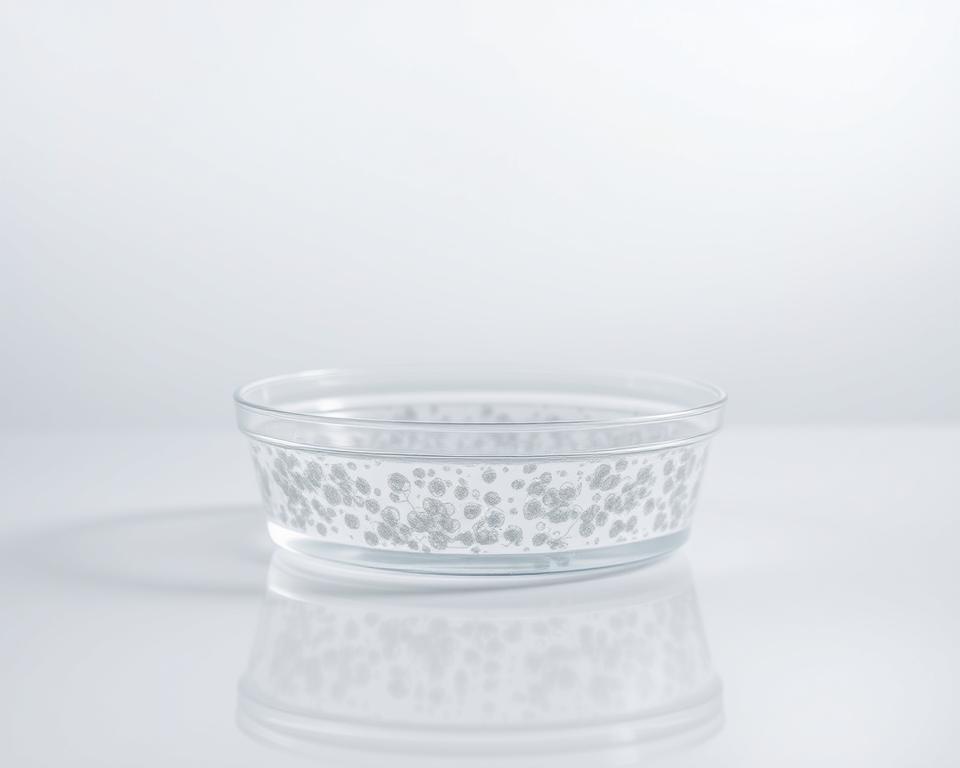
The title suggests a deep look into whether ISO and CE-certified cell culture dishes are the best for research. These certifications are key to showing a product’s reliability and safety in labs. They ensure the product meets high standards.
ISO certification means the product follows international quality rules. CE marking shows it meets European health and safety rules. These marks are important for making sure research is reliable and safe.
Choosing the right cell culture dishes is crucial for good research results. It also keeps the lab safe. So, these certifications are not just about quality. They are about the safety and success of research.
Key Takeaways
- ISO certification assures adherence to international quality standards.
- CE marking indicates compliance with essential safety regulations.
- Certified products enhance research reliability and outcomes.
- Choosing quality cell culture dishes mitigates contamination risks.
- The certifications reflect the product’s overall performance in research settings.
Understanding Cell Culture Dishes: An Overview
Cell culture dishes are key in biological and medical research. They help scientists grow and study cells in a controlled way. Knowing about these dishes means looking at their definitions, materials, and sizes used in labs.
What are Cell Culture Dishes?
Cell culture dishes are flat containers made for growing cells. They let researchers do experiments and watch how cells behave. These dishes are vital for studying cells and help advance medicine and biology.
Material Types and Their Applications
The material of a cell culture dish affects its use. Most are made of premium grade polystyrene, known for being clear and safe for cells. Other materials like glass or special coatings are also used. Each material has its own role in cell research.
Common Sizes and Shapes in Lab Settings
Dishes come in many sizes and shapes. You can find everything from small 60mm dishes to big multi-well plates. The size and shape you choose depends on what you’re doing in the lab. For example, multi-well plates are great for testing many things at once.
| Dish Size | Growth Area | ID | Working Volume |
|---|---|---|---|
| 35 x 10 mm | 9.6 cm² | 3.5 cm | 2 mL |
| 60 x 15 mm | 21 cm² | 5.2 cm | 5 mL |
| 100 x 20 mm | 55 cm² | 8.5 cm | 10 mL |
| 150 x 20 mm | 149 cm² | 13.8 cm | 30 mL |
Knowing the details of each dish helps researchers pick the right one for their work. For more info on cell culture dishes, check out this detailed guide.
The Importance of Quality Standards in Cell Culture
Quality standards like ISO certification and CE marking are key. They ensure research is reliable and lab equipment is safe. Researchers and lab workers rely on these standards to keep their work safe and accurate.
ISO Certification: Definition and Importance
ISO certification means products, like cell culture dishes, meet international quality standards. It gives researchers confidence that the products they use are made with strict quality controls. This ensures consistent performance in labs.
CE Marking: Significance in Research Equipment
The CE marking shows that lab equipment meets European health and safety standards. It lets researchers use equipment in the EU without hassle. Having the CE mark means the equipment is safe, building trust in its reliability.
How Standards Ensure Reliability and Safety
ISO standards and CE marking mean products go through tough testing and documentation. This reduces the risk of contamination in labs. It helps keep cell culture work accurate and trustworthy. Products like those in our cell culture dishes portfolio show how important these standards are for reliable research.
Comparing ISO and CE Certified Cell Culture Dishes
It’s important to know the difference between ISO and CE certified cell culture dishes. Each certification ensures the quality and safety of products. This affects the validity and results of research.
Key Differences Between ISO and CE Certifications
ISO certification focuses on quality management systems. It ensures products meet international standards. On the other hand, CE marking shows products follow European health and safety rules. It’s more about safety than quality management.
Performance Metrics: A Comparative Analysis
ISO certified dishes go through strict quality checks. These checks look at cell health, how cells stick to surfaces, and sterility. CE certified dishes also need to meet safety standards, but their evaluation is more about safety than quality.
The Role of Certifications in Research Validity
Using ISO and CE certified dishes makes research more reliable. These certifications increase trust among researchers. They also help in getting published in scientific journals. Following these standards ensures the quality, safety, and reliability of research materials.
| Criterion | ISO Certified Dishes | CE Certified Dishes |
|---|---|---|
| Focus | Quality Management | Safety Compliance |
| Performance Metrics Evaluated | Cell Viability, Adherence, Sterility | Safety and Compliance Metrics |
| Audit Frequency | Rigorous Quality Audits | Compliance Checks as Required |
| Impact on Research Validity | Enhances Confidence in Findings | Ensures Safety and Reliability |
Application Scenarios for Cell Culture Dishes
Cell culture dishes are key in many fields. They help in pharmaceutical research, biotechnological applications, and academic research. These dishes create controlled spaces for cells to grow and be studied. This is crucial for scientific progress and new technology development.
Use Cases in Pharmaceutical Research
In drug development, cell culture dishes are vital. They mimic real body conditions. This lets researchers test how drugs work on cells. It helps find out if drugs are safe and effective before they’re tested on people.
Importance in Biotechnological Applications
Biotech uses cell culture dishes a lot. They help grow cells for making medicines and antibodies. These dishes give cells the best conditions to grow. This ensures the quality and amount of medicines made.
Role in Academic Research and Education
In schools and research, cell culture dishes are essential. They let students and researchers do hands-on biology. This experience is key for learning science. It teaches them how to do experiments and understand cell culture.
Factors to Consider When Selecting Cell Culture Dishes
Choosing the right cell culture dishes is key to good research. You need to think about what you need. This includes the use of the dishes, keeping them clean, and balancing cost and quality.
Intended Use: Primary vs. Secondary Applications
It’s important to know how you plan to use the dishes. For growing cells first, you need special dishes. For other uses, you have more options. Knowing this helps you set up your lab best.
Sterility and Contamination Considerations
Keeping your lab clean is crucial. Choose dishes that are already sterilized and safe from contamination. This keeps your experiments reliable and meets strict cleanliness standards. Always check the product details for sterility before buying.
Cost vs. Performance: Making the Right Choice
When deciding, weigh the cost against what you get. Even though better dishes cost more upfront, they last longer and save money. Think about both the short and long-term benefits of quality products. This way, you make choices that help your research in the long run.
| Factor | Considerations | Implications |
|---|---|---|
| Intended Use | Primary vs. Secondary Applications | Material selection affects growth and adherence |
| Sterility | Pre-sterilized and non-pyrogenic | Reduced contamination risks, aligned with protocols |
| Cost Performance | Initial costs vs. long-term reliability | Informed investing improves research efficiency |
Insights from Industry Reports on Cell Culture Solutions
Industry reports give us a peek into the world of cell culture solutions, especially in tissue engineering. This field is growing fast, thanks to new ideas and a need for better quality in research.
Data from The Journal of Tissue Engineering
Studies in The Journal of Tissue Engineering show how important ISO certified products are. These products are more reliable and consistent, key for success in tissue engineering. Using standardized cell culture solutions helps reduce errors, making research better.
Trends in Cell Culture Equipment Usage: A Market Report
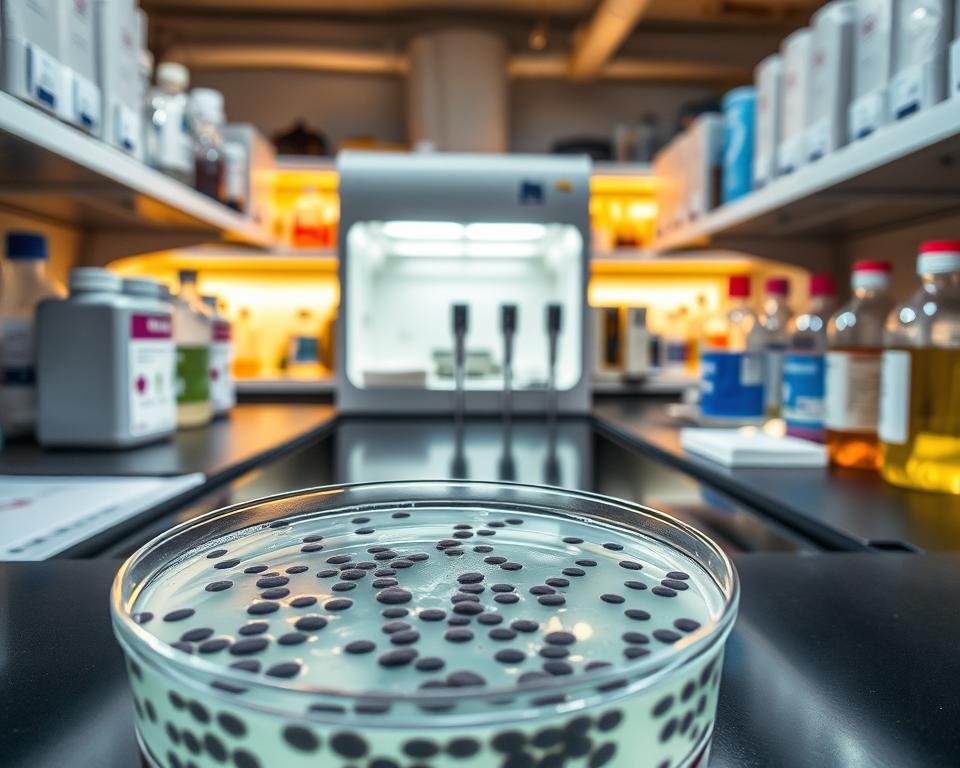
Market reports show big changes in how we use cell culture equipment. There’s a move towards automation and using cell culture dishes for complex experiments. This change means we need more flexible and strong cell culture dishes. As researchers want to work more efficiently, the need for new cell culture solutions keeps growing.
The Future of Cell Culture Dishes
The cell culture industry is on the verge of big changes. As research needs grow, we must look at new trends. Material science innovations are leading the way, creating next-generation cell culture dishes.
These advancements aim to improve functionality and be kind to the environment.
Innovations in Material Science and Design
New materials like composites and biodegradable options are emerging. They make cell culture dishes more effective and support green production. Labs can now use eco-friendly practices, meeting global sustainability goals.
Using high-quality dishes made from these materials shows a commitment to modern science.
Sustainable Practices in Cell Culture Dish Production
Manufacturers are now focusing on sustainable production due to environmental concerns. This shift to eco-friendly materials and processes is key to meeting industry standards. Investing in sustainability supports the environment and builds trust in research.
By adopting these innovations and practices, scientists can make a bigger impact. This leads to a greener future for all.
Challenges in the Cell Culture Domain
The field of cell culture faces many challenges that can affect research results. It’s important to tackle these issues to keep experiments reliable. Contamination management and choosing the right equipment are key areas to focus on.
Good strategies in these areas can improve research quality. This ensures that findings are trustworthy and can be repeated.
Addressing Contamination Issues
Contamination is a big problem in cell culture. It can make studies unreliable and results questionable. To fight this, strict contamination management is needed.
Using certified cell culture dishes is crucial. These dishes go through strict sterility checks. This reduces the chance of contamination.
By choosing quality products, labs can better protect against contamination. This is important for keeping research safe and reliable.
The Impact of Equipment on Research Outcomes
The equipment used in cell culture affects research results. Bad or low-quality dishes can cause inconsistent results. This is a big problem for science.
High-quality dishes, following strict standards, are vital. They ensure consistent results. Investing in certified equipment helps researchers get better results.
This focus on quality is important for many scientific fields. It helps in achieving accurate and reliable research outcomes.
Practical Tips for Using Cell Culture Dishes Effectively
Getting good results with cell culture dishes needs the right techniques. From start to finish, following best practices is key. It helps keep your research safe and effective.
Leo Bios
Hello, I’m Leo Bios. As an assistant lecturer, I teach cellular and molecular biology to undergraduates at a regional US Midwest university. I started as a research tech in a biotech startup over a decade ago, working on molecular diagnostic tools. This practical experience fuels my teaching and writing, keeping me engaged in biology’s evolution.
Best Practices for Dish Preparation
It’s crucial to use sterile methods when setting up cell culture dishes. Make sure to treat dishes as needed, like applying special treatments for certain cells. This helps cells stick and grow well. Also, check if the dish is right for the cell type to get the best results.
Maintenance and Storage Considerations
Keeping cell culture dishes in good shape is important. Store them in a controlled area, following the maker’s rules. This keeps them clean and working well for longer. Always check if they’re still good to use and look for any damage.
Handling Techniques to Avoid Contamination
Using careful handling methods is key to avoiding contamination. Always wear gloves and follow clean techniques. Try not to let air get in and don’t touch the inside of dishes with your hands. These steps help make sure your results are reliable and your research is sound.
Real-World Examples of Effective Cell Culture Practices
In the world of science, cell culture practices are key to making progress. Many research institutions have shown how these practices can improve accuracy and reliability. Their stories help guide other researchers in doing better work.
Case Studies from Leading Research Institutions
Places like top research centers have seen big improvements by using ISO and CE certified dishes. For example, a study at a well-known biomedical center found less variation with certified tools. This means their results are more trustworthy and reliable.
Collaborations Between Industry and Academia
Working together, research centers and equipment makers play a big part in cell culture success. They create new solutions for specific research needs. This teamwork speeds up discoveries and keeps quality high.
The Cost-Benefit Analysis of Certified Cell Culture Dishes
Understanding the financial side of certified cell culture dishes is key for researchers. A cost-benefit analysis shows the benefits of using top-quality certified products. Even though they might cost more upfront, their long-term benefits are clear.
Evaluating ROI on High-Quality Products
Looking at the return on investment (ROI) for certified products, focus on reliability and success. Labs with ISO and CE certified dishes see fewer failures. This saves money and helps make better use of resources.
Long-Term Impacts on Research Efficiency
Using high-quality certified dishes makes research more efficient. It leads to smoother workflows and better data. This means labs can meet deadlines and get better results faster. For a wide range of certified products, check out this link.
Conclusion: The Value of Choosing Quality Cell Culture Dishes
In this article, we looked at why choosing the right lab equipment is key. We focused on the importance of quality cell culture dishes. By following standards like ISO and CE, researchers can ensure their work is reliable and safe.
Researchers should look for ISO and CE certified cell culture dishes. These products help improve research quality, reduce contamination risks, and make findings more reliable. The right cell culture dishes are crucial for the success of any scientific study.
FAQ
What are the primary uses of cell culture dishes in research?
Cell culture dishes help grow and keep cell cultures in a controlled lab setting. This makes it easier to do experiments in biology and medicine.
Why is ISO certification important for cell culture dishes?
ISO certification means the dishes meet quality standards in making. It gives researchers trust in their performance and safety.
What does the CE marking signify for laboratory equipment?
The CE marking shows the product meets EU safety and environmental rules. This lets researchers use it in the EU without extra hurdles.
How do ISO and CE certifications affect research validity?
Using ISO and CE certified products makes research more valid. It can also help get published in scientific journals.
What factors should I consider when selecting cell culture dishes?
Think about the use, sterility needs, and cost vs. quality. This helps get the best results for your research.
What trends are currently impacting cell culture equipment usage?
Trends are moving towards automated and high-throughput uses. This means using more versatile and strong cell culture dishes for complex experiments.
How can contamination be minimized in cell culture practices?
Choose pre-sterilized, non-pyrogenic dishes and use aseptic techniques. This reduces contamination risks.
Are there sustainable practices in cell culture dish production?
Yes, makers are using eco-friendly materials and processes. This helps reduce waste and environmental impact.
What are best practices for the maintenance of cell culture dishes?
Store them in controlled areas and follow the maker’s guidelines. This keeps them effective and lasts longer.
What is the significance of cell culture dishes in pharmaceutical research?
They are key in drug development. They mimic real body conditions, helping test drug effects on cells.






Leave a Comment
Your email address will not be published. Required fields are marked *