


Imagine looking into the detailed genetic work of single cells with great accuracy. The ATAC v1 PBMC 10x single cell analysis protocol is a new way to study how cells in our blood work. It lets researchers dive deep into the genetic details of these cells.
This single-cell ATAC-seq is a big step forward in science. It lets scientists study chromatin accessibility in a new way, using advanced 384-well PCR plates. It gives us a closer look at how cells control their genes, one cell at a time.
The 10x Genomics platform has changed how we analyze single cells. It has made over 169,000 profiles of PBMCs from 47 different studies. Each study focused on 3,000 cells to cover all types of PBMCs.
Key Takeaways
- Breakthrough single-cell chromatin accessibility analysis
- High-throughput techniques using 10x Genomics platform
- Comprehensive mapping of PBMC genetic landscapes
- Advanced research methodology for cellular understanding
- Potential for significant medical and biological insights
Overview of ATAC-seq in PBMC
Single-cell ATAC-seq has changed how we see cellular genomics. It gives us deep insights into chromatin accessibility. This method lets researchers study the epigenomic landscape of PBMCs with great detail.
The 10x Genomics technology has changed how scientists study complex cells. ATAC-seq needs very little biological material. It can work with less than 50,000 cells in one test.
Introduction to ATAC-seq
ATAC-seq is a big step forward in epigenomics. It uses Tn5 transposase to find open chromatin areas. This shows how genes are regulated.
- Low cell input requirement (less than 50,000 cells)
- Rapid workflow (generates libraries for 12 samples in ~10 hours)
- Generates high-resolution chromatin accessibility maps
Importance of PBMC in Research
Peripheral blood mononuclear cells are key for studying the immune system. They give a full view of how the immune system works. This lets researchers dive deep into cell differences.
Applications of ATAC-seq in Immunology
Scientists use single-cell ATAC-seq to find out how immune cells are regulated. It helps them:
- Find special regulatory elements for each cell type
- See how chromatin changes during immune responses
- Look at how genetic changes affect immune function
By using 10x Genomics and advanced analysis, scientists can now understand the complex rules of immune cells in great detail.
Preparing PBMC Samples for ATAC-seq
Getting peripheral blood mononuclear cells (PBMCs) ready for ATAC-seq needs careful steps. It’s all about precise sample prep. This is key for finding out about open chromatin regions and where transcription factors bind.
Isolation Techniques for PBMC
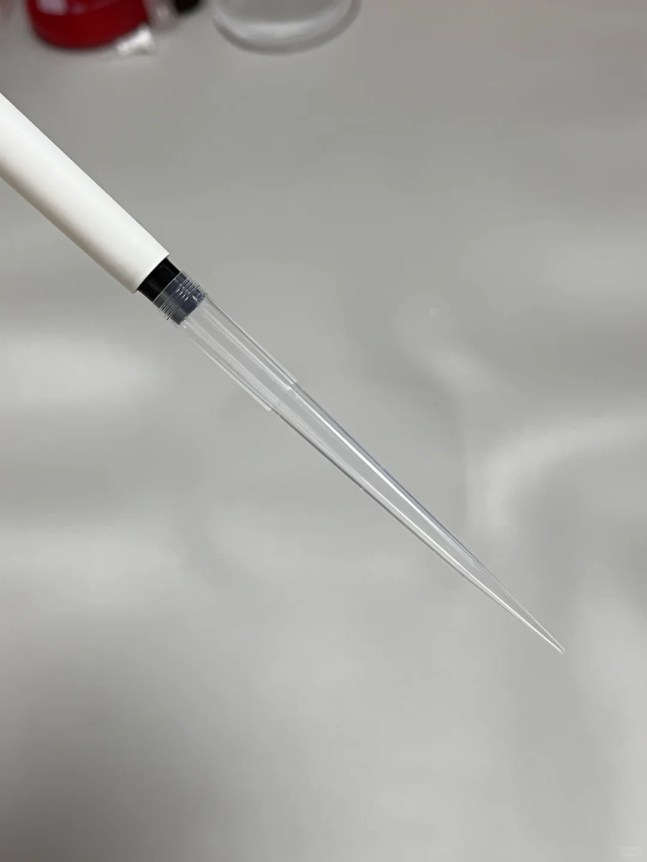
There are many ways to get high-quality PBMCs. Most use density gradient centrifugation. This method needs pipettes for precise liquid handling.
- Carefully layering blood samples over density gradient medium
- Centrifuging at 300g for 5 minutes at 4°C
- Harvesting the mononuclear cell layer
Quality Control of PBMC
Keeping PBMCs in good shape is crucial. Quality checks include:
- Checking cell viability with acridine orange propidium iodide staining
- Verifying cell concentration (target: 1 × 10^5 cells)
- Confirming cell purity through flow cytometry
Storage and Handling Guidelines
Right storage keeps PBMC samples good. Best practices are:
- Cryopreservation at -180°C in liquid nitrogen
- Using specialized freezing media with 10% DMSO
- Controlled-rate freezing to minimize cellular damage
Researchers aiming for about 10,000 nuclei per sample must follow these steps closely. This helps keep the important info in open chromatin regions and transcription factor binding sites safe.
Essential Reagents and Materials
To do a thorough assay for transposase-accessible chromatin, you need the right stuff. The ATAC v1 PBMC 10x single cell analysis protocol is all about precision. This ensures you get accurate results when studying how cells are different from each other.
Key Reagents for ATAC-seq Protocol
For chromatin accessibility analysis to work, you need specific stuff. Here’s what’s crucial:
- Nuclei isolation buffers
- Transposase enzyme
- PCR amplification reagents
- Cell lysis solutions
- Purification magnetic beads
Critical Equipment for Analysis
For single-cell samples, you need special tools. These tools help keep the samples safe:
- Microcentrifuge with temperature control
- Thermal cycler
- Magnetic separation rack
- High-precision pipettes
- Sterile hood
Recommended ATAC-seq Kits
Choosing the right kits is key for single-cell analysis. These kits help at every step of the process:
| Kit Type | Recommended Features | Optimal Sample Size |
|---|---|---|
| Nuclei Isolation Kit | 16 reactions, compatible with PBMCs | 10K nuclei/sample |
| Single Cell ATAC Kit | High-sensitivity transposition | 80K nuclei/chip |
| Index Kit | Multiple indexing options | 96 reactions |
It’s important to use clean, top-notch reagents. This keeps your single-cell chromatin accessibility studies reliable.
Step-by-Step ATAC v1 Protocol
The ATAC v1 protocol is key in epigenomics research. 10x Genomics has made it possible to study peripheral blood mononuclear cells (PBMCs) with great detail and accuracy.

To get the best results, researchers must be very careful. Here are the main steps for single-cell ATAC-seq analysis.
Cell Preparation Techniques
Getting cells ready is vital for single-cell ATAC-seq. Important steps include:
- Isolate fresh PBMCs using density gradient centrifugation
- Count and assess cell viability using trypan blue exclusion
- Prepare nuclei suspension with minimal cellular damage
- Verify cell concentration between 500-1000 cells per microliter
Transposition Reaction Process
The transposition reaction is at the heart of the ATAC-seq protocol. Researchers will:
- Prepare transposase reaction mix
- Incubate nuclei with tagmentation enzyme
- Perform PCR amplification of fragmented DNA
- Validate reaction efficiency
Library Preparation Workflow
Library preparation is crucial in epigenomics research. Key steps are:
- Size selection of transposed DNA fragments
- PCR enrichment of tagmented DNA
- Quality control using bioanalyzer or fragment analyzer
- Quantification using fluorometric methods
By carefully following these steps, researchers can create high-quality single-cell ATAC-seq libraries. This is for detailed genomic accessibility analysis.
Measuring and Analyzing Data
Analyzing ATAC-seq data is all about finding hidden insights in our cells’ genomes. By looking closely at open chromatin regions and where transcription factors bind, we can learn a lot. This is done through detailed data analysis.
The process of analyzing data is complex. It turns raw sequencing data into useful biological knowledge. By studying how genes are regulated, scientists can grasp how cells work.
Data Quality Assessment
Ensuring data quality is key in ATAC-seq analysis. Researchers check several important factors to get accurate results:
- Fragment size distribution
- Transcription start site (TSS) enrichment scores
- Percentage of reads in peaks
- Signal-to-noise ratio
Analysis Tools for ATAC-seq
Advanced tools are essential for working with ATAC-seq data. These tools help scientists:
- Find peaks in data
- Analyze changes in accessibility
- Look for patterns in DNA sequences
- Reduce data to simpler forms
Interpreting Results in Context
Understanding data means linking it with other genomic info. Contextualizing results helps scientists see how cells work and how genes might change.
By studying open chromatin regions and where transcription factors bind, researchers uncover deep insights. These insights reveal how cells function and how genes are regulated.
Best Practices for ATAC v1 Protocol
Working with the assay for transposase-accessible chromatin is complex. It needs careful attention and a strategic approach. Researchers must manage cellular heterogeneity and chromatin accessibility well in PBMC analysis.
Common Pitfalls to Avoid
ATAC-seq experiments require precision in several steps. Researchers face challenges such as:
- Insufficient cell number (below 1 million cells)
- Improper nuclei isolation techniques
- Inconsistent transposition reaction conditions
- Poor quality control measurements
Optimization Strategies
Using strong optimization strategies can greatly improve results. Researchers should focus on:
- Maintaining optimal nuclei concentration between 12-20M/mL
- Carefully controlling transposition reaction time (75 minutes)
- Ensuring precise lysis buffer composition
- Standardizing cell processing protocols
Troubleshooting Tips
When facing challenges in ATAC-seq experiments, consider these practical troubleshooting approaches:
- Validate nuclei quality through rigorous microscopic examination
- Use consistent centrifugation parameters (300g for 5 minutes)
- Monitor dead cell removal process carefully
- Implement multiple quality control checkpoints
By following these best practices, researchers can make their ATAC-seq experiments more reliable and reproducible. This will help us better understand cellular genetic mechanisms.
Applications of ATAC-seq Data in Bioscience
The world of molecular biology has changed a lot thanks to single-cell ATAC-seq. This tech, made by 10x Genomics, gives us new views into how our genes work. It shows how different cells change and interact.
Insights into Chromatin Accessibility
Now, scientists can look at how genes work in each cell. Single-cell ATAC-seq lets them see the structure of chromatin. This helps them understand:
- How genes are controlled
- How cells change and grow
- How genes are turned on and off
Role in Disease Research
ATAC-seq has changed how we study diseases. It lets researchers find markers for diseases and see how genes change. This helps us understand complex health issues better.
| Disease Category | ATAC-seq Insights |
|---|---|
| Autoimmune Disorders | Identifying regulatory variant locations |
| Cancer | Mapping chromatin changes in tumor progression |
| Neurological Conditions | Understanding gene expression variations |
Impact on Personalized Medicine
The future of precision medicine is all about knowing each person’s genes. ATAC-seq helps make treatments that fit each person. It could mean better health care for everyone.
Future Directions in ATAC-seq Research
The field of single-cell genomics is growing fast. New discoveries are helping us understand how cells work. Researchers are using new tools to learn more about how cells are controlled.
New technologies are changing how we study single cells. They give us more detailed information than ever before. Some of these advancements include:
- Advanced computational methods for processing massive datasets
- Enhanced microfluidic techniques for cell isolation
- Sophisticated barcoding strategies for improved cell tracking
Emerging Technologies in Single Cell Analysis
Today’s research shows amazing things about single cells. For example, new tools can handle data from up to 1 million cells. This lets us see how different cells are.
Studies on mouse cortex have found about 370,000 candidate regulatory elements. These were found in 31 different cell types.
Integrating ATAC-seq with Other Omics
Using ATAC-seq with other types of data is changing science. By combining it with RNA sequencing and proteomics, we get a full picture of cells. This helps us:
- Map gene regulatory networks
- Understand cell states
- Find out what genes do
Potential Clinical Applications
ATAC-seq has big potential for helping patients. It can help find new biomarkers and track diseases. It also helps create treatments that fit each person’s needs.
Conclusion and Key Takeaways
The assay for transposase-accessible chromatin (ATAC-seq) has changed how we study cells in the blood. It lets researchers look at how genes work in different cells. This helps us understand how cells work together and how they change.
Single-cell ATAC-seq is a big step forward. It can analyze thousands of cells at once, giving us a detailed look at how cells interact. This method can spot small changes in how genes are turned on or off. It’s helping us learn more about the immune system and diseases.
ATAC-seq is going to play a big role in personalized medicine. It helps create detailed maps of how genes work in each person. This could lead to better treatments and tests. As we get better at analyzing cells, we’ll learn even more about how our bodies work.
The future of studying blood cells looks bright. ATAC-seq is key to understanding health and disease. As technology gets better, we’ll get even more insights into how our cells work together.
References and further readings:
1.Chen, T., Conroy, J., Wang, X., Situ, M., Namas, R. A., et al. (2022). The independent prognostic value of global epigenetic alterations: An analysis of single-cell ATAC-seq of circulating leukocytes from trauma patients. EBioMedicine, 76, 103831.
https://www.thelancet.com/journals/ebiom/article/PIIS2352-3964(22)00044-5/fulltext
2.Sandoval, L., Mohammed Ismail, W., Mazzone, A., et al. (2023). Characterization and optimization of multiomic single-cell epigenomic profiling. Genes, 14(6), 1245.
https://www.mdpi.com/2073-4425/14/6/1245
3.De Rop, F. V., Hulselmans, G., Flerin, C., et al. (2024). Systematic benchmarking of single-cell ATAC-sequencing protocols. Nature Biotechnology, 42(2), 212–223.
https://www.nature.com/articles/s41587-023-01881-x
4.Lareau, C. A., Liu, V., Muus, C., Praktiknjo, S. D., Nitsch, L., et al. (2023). Mitochondrial single-cell ATAC-seq for high-throughput multi-omic detection of mitochondrial genotypes and chromatin accessibility. Nature Protocols, 18, 279–312.
https://www.nature.com/articles/s41596-022-00795-3
FAQ
What is the ATAC v1 PBMC 10x single-cell analysis protocol?
The ATAC v1 PBMC 10x single-cell analysis protocol is a cutting-edge method. It maps chromatin accessibility in single cells from blood. The 10x Genomics platform helps uncover open chromatin regions and cell differences.
How does ATAC-seq differ from traditional chromatin analysis methods?
ATAC-seq uses Tn5 transposase to tag open chromatin. This is different from older methods like DNase-seq or FAIRE-seq. It offers precise mapping with less sample prep.
Why are PBMCs important for this type of analysis?
PBMCs are key because they include many immune cells. They give a full view of the immune system’s state and regulation.
What are the key challenges in single-cell ATAC-seq?
Challenges include keeping cells alive and preparing libraries well. Handling low material and reducing noise are also big hurdles. Good sample prep and careful handling are essential.
How can ATAC-seq data be integrated with other genomic information?
ATAC-seq data can be combined with RNA-seq, genomic, and proteomic data. This multi-omics approach helps understand cell states better. It links chromatin accessibility with gene expression and cell functions.
What are the potential clinical applications of ATAC-seq in PBMCs?
ATAC-seq has many clinical uses. It helps find disease-linked variants and understand immune responses. It also predicts drug effects and tracks disease in conditions like autoimmune diseases and cancer.
What equipment is typically needed for ATAC-seq analysis?
You need a precise microcentrifuge, PCR thermal cycler, and fragment analyzer. Also, a next-gen sequencing platform and single-cell processing systems are necessary.
How long does a typical ATAC-seq experiment take?
An ATAC-seq experiment takes 2-3 days. It includes cell prep, transposition, library prep, amplification, and quality checks.
What are the key quality control metrics for ATAC-seq data?
Important metrics are fragment size, TSS enrichment score, and percentage of reads in peaks. Library complexity and signal-to-noise ratio are also key. These ensure data reliability and relevance.
What future developments are expected in ATAC-seq technology?
Future advancements include better single-cell barcoding and more sensitive detection. Also, advanced tools for deeper analysis of chromatin and cell states are expected.
Leo Bios
Hello, I’m Leo Bios. As an assistant lecturer, I teach cellular and
molecular biology to undergraduates at a regional US Midwest university. I started as a research tech in
a biotech startup over a decade ago, working on molecular diagnostic tools. This practical experience
fuels my teaching and writing, keeping me engaged in biology’s evolution.





Leave a Comment
Your email address will not be published. Required fields are marked *